How to Clean Stainless Steel Faucet for a Spotless Shine
Stainless steel faucets are a popular choice in many kitchens and bathrooms. Their modern look and durability make them a favorite for homeowners. However, these faucets can quickly lose their shine due to water spots, fingerprints, soap scum, and even stubborn stains.
If you’ve ever struggled with keeping your stainless steel faucet looking spotless, you’re not alone. Learning how to clean stainless steel faucets properly is the key to maintaining their beauty and extending their lifespan.
Many people use the wrong cleaning methods or products, which can cause more harm than good. Some cleaners leave streaks, while others can scratch or damage the protective layer of your faucet. But with the right approach, you can keep your faucet looking like new for years.
This guide will walk you through step-by-step instructions, practical tips, and expert advice for cleaning and maintaining your stainless steel faucet. You’ll also learn what mistakes to avoid, how to deal with tough stains, and which products work best. Let’s dive into the world of stainless steel faucet cleaning so you can enjoy a sparkling, hygienic fixture every day.
Understanding Stainless Steel Faucets
Before you start cleaning, it’s helpful to understand what makes stainless steel unique. Stainless steel faucets are made from a combination of iron, chromium, and other metals. The chromium in the steel creates a thin, invisible layer on the surface. This layer protects the faucet from rust and corrosion. However, it can be damaged by harsh chemicals, rough cleaning tools, or even hard water deposits.
Stainless steel is resistant to stains but not completely stain-proof. Over time, minerals in tap water, soap, and oils from your hands can build up, making the faucet look dull. Regular cleaning helps protect the surface and keeps the faucet shiny.
Many people think stainless steel means “no stains ever. ” In reality, it simply means the metal resists stains better than ordinary steel. That’s why proper cleaning is so important.
Why Regular Cleaning Matters
A clean stainless steel faucet isn’t just about looks. There are practical reasons to keep it clean:
- Hygiene: Faucets can harbor bacteria, especially in kitchens and bathrooms.
- Longevity: Regular cleaning prevents corrosion and prolongs the faucet’s life.
- Performance: Mineral deposits can affect water flow and handle movement.
Water spots and fingerprints are the most common problems. But if you let dirt and grime build up, they can turn into hard-to-remove stains. In areas with hard water, mineral deposits can also clog the aerator or cause the finish to look cloudy.
Regular cleaning—just a few minutes a week—can save you from expensive repairs or replacements.
Credit: www.hometalk.com
What You Need: Cleaning Supplies
Gathering the right supplies makes the job easier and safer for your faucet. You don’t need fancy or expensive products. Most items are available at home or your local store.
Basic supplies:
- Soft microfiber cloths
- Dish soap (mild, non-abrasive)
- Warm water
- Spray bottle
For deeper cleaning or stubborn stains:
- White vinegar
- Baking soda
- Old toothbrush (soft bristles)
- Lemon juice (optional)
- Olive oil or mineral oil (for polishing)
Never use:
- Steel wool, abrasive sponges, or brushes
- Bleach or ammonia-based cleaners
- Harsh chemicals (they can damage the protective layer)
Having the right cloth is more important than many people realize. Microfiber cloths are gentle and effective—they won’t scratch or leave lint. Paper towels can sometimes scratch or leave streaks, so avoid them if you want a perfect finish.
Step-by-step: How To Clean Stainless Steel Faucet
Let’s look at the detailed process for cleaning your stainless steel faucet, from daily maintenance to deep cleaning. Each step is important for a sparkling result.
1. Daily Cleaning For Shine
Frequent, gentle cleaning keeps your faucet looking its best. Here’s what to do:
- Dampen a microfiber cloth with warm water.
- Add a drop of mild dish soap to the cloth.
- Wipe the faucet gently, following the direction of the grain (lines) in the steel.
- Rinse the cloth and wipe away soap residue.
- Dry with a clean, dry microfiber cloth to prevent water spots.
This quick daily routine removes fingerprints, light dirt, and keeps the faucet shiny. The key is to wipe with the grain, not against it. This protects the surface and avoids visible scratches.
2. Removing Water Spots And Fingerprints
If water spots or fingerprints are visible, they usually come off with a slightly different method:
- Mix equal parts white vinegar and water in a spray bottle.
- Spray the solution onto the faucet.
- Let it sit for 1-2 minutes to loosen mineral deposits.
- Wipe with a microfiber cloth, again following the grain.
- Rinse with plain water and dry completely.
Vinegar is effective but gentle. It dissolves minerals without harming the protective layer. Drying the faucet is the most important step—if you skip it, new water spots can form before you’re done.
3. Tackling Tough Stains And Hard Water Deposits
Sometimes, you’ll see stubborn spots that don’t come off with soap or vinegar. These might be caused by hard water minerals or soap scum.
- Make a paste of baking soda and water (about 3: 1 ratio).
- Apply the paste to the stain using a soft cloth or your finger.
- Gently rub in a circular motion—never use force or scrub hard.
- For tight spots, use a soft toothbrush.
- Rinse thoroughly with water.
- Wipe dry to avoid new spots.
Baking soda is a mild abrasive. It’s safe for stainless steel if you use it gently. Avoid scrubbing aggressively, especially on brushed or matte finishes.
4. Dealing With Rust Or Discoloration
While rare, rust stains can appear if the faucet’s protective layer is damaged. Here’s how to treat them:
- Dab a little white vinegar onto a soft cloth.
- Press the cloth onto the rust spot for 5-10 minutes.
- Rub gently with the grain.
- Rinse well and dry.
For very tough rust, try a paste of baking soda and lemon juice. Never use commercial rust removers unless they are labeled safe for stainless steel.
5. Polishing For Extra Shine
Polishing brings back the original luster and adds a protective layer. Here’s a simple method:
- Put a few drops of olive oil or mineral oil on a soft cloth.
- Wipe the faucet in the direction of the grain.
- Buff with a clean, dry cloth to remove excess oil.
Don’t use too much oil—a little goes a long way. This step repels water and fingerprints, making future cleaning easier.
How To Clean Specific Faucet Parts
Stainless steel faucets have several parts that need attention. Cleaning each one correctly prevents buildup and keeps everything working smoothly.
Faucet Body
The main body of the faucet is where fingerprints, water spots, and soap build up. Follow the daily cleaning routine here, focusing on the areas that get touched the most.
Handles
Handles are high-touch areas and often collect grime. They can be cleaned the same way as the faucet body. Make sure to move the handles as you clean, so you reach every surface.
Spout And Aerator
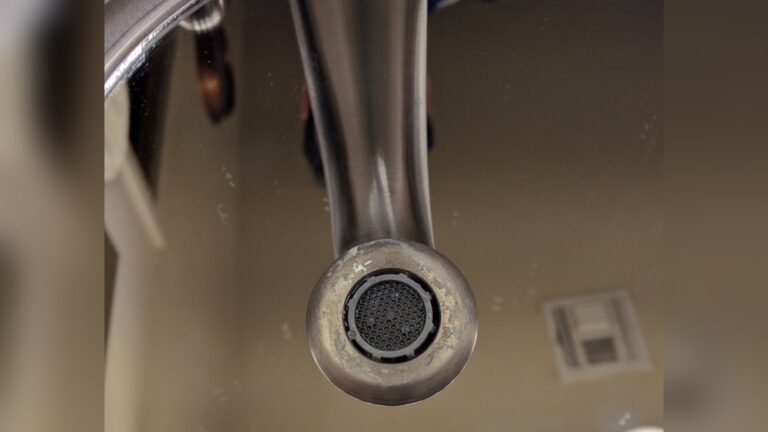
The spout tip and aerator (the screen where water comes out) can collect minerals, especially in hard water areas.
- Unscrew the aerator (if possible).
- Soak it in a bowl of white vinegar for 15-30 minutes.
- Scrub gently with a toothbrush.
- Rinse well and replace.
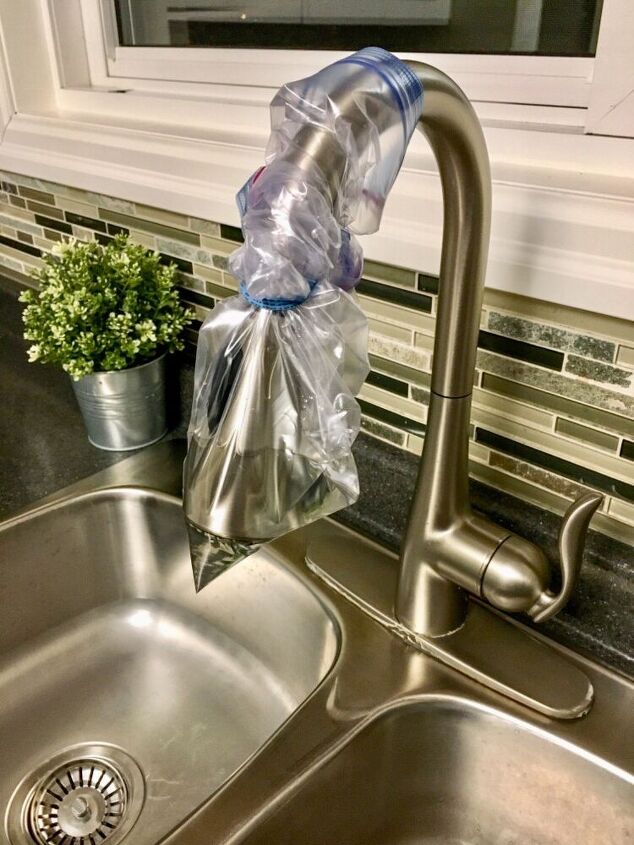
If you can’t remove the aerator, soak a cloth in vinegar and wrap it around the spout tip.
Base And Joints
The base of the faucet, where it meets the sink, is often missed. Dirt and minerals collect here and can cause leaks if ignored. Wipe around the base and any joints carefully. An old toothbrush helps reach tight spaces.
Safe And Effective Cleaners: What Works Best
Choosing the right cleaner is critical for stainless steel. Some household cleaners work well, while others can damage your faucet.
Here’s a comparison of common cleaning agents:
| Cleaner | Effectiveness | Safe for Stainless Steel? | Best Use |
|---|---|---|---|
| Mild Dish Soap | Very Good | Yes | Daily cleaning |
| White Vinegar | Excellent | Yes | Water spots, mineral deposits |
| Baking Soda | Good | Yes (gentle) | Tough stains, light rust |
| Bleach | High | No | Never use |
| Commercial Stainless Cleaner | Excellent | Yes (if labeled safe) | Polishing, deep clean |
Tip: Always test a new cleaner on a small, hidden area first to ensure it won’t damage the finish.
Common Mistakes To Avoid
Even with the best intentions, it’s easy to make mistakes when cleaning stainless steel faucets. Here are some common errors and how to avoid them:
- Using abrasive tools: Steel wool, rough sponges, and scrub brushes can scratch the surface, making the faucet look dull or even causing rust.
- Ignoring the grain: Always wipe with the grain (the direction of the lines in the steel). Wiping against the grain can leave visible marks.
- Letting water dry naturally: Air drying leaves spots and streaks. Always dry with a soft cloth.
- Spraying cleaner directly: Spray onto the cloth, not the faucet, to prevent overspray from reaching seals or sensitive parts.
- Using bleach or ammonia: These chemicals can break down the protective layer, leading to corrosion and discoloration.
- Forgetting hidden areas: The base, spout tip, and behind handles collect grime. Make sure to clean these spots regularly.
Many people believe the faucet will “clean itself” with water flow, but this is not true. Over time, ignoring these details leads to permanent stains or mechanical problems.
How Often Should You Clean?
Cleaning frequency depends on how much you use the faucet and your local water quality. Here’s a simple guideline:
| Cleaning Task | Frequency | Notes |
|---|---|---|
| Wipe with soapy water | Daily or every few days | Prevents buildup |
| Remove water spots (vinegar) | Once a week | More often in hard water areas |
| Deep clean (baking soda, oil polish) | Once a month | Keeps finish bright |
| Clean aerator | Every 2-3 months | Prevents blockages |
If you notice spots returning quickly, it may be due to hard water. Consider using a water softener or wiping the faucet dry more often.

Credit: www.youtube.com
Special Cases: Dealing With Hard Water
Hard water contains minerals like calcium and magnesium. These leave white or cloudy spots on stainless steel. In some regions, hard water is a big problem.
How to clean hard water spots:
- Use white vinegar regularly to dissolve minerals.
- For very stubborn spots, soak a cloth in vinegar and wrap it around the affected area for 10-15 minutes, then wipe.
- Always dry the faucet completely after cleaning.
In severe cases, installing a water softener or filter can prevent future buildup. This is especially helpful if you see spots reappearing within a day or two after cleaning.
Eco-friendly Cleaning Options
If you prefer to avoid chemicals, there are eco-friendly ways to clean your stainless steel faucet:
- Vinegar and baking soda: Both are natural, safe, and effective.
- Lemon juice: The acidity helps dissolve minerals and adds a pleasant scent.
- Olive oil for polish: Non-toxic and gives a great shine.
These options are safe for your family and the environment. Plus, they cost less than commercial cleaners.
Polishing Vs. Cleaning: What’s The Difference?
Cleaning removes dirt, spots, and bacteria. Polishing adds shine and a protective layer. You don’t need to polish every day, but doing so once a month can make a noticeable difference.
Polishing with a few drops of oil (olive or mineral) helps repel water and fingerprints. Commercial stainless steel polishes are also available—just be sure they are safe for use on faucets.
When To Call A Professional
Most cleaning can be done at home, but sometimes you need expert help:
- If you notice deep scratches or pitting
- If the faucet is leaking or not working smoothly
- If stains do not respond to the methods above
A plumber or restoration expert can repair damage and advise on long-term care. This is rare with regular maintenance, but knowing when to ask for help can save money and stress.
Stainless Steel Faucet Care: Quick Dos And Don’ts
To keep your faucet looking new, remember these simple rules:
Dos:
- Clean regularly with mild soap and water.
- Dry after each use.
- Use microfiber cloths.
- Polish monthly for extra shine.
Don’ts:
- Never use abrasive tools or cleaners.
- Avoid bleach, ammonia, and harsh chemicals.
- Don’t ignore the grain direction.
- Don’t let water spots sit for days.
Real-world Example: Kitchen Vs. Bathroom Faucets
Kitchen faucets usually get more use and see more grease, soap, and water spots. Bathroom faucets see toothpaste, makeup, and hair products.
Kitchen faucet tip: Wipe after doing dishes, especially if water splashes.
Bathroom faucet tip: Clean toothpaste splashes right away—they can leave white marks if allowed to dry.
Both types can be cleaned using the same basic process, but pay attention to the specific challenges in each room.
Comparing Stainless Steel To Other Finishes
If you’re considering a new faucet or want to know why stainless steel is popular, here’s a quick comparison with other finishes:
| Finish | Durability | Ease of Cleaning | Common Problems |
|---|---|---|---|
| Stainless Steel | High | Easy | Water spots, fingerprints |
| Chrome | Medium | Medium | Scratches, tarnish |
| Brushed Nickel | High | Easy | Fingerprints less visible |
| Bronze/Oil-Rubbed | Medium | Harder | Streaks, color fading |
Stainless steel remains the best choice for those who want a durable, easy-to-clean, and modern-looking faucet.
Non-obvious Insights For Beginners
Here are two useful tips many beginners miss:
- Hard water can affect cleaning results. If your faucet stays spotty no matter how much you clean, it’s likely the water quality, not your technique. Try filtering your water or drying the faucet after every use.
- The grain direction matters more than you think. Wiping against the grain can cause tiny scratches that catch dirt and make future cleaning harder. Always feel for the texture and wipe in the same direction.
Recommended Resources
For more in-depth information about stainless steel care, you can visit the official Encyclopedia Britannica.
Frequently Asked Questions
How Do I Remove Limescale From My Stainless Steel Faucet?
Limescale is a hard, chalky deposit caused by hard water. To remove it, soak a cloth in white vinegar and wrap it around the limescale area for 15-30 minutes. Then, gently scrub with a soft toothbrush and rinse well. Repeat if necessary, and always dry the faucet after cleaning.
Can I Use Glass Cleaner On My Stainless Steel Faucet?
Some glass cleaners are safe if they don’t contain ammonia or bleach. However, it’s better to use mild soap and water or a vinegar solution. Always check the label for harsh chemicals, and test in a small area before using widely.
Why Does My Faucet Look Cloudy Even After Cleaning?
Cloudy spots are usually from mineral deposits or soap scum. Make sure you rinse and dry the faucet completely after cleaning. If the problem continues, try wiping with a vinegar solution, then polish with a tiny amount of olive oil.
Is It Safe To Use Commercial Stainless Steel Polishes?
Yes, but make sure the product is labeled safe for use on kitchen or bathroom faucets. Follow the instructions closely, and don’t overuse the polish—once a month is enough for most homes.
How Can I Prevent Future Water Spots?
The best way to prevent water spots is to dry the faucet after each use. You can also apply a light coat of mineral or olive oil once a month. In areas with hard water, consider using a water softener or filter for best results.
A clean stainless steel faucet adds beauty and hygiene to your kitchen or bathroom. With the right approach, you can keep it shining for years. Regular care, gentle cleaning, and a few expert tips are all you need for lasting results.

Credit: www.reddit.com