Perlick Vs Standard Faucet: Which Is Best for Your Home Bar?
If you enjoy a cold beer at home or run a bar, you know how important the right faucet is. A faucet might look like a simple part, but it changes everything—from the taste to the foam and even the cleaning routine. When people start comparing options, two names come up often: Perlick and standard faucet. But what really makes Perlick faucets different? Are they worth the extra money, or does a classic faucet do the job just as well? If you’re thinking about upgrading your draft system or just want the best pour, this detailed guide will help you make a smart choice.
What Is A Beer Faucet And Why Does It Matter?
A beer faucet is the part you pull to pour beer from a keg. It sits at the end of the tap line and controls how fast and smooth your beer flows into the glass. While this sounds simple, a faucet does much more. It impacts:
- Beer freshness: Some faucets let air in or trap old beer.
- Foam and bubbles: The way beer moves through the faucet can make it too foamy or too flat.
- Cleaning: Some are easy to keep clean, while others collect bacteria.
- Pour control: Good faucets help you pour just the right amount with less waste.
Choosing the right faucet means every glass of beer tastes just as the brewer intended.
What Makes Perlick Faucets Special?
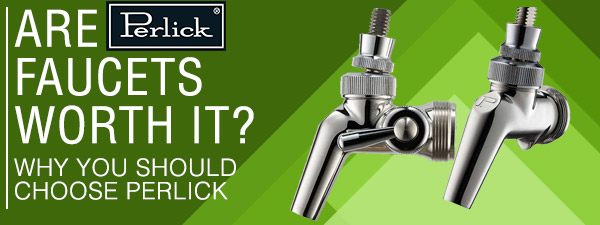
Perlick is a well-known American brand with over 100 years of experience in beverage equipment. Their faucets are famous for their forward-sealing design and high-quality stainless steel construction. These features set them apart from most regular faucets you find in bars, restaurants, and homes.
Forward-sealing Technology
Most regular faucets (also called “rear-sealing”) have the valve at the back. When you finish pouring, a bit of beer stays in the faucet body, which can dry and turn sticky. This leads to:
- Stuck handles
- Bad smells
- Bacteria growth
Perlick’s forward-sealing faucets have the valve at the very front. This keeps the inside drier, cleaner, and easier to use.
All-stainless Steel Construction
Perlick uses 304 stainless steel for every part that touches beer. Standard faucets often use brass or have chrome-plated interiors, which can:
- Corrode over time
- Affect beer taste
- Cause health concerns if the coating chips
Stainless steel is safer, easier to clean, and lasts longer.
Smooth, Consistent Pour
Perlick faucets use a special ball and floating o-ring system that reduces friction. The handle moves smoothly, so you can pour at any speed, from a slow trickle to a fast stream.
Stylish And Modern Design
While looks may not affect taste, Perlick faucets have a cleaner, more modern shape. They are easy to wipe down and look professional on any bar.
Credit: rapidswholesale.com
What Is A Standard Faucet?
A standard faucet usually means the classic rear-sealing tap you see at most bars and home kegerators. These have been around for decades and do the job, but come with some downsides:
- Internal parts are often brass or chrome-plated brass
- Rear-sealing design traps beer inside
- Handles can get sticky
- Cleaning takes more work
They are popular mainly because they are cheaper and easy to find.
Side-by-side Features: Perlick Vs Standard Faucet
To see the differences clearly, look at this comparison of main features:
| Feature | Perlick Faucet | Standard Faucet |
|---|---|---|
| Sealing Type | Forward-sealing | Rear-sealing |
| Material | 100% stainless steel | Brass or chrome-plated brass |
| Pour Smoothness | Very smooth, low friction | Can be sticky over time |
| Cleaning Needs | Less frequent, easier | Needs regular deep cleaning |
| Price | Higher ($60–$100+) | Lower ($15–$30) |
| Foam Control | Excellent | Average, can waste beer |
| Longevity | 10+ years | 3–5 years typically |
The Science Behind Each Faucet Design
Understanding the science helps you see why one faucet might be better for your setup.
How Perlick’s Forward-sealing Works
When you close a Perlick faucet, the valve at the front stops beer from sitting inside the body. This means:
- Less dried beer, so the handle never sticks
- Fewer bacteria and mold problems
- The faucet stays cleaner, longer
Also, the stainless steel does not react with beer, so every pour tastes fresh.
Standard Faucet Rear-sealing Issues
Standard faucets close at the back, so a small amount of beer remains between the valve and the spout. Over time, this beer dries out, especially if you don’t use the tap every day. The result:
- Handles can be hard to pull
- You might get a burst of foam or bad-tasting beer at first
- Bacteria and wild yeasts can grow
These problems happen more in warm climates or in home bars that only get weekend use.
Installation: Is One Easier?
Installing either faucet is not difficult if you already have a draft system. Both use the same thread size (U. S. beer shank standard), so they fit almost any tower or shank.
Perlick faucets sometimes feel a bit tighter due to their precision machining, but most users find both types take under 10 minutes to swap out.
A key tip: If you are changing from a standard to a Perlick, clean your beer lines and shanks first. Perlick’s tight seal will trap any leftover dirt if you skip this step.
Cost Comparison: Is Perlick Worth The Extra Money?
At first glance, Perlick faucets cost two or three times more than a standard faucet. But is the extra money justified?
| Item | Perlick Faucet | Standard Faucet |
|---|---|---|
| Initial Cost | $60–$100+ | $15–$30 |
| Expected Lifespan | 10+ years | 3–5 years |
| Maintenance Cost | Low (rare cleaning) | High (replace seals, deep clean) |
| Replacement Parts | Rarely needed | May need handles, seals, or even full replacement |
In the long run, a Perlick faucet can actually save money, especially if you pour beer often or want the best taste. Standard faucets can end up costing more due to cleaning products, replacement parts, and wasted beer from foaming.
Cleaning And Maintenance: Day-to-day Reality
Cleaning Perlick Faucets
Perlick’s design makes cleaning simple. The forward seal means you can go longer between cleanings—sometimes every 2–3 weeks if the lines stay cool. A quick rinse with warm water is often enough.
For deep cleaning, you simply:
- Remove the faucet from the shank
- Soak in cleaning solution
- Rinse and reinstall
The smooth inside has no small nooks or tight spaces, so bacteria have nowhere to hide.
Cleaning Standard Faucets
Standard faucets need more attention. Because beer sits inside, sticky residue builds up quickly. If you ignore cleaning for more than a week, you risk:
- Off-flavors in your beer
- Sticky or hard-to-move handles
- Mold growth
To clean, you often need to take the faucet apart, scrub the inside, and replace the seals every few months.
How Each Faucet Impacts Beer Quality
Your faucet choice affects more than just looks or cleaning. It can change how your beer tastes and pours.
Perlick’s Impact
- No metallic taste: Stainless steel does not affect flavor.
- Better foam control: The smooth action means less wasted beer.
- Consistent pours: Every glass looks and tastes the same.
Standard Faucet’s Impact
- Possible metallic taste: Brass and chrome can break down, especially with acidic beers.
- Inconsistent foam: Sticky handles can cause sudden bursts, creating too much foam.
- Off-flavors: If not cleaned often, old beer spoils new pours.
When Is A Standard Faucet Good Enough?
There are times when a standard faucet makes sense:
- You have a very tight budget
- The tap is rarely used (special events only)
- You don’t mind extra cleaning
- You plan to upgrade later
For most home users, though, the extra cost of Perlick is worth it after a few months of better pours and less cleaning.

Credit: www.kegworks.com
Real-world User Experiences
It’s easy to focus on technical details, but what do real users say?
Perlick fans often talk about:
- Handles that never stick, even after weeks of no use
- Beer always tasting fresh
- Less foam, less wasted beer
- Faucets still working perfectly after 5–10 years
Standard faucet users sometimes complain about:
- Sticky handles after a week
- Needing to waste the first ounce of beer each time
- Chrome flaking inside, especially with sour or citrus beers
One non-obvious insight: Some users buy a standard faucet first but switch to Perlick later because they get tired of cleaning and wasting beer.
Common Mistakes When Choosing A Faucet
Many beginners make these errors:
- Ignoring material quality. Brass is cheaper but can cause health and taste issues over time.
- Assuming all faucets are the same. The sealing method makes a big difference.
- Buying based on price only. You may spend more on cleaning and replacing cheap faucets.
- Not matching the faucet to the beer style. Some specialty beers (like nitro stouts) need special faucets.
- Skipping cleaning routines. Even Perlick faucets need regular rinsing.
The smart move: Think about total cost, not just the price tag.
Credit: kegco.com
Advanced Features: More Than Just On/off
Some Perlick faucets offer extra features:
- Flow control: Lets you adjust pour speed for different beer types.
- Growler fillers: Special tips for filling bottles without foam.
- Self-closing handles: For busy bars, handles spring back automatically.
Standard faucets rarely include these options.
Making The Right Choice For Your Setup
Still not sure which to choose? Think about:
- How often you pour beer. More use means Perlick pays off faster.
- Your cleaning habits. If you don’t enjoy cleaning, Perlick is a better choice.
- Beer styles. Sour, fruit, or high-acid beers need stainless steel to avoid off-flavors.
- Budget. If you’re building a home bar, even one Perlick faucet is a good investment.
If you run a bar, the time and money saved on cleaning and wasted beer quickly make up the price difference.
Comparing Real Usage Situations
Let’s look at a few common setups:
Home Kegerator
Most home kegerators only have one or two taps. A Perlick faucet means you don’t have to pour a “waste glass” every weekend. The handle won’t stick, and your beer stays fresh.
Busy Bar
Cleaning staff can’t take apart every faucet daily. Perlick’s self-cleaning design reduces downtime and keeps beer tasting right for every customer.
Event Rental
If you use a tap for weddings or parties, a standard faucet might be fine for one night. But if you plan to use it more often, Perlick will save headaches.
Environmental Impact: Stainless Steel Vs Brass
Stainless steel is fully recyclable and lasts longer, so it’s the greener choice. Brass can leach lead (in old models) and wears out faster, creating more waste.
Are There Any Downsides To Perlick Faucets?
No product is perfect. Perlick faucets have a few minor downsides:
- Higher upfront cost
- More likely to be stolen at busy events due to their reputation
- Some users find the handle “lighter” to pull, which takes getting used to
But these are small trade-offs for better performance and taste.
Perlick Vs Standard Faucet: At-a-glance Summary
Here’s a quick visual summary for busy readers:
| Category | Perlick | Standard |
|---|---|---|
| Sealing | Forward (cleaner) | Rear (can get sticky) |
| Material | Stainless steel | Brass/chrome |
| Lifespan | 10+ years | 3–5 years |
| Cleaning | Quick rinse | Needs deep cleaning |
| Cost | High | Low |
| Pour Quality | Smooth, foamy | Can be rough, foamy |
Final Thoughts: Which Faucet Should You Choose?
If you love beer and want the best taste and lowest hassle, Perlick faucets are hard to beat. They cost more, but the benefits—fewer cleaning headaches, longer life, no off-flavors—make them a smart investment for most beer lovers and bar owners.
But if you’re just starting out, have a tight budget, or only pour beer a few times a year, a standard faucet will still do the job. You’ll just need to stay on top of cleaning and may need to replace parts sooner.
For most people, switching to Perlick is a “buy once, cry once” decision. After you try one, it’s rare to go back.
For more detailed information on beer faucets and draft systems, you can visit the Wikipedia page on draft beer.
Frequently Asked Questions
What Is The Main Difference Between Perlick And Standard Faucets?
The main difference is the forward-sealing design of Perlick faucets, which keeps the inside clean and dry. Standard faucets use a rear-sealing method, which can trap beer inside and cause sticky handles and off-flavors.
Why Are Perlick Faucets More Expensive?
Perlick faucets use high-quality stainless steel and a precise design that lasts longer, needs less cleaning, and pours smoother beer. The materials and engineering cost more, but they last years longer than standard faucets.
Can I Use A Perlick Faucet On Any Kegerator?
Yes, Perlick faucets fit most U.S. standard shanks and towers. Just unscrew your old faucet and screw the Perlick on. It’s a simple upgrade for almost any home or bar setup.
How Often Should I Clean My Perlick Faucet?
You should rinse your Perlick faucet with warm water every 2–3 weeks if you use it often. Deep cleaning every few months is enough for most users. It’s less work than cleaning a standard faucet.
Do Perlick Faucets Change The Taste Of Beer?
Perlick faucets use 100% stainless steel, which does not affect beer flavor. Standard faucets with brass or chrome can sometimes add a metallic taste, especially with strong or sour beers.
Choosing the right faucet means more than just pouring beer—it’s about enjoying every glass, saving time, and getting the most from your draft system. Make your choice based on your needs, and you’ll taste the difference in every pour.