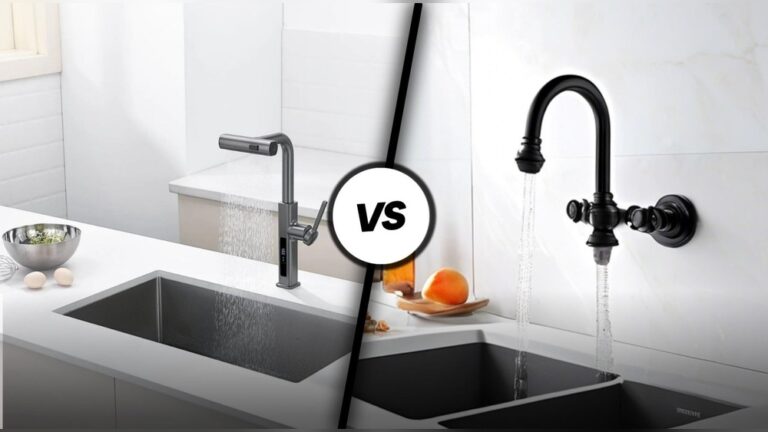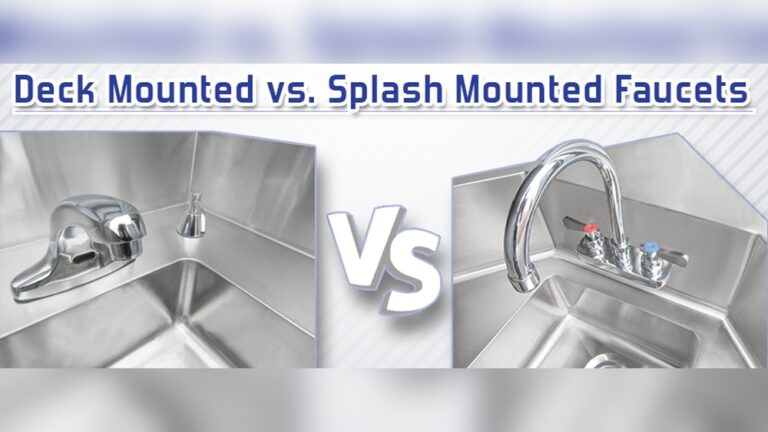
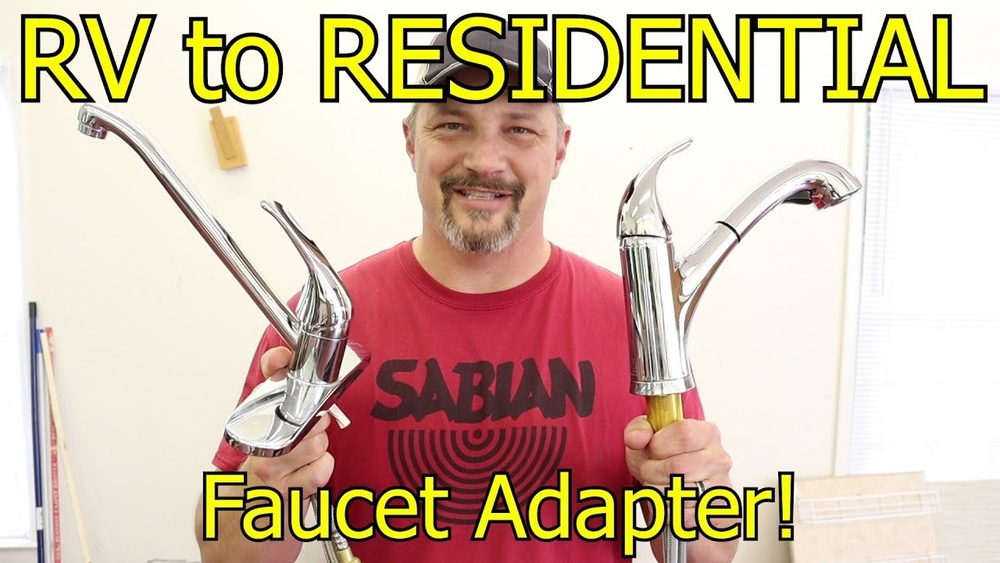
RV Faucet vs Home Faucet: Key Differences You Need to Know
Choosing a faucet might seem simple—until you need to pick one for your RV. Many people assume all faucets are the same. In reality, RV faucets and home faucets are different in ways that can surprise first-time buyers or new RV owners. Making the right choice can save money, avoid leaks, and make life on the road or at home more comfortable. This guide explains the real differences, why they matter, and how to pick the best option for your needs.
What Makes Rv Faucets And Home Faucets Different?
At first glance, RV faucets look a lot like the ones you use at home. Both come in a range of styles, shapes, and finishes. But what you see is just the surface. The differences start with how each faucet is made and what it’s made for.
Materials And Build Quality
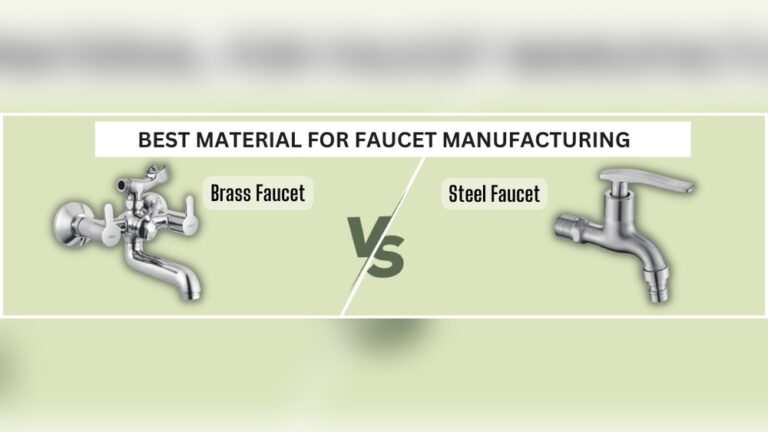
RV faucets are often made with lightweight plastic or a mix of plastic and metal. This keeps the overall weight down, which is important for vehicles where every pound counts. Some higher-end RV faucets use stainless steel or brass, but these are less common.
In contrast, home faucets usually use heavier, more durable materials like solid brass, stainless steel, or zinc alloys. The parts are often thicker and more robust. This means home faucets last longer and handle more daily use, but they are also much heavier.
Water Connection Differences
The way water connects to each faucet is not the same. RV faucets often use flexible plastic tubing and quick-connect fittings. These are designed for easy installation and removal, which is helpful if you need to winterize your RV or make repairs on the road.
Home faucets typically use threaded metal pipes (like copper or PEX tubing) and compression fittings. These connections are more permanent. If you try to install a home faucet in an RV without adapters, leaks are likely.
Size And Mounting Holes
RV sinks and countertops are usually smaller and thinner than those at home. This means RV faucets are designed to fit into smaller spaces. The mounting holes in RV sinks may be closer together or a different size than standard home faucets.
Home faucets often require wider or more robust mounting surfaces. Trying to fit a home faucet into an RV sink without modification can be a struggle. The faucet may not sit flat, or it might stress the countertop.
Water Pressure Handling
RV plumbing systems run at lower water pressure (often 40–60 psi) compared to home systems (usually 60–80 psi). RV faucets are made to work well at these lower pressures. Some home faucets, especially those with complicated spray features, may not work properly on an RV’s water system.
Weight And Portability
Weight is critical in RVs. Even a few extra pounds can affect fuel economy or how much you can pack. RV faucets are light. Home faucets are heavier—sometimes three or four times as much.
This difference is one reason why RV manufacturers and owners rarely install heavy residential faucets in their vehicles, unless they have a large, luxury motorhome.
Detailed Comparison: Rv Faucet Vs Home Faucet
To make the differences clearer, here’s a side-by-side look at the main features of each faucet type:
| Feature | RV Faucet | Home Faucet |
|---|---|---|
| Material | Plastic/Lightweight Metal | Brass/Stainless Steel |
| Weight | 1-2 lbs | 3-8 lbs |
| Connection Type | Flexible tubing, quick-connect | Threaded pipes, compression fittings |
| Water Pressure | 40-60 psi | 60-80 psi |
| Mounting Hole Size | Smaller, closer together | Standard, wider apart |
| Durability | Moderate (5-10 years) | High (10-20+ years) |
| Cost | $20–$80 | $50–$300 |
| Finish Options | Limited (chrome, white) | Wide (chrome, brushed nickel, bronze, etc.) |
Why Are Rv Faucets Lighter And Cheaper?
Weight and cost are big reasons. RV manufacturers must keep vehicles light for safety and fuel efficiency. Plastic parts cost less and are easier to replace. Also, RV plumbing is exposed to more vibration and movement, which means parts can wear out faster. It makes sense for replacement parts to be affordable.
On the other hand, home faucets are built to last many years, sometimes decades. They have thick metal parts and advanced finishes for daily use. This adds to the cost and weight but gives better long-term value for a stationary home.
Common Mistakes When Replacing Rv Or Home Faucets
Many people discover the differences between these faucets the hard way—during installation. Avoid these mistakes:
1. Assuming All Faucets Fit All Sinks
A home faucet might not fit an RV sink, and vice versa. The mounting holes, size, and connections are usually different.
2. Ignoring Water Pressure Differences
Home faucets may not work well at the lower water pressure in an RV. You might get a weak flow or even leaks at the base.
3. Using The Wrong Connections
RV faucets use flexible, sometimes push-fit connections. Home faucets require threaded connections. Forcing one to fit the other can cause leaks.
4. Overlooking Countertop Thickness
Home countertops are thicker than most RV surfaces. A home faucet’s mounting hardware may not tighten properly on an RV’s thin countertop.
5. Choosing Heavy Faucets For Rvs
Installing a heavy home faucet in an RV can add unnecessary weight and stress to the sink area, increasing the chance of damage over time.
Installation: What’s Different?
Installing An Rv Faucet
Most RV faucets are designed for quick installation. They use plastic nuts or clips that you can turn by hand. The flexible supply lines can be cut with a utility knife and pushed into place. This makes it possible to change a faucet with basic tools—even on the road.
Installing A Home Faucet
Home faucets often need tools like wrenches, Teflon tape, and sometimes a second person. The connections must be watertight, and you may need to crawl under the sink to tighten everything. Home faucets may also have more parts, such as sprayers or soap dispensers.
Adapters: When Mixing The Two
If you want to use a home faucet in your RV or vice versa, you’ll probably need special adapters. These connect the different types of pipes and fittings. It can work, but it’s not always a clean solution. Adapters can sometimes leak or come loose from vibration during travel.
A Closer Look: Kitchen Faucets Vs Bathroom Faucets
Even within each category, there are differences between kitchen and bathroom faucets. Here’s how they compare:
| Faucet Type | Kitchen (RV/Home) | Bathroom (RV/Home) |
|---|---|---|
| Size | Larger, higher spout | Smaller, lower spout |
| Features | Pull-out sprayers, swivel spout | Simple, fixed spout |
| Mounting Holes | 1-3 holes | 1-2 holes |
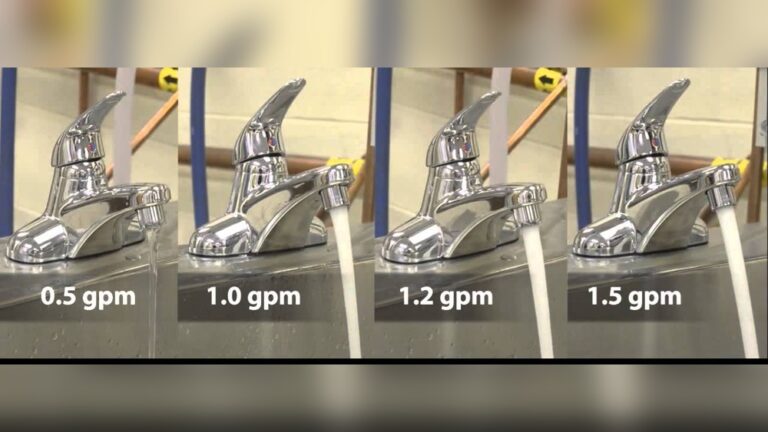
| Water Flow Rate | Higher (2.2 GPM max, often less in RVs) | Lower (1.5 GPM typical) |

Credit: www.rvfaucets.com
Can You Use A Home Faucet In An Rv?
This is a common question among DIYers. The answer: sometimes, but it’s not always a good idea.
When It Can Work
- If your RV has a large enough sink and countertop, and you’re comfortable using adapters.
- If the weight is not a big concern (for example, in large motorhomes).
- If you want a specific style or feature not available in RV faucets.
When It’s Not Recommended
- In smaller RVs or travel trailers where weight and space matter.
- If you want a simple, trouble-free installation.
- If you’re not comfortable working with plumbing adapters.
Tip: If you do try this, check the water flow and for leaks during your first trip. Movement on the road can loosen connections that seemed tight at home.
Features: What To Expect From Each Type
Rv Faucet Features
- Lightweight build: Easy to install and replace.
- Simple controls: Usually just hot and cold.
- Limited finishes: Mostly chrome, white, or basic colors.
- Short spout reach: Fits smaller sinks.
- Fewer extra features: Rarely has pull-out sprayers or touchless sensors.
Home Faucet Features
- Heavier, solid construction: Built for long-term use.
- More finish choices: Brushed nickel, bronze, matte black, etc.
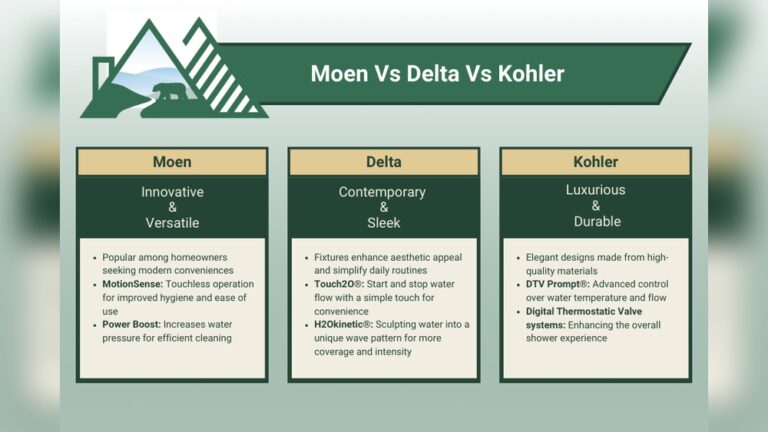
- Advanced features: Pull-down sprayers, water filtration, touchless activation.
- Higher flow rates: Can handle bigger sinks and more water use.
- Better warranty: Many brands offer lifetime warranties.
Durability And Longevity
Home faucets generally last much longer. The thick metal parts resist corrosion, and the finishes can stay looking new for years with basic cleaning.
RV faucets wear out faster, mostly due to lighter materials and the constant movement of the vehicle. Sunlight, freezing, and vibration can cause cracks or leaks. It’s common for RV owners to replace their faucets every 5–10 years.
Insider tip: If you use your RV full-time, consider upgrading to a higher-quality RV faucet, even if it costs more. It will save you time and hassle in the long run.
Water Conservation And Efficiency
Both RV and home faucets have to meet certain standards for water use, but the reasons are different.
- RV faucets are designed for low-flow to conserve water, since most RVers use a limited onboard water tank.
- Home faucets are regulated by laws (like the U.S. EPA’s WaterSense program) to use less water, but they can still deliver more flow than most RV faucets.
RV tip: If you switch to a home faucet in your RV, you might use up your water tank much faster.
Style And Appearance
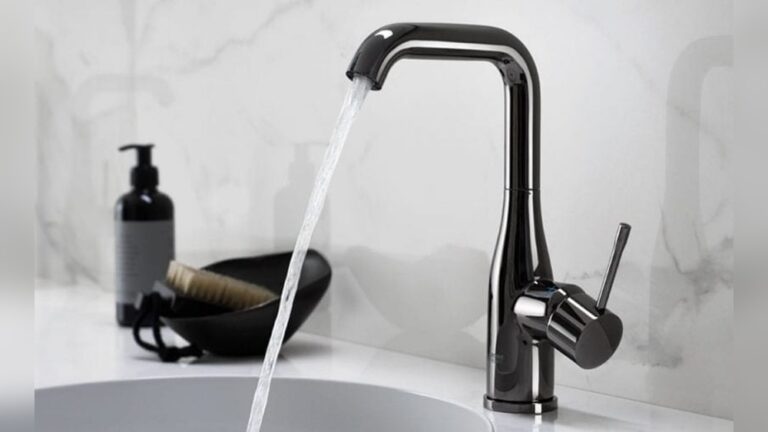
There are more style options for home faucets. You’ll find everything from modern to vintage, with finishes to match any decor. RV faucets tend to have a simpler look, with fewer choices.
Some newer RVs have more modern-looking faucets, but most still use basic designs to keep costs low.
Cost Breakdown: What Should You Expect To Pay?
Price is a big difference between RV faucets and home faucets.
- Basic RV faucet: $20–$50
- High-end RV faucet: $60–$100
- Standard home faucet: $60–$200
- Designer home faucet: $200–$500+
Why the price gap? It’s mainly about materials and features. Heavy-duty brass, ceramic valves, and special finishes cost more. Also, home faucets are produced in higher volumes, which can sometimes lower prices for basic models.
Practical Advice For Choosing The Right Faucet
Here’s what really matters when picking a faucet:
- Check your connections. Measure your supply lines and mounting holes before buying.
- Think about weight. Especially important for RVs—every pound adds up.
- Choose durability for full-time use. If you live in your RV or cook a lot at home, buy a faucet with a good warranty.
- Decide on features. Do you need a sprayer? Water filtration? Touchless control?
- Consider style, but don’t sacrifice function. A pretty faucet that doesn’t fit or leaks is a headache.
- Read reviews from owners with similar setups. They often share useful tips about installation and daily use.
Hidden insight: Many RVers don’t realize that regular movement can loosen faucet nuts over time. Check all connections after long drives to prevent surprise leaks.
Real-world Example: Rv Vs Home Faucet In Action
Imagine you buy a modern, heavy kitchen faucet for your RV because it looks nicer and has a pull-down sprayer. After a few trips, you notice:
- The countertop is slightly bowed from the extra weight.
- The water pressure is too low for the sprayer to work well.
- The connections have loosened twice, causing leaks under the sink.
Now, imagine you install a lightweight RV faucet at home. It works, but:
- The flow is weak, and you miss the sprayer.
- The plastic starts to discolor after two years.
- The faucet feels cheap compared to the rest of your kitchen.
Both scenarios show why it’s best to use the right faucet for the right place.
Upgrading: When Should You Switch?
You might want to upgrade if:
- Your current faucet leaks or looks worn out.
- You want a new feature, like a sprayer or touchless control.
- You’re remodeling your kitchen or RV interior.
Pro tip: If you’re upgrading your RV faucet, look for models labeled “RV/Marine.” These are made for mobile environments and usually offer better quality than entry-level RV faucets.
Environmental Factors: Weather, Freezing, And Sun
RV faucets face tougher conditions than home faucets. Freezing weather can crack plastic parts. Sunlight through windows can weaken some plastics or fade finishes. Vibration from driving shakes everything.
Home faucets are protected by stable temperatures and less movement. This is part of why they last longer and can use heavier materials.

Credit: www.mortonsonthemove.com
Cleaning And Maintenance
Both types of faucets need regular cleaning. However, RV faucets may need more frequent checks due to their lighter construction and the risk of leaks from vibration.
Maintenance tips:
- Use mild soap and a soft cloth for cleaning.
- Check under the sink for leaks before and after trips.
- If you’re storing your RV for winter, drain water from the faucet to avoid freezing.
Summary Table: At A Glance
Here’s a quick summary of the main differences:
| Aspect | RV Faucet | Home Faucet |
|---|---|---|
| Weight | Very light | Heavier |
| Material | Plastic/Aluminum | Brass/Steel |
| Mounting | Small, thin surfaces | Thick countertops |
| Features | Basic | Advanced |
| Cost | Low | Medium to high |
| Durability | Medium | High |
| Best Use | RVs, boats, mobile homes | Houses, apartments |
Final Thoughts
Choosing between an RV faucet and a home faucet is not just about looks. It’s about picking what works for your space, water system, and lifestyle. If you’re outfitting an RV, stick with lightweight, easy-to-install models. For home kitchens and baths, invest in heavy-duty faucets that will last.
Remember: the right faucet saves water, prevents leaks, and makes daily life smoother—whether you’re parked in a campground or cooking at home. Always measure twice, check your connections, and choose quality where it matters most.
For more details on plumbing standards and water efficiency, see this Wikipedia page on faucets.
Frequently Asked Questions
What Happens If I Use A Home Faucet In My Rv Without Adapters?
Most home faucets will not connect directly to RV plumbing. Without proper adapters, you’ll likely have leaks or a poor fit. The extra weight can also stress your RV’s sink and countertop.
Can I Install An Rv Faucet In My Home Kitchen?
Technically yes, but it’s not recommended. RV faucets are less durable and offer fewer features. They may not fit standard home plumbing connections and might look out of place in a modern kitchen.
How Do I Know If A Faucet Will Fit My Rv Sink?
Measure the distance between the mounting holes and the thickness of your countertop. Check your water supply line size and type. Always compare these numbers with the faucet specifications before buying.
Are There Any Rv Faucets With Advanced Features Like Pull-out Sprayers?
Yes, but they are less common and sometimes more expensive. Look for “RV/Marine” faucets with sprayers. Make sure your water pressure is high enough to use these features.
How Often Should I Check My Rv Faucet For Leaks?
Check before each trip and after long drives. Vibration can loosen fittings over time. Regular checks can prevent water damage and unexpected repairs while you travel.

Credit: blog.campingworld.com