What is a Faucet Deck Plate: Complete Guide for Homeowners
What Is A Faucet Deck Plate
Upgrading or installing a new faucet can change the look and function of your kitchen or bathroom. But as people start this process, they often come across a part called a faucet deck plate. Many homeowners, especially those who are not plumbing experts, feel confused about what this piece actually does and why it matters. It’s a small detail, but it can make a big difference in how your sink looks and works. By the end of this article, you’ll know exactly what a faucet deck plate is, why it’s important, and how to choose and install one with confidence.
Understanding The Faucet Deck Plate
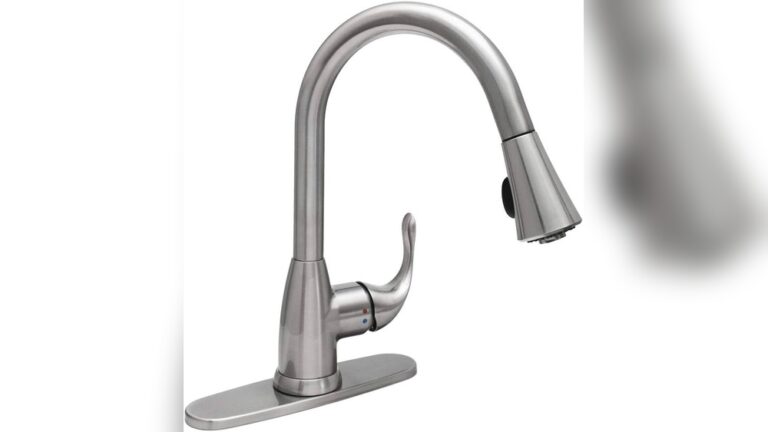
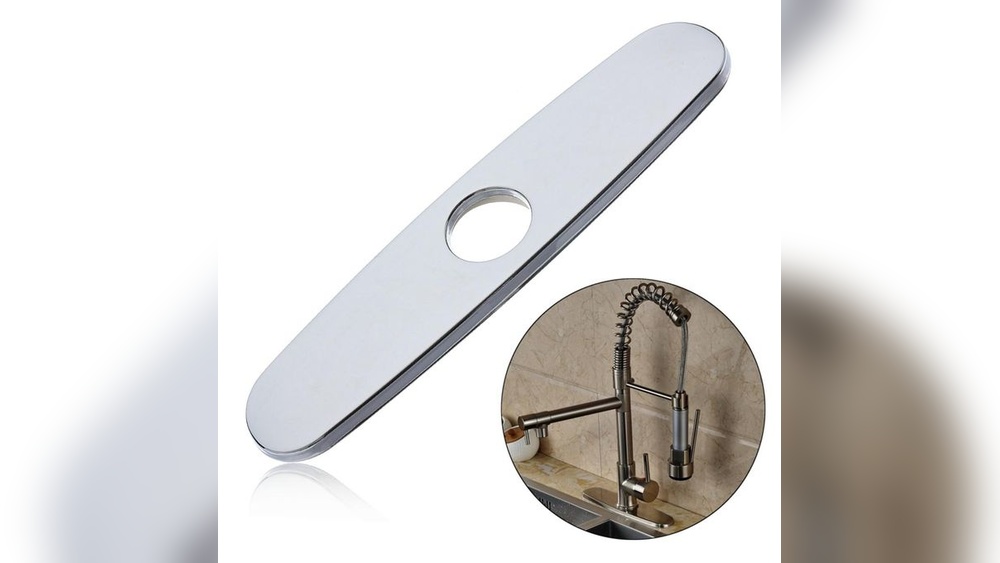
A faucet deck plate, sometimes called an escutcheon, is a flat, usually metal or plastic piece that fits between your faucet and the sink or countertop. Its main job is to cover extra holes in the sink, creating a clean and finished look. Many sinks come with three holes (for hot, cold, and the spout), but many modern faucets only need one. The deck plate hides the unused holes, so the sink looks neat.
Deck plates are common in both kitchens and bathrooms. They come in different shapes, finishes, and sizes to match many faucet designs. Some people don’t realize how important a deck plate is until they see an exposed sink with extra holes or a faucet that doesn’t fit well.
The deck plate keeps everything looking smooth and professional.
Why Do You Need A Faucet Deck Plate?
People often ask if a deck plate is really necessary. The answer depends on your sink and faucet setup. Here’s when you need one:
- Multiple Sink Holes: If your sink has more holes than your new faucet, a deck plate is the easiest way to hide them.
- Changing Faucet Styles: Switching from a three-hole faucet to a single-hole design? A deck plate covers the old holes.
- Better Appearance: Deck plates give a clean, finished look, especially in visible areas like kitchens.
- Preventing Water Damage: By covering unused holes, deck plates help stop water from leaking under the sink, which can cause mold or damage over time.
Sometimes, people try to seal extra holes with tape or plastic caps, but these don’t look good and can fail. A deck plate is designed for this job and does it well.
Main Features Of A Faucet Deck Plate
Not all deck plates are the same. Here are the features you should know:
- Material: Most are made of stainless steel, brass, or plastic. Metal plates last longer and look better but cost more.
- Finish: Deck plates come in finishes like chrome, brushed nickel, oil-rubbed bronze, and matte black. The finish should match or complement your faucet.
- Size: Standard plates are about 6 to 10 inches long, fitting most sinks. It’s important to check the width and length to make sure it covers all holes.
- Shape: While most are rectangular with rounded edges, some have unique shapes for special sinks or modern designs.
- Installation Type: Some plates come with mounting hardware, while others just sit under the faucet and are held in place by the faucet nuts.
- Gasket: Many deck plates include a rubber or foam gasket underneath. This helps seal the plate against water leaks.
Choosing the right features means your deck plate will fit well and last a long time.
How A Faucet Deck Plate Works
The main function of a deck plate is simple: it covers holes. But to do this well, it needs to be the right size and installed correctly.
During installation, the deck plate is placed over the sink holes. The faucet is then set through the main opening in the plate and attached to the sink. The plate sits flat, covering the unused holes on either side. Most plates are thin, so they don’t lift the faucet too high or make the sink hard to use.
Some people worry that water will get under the plate. That’s why good plates include a gasket or are sealed with plumber’s putty. This stops drips and keeps the area dry.

Credit: thesinkboutique.com
Types Of Faucet Deck Plates
Deck plates might seem simple, but there are different types. Here’s how they break down:
By Material
- Stainless Steel Deck Plates: Durable and rust-resistant. Best for kitchens and places with a lot of water.
- Brass Deck Plates: Heavy and long-lasting. Often used with high-end faucets.
- Plastic Deck Plates: Less expensive, lighter, and easy to install. Good for budget projects but not as strong.
By Finish
- Chrome: Shiny, easy to clean, and matches many faucets.
- Brushed Nickel: Soft, modern look; hides fingerprints.
- Oil-Rubbed Bronze: Darker, classic appearance.
- Matte Black: Trendy and bold for modern homes.
- Polished Brass: Bright, gold-like finish for traditional style.
By Size And Shape
- Standard Rectangular: Fits most sinks and covers up to three holes.
- Oval or Specialty Shapes: Designed for unique sinks or custom looks.
By Number Of Holes
- Single-Hole Plates: For sinks with one hole (often no plate needed, but some prefer the look).
- Three-Hole Plates: Most common, covering two extra holes.
- Four-Hole Plates: For sinks with a side sprayer or soap dispenser.
Choosing the right type means checking your sink, faucet, and style.
Common Faucet Deck Plate Sizes And Dimensions
Deck plates must fit your sink. Here are some common sizes:
| Deck Plate Length | Typical Use | Number of Holes Covered | Fits Faucet Base |
|---|---|---|---|
| 6 inches | Small bathroom sinks | 2 | 1-hole |
| 8 inches | Standard bathroom/kitchen | 2 | 1-hole |
| 10 inches | Large kitchen sinks | 2 or 3 | 1 or 2-hole |
Always measure your sink before buying. If the plate is too short, it won’t cover the holes. If it’s too long, it may look odd or not fit at all.
Comparing Deck Plate Materials
Material choice affects both durability and style. Here’s a quick comparison:
| Material | Durability | Cost | Appearance | Best Use |
|---|---|---|---|---|
| Stainless Steel | High | Medium | Modern, shiny | Kitchens, high-moisture areas |
| Brass | Very High | High | Classic, heavy | Luxury bathrooms |
| Plastic | Low to Medium | Low | Varies, sometimes less attractive | Budget or temporary use |
Metal plates usually last much longer and look better over time. Plastic can fade or crack but is easier to cut if needed.
How To Choose The Right Faucet Deck Plate
Buying the right deck plate is easy if you know what to check:
- Count Sink Holes: Look under the faucet to see how many holes your sink has. Most have one, three, or four.
- Measure the Distance: Use a tape measure to check the space from the first to the last hole. This tells you the minimum plate length.
- Match the Finish: The deck plate should match your faucet’s finish. A mismatch can look unprofessional.
- Check Plate Width: Make sure the plate isn’t too wide for the sink edge.
- Choose the Right Material: Stainless steel and brass last longer, but plastic works if you’re on a budget.
- Look for a Gasket: Gaskets help seal out water. If the plate doesn’t have one, use plumber’s putty during installation.
- Check Compatibility: Some faucets come with a matching deck plate. If not, buy one made for your faucet brand or type.
It’s easy to make mistakes. One common error is not measuring the sink first, leading to a deck plate that doesn’t cover all the holes. Another is forgetting about the finish, which can ruin the look of a beautiful new faucet.
Step-by-step: How To Install A Faucet Deck Plate
Installing a deck plate is a simple DIY job for most people. Here’s how to do it:
- Turn Off Water: Shut off the hot and cold water valves under the sink.
- Remove Old Faucet: If you’re replacing a faucet, use a wrench to loosen the nuts and lift it out.
- Clean the Area: Scrub the sink surface where the deck plate will sit. Remove old putty or dirt.
- Position the Deck Plate: Place the plate over the sink holes. Make sure it’s centered.
- Seal the Plate: If your plate has a gasket, set it in place. If not, roll plumber’s putty into a rope and lay it under the edges.
- Install the Faucet: Feed the faucet hoses through the plate and sink. Tighten the mounting nuts underneath.
- Check Alignment: Before tightening fully, make sure the faucet and plate are straight.
- Tighten Everything: Finish tightening the faucet nuts so everything is snug, but don’t overtighten and crack the plate.
- Reconnect Water: Attach the supply hoses and turn the water back on.
- Check for Leaks: Run the faucet and check under the sink. Wipe away any extra putty.
For most people, this takes about 30-60 minutes. If you get stuck, many faucet makers have videos or guides on their websites.
Tips For A Professional Finish
Small details make a big difference. Here are two advanced tips:
- Use Silicone for Extra Protection: For kitchens, where water splashes a lot, run a thin bead of clear silicone around the plate’s edge after installation. This blocks water even better than putty alone.
- Paint Touch-Ups: If your sink or countertop has scratches from the old faucet, use matching paint or a repair kit before installing the new deck plate. This gives a cleaner final look.
Beginners often forget to check for leaks after installation. Even a tiny drip can lead to mold or damage, so always run the faucet and inspect under the sink.

Credit: www.amazon.com
Matching Deck Plates To Faucet Styles
A deck plate can either disappear into the design or stand out, depending on your style. Here’s how to match them:
- Modern Faucets: Go for a matte black or brushed nickel plate. These finishes are popular in new kitchens.
- Classic Faucets: Use oil-rubbed bronze or polished brass for a traditional look.
- Minimalist Designs: Sometimes, it’s best to skip the deck plate and use a single-hole faucet for a clean look.
Some brands make plates designed to match their faucet lines perfectly. Others offer “universal” plates that fit most models. If you’re unsure, bring a picture of your faucet to the hardware store.
Can You Install A Faucet Without A Deck Plate?
Yes, if your sink has only one hole and you like the look, you can skip the deck plate. Many modern faucets are designed to be “deck plate optional. ” But if you have extra holes, you need something to cover them.
Without a plate, water and grime can get into the holes, causing problems over time.
Some people use plastic hole covers, but these are not as sturdy or attractive as a real deck plate. For a high-quality look and better protection, the deck plate is the best choice.
Cost Of Faucet Deck Plates
Prices for deck plates vary, depending on material and brand:
- Plastic deck plates: $5 to $15
- Stainless steel: $15 to $40
- Brass or designer finishes: $30 to $75
Most people spend $15 to $30 for a good-quality, standard-size plate. Designer brands or custom finishes will cost more, especially if you want an exact match to a luxury faucet.
If you’re buying a new faucet, check if a deck plate is included. Many mid-range and high-end faucets include one, but budget models often do not.
Environmental And Maintenance Considerations
Deck plates don’t need much care, but a little attention keeps them looking new:
- Wipe after use: Dry water spots to prevent mineral buildup.
- Avoid harsh cleaners: Use mild soap and water.
- Polish metal plates: Use a soft cloth and gentle polish for stainless or brass finishes.
When replacing a deck plate, recycle metal plates if possible. Plastic plates should be disposed of according to local rules. Choosing a durable material means you’ll replace it less often, which is better for the environment.
Common Mistakes And How To Avoid Them
Many DIYers make simple errors when choosing or installing a deck plate:
- Wrong Size: Not measuring the sink and buying a plate that doesn’t cover all holes.
- Mismatched Finish: Mixing finishes, which can look cheap or messy.
- Skipping the Gasket: Forgetting the gasket lets water leak under the plate.
- Overtightening: Cracking a plastic plate by using too much force.
- Ignoring Compatibility: Some faucets have bases that don’t fit standard plates.
To avoid these, plan ahead, measure carefully, and double-check compatibility before buying.
Real-world Example: Kitchen Faucet Upgrade
Maria wanted to replace her old, three-hole kitchen faucet with a modern, single-handle model. Her sink had three holes, but the new faucet only used one. Without a deck plate, two holes would be visible. Maria bought a stainless steel deck plate in the same finish as her faucet, measured her sink, and checked the distance between holes.
After installing the plate and faucet, her sink looked brand new—no extra holes, no leaks, and a perfect match in color.
This is a common story for many homeowners. The deck plate turns a tricky installation into an easy, clean upgrade.

Credit: thesinkboutique.com
Where To Buy Faucet Deck Plates
Deck plates are sold at:
- Hardware stores
- Home improvement centers
- Online retailers (Amazon, Home Depot, Lowe’s)
- Plumbing supply shops
If you need an exact finish or match for a designer faucet, order directly from the faucet manufacturer’s website or a trusted store.
For a detailed look at sink and faucet compatibility, see this Family Handyman guide.
Frequently Asked Questions
What Is The Difference Between A Faucet Deck Plate And An Escutcheon?
Both terms refer to the same part: a flat plate that covers unused sink holes. “Deck plate” is more common in kitchen and bathroom faucet discussions, while “escutcheon” is used for many plumbing trim pieces.
Can I Cut A Deck Plate To Fit My Sink?
Yes, some plastic deck plates can be trimmed with a saw or utility knife. Metal plates are harder to cut and usually should not be modified. Always try to buy the correct size to avoid problems.
Do All Faucets Need A Deck Plate?
No. If your sink has only one hole and your faucet matches, you can skip the deck plate. It’s only needed to cover extra holes or for a specific look.
How Do I Keep Water From Leaking Under The Deck Plate?
Use a gasket or plumber’s putty under the plate. For extra protection, add a small bead of clear silicone around the plate’s edge after installation.
Can I Use A Faucet Deck Plate From A Different Brand?
Often, yes. Many deck plates are “universal” and fit most faucets. However, the finish or shape may not match exactly. For a perfect look, try to get a plate from the same brand as your faucet.
A faucet deck plate is a small but important part of a sink installation. It covers extra holes, gives a clean look, and protects against leaks. With the right deck plate, your new faucet will look and work its best for years.
Whether you are remodeling or just changing a faucet, knowing about deck plates helps you make smart choices and avoid common mistakes.