Do Automatic Faucets Need Electricity? Essential Facts Explained
Do Automatic Faucets Need Electricity?
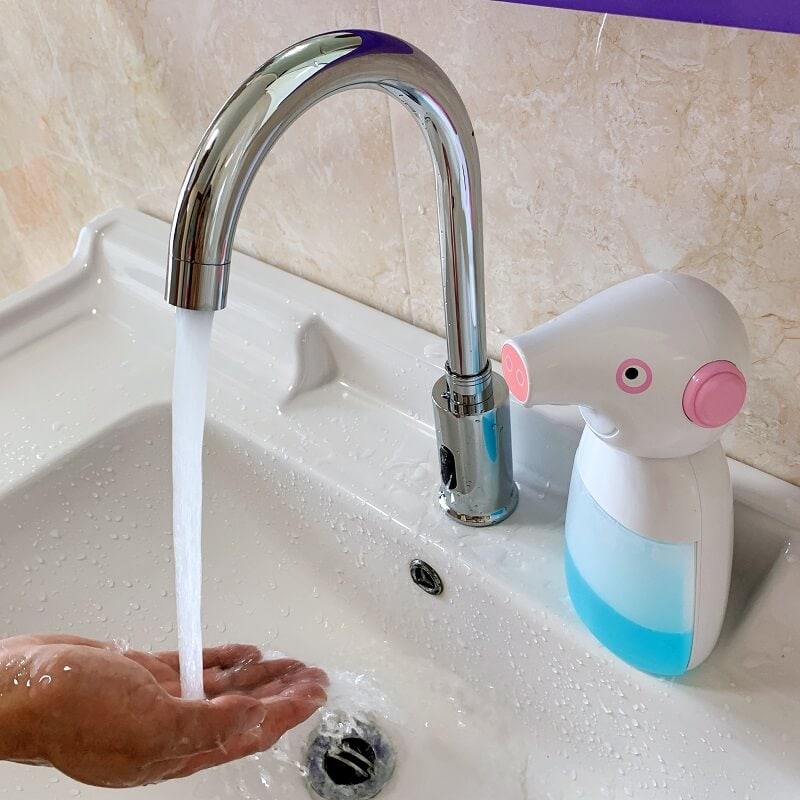
Imagine walking into a modern restroom. You wave your hand under a faucet, and water starts to flow—no touching, no turning. These are automatic faucets, and they’re everywhere: airports, hotels, malls, and even homes. But have you ever wondered what makes them work? The simple answer is technology, but the real question is: Do automatic faucets need electricity?
This article dives deep into how automatic faucets function, their power sources, and what happens if there’s a power outage. We’ll also look at the differences between battery-powered and wired models, installation tips, energy consumption, and the pros and cons of using these smart fixtures.
If you want a clear, complete understanding, you’re in the right place.
How Do Automatic Faucets Work?
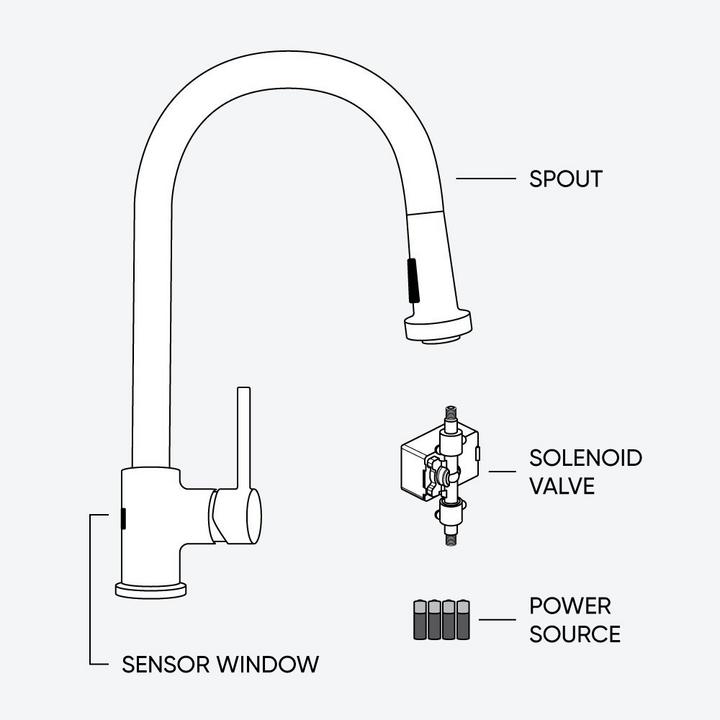
Automatic faucets, sometimes called sensor faucets or touchless faucets, use a combination of sensors, valves, and electronic controls to manage water flow. Here’s how the process happens:
- Motion sensor detects movement. Usually, infrared or ultrasonic sensors sense your hands.
- Signal sent to solenoid valve. When the sensor is triggered, it sends an electronic signal.
- Solenoid valve opens. The valve allows water to flow through the spout.
- Water flows. As long as hands are detected, water keeps running.
- Sensor turns off. When you remove your hands, the sensor stops the signal.
- Valve closes. Water stops flowing almost instantly.
This entire process relies on electronic components. The sensor, control board, and solenoid valve all need power. That’s why electricity is essential for most automatic faucets.
Why Do Automatic Faucets Need Electricity?
The main reason is the electronic sensor and control system. Here’s what electricity powers in an automatic faucet:
- Sensors (infrared or ultrasonic) that detect hands
- Solenoid valves that open and close the water flow
- Control circuit boards that process the sensor’s signal
Without a power source, the faucet cannot sense motion or activate the valve. The handle-free experience is only possible because of this electrical system.
Some people confuse automatic faucets with mechanical or self-closing faucets. Mechanical faucets use springs or timers and do not need electricity. But these are not true automatic faucets.
Types Of Power Sources For Automatic Faucets
Automatic faucets need a power source, but not all of them plug into a wall outlet. There are two main types:
1. Battery-powered Faucets
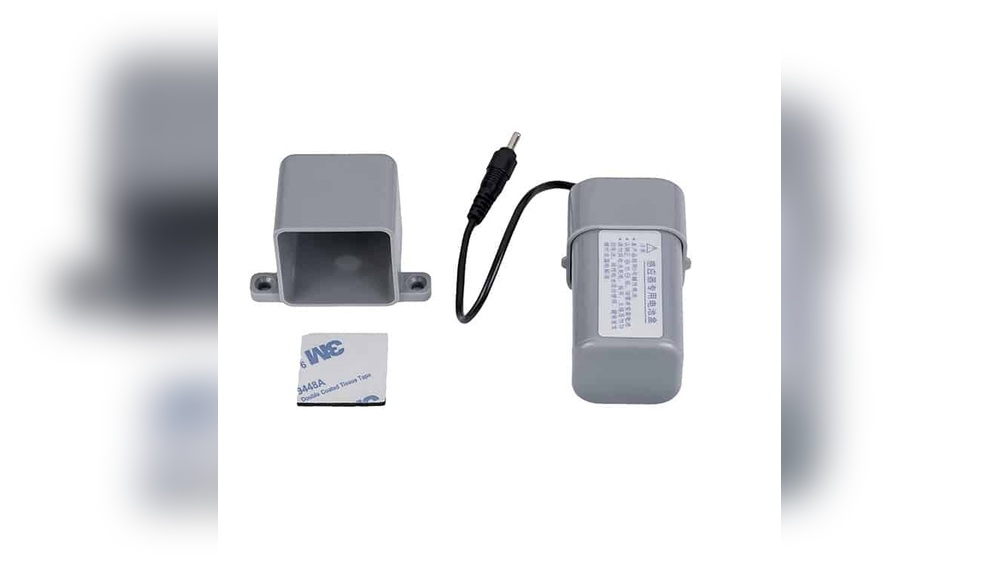
Many automatic faucets run on batteries. Typical batteries used are:
- AA or AAA alkaline batteries
- 9-volt batteries
- Lithium coin cells (less common)
Battery-powered faucets are popular because:
- Easier to install (no wiring needed)
- Safe for wet environments (no risk of electric shock)
- Flexible placement (no need for an outlet nearby)
Most battery-powered models use very little electricity. A set of four AA batteries can last 1-2 years in a home, or 6-12 months in a busy public restroom. The sensor and valve are designed to use power only when the faucet is activated.
Non-obvious insight: Many homeowners forget to check battery life. When a faucet stops working, it’s often just dead batteries, not a mechanical failure.
2. Hardwired (direct Power) Faucets
Some automatic faucets are connected directly to a building’s electrical system. These are called hardwired models.
Benefits include:
- No batteries to replace
- Consistent power supply
- Better for high-traffic areas (like airports and malls)
A small transformer reduces the voltage from the mains supply (120V or 220V) to a safe level (usually 6V-12V DC) for the faucet. The wiring is usually hidden under the sink or inside the wall.
Hardwired models are more complex to install, often needing a professional electrician.
Non-obvious insight: In some commercial buildings, backup batteries are also installed as a fail-safe in case of power outages, so faucets still work for a limited time.
3. Hybrid Models
Some newer automatic faucets combine both systems: they run on direct power but have batteries as backup. If the electricity goes out, the faucet switches to battery mode.
Hybrid models are common in hospitals, luxury hotels, and places where faucet downtime is not acceptable.
What Happens If The Power Goes Out?
If an automatic faucet loses its power source, it usually stops working completely. Here’s what to expect:
- No water flow: The solenoid valve will not open without power, so you can’t get water.
- Manual override: Some advanced models have a manual override lever or a hidden handle, but most do not.
- Battery backup: If the model has battery backup, it will continue working until batteries run out.
Unlike mechanical faucets, you cannot just turn a knob to get water if the electronics are dead. This is a key point to consider when choosing an automatic faucet for critical locations.
Credit: stories.hansa.com
Comparison: Battery Vs. Hardwired Faucets
To help you understand the differences, here’s a simple comparison.
| Feature | Battery-Powered | Hardwired |
|---|---|---|
| Installation | Easy (no wiring) | Needs electrician |
| Maintenance | Replace batteries | Almost zero |
| Power Failure | Runs until battery dies | Stops immediately |
| Best for | Homes, small offices | Airports, malls |
| Initial Cost | Lower | Higher |
How Much Electricity Do Automatic Faucets Use?
One of the reasons automatic faucets are popular is their low energy use. They only consume power when the sensor is activated—often just a few seconds per use.
Typical power consumption:
- Sensor: 0.1 to 0.5 watts per use
- Solenoid valve: 0.5 to 2 watts per use
Assume a faucet is activated 200 times per day (busy restroom). The total energy used is still less than running a 60-watt light bulb for one hour. Over a month, the electricity cost is almost unnoticeable.
Installation Considerations
Installing an automatic faucet is not as simple as a standard faucet, especially for hardwired models.
For Battery-powered Faucets
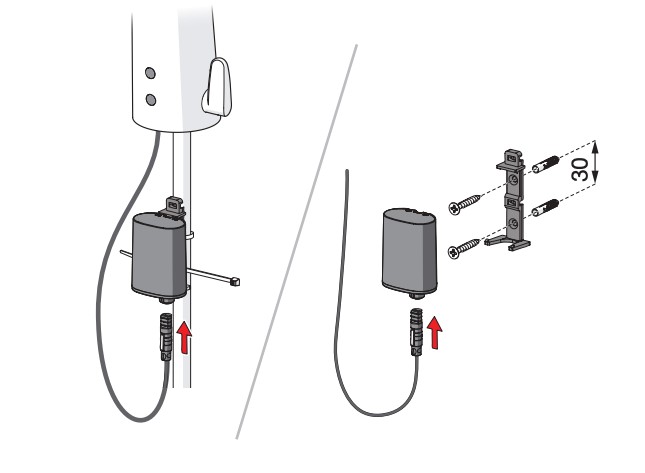
- No wiring needed: Most people can install them with basic tools.
- Battery compartment: Make sure it’s easy to reach for battery changes.
- Check sensor alignment: The sensor must face the correct direction and distance.
For Hardwired Faucets
- Electrical outlet required: Must be near the faucet or under the sink.
- Professional installation: In most cases, wiring should be done by a licensed electrician.
- Transformer placement: The voltage transformer must be located in a dry, safe area.
Tip: Always check local building codes before installation. Some areas have strict rules for electrical fixtures near water.
Are There Automatic Faucets Without Electricity?
This is a common question, but the simple answer is no—true automatic faucets need some form of electricity to work. The sensor and valve system cannot function without power.
However, there are mechanical self-closing faucets. These use springs or hydraulic timers to shut off water after a few seconds, but they are not truly automatic. They still require you to press or turn a handle.
Benefits Of Using Automatic Faucets
Why are automatic faucets becoming so popular, even in homes? Here are the main reasons:
- Hygiene: No need to touch handles, which reduces the spread of germs.
- Water savings: The faucet turns off automatically, preventing waste. Some studies say touchless faucets can save 30-50% of water compared to manual models.
- Convenience: Especially useful for children, elderly people, or anyone with limited mobility.
- Modern look: Sleek, high-tech design adds value to bathrooms and kitchens.
- Energy efficiency: Uses very little electricity—often less than a night light.
Example: In a 2022 survey, 62% of commercial building managers said installing automatic faucets reduced water bills by at least 20%.
Downsides And Limitations
No technology is perfect. Here are some things to consider before choosing an automatic faucet:
- Needs power: Will not work during outages unless there’s battery backup.
- Initial cost: More expensive than regular faucets.
- Maintenance: Sensor and solenoid can fail, and batteries need replacement.
- False triggers: Sometimes the sensor is too sensitive, or not sensitive enough.
- Not always user-friendly: People with very dark skin or gloves may have issues with some infrared sensors.
Energy Efficiency And Environmental Impact
While automatic faucets do use electricity, their impact is usually minimal. In fact, the main environmental benefit comes from reducing water waste.
Electricity Use Vs. Water Savings
Here’s a comparison:
| Type | Annual Electricity Use | Annual Water Savings |
|---|---|---|
| Manual Faucet | 0 kWh | None |
| Automatic Faucet | 1-2 kWh | Up to 15,000 liters |
The electricity used is less than running a small fan for a month, but the water savings are significant.
Battery Disposal
One hidden environmental cost is battery disposal. Always use rechargeable batteries when possible, and recycle old batteries properly.
Common Problems With Automatic Faucets
Knowing what can go wrong helps you avoid frustration. Here are frequent issues:
- Dead batteries: The most common reason an automatic faucet stops working.
- Blocked sensor: Dirt or water droplets can block the sensor, making it unresponsive.
- Low water pressure: Some solenoid valves need a minimum pressure to function.
- Wiring problems: For hardwired models, loose connections can cause failures.
- Valve stuck: Mineral buildup can cause the solenoid valve to stick.
Tip: Regular cleaning of the sensor area prevents many problems. For hardwired units, schedule a checkup every 2-3 years.
Credit: www.signaturehardware.com
Who Should Choose Automatic Faucets?
Automatic faucets are not just for airports and shopping malls. Here’s who can benefit most:
- Hospitals and clinics: Hygiene is critical.
- Restaurants: Saves water and reduces cross-contamination.
- Schools: Prevents kids from leaving water running.
- Homes with elderly or disabled residents: Easier to use than standard handles.
- Busy families: Less mess, less water waste.
However, if your area has frequent power outages and you want a faucet that always works, a traditional faucet may be a better choice.
Cost Overview
The cost of an automatic faucet depends on features, brand, and installation needs.
- Battery-powered models: $50–$150 for basic units, $200–$400 for premium brands.
- Hardwired models: $150–$500, plus electrician costs (which may add $100–$300).
- Hybrid models: $200–$600, depending on backup and extra features.
Don’t forget to add the cost of batteries or possible repairs. Over time, water savings can offset the higher initial price, especially in high-use locations.
Credit: www.tap-sensor.com
Maintenance Tips
To keep your automatic faucet working smoothly:
- Check batteries every 6–12 months (for battery models).
- Clean the sensor area with a soft cloth; avoid harsh chemicals.
- Flush the valve every 1–2 years to prevent mineral buildup.
- Test sensitivity and adjust if possible (some models allow this).
- Inspect wiring (for hardwired models) for wear or corrosion.
Regular maintenance prevents most problems and extends the faucet’s life.
Are Automatic Faucets Right For You?
Deciding whether to install an automatic faucet depends on your needs:
- If you want maximum hygiene and water savings, and you don’t mind occasional battery changes or professional installation, automatic faucets are a smart choice.
- If you need a faucet that works in all conditions, including blackouts, or you live in a low-tech area, stick with a manual model.
- For most modern homes and businesses, the benefits outweigh the downsides, especially if you choose a model with battery backup.
Pro tip: Always check user reviews for the model you choose. Some have better sensors, longer battery life, or easier installation than others.
Frequently Asked Questions
Do All Automatic Faucets Need Electricity To Work?
Yes. All true automatic faucets require electricity for the sensor and valve system. Without power, the faucet cannot detect hands or open the valve. Some models use batteries, others are hardwired, but all need some form of electricity.
Can I Use An Automatic Faucet During A Power Outage?
You can only use it during a power outage if your model has battery backup. Hardwired-only models stop working when the power is out. Some hybrid models switch to battery mode automatically.
How Long Do Batteries Last In Automatic Faucets?
For most battery-powered automatic faucets, batteries last between 6 months to 2 years, depending on use and battery type. High-traffic public restrooms need more frequent changes than home bathrooms.
Is It Expensive To Run An Automatic Faucet?
No. Automatic faucets use very little electricity—often less than 2 kWh per year. The cost is usually much lower than the water savings they provide. Battery costs are also low if you use good-quality batteries.
Where Can I Learn More About The Technology Behind Automatic Faucets?
For more technical details and in-depth explanations, visit the Automatic Faucet Wikipedia page.
Modern living is shaped by technology, and automatic faucets are a perfect example. They do need electricity, but their benefits in hygiene, water savings, and convenience often make them worth the small energy cost. Whether you choose battery-powered, hardwired, or hybrid, understanding how these faucets work helps you make the best choice for your bathroom, kitchen, or business. Remember, a little planning and regular maintenance will keep your touchless faucet working for years to come.