Faucet Aerator Vs No Aerator: Which Saves More Water?
Every drop of water counts, whether you are washing your hands, filling a pot, or rinsing vegetables. Yet, you might not realize how much water flows through your kitchen or bathroom faucet every day. The small device at the tip of your tap—the faucet aerator—plays a bigger role than most people think. But what happens if you remove it? Is it better to have a faucet aerator, or is using a tap without one sometimes the smarter choice? This question matters for saving water, lowering bills, and getting the water pressure you want.
Faucet aerators are one of those home gadgets you rarely notice unless they break or clog up. Still, their effect on daily life is real. They influence your water flow, the feel of the stream, and even how much you spend on utilities. Some people remove aerators for a stronger flow or to fill buckets faster. Others keep them in to cut costs and help the environment. But which option is best for you? Let’s look at the faucet aerator vs no aerator debate in detail, so you can make a smart, confident choice for your home.
What Is A Faucet Aerator?
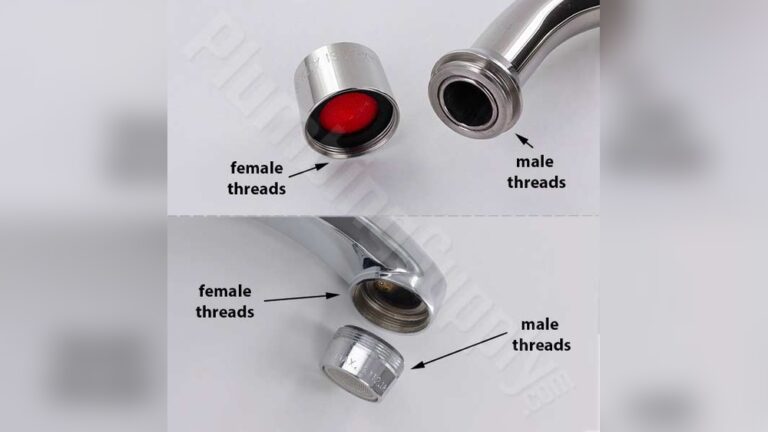
A faucet aerator is a small screen or disk that screws onto the tip of your tap. Its job is simple but clever—it breaks the water into many tiny streams and mixes it with air. This creates a softer, splash-free flow that feels full but actually uses less water.
Most aerators are made from metal or plastic. You can find them in nearly every kitchen and bathroom faucet unless removed on purpose. They come in different sizes and flow rates, but all serve a similar purpose. The mesh inside can be fine or coarse, depending on the model and its intended use.
Aerators became common in homes during the 1970s, mainly to cut down on water use as cities looked for ways to save resources. Today, nearly all new faucets include an aerator by default.
How Do Faucet Aerators Work?
The secret behind an aerator is air mixing. When you turn on your tap, water flows through the small holes or mesh in the aerator. This breaks the stream into many tiny jets. These jets draw in air from outside and mix it with the water. As a result, you get a steady, even flow that feels strong but actually uses less water.
Aerators can also control the shape and direction of the water stream. This reduces splashing, makes cleaning easier, and helps when washing hands or dishes. Some advanced models even add filters to catch debris or adjust the spray pattern for different tasks.
The main function is always the same: give you the water you need, but use less of it.
Credit: www.plumbingsupply.com
What Happens Without An Aerator?
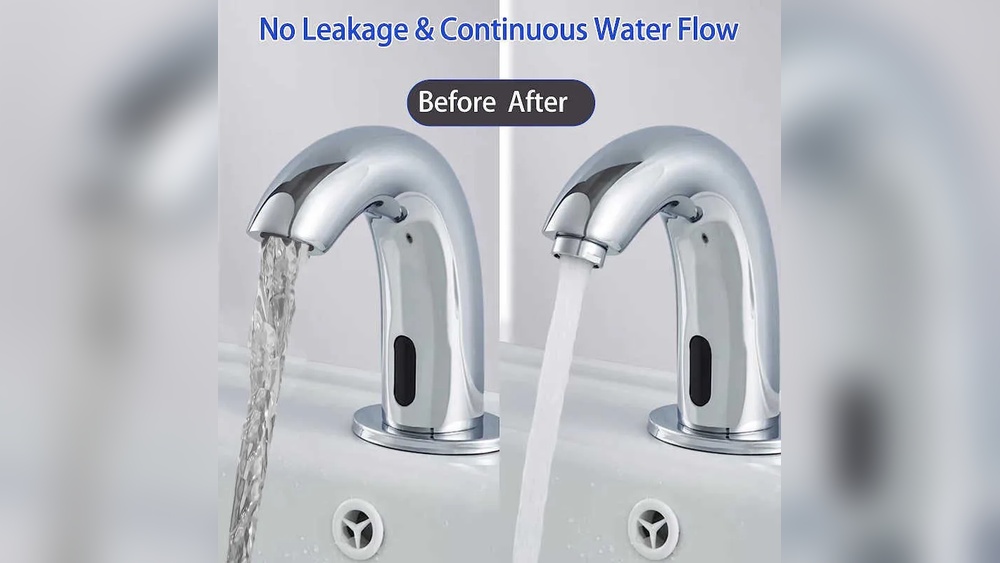
If you remove the aerator, the water flows straight out of the tap in a single, solid stream. This might seem good if you want more power or to fill containers faster. However, there are trade-offs.
Without an aerator, water can splash more easily, especially when it hits a shallow sink or your hands. The flow may feel harder, but it also uses more water for the same task. Over time, this can lead to higher utility bills and more water wasted.
Some older faucets were designed to work without aerators, but most modern taps are built with them in mind. Removing the aerator on these taps can change the way the water feels and works.
Key Differences: Faucet Aerator Vs No Aerator
Let’s compare the main differences side by side to make things clear:
| Feature | With Aerator | Without Aerator |
|---|---|---|
| Water Usage | Lower (saves water) | Higher (uses more) |
| Flow Feel | Softer, fuller, even | Harder, can splash |
| Stream Direction | Controlled, less messy | Uncontrolled, splatter risk |
| Water Pressure | Feels good, less actual force | Feels stronger, more forceful |
| Debris Filtering | Some, stops grit | None, grit passes through |
| Noise Level | Quieter | Louder |
| Maintenance | Needs cleaning | No aerator to clean |
Benefits Of Using A Faucet Aerator
Aerators are small but bring many benefits to your home and wallet.
1. Water Savings
Most aerators cut water use by 30-50%. For example, a regular faucet might use 2. 2 gallons per minute (GPM), while a good aerator can lower that to 1. 0–1. 5 GPM. This can save thousands of gallons per year for a family, lowering both water and energy bills.
2. Energy Savings
Because you use less hot water, you also save on heating costs. Heating water is often a big part of your energy bill, so these savings add up. According to the U. S. Environmental Protection Agency, using low-flow aerators can save a typical family about $50 per year in energy costs alone.
3. Better Washing And Less Splashing
Aerators turn a hard jet into a gentle, full stream. This makes washing hands, dishes, or food much easier and less messy. Less splashing means a cleaner sink and less water wasted on cleaning up.
4. Improved Water Quality
Some aerators act as a first filter, stopping sand or grit before it reaches your glass or dish. This is a small but helpful feature, especially in older buildings or areas with less clean water.
5. Easy Installation And Low Cost
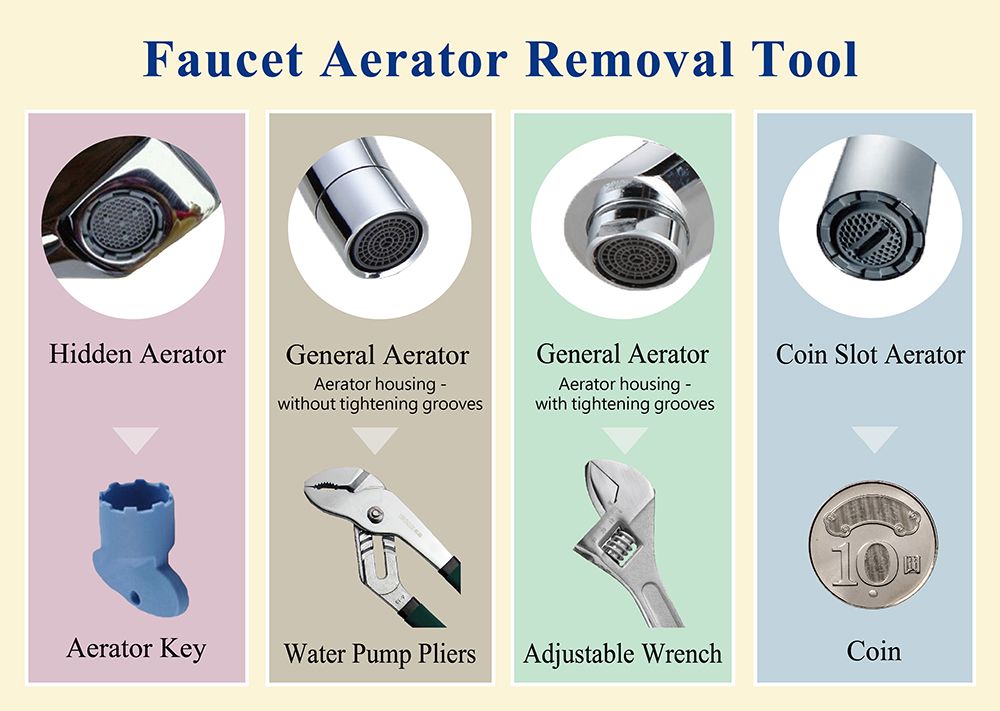
Most aerators can be installed or replaced in minutes with just your hand or a simple tool. They are cheap—usually under $10—making them one of the fastest, easiest ways to cut utility bills.
Drawbacks Of Faucet Aerators
While aerators have many advantages, they are not perfect. Here’s what to watch out for:
1. Clogging And Maintenance
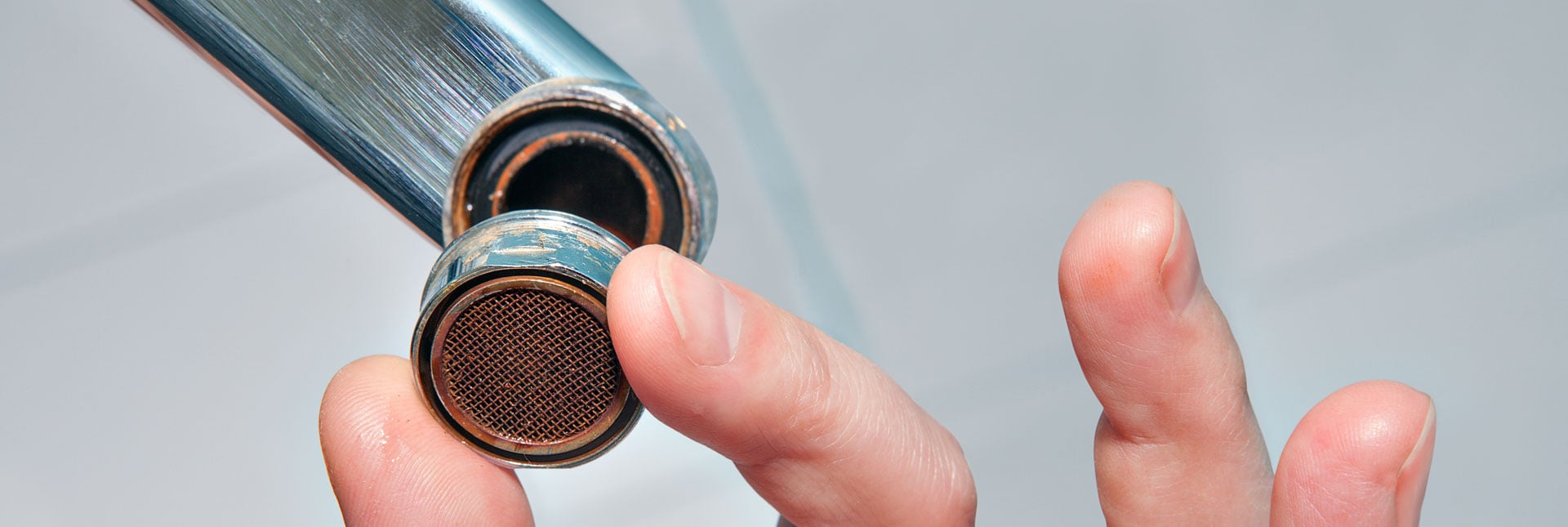
Aerators can clog over time. Minerals, sand, or dirt build up inside, slowing the flow or making the stream uneven. Regular cleaning is needed, especially in areas with hard water.
2. Lower Flow For Some Tasks
If you need to fill a bucket, pot, or tub quickly, an aerator may slow you down. This can be a drawback for washing large items or for tasks that need a strong flow.
3. Not Always Fit For All Faucets
Some specialty faucets, like those for outdoor use, may not work well with an aerator. Also, if your water pressure is already very low, an aerator can make it feel weaker.
4. Sometimes Hides Problems
An aerator can mask issues like rust or sediment in your pipes. If you remove it, you might notice dirt or rusty water that was caught before.
Pros And Cons Of No Aerator
What if you take the aerator off? Here are the main upsides and downsides.
Pros
- Faster filling: You can fill large containers or buckets more quickly.
- Less maintenance: No small parts to clog or clean.
- More forceful stream: Good for blasting away stuck food or dirt.
- Easier to spot water quality issues: No mesh to hide rust or grit.
Cons
- Higher water use: Costs more over time and wastes water.
- More splashing: Makes sinks messier, especially shallow ones.
- No filtering: Grit and debris go straight through.
- Louder: Solid streams can make more noise.
- May not suit all tasks: Hard stream can be uncomfortable for washing hands or delicate items.
Water Usage And Cost Comparison
Let’s see how much difference an aerator makes in real numbers. Here’s an example of water use for a family of four:
| Scenario | Flow Rate (GPM) | Minutes/Day | Gallons/Day | Gallons/Year |
|---|---|---|---|---|
| No Aerator | 2.2 | 20 | 44 | 16,060 |
| With Aerator (1.2 GPM) | 1.2 | 20 | 24 | 8,760 |
With an aerator, you could save over 7,000 gallons per year. At an average cost of $0. 005 per gallon, that’s about $35 per year, not counting energy savings from heating less water.
Credit: www.strongltd.com.tw
When To Use An Aerator
Aerators are best in these situations:
- Everyday washing (hands, dishes, vegetables)
- Homes with high water bills
- Areas with good water pressure
- Sinks where splashing is a problem
- Families who want to reduce their environmental footprint
If you care about saving money or being eco-friendly, keeping the aerator on is the clear winner.
When To Remove The Aerator
There are times when no aerator makes sense:
- Filling large pots, buckets, or tubs quickly
- Cleaning very dirty or gritty items (where a strong stream helps)
- Outdoor faucets used for washing cars or watering plants
- Low pressure situations where every bit of flow helps
- Checking for pipe problems or water quality issues
Some people keep two aerators: one low-flow for regular use, and one with a larger opening for fast filling.
Types Of Faucet Aerators
Not all aerators are the same. Here are the main types and what they offer:
1. Standard Aerators
These are the most common, found on most home faucets. They mix air with water to give a steady, soft stream.
2. Low-flow Aerators
Designed to save even more water, these models use 1. 0 GPM or less. They are popular in green homes and new buildings.
3. Swivel Or Spray Aerators
These aerators can move or change the spray pattern. They are good for cleaning large pans or washing produce.
4. Laminar Flow Devices
Instead of mixing air, these create a solid, clear stream. They are used in hospitals or places where water needs to stay pure, with no air bubbles.
5. Pressure Compensating Aerators
These models give a steady flow, even if water pressure changes. This is useful in tall buildings or older homes.
How To Install And Maintain A Faucet Aerator
Installation is simple:
- Unscrew the old aerator (use pliers if needed, but wrap with a cloth to avoid scratching).
- Clean the threads on the faucet.
- Screw on the new aerator by hand. Do not overtighten.
- Turn on the tap and check for leaks.
For cleaning:
- Soak the aerator in vinegar for 1–2 hours to remove mineral buildup.
- Scrub with a toothbrush if needed.
- Rinse well and reinstall.
Cleaning every 3–6 months keeps water flowing smoothly.
Common Mistakes When Choosing Or Using Aerators
Even simple products can cause trouble if used wrong. Here are some mistakes to avoid:
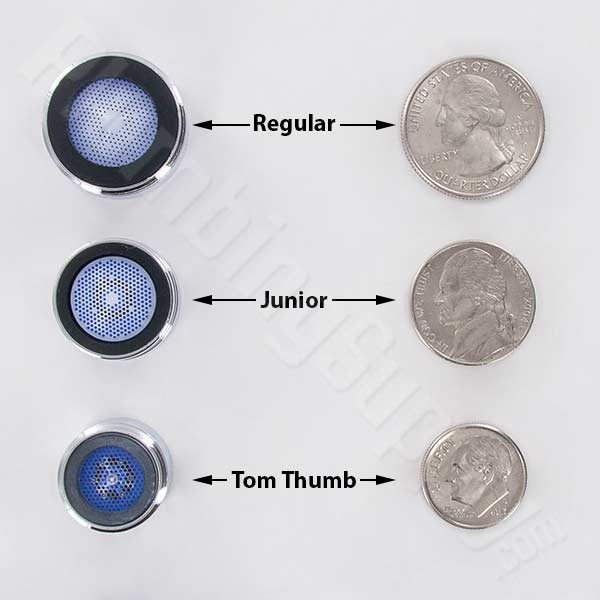
- Choosing the wrong size: Faucets have standard and junior sizes. Check before buying.
- Picking too low a flow: A very low GPM can make tasks slow or frustrating.
- Ignoring clogs: A blocked aerator can reduce flow and cause leaks.
- Overtightening: This can strip threads or crack the aerator.
- Not cleaning regularly: Dirty aerators can harbor bacteria and reduce water quality.
A good fit and proper care mean your aerator will last for years.
Real-life Examples And Insights
Consider this: In New York City, switching all residential faucets to 1.0 GPM aerators could save over 10 billion gallons of water per year, according to city estimates. This is enough to supply a town of 100,000 people for a year.
Another example: Restaurants often remove aerators from kitchen taps to fill pots quickly. However, this can lead to much higher water bills and more splashing, which creates extra cleaning work.
One insight most beginners miss: aerators can catch small debris or metal shavings from inside old pipes. If you see particles in the aerator, you may need to flush your plumbing or call a plumber.
Another non-obvious tip: If your faucet makes a high-pitched whistling sound, the aerator could be clogged or the wrong type for your water pressure. Swapping it for a better match often solves noise issues.
Environmental Impact: Small Change, Big Difference
Every gallon of water saved helps the planet. According to the U. S. Department of Energy, if every American household installed faucet aerators, the country would save over 60 billion gallons of water per year. That’s enough for millions of showers or baths.
Aerators are one of the easiest ways to cut water use without changing your habits. Unlike low-flow showerheads, most people don’t notice a difference in comfort or function.
For those who care about sustainability, using an aerator is a simple but powerful step.
Faucet Aerator Vs No Aerator: Which Is Right For You?
Choosing between a faucet aerator and no aerator depends on your needs. If you want to:
- Save money and water
- Avoid splashing
- Make everyday washing easier
…then an aerator is the best choice.
If you need:
- Fast filling for large containers
- A strong, direct stream for cleaning
- Minimal maintenance
…then removing the aerator may be better for certain taps.
In many homes, the best solution is flexible: use an aerator for daily tasks, but keep a backup without one for special jobs. Some faucets even have quick-change features or adapters to switch between modes.
Credit: www.danco.com
Frequently Asked Questions
What Is The Main Purpose Of A Faucet Aerator?
The main purpose is to save water by mixing air with the stream, making it feel full while using less. It also reduces splashing and can filter out debris.
How Do I Know If My Faucet Has An Aerator?
Most kitchen and bathroom faucets have a small metal or plastic tip with holes or a screen. You can check by unscrewing the tip—if there’s a screen or mesh inside, that’s the aerator.
Can Using No Aerator Damage My Faucet Or Plumbing?
No, using no aerator will not damage your faucet or pipes. However, you may see more splashing, higher water use, and grit passing through. Some older faucets are designed to run without aerators, but most modern ones work best with them.
How Often Should I Clean Or Replace My Aerator?
Clean your aerator every 3–6 months, especially if you have hard water. If it’s damaged or you notice a big drop in water flow, replace it. Most aerators are cheap and easy to swap out.
Where Can I Learn More About Water-saving Devices Like Aerators?
For more details and tips, visit the Wikipedia Faucet Aerator article, which offers in-depth information and practical advice.
Choosing the right setup for your faucet is not just about comfort—it’s about saving water, money, and making your daily routines simpler. Whether you use an aerator or not, knowing your options helps you get the most from every drop.