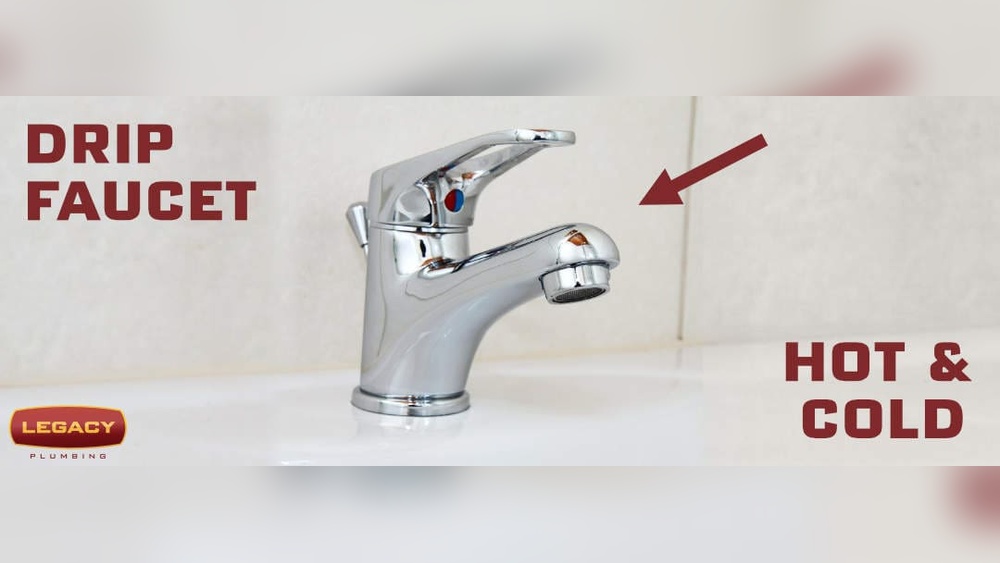
Do You Need to Drip Faucets With Pex? Essential Winter Tips
When winter approaches and temperatures drop, many homeowners worry about frozen pipes. Bursting pipes can cause expensive water damage, so people look for ways to protect their plumbing. For decades, the common advice has been to drip faucets when it’s very cold. But with new materials like PEX piping becoming popular, the rules may be different. Do you really need to drip faucets with PEX, or is this practice outdated? The answer is not as simple as yes or no. Let’s explore how PEX behaves in the cold, compare it to older materials, and see what experts recommend.
Understanding Pex: What Makes It Different?
PEX stands for cross-linked polyethylene. It’s a flexible, plastic piping material used in many modern homes. Unlike traditional copper or PVC, PEX can expand and contract more without cracking. This flexibility is one reason why many plumbers recommend PEX for cold climates.
Key Features Of Pex
- Flexibility: PEX can bend around corners, which means fewer joints and less risk of leaks.
- Freeze resistance: It can stretch up to three times its normal size and return to shape after thawing.
- No corrosion: PEX doesn’t rust like metal pipes.
- Easier installation: The material is lightweight and quick to install, reducing labor costs.
Pex Vs. Copper And Pvc
Let’s look at how PEX compares to other common pipe types, especially when freezing is a risk.
| Pipe Material | Freeze Resistance | Durability | Flexibility | Corrosion |
|---|---|---|---|---|
| PEX | High (can expand) | Very Good | High | No |
| Copper | Low (can burst easily) | Excellent | Low | Yes (over time) |
| PVC | Very Low (brittle in cold) | Fair | Low | No |
This table makes it clear: PEX stands out in cold weather. But does this mean dripping faucets is unnecessary?
Why Pipes Freeze And Burst
Before deciding if you need to drip your PEX faucets, it’s important to understand how and why pipes freeze.
How Freezing Happens
Water expands as it turns into ice. When water inside a pipe freezes, it pushes outwards. Rigid pipes like copper can’t flex, so they split or burst under pressure. The most common places for freezing are:
- Pipes in unheated spaces (attics, crawl spaces, exterior walls)
- Pipes with little insulation
- Pipes exposed to drafts or cold air leaks
Damage From Bursting Pipes
When pipes burst, the damage is often sudden and severe. According to the Insurance Institute for Business & Home Safety, a burst pipe can release up to 250 gallons of water per day. Repairs can cost thousands, not counting the loss of personal property.
Why Dripping Works
Letting water drip from a faucet keeps water moving. Moving water is much less likely to freeze compared to standing water. Even a slow drip can make a difference, especially on the coldest nights.
Pex And Freezing: The Science
PEX is popular for its ability to handle freezing. But there are still limits.
Expansion Properties
PEX can expand up to three times its original diameter without breaking. After the ice melts, it usually returns to normal size. This is why PEX rarely bursts the way copper or PVC does. However, if the freezing is severe or the pipe is under extra pressure, even PEX can fail.
Fittings Are Vulnerable
A common beginner mistake is to only think about the pipe itself. But all PEX systems use fittings—these are connectors, elbows, or joints, usually made of plastic or metal. Fittings do not expand like PEX. If ice forms near a fitting, it can crack. Leaks often start here, not in the pipe body.
Pipe Age And Quality
Older or low-quality PEX is less resilient. Over time, repeated freezing and thawing can weaken both the pipe and fittings. If your PEX system is more than 20 years old, it’s wise to be extra careful.
Do You Really Need To Drip Faucets With Pex?
Let’s answer the main question. If your home uses PEX piping, should you still let faucets drip when it’s cold?
When Dripping Is Necessary
Dripping faucets is still a good idea in some situations, even with PEX:
- Uninsulated Areas: If your PEX runs through an attic, crawl space, or exterior wall with little insulation, dripping is recommended.
- Severe Cold: When temperatures drop below 20°F (-6°C), even PEX can freeze, especially at fittings.
- Extended Cold Spells: If cold weather lasts for days, pipes have more time to freeze solid.
- Vacation or Absence: If you’re away from home and can’t monitor the heat, a dripping faucet adds safety.
- Old or Unknown PEX: If you’re unsure about the age or brand of your PEX, be cautious.
When Dripping Might Not Be Needed
Dripping may not be necessary if:
- Pipes are well-insulated and inside heated areas.
- You live in a mild climate with rare freezes.
- Your home has frost-proof hose bibs and valves.
- The PEX installation is new and meets all local building codes.
Not-so-obvious Insight
Many people don’t realize that PEX pipes running through kitchen or bathroom cabinets along exterior walls are at risk, especially if cabinet doors are closed. Opening cabinet doors on cold nights lets warmer room air reach the pipes. This can be more effective than dripping alone.
:max_bytes(150000):strip_icc()/GettyImages-157561993-8a369c141a6143939a27e674b0e9ea2d.jpg)
Credit: www.southernliving.com
How To Drip Faucets Effectively With Pex
If you decide to drip faucets, a few tips can make the process safer and more effective.
How Much To Drip
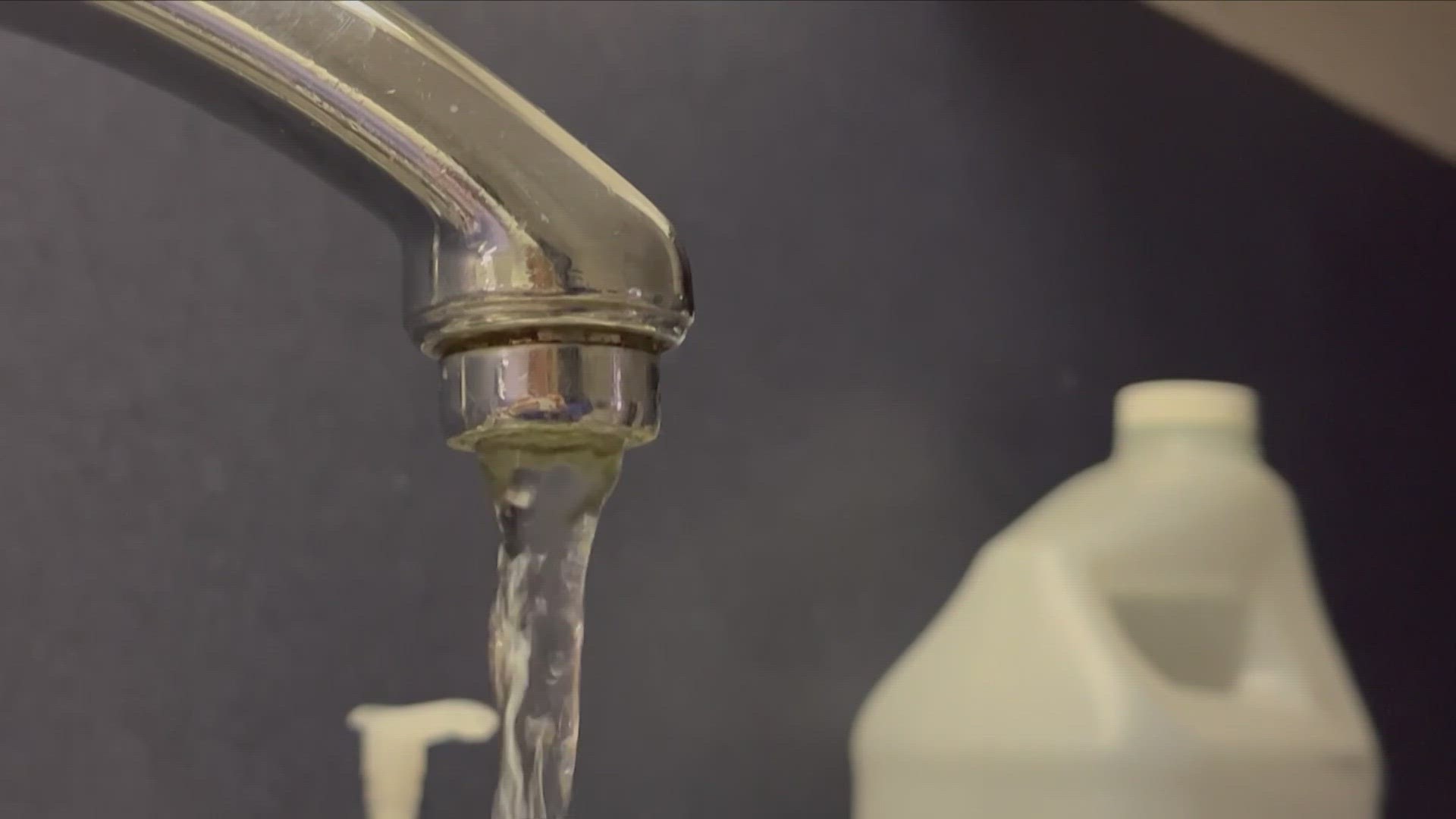
You don’t need a strong flow. A slow, steady drip—about the width of a pencil lead—is enough. This small amount of movement keeps water from freezing.
Which Faucets To Drip
Focus on:
- Faucets furthest from where water enters your home
- Faucets on exterior walls
- All levels if your home has more than one floor
If possible, let both hot and cold water drip. This keeps water moving through both lines.
What About Outdoor Faucets?
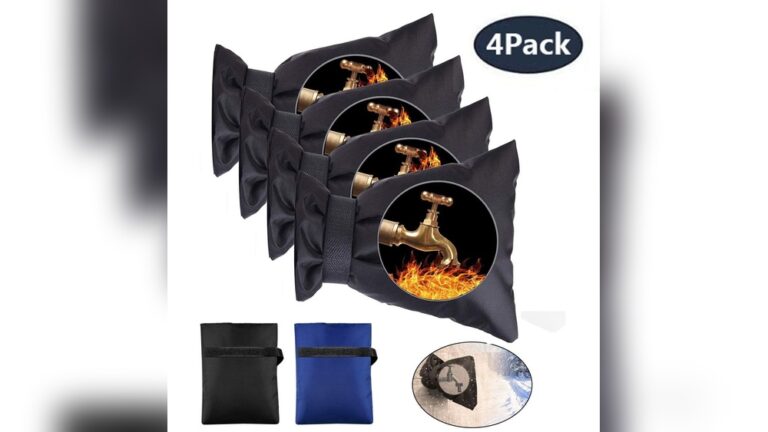
If you have outdoor spigots connected to PEX, it’s best to shut off and drain these lines before winter. Dripping is not recommended for outdoor faucets—draining is safer.
Water Waste Concerns
Some homeowners worry about wasting water. During rare cold spells, the amount used is minor compared to the damage and cost of burst pipes. If water conservation is a concern, catch the dripping water for plants or cleaning.
Additional Ways To Protect Pex Pipes In Cold Weather
Dripping is only one tool for preventing frozen pipes. There are other steps you can take to reduce the risk.
Insulate Pipes
Pipe insulation is cheap and effective. Foam sleeves fit around pipes and keep them warmer. Focus on pipes in:
- Attics
- Crawl spaces
- Basements
- Garages
- Exterior walls
Seal Leaks And Drafts
Cold air can get into your home through small holes and cracks. Seal gaps around pipes, vents, and electrical wiring with caulk or spray foam.
Keep Heat On
Never let your home drop below 55°F (13°C) in the winter, even if you’re away. Open doors between rooms so heat can circulate.
Install Heat Tape
Electric heat tape or heat cables wrap around pipes and keep them warm. Some types have built-in thermostats. Heat tape is especially useful for pipes that are hard to insulate.
Smart Thermostats And Sensors
Install a smart thermostat or freeze alarm. These devices alert you if temperatures drop dangerously low, letting you act before problems start.
Plumbing System Upgrades
If you’re remodeling, ask your plumber to move pipes away from exterior walls or add extra insulation. Modern building codes often require this for new homes.
Credit: www.kcentv.com
Comparing Pex With Other Pipe Materials In Freezing Conditions
To understand how much safer PEX is, let’s compare freeze failures among common pipe types.
| Pipe Material | Typical Failure Temperature | Common Failure Mode | Repair Cost Range |
|---|---|---|---|
| PEX | -20°F to -40°F (-29°C to -40°C) | Fittings may crack, rare pipe rupture | $150 – $500 |
| Copper | Below 32°F (0°C) | Pipes burst, water leaks | $500 – $2,000 |
| PVC | Below 32°F (0°C) | Pipes shatter, major leaks | $500 – $1,500 |
This data shows that PEX is much less likely to fail, but repairs are still possible if fittings break.
Real-world Examples: When Dripping Helped (or Didn’t)
Example 1: Dripping Saved The Day
A homeowner in Minnesota with PEX pipes let their faucets drip during a weeklong cold snap. Despite -15°F temperatures, their pipes did not freeze. Neighbors with copper pipes who did not drip had burst pipes and water damage.
Example 2: Fitting Failure
In Colorado, a family with PEX piping did not drip their faucets, thinking PEX was freeze-proof. After three days below zero, a fitting in their crawl space cracked. The pipe itself was fine, but water leaked when it thawed. Repairs were needed, but the overall damage was less than if a copper pipe had burst.
Example 3: Insulation Makes A Difference
A new home in Vermont was built with PEX pipes, all well-insulated and installed away from exterior walls. The owners did not drip their faucets, and despite many cold winters, they never had a problem.
Common Misconceptions About Pex And Freezing
A few myths persist about PEX and winter weather. Let’s clear them up.
“pex Can’t Freeze”
False. PEX pipes can freeze just like any pipe if exposed to low temperatures. The difference is that they are less likely to burst.
“dripping Isn’t Needed With Pex”
Not always true. In some risky situations (uninsulated spaces, very cold weather), dripping adds an extra layer of safety.
“all Parts Of A Pex System Are Freeze-proof”
Wrong. Fittings and valves are often more brittle than the pipe itself and can break under pressure from freezing.
“pex Will Last Forever, No Matter What”
PEX is durable, but it has limits. Repeated freeze-thaw cycles can weaken both pipes and fittings over many years.
Should You Upgrade To Pex If You Have Older Pipes?
If your home has copper or PVC pipes and you live in a cold climate, upgrading to PEX can reduce the risk of winter pipe bursts. However, it’s not a magic solution. Proper installation, insulation, and winterization are still necessary.
Things To Consider Before Upgrading
- Cost: PEX installation can be less expensive than copper, but it still requires professional work.
- Building Codes: Some areas restrict or regulate PEX use. Check local codes before starting.
- Compatibility: PEX cannot be directly connected to some older pipe materials without special fittings.
For more details about PEX and building codes, you can check the official NFPA website.
The Bottom Line: What Should You Do?
If you have PEX pipes and live in a climate with freezing winters, here are some best practices:
- Drip faucets during extreme cold, especially in uninsulated or exposed areas.
- Insulate pipes wherever possible.
- Seal leaks and keep your home heated.
- Check fittings for signs of wear, especially in older systems.
- Open cabinet doors to let warm air reach pipes along exterior walls.
- Consider smart sensors or alarms for added peace of mind.
Remember, no system is completely freeze-proof. A few simple steps can prevent expensive repairs and water damage. Don’t rely on material alone—think about the whole system and how cold air moves through your home.
Frequently Asked Questions
What Temperature Should I Start Dripping My Pex Faucets?
Most experts recommend letting faucets drip when outside temperatures drop below 20°F (-6°C), especially if pipes are in uninsulated or exposed areas. If your area is known for sudden cold snaps, it’s better to be safe and start earlier.
Is It Enough To Drip Only The Cold Water Side With Pex?
No. For best protection, let both hot and cold water lines drip. This keeps water moving through both sides of your plumbing system, reducing the risk of either pipe freezing.
Can Dripping Faucets Waste A Lot Of Water?
A slow drip uses about 1 gallon per hour. Over a cold night, this is much less water than the thousands of gallons lost from a burst pipe. You can also collect the water in containers for plants or cleaning to reduce waste.
Are Pex Fittings As Freeze-resistant As The Pipes?
No. PEX fittings are usually made of metal or hard plastic. They do not expand as much as the PEX pipe and are more likely to crack if frozen. This is the main weak point in any PEX system.
Do All Plumbers Agree That You Should Drip Pex Faucets In The Winter?
Most plumbers say that dripping is an extra safety step, especially for pipes at risk of freezing. While PEX is more resistant than copper or PVC, no system is completely safe from severe cold. Local plumbing codes and climate should guide your decision.
Taking a few minutes to drip your faucets on the coldest nights may seem simple, but it can save you from big headaches and expensive repairs. With PEX, you have better protection, but it’s still smart to use all the tools available to keep your plumbing safe all winter long.

Credit: www.reddit.com