What Causes Dripping Faucet and How to Fix It Fast
A dripping faucet is more than just a small annoyance. Over time, it can waste gallons of water, increase your bills, and even signal bigger plumbing problems. Many people hear that steady drip, try to tighten the handle, but the leak continues.
Why does this happen? The answer isn’t always simple, and understanding the reasons can save you time, money, and stress.
This article will explore the real causes behind a dripping faucet. We’ll look at the common culprits, explain how faucets work, and guide you to find the root cause in your own home. You’ll also learn about the signs to watch for, and when it’s time to call a plumber.
Let’s dig into the world of faucets and discover why that drip doesn’t always stop with a twist of the handle.
How Faucets Work: The Basics
To understand why faucets drip, it helps to know how they function. Most home faucets use a system of moving parts to control water flow. When you turn the handle, you’re actually opening or closing a valve inside the faucet body.
This valve stops or allows water to pass through.
There are several types of faucets, each with a different internal design:
- Compression faucets: These have separate hot and cold handles. You tighten them to stop water, using a washer that presses against a valve seat.
- Ball faucets: Common in kitchens. They use a metal or plastic ball with holes that align as you move the handle.
- Cartridge faucets: Found in both one- and two-handle designs. They use a cartridge that moves up and down or side to side.
- Ceramic disk faucets: These use two ceramic disks that glide against each other to control flow.
Each type has unique parts that can wear out or break, leading to leaks. But no matter the design, the main job of the faucet is to keep water sealed off until you want it to flow.
The True Cost Of A Dripping Faucet
Before diving into the causes, it’s important to understand why fixing a drip matters. Many people ignore a slow leak, thinking it’s harmless. But the numbers tell a different story.
- A faucet that drips once per second can waste over 3,000 gallons (about 11,300 liters) of water per year.
- This is enough water for more than 180 showers.
- Even a slow leak can add $10 to $30 to your annual water bill.
- If you live in an area with water shortages, every drop counts.
Beyond wasted water and money, a leak can also lead to rust, mold, and damage inside your sink cabinet or walls. Over time, the small drip can turn into a bigger problem.
Credit: www.wmhendersoninc.com
Main Causes Of A Dripping Faucet
Now, let’s explore what really causes a faucet to drip. While the solution may seem simple, the causes are often hidden inside the faucet body. Here are the most common reasons:
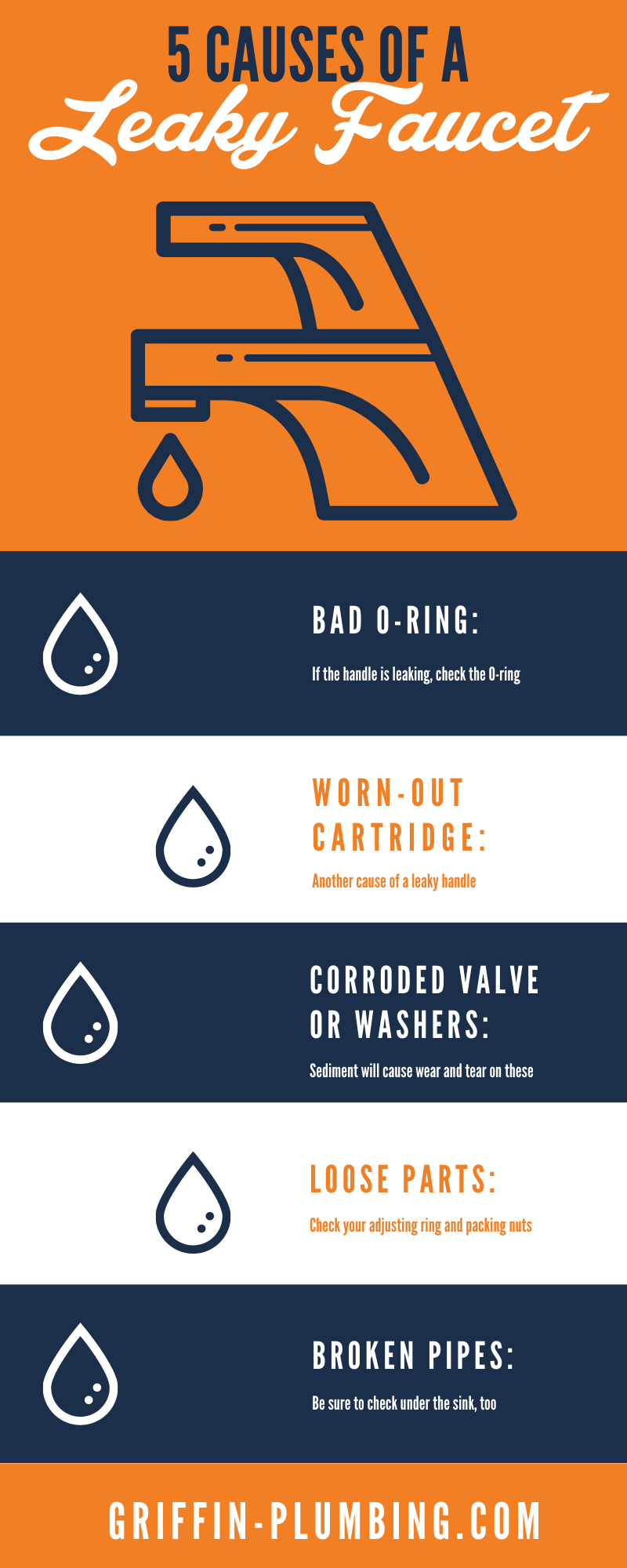
1. Worn Out Washer
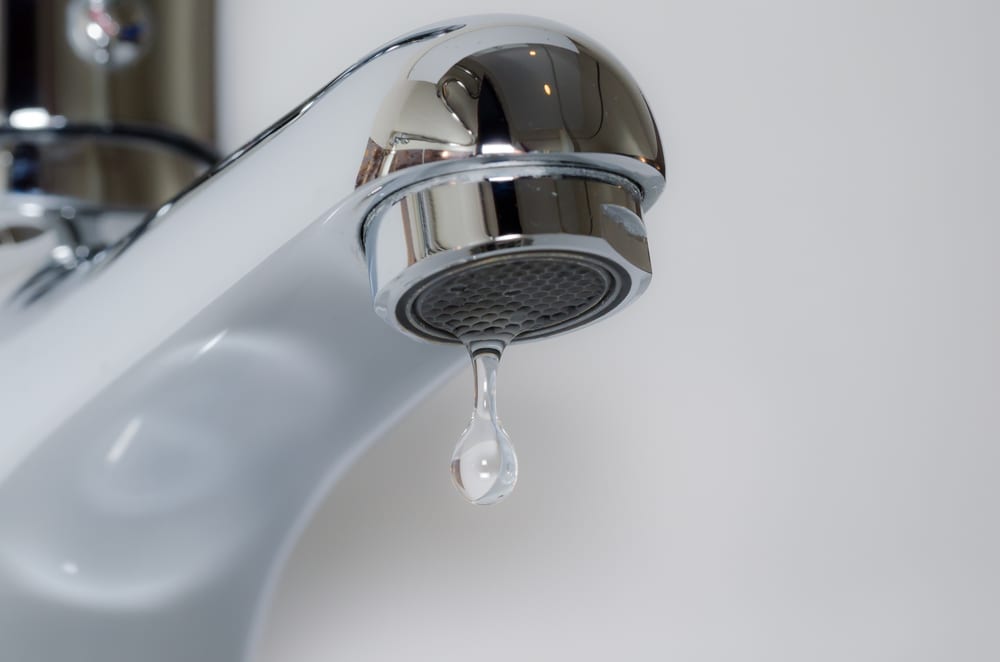
The rubber washer is the most frequent cause of drips in compression faucets. Each time you turn the handle, the washer presses against the valve seat. Over time, this friction wears the washer down.
- Signs: Drip usually stops if you turn the handle extra tight.
- Why it happens: Rubber hardens, cracks, or wears thin.
- Where to check: Inside the faucet stem, at the base.
A worn washer can let water sneak past, creating that steady drip. Replacing the washer is often an easy and low-cost fix.
2. Damaged Cartridge
Cartridge faucets use a plastic or brass cartridge to control water flow. If the cartridge cracks, warps, or the seals inside fail, water can leak out even when the faucet is “off.”
- Signs: Drip comes from the spout or around the handle.
- Why it happens: Normal wear, mineral buildup, or faulty parts.
- Where to check: Inside the faucet body, remove the handle to access.
Cartridges can be replaced, but it’s important to buy the right size and type for your faucet brand.
3. Corroded Valve Seat
The valve seat is the metal part that connects the faucet to the spout. Water minerals and debris can cause it to corrode or pit, creating a rough surface. This stops the washer from sealing tightly.
- Signs: Drip continues even with a new washer.
- Why it happens: Hard water, age, lack of cleaning.
- Where to check: Between the spout and the faucet body.
Valve seat damage often needs professional repair or special tools.
4. Worn O-ring
The O-ring is a small rubber ring that seals parts inside the faucet, especially around the handle. If it cracks or slips out of place, water can leak around the base or from the spout.
- Signs: Water collects at the faucet base or under the handle.
- Why it happens: Age, heat, chemical cleaners.
- Where to check: Under the handle or at the base of the spout.
Replacing an O-ring is inexpensive and can stop many leaks.
5. Loose Or Broken Parts
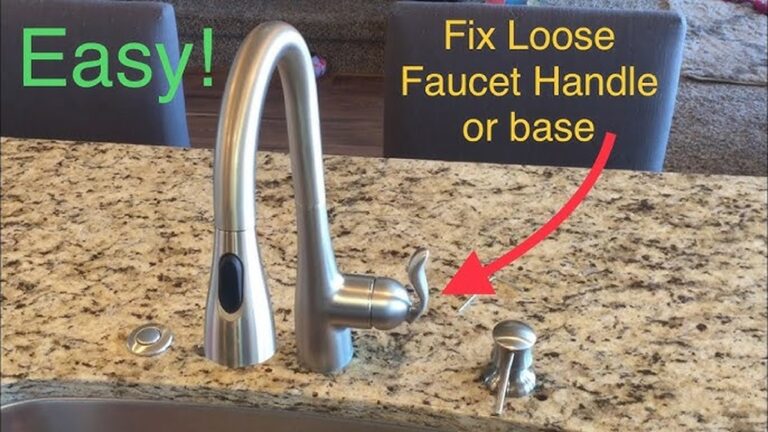
Over time, the screws, nuts, and other fasteners inside your faucet can loosen. This creates small gaps where water escapes.
- Signs: Handle feels wobbly or squeaky.
- Why it happens: Regular use, vibrations, poor installation.
- Where to check: Inside the handle assembly or under the sink.
Tightening or replacing hardware often solves the problem.
6. High Water Pressure
Sometimes, the problem isn’t the faucet itself. If your home’s water pressure is too high, it can force water past the faucet’s seals, even when it’s closed.
- Signs: Drip stops and starts at different times, or only at night.
- Why it happens: Local water supply changes, faulty pressure regulator.
- Where to check: Get a plumber to test your pressure.
High pressure can also damage other appliances, so it’s important to check if you suspect this issue.
7. Mineral Deposits
Hard water contains minerals like calcium and magnesium. These can build up inside your faucet, preventing parts from sealing properly.
- Signs: White or green crust on faucet parts, hard-to-turn handle.
- Why it happens: Local water quality, lack of maintenance.
- Where to check: On cartridges, aerators, and valve seats.
Soaking parts in vinegar or using a water softener can help prevent future leaks.
8. Faulty Installation
If your faucet was not installed correctly, even new parts can fail to seal. Misaligned washers, crooked cartridges, or loose fittings all lead to leaks.
- Signs: Drip starts soon after installation or repair.
- Why it happens: DIY mistakes, rushed plumbers, wrong parts.
- Where to check: Review installation steps or instructions.
Sometimes, reinstalling or double-checking the assembly is enough.
9. Cracked Plumbing
Rarely, a leak may come from a cracked pipe or fitting under the sink, not the faucet itself. This can cause water to appear around the base or in the cabinet.
- Signs: Water under the sink, musty smells, mold.
- Why it happens: Freezing, age, physical damage.
- Where to check: Inspect pipes under and behind the sink.
If you suspect a hidden crack, call a plumber to avoid bigger water damage.
Comparing Faucet Types And Common Leak Issues
Different faucet designs have their own weak points. Here’s a quick comparison of how often each type is likely to drip, and the most common reason:
| Faucet Type | Common Leak Location | Top Cause | Repair Difficulty |
|---|---|---|---|
| Compression | Spout | Worn Washer | Easy |
| Ball | Handle/Spout | O-Ring/Seals | Medium |
| Cartridge | Spout | Damaged Cartridge | Medium |
| Ceramic Disk | Spout/Base | Seal Failure | Medium |
Credit: griffin-plumbing.com
How To Diagnose A Dripping Faucet
Finding the real cause of a leak can be a process of elimination. Here’s how to check step by step:
- Turn off the water supply under the sink.
- Remove the handle and check for loose screws or worn O-rings.
- Inspect the cartridge or washer for cracks, wear, or mineral buildup.
- Look at the valve seat for corrosion or rough spots.
- Check the water pressure if the leak comes and goes.
- Turn the water back on and test after each step.
If you’re not sure what type of faucet you have, search for a brand or model number under the sink or on the handle.
When A Drip Is Not The Faucet
Sometimes, what looks like a faucet drip is actually caused by another problem. Here are a few less obvious issues:
- Leaking shut-off valves under the sink can drip and pool water near the faucet.
- Condensation can form on cold pipes and drip down, especially in humid climates.
- Loose supply hoses can spray water that appears at the faucet base.
Always check the area under your sink for moisture or water stains.
The Role Of Water Quality
Many people overlook the impact of water quality on faucet leaks. Hard water (high in minerals) is a major cause of buildup and corrosion. Over time, this wears out washers, cartridges, and valve seats faster than normal.
- Areas with hard water, like the Midwest and Southwest US, see more frequent faucet leaks.
- Using a water softener can extend the life of your faucet parts.
- Regular cleaning (every 3–6 months) with vinegar helps remove mineral deposits.
If you notice white or green stains on your faucet, you likely have hard water.
Signs You Need To Replace, Not Repair
Sometimes, fixing a drip is not enough. Here are signs you may need a new faucet:
- Frequent leaks even after new parts
- Corrosion or rust on the faucet body
- Difficulty turning handles
- Old age (more than 10–15 years)
- Visible cracks or damage
Newer faucets are more water-efficient and may save money in the long run.
Credit: www.homedepot.com
Faucet Maintenance Tips
To avoid future leaks, regular care is important. Here are some practical tips:
- Clean aerators and cartridges every 6 months.
- Check for leaks at least once a year.
- Use gentle cleaners—avoid harsh chemicals that eat rubber and plastic.
- Turn handles gently to prevent wear.
- Address drips early to avoid bigger repairs.
Simple habits can add years to your faucet’s life.
Common Mistakes People Make
When fixing a faucet drip, beginners often make these errors:
- Using the wrong size washer or cartridge. Always match your model.
- Over-tightening handles, which can damage parts.
- Not turning off the water supply before repair.
- Ignoring mineral buildup that causes repeat leaks.
- Forgetting to check O-rings and seals.
Taking your old part to the hardware store helps ensure a perfect match.
Professional Help Vs. Diy
Many drips are easy DIY fixes, especially if you have basic tools and patience. But when should you call a plumber?
- If you can’t identify the faucet type
- If the valve seat is damaged
- For persistent leaks after repair
- If you see water damage under the sink
Professional repairs can prevent future problems and protect your home from bigger leaks.
Real-world Examples And Data
To show just how common faucet leaks are, consider these findings:
- The U.S. Environmental Protection Agency (EPA) reports that household leaks can waste nearly 1 trillion gallons of water nationwide each year.
- In one city study, over 10% of homes had a leaking faucet or showerhead.
- Replacing a single washer can reduce water use by up to 10% for some homes.
These numbers show why it’s worth fixing that small drip now.
Comparing Repair Costs And Water Wasted
Let’s see how repair costs compare to the cost of wasted water:
| Drip Rate | Water Wasted (Year) | Extra Water Bill | Typical Repair Cost |
|---|---|---|---|
| 1 drip/sec | 3,000 gal | $20–$30 | $2–$10 (DIY) |
| 2 drips/sec | 6,000 gal | $40–$60 | $2–$10 (DIY) |
| Major leak | 20,000+ gal | $100–$300 | $75–$200 (pro) |
Even a simple repair pays for itself quickly.
Environmental Impact Of Faucet Leaks
Faucet leaks are not just a cost problem—they matter for the environment, too.
- Wasted water increases the demand on local supplies.
- Water treatment and delivery use energy, so leaks raise your carbon footprint.
- In drought-prone areas, every gallon saved counts.
Fixing leaks is a simple way to help conserve resources.
Preventing Dripping Faucets In New Homes
If you’re moving into a new home, here’s how to avoid leaks from the start:
- Choose high-quality faucets with ceramic disk or brass parts.
- Install a water pressure regulator if your supply is strong.
- Ask for a water quality test before moving in.
- Schedule a plumbing inspection every 2–3 years.
Investing a little up front saves hassle later.
Advanced Causes And Rare Issues
There are a few less common causes that even experienced homeowners may overlook:
- Thermal expansion: Hot water can expand pipes and force water past seals.
- Backflow issues: Plumbing cross-connections can make water appear at the faucet.
- Hidden leaks: Water can travel along pipes and appear to “drip” from the faucet.
If you’ve checked all the basics and still have a leak, call a licensed plumber.
Faucet Brands And Leak Rates
Some brands are known for better durability. According to consumer surveys:
| Brand | Leak Reports (5 Years) | Average Lifespan |
|---|---|---|
| Moen | Low | 15+ years |
| Delta | Low-Medium | 12–15 years |
| Kohler | Low | 15+ years |
| Generic/No-name | High | 5–8 years |
Buying a known brand can reduce the chance of early leaks.
Non-obvious Insights
Many beginners miss these facts:
- A faucet can drip from multiple places at once (spout, handle, base), not just the spout.
- High water pressure can cause leaks only at night due to city supply changes, making diagnosis tricky.
Checking your faucet at different times of day can reveal hidden problems.
Actionable Steps For Homeowners
If you have a dripping faucet, here’s what to do:
- Identify the faucet type.
- Turn off the water supply.
- Disassemble and inspect for worn parts.
- Replace washers, O-rings, or cartridges as needed.
- Check for mineral buildup and clean parts.
- Reassemble and test.
- If the leak continues, call a professional.
Being proactive stops the drip before it becomes a flood.
Frequently Asked Questions
Why Does My Faucet Drip After I Turn It Off?
Most likely, a worn washer, faulty cartridge, or loose O-ring is letting water slip past the seal. Sometimes, high water pressure or mineral deposits also cause drips after shutting off the faucet.
Can A Dripping Faucet Increase My Water Bill?
Yes. Even a slow drip can waste over 3,000 gallons per year, adding $20 or more to your annual bill. Larger leaks can cost hundreds if left unchecked.
Is It Safe To Fix A Leaking Faucet Myself?
For most simple leaks (like a worn washer or cartridge), DIY repair is safe if you turn off the water supply first. For more complex issues, or if you’re unsure, it’s best to call a licensed plumber.
How Do I Know If Hard Water Is Causing The Leak?
If you see white or green buildup on your faucet or it’s hard to turn, you likely have hard water. Hard water speeds up wear on faucet parts, making leaks more common.
Where Can I Learn More About Water Conservation And Leaks?
A good place to start is the EPA WaterSense Program, which has tips and resources for homeowners.
A dripping faucet is a small problem that, left alone, grows into a big one. By understanding the real causes, you can fix leaks quickly and prevent future trouble. Whether you tackle repairs yourself or call a pro, taking action saves water, money, and the environment.
Don’t let that drip become part of your daily routine—solve it, and enjoy a quieter, more efficient home.