Widespread Faucet Vs Standard: Which Is Best for Your Bathroom?
Many people overlook the importance of choosing the right faucet when designing a bathroom or kitchen. But the faucet style you select—widespread or standard—can change both the look and function of your space. The right choice makes daily routines smoother, adds visual appeal, and even affects installation and maintenance costs. Homeowners, interior designers, and even DIY enthusiasts often ask: which one is better for my needs? This article dives deep into the differences between widespread and standard faucets, explaining how each works, their pros and cons, and what factors matter most when choosing between them. Whether you’re remodeling, building new, or simply replacing an old fixture, you’ll find answers, practical advice, and expert insights here.
What Is A Standard Faucet?
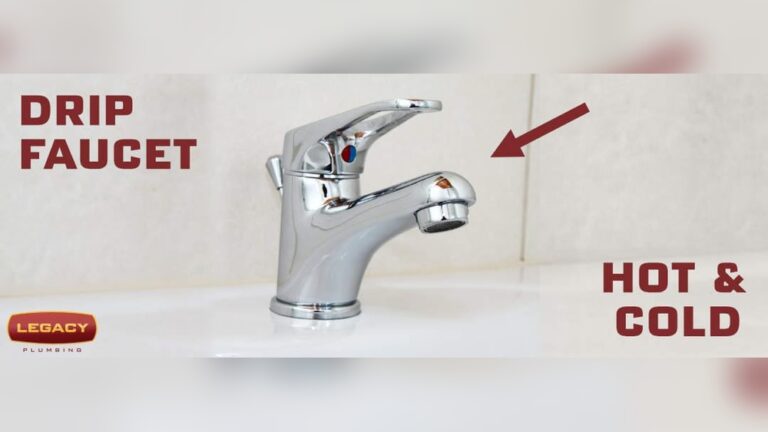
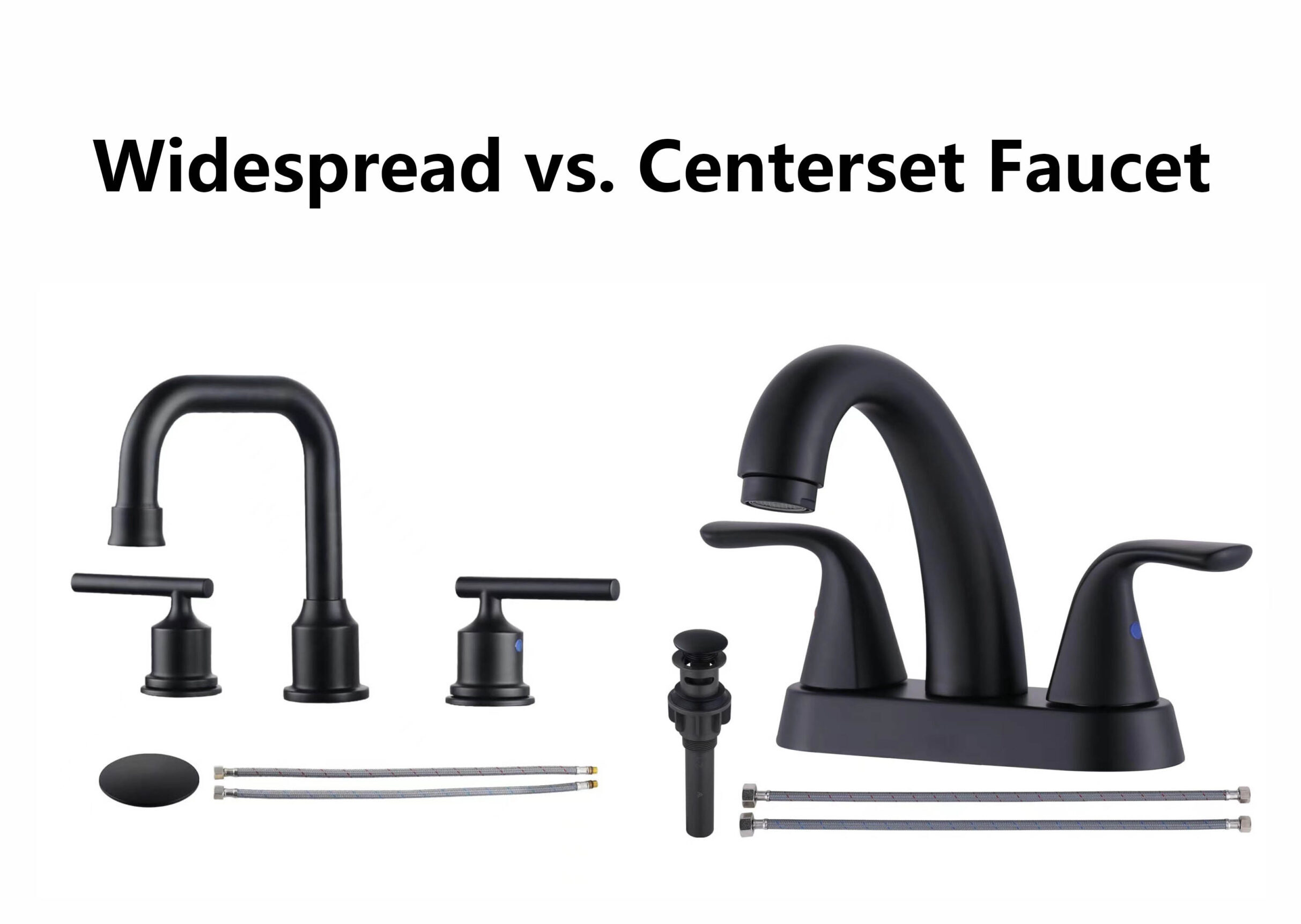
A standard faucet is what most people picture when they think of a sink. In bathrooms and kitchens, these are usually single-handle or centerset models. The spout and controls are part of one unit or set very close together—typically 4 inches apart. This design is common in apartments, rental homes, and many builder-grade properties.
Standard faucets are easy to find and fit most pre-drilled sinks. They’re simple to install, making them a favorite for quick updates or budget renovations. The controls for hot and cold water are easy to reach, and the compact size works well in smaller spaces.
However, standard faucets can feel limited in style and function. If you’re looking for a modern or luxury feel, you may find fewer choices. They also offer less flexibility in terms of placement and sink compatibility.
What Is A Widespread Faucet?
A widespread faucet has separate pieces for the spout and each handle. The handles and spout are not connected, and the holes can be spaced from 6 to 16 inches apart. This design offers a more custom, elegant look, and is common in higher-end bathrooms or designer kitchens.
Widespread faucets allow for a variety of sink shapes and sizes. You can position the handles and spout exactly where you want, which gives a more personalized setup. The visual effect is often more dramatic, making widespread faucets a favorite in luxury remodels.
Installation is more complex because you need three separate holes in the sink or counter. Widespread faucets can also cost more, not only to purchase but to install. But the payoff is a truly custom look and feel.
Key Differences Between Widespread And Standard Faucets
Understanding the practical distinctions helps you make the right choice. Here’s a side-by-side comparison:
| Feature | Standard Faucet | Widespread Faucet |
|---|---|---|
| Handle & Spout Placement | Handles & spout in one unit or close together (4 inches apart) | Handles & spout are separate (6–16 inches apart) |
| Typical Use | Smaller bathrooms, kitchens, rental units | Luxury bathrooms, custom kitchens |
| Installation | Simple, fits most sinks | More complex, may require new holes |
| Style Variety | Limited | Wide range, more designer options |
| Cost | Lower purchase & installation cost | Higher purchase & installation cost |
Pros And Cons Of Standard Faucets
Choosing a standard faucet offers several advantages, but there are also drawbacks. Here’s a closer look:
Pros
- Easy Installation: Most sinks are already set up for standard faucets, so you can usually swap them out in minutes.
- Affordable: Both the product and the labor costs are low.
- Space-Saving: Works well in tight spaces—perfect for powder rooms and small bathrooms.
- Accessible Controls: Everything is within easy reach.
Cons
- Limited Style Choices: Fewer designs and finishes, which may not suit modern or luxury tastes.
- Less Customization: You can’t adjust the handle or spout placement.
- Basic Appearance: May look plain in high-end settings.
Many homeowners choose standard faucets for guest bathrooms, children’s bathrooms, or rental properties where cost and ease matter most.
Pros And Cons Of Widespread Faucets
Widespread faucets bring style and flexibility, but they’re not for everyone. Consider these points:
Pros
- Stylish Look: The separate handles and spout give a more refined, upscale appearance.
- Customizable Layout: You can adjust the spacing to fit your sink and personal preference.
- Easier Cleaning: More space between parts makes it easier to clean around the faucet.
- Wide Range of Designs: More choices in finishes, shapes, and handle types.
Cons
- Higher Cost: Both the faucet itself and installation can be expensive.
- Complex Installation: Requires three holes, which may need to be drilled into stone or ceramic—sometimes by a professional.
- More Space Required: Not ideal for small sinks or countertops.
Widespread faucets are usually chosen for master bathrooms, high-end powder rooms, or kitchens where design is a top priority.
Design And Aesthetic Impact
The faucet style you choose affects the entire look of your bathroom or kitchen. Standard faucets tend to blend in, making them a safe choice for simple or minimalist spaces. Their compact shape means they don’t draw much attention.
Widespread faucets, on the other hand, become a design feature. The separation between handles and spout adds a sense of luxury and space. This style pairs well with vessel sinks, marble counters, and other high-end features. If you want your faucet to be a focal point, widespread is the way to go.
One non-obvious insight: the finish (chrome, brushed nickel, matte black) often looks richer on widespread faucets because the separate components catch light differently. Designers sometimes use this to create a “layered” effect on the counter.
Installation: Diy Or Professional?
How you install your faucet depends on the type you choose.
Standard faucets are a popular DIY project. Most people with basic tools can handle the job in under an hour, especially if they’re replacing an existing faucet with the same style. The connections are simple, and there’s less risk of leaks because everything fits tightly together.
Widespread faucets often require a professional, especially if your sink or countertop doesn’t already have the right holes. Drilling new holes in stone or ceramic can crack the surface if done incorrectly. Each component must be aligned perfectly, which takes patience and skill.
Here’s a quick comparison of installation complexity:
| Faucet Type | DIY Difficulty | Time Required | Tools Needed |
|---|---|---|---|
| Standard | Low | 30–60 minutes | Wrench, plumber’s tape |
| Widespread | Medium–High | 1–2 hours | Wrench, drill (if new holes), measuring tape |
A common mistake is assuming widespread faucets fit any sink. Always check the sink’s hole pattern before buying. Some sinks are made only for standard or only for widespread models.
Price Range And Value
Budget is often a key factor. Here’s what you need to know:
- Standard faucets: Prices start around $30 for basic models. Most good-quality options for home bathrooms cost $50–$150. Installation, if done by a plumber, adds $50–$100.
- Widespread faucets: Entry-level models start near $80, but most range from $120 to $500 or more. Designer brands can cost $1,000+. Installation may cost $100–$250, especially if drilling is required.
But price isn’t the only measure of value. Widespread faucets often last longer and boost home resale value because of their appeal. Standard faucets, while less expensive, can be replaced more easily if styles change.
Many people don’t realize that widespread faucets are less likely to need full replacement if one part fails. You can often swap out a single handle or the spout without changing the whole unit. This can save money and reduce waste over time.
Credit: www.arcorafaucet.com
Durability And Maintenance
Both faucet types are durable if made by a reputable brand and installed correctly. The main differences come down to cleaning and maintenance.
- Standard faucets: Fewer parts mean fewer potential leaks. However, the tight space around the base can trap grime, making cleaning harder.
- Widespread faucets: More parts mean more places for leaks, but the gaps between the handles and spout make it easier to clean the counter.
Maintenance for both types usually involves replacing washers or cartridges when leaks develop. Premium widespread faucets often use ceramic disc cartridges, which last longer and rarely drip.
A practical tip: choose faucets with a spot-resistant finish if you want to reduce water marks and fingerprints, especially in busy bathrooms.
Compatibility With Sinks And Countertops
Not all faucets fit all sinks. Here’s what to consider:
- Standard faucets fit sinks with one or three holes, spaced 4 inches apart.
- Widespread faucets need three holes, spaced 6–16 inches apart.
Vessel sinks, farmhouse sinks, and undermount sinks all have different requirements. Measure the space and check manufacturer specifications before buying.
If you’re replacing a faucet and don’t want to drill new holes, you must stick to the same style. If you’re buying a new sink or counter, you have more freedom. Some sinks come “pre-drilled” for one style only. Double-check before ordering, as changing your mind later can mean extra cost and delay.
Water Efficiency And Flow Rate
Modern faucets must meet water efficiency standards. In the U.S., the maximum flow rate for bathroom faucets is 1.2–1.5 gallons per minute (gpm). Kitchen faucets can go up to 2.2 gpm.
Both standard and widespread faucets can be equally efficient, depending on the model. Look for the WaterSense label, which means the faucet meets EPA standards for water savings.
But here’s an insight: widespread faucets sometimes have more space between the spout and the basin, which can cause more splashing if the water flow is strong. Choosing a faucet with an aerator helps prevent this.
When To Choose A Standard Faucet
Choose a standard faucet if:
- You have limited counter space.
- You want a quick, budget-friendly upgrade.
- Your sink is pre-drilled for a 4-inch centerset faucet.
- You’re updating a rental or guest bathroom.
A standard faucet is also a smart choice if you plan to change styles often, since replacement is fast and affordable.
Credit: bostingner.com
When To Choose A Widespread Faucet
Pick a widespread faucet if:
- You want a luxury or designer look.
- Your sink or counter has enough space for 6–16 inch spacing.
- You’re remodeling a master bathroom or high-end kitchen.
- You want more control over handle placement and style.
Widespread faucets also make sense if you want to future-proof your bathroom—since they’re less likely to go out of style and offer more flexibility for upgrades.
Style, Finish, And Handle Options
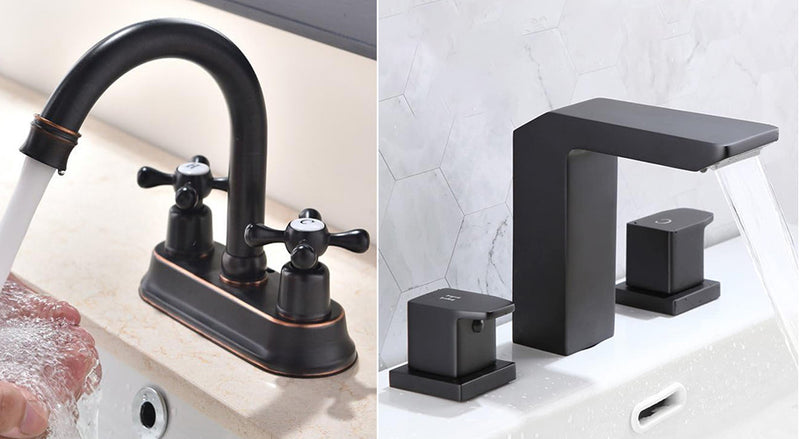
Both faucet types come in many finishes, including chrome, brushed nickel, oil-rubbed bronze, and matte black. But widespread faucets usually have more designer choices and handle types—cross handles, levers, and even touchless controls.
Standard faucets tend to stick to single-lever or two-handle designs. Widespread faucets let you mix and match, which is ideal for custom or themed bathrooms.
One detail beginners often overlook: the feel of the handles. Widespread faucets often have heavier, smoother-turning handles, which add to the feeling of quality.

Credit: bostingner.com
Common Mistakes To Avoid
- Not measuring sink holes before buying: Many returns happen because the faucet doesn’t fit.
- Ignoring installation costs: Widespread faucets can be much more expensive to install.
- Choosing style over practicality: A large widespread faucet can overwhelm a small sink.
- Forgetting about cleaning: More parts mean more places for dirt, but also more space for easy cleaning.
- Not checking water pressure: Some designer widespread faucets need higher water pressure to work well.
Think carefully about your space, needs, and budget before making a final choice.
Real-life Examples
A family with a busy household chose standard faucets for the kids’ bathroom—quick to install, easy to clean, and affordable to replace. In their master suite, they picked a widespread faucet with cross handles and a brushed gold finish. The result: a practical solution for everyday use, and a touch of luxury where it matters most.
In a city apartment, a standard faucet saved counter space and kept the look simple. In a suburban new build, widespread faucets became a selling point, with buyers commenting on the “hotel bathroom” feel.
Environmental Impact
Both faucet types can be eco-friendly if you choose models with water-saving features. Some widespread faucets have advanced aerators or flow restrictors, which cut water use by up to 30%. Standard faucets can also save water, but older models may not meet current standards.
If sustainability is important to you, check the manufacturer’s specs. Look for certifications like WaterSense or LEED compliance.
Latest Trends
Touchless and motion-sensor faucets are becoming popular for both types, especially in kitchens. Matte black and champagne bronze finishes are in style for widespread faucets, while brushed nickel remains a favorite for standard models.
Smart faucets that measure and control water usage are also emerging, especially in the widespread category. These can be connected to apps for monitoring and adjusting flow, adding convenience and saving water.
For more information on faucet standards and regulations, visit the EPA WaterSense Program.
Frequently Asked Questions
What Is The Main Difference Between A Widespread And Standard Faucet?
The main difference is handle and spout placement. Standard faucets have handles and spout combined or close together (usually 4 inches apart), while widespread faucets have separate handles and a spout (6–16 inches apart), giving more design flexibility.
Can I Replace A Standard Faucet With A Widespread Faucet?
Only if your sink or countertop has the right number and spacing of holes. Widespread faucets require three separate holes, spaced farther apart. If your sink only has one or three holes close together, you’ll need to drill new holes or replace the sink.
Which Faucet Type Is Easier To Clean?
Widespread faucets are usually easier to clean around because there’s more space between the handles and spout. However, they have more parts that can collect dust or water spots, so regular cleaning is needed.
Is There A Difference In Water Flow Or Pressure?
Both types can have similar flow rates, especially if they meet modern efficiency standards. However, widespread faucets sometimes splash more due to wider spacing. Choose a model with an aerator to reduce splashing.
Are Widespread Faucets Worth The Extra Cost?
If you want a luxury look, more design choices, and the ability to customize your setup, a widespread faucet can be worth the investment. For basic needs or small bathrooms, a standard faucet is usually more practical and budget-friendly.
Choosing between a widespread and standard faucet is about more than just looks—it’s about how you use your space, your budget, and the overall feel you want in your kitchen or bathroom. Take measurements, consider your needs, and don’t be afraid to ask a professional for advice.
The right faucet will serve you well for years to come.