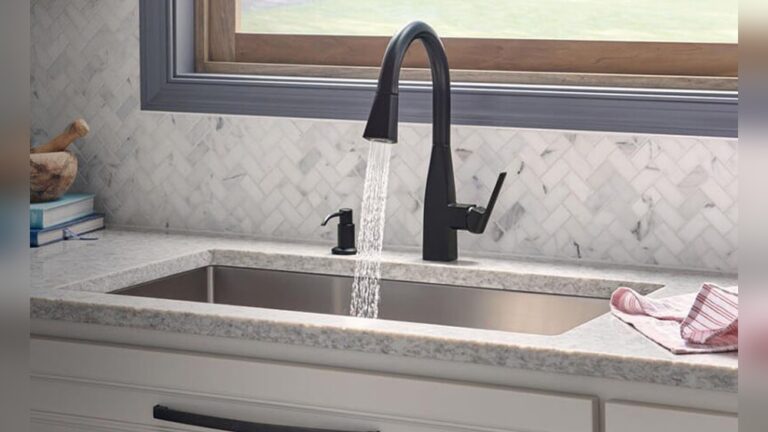
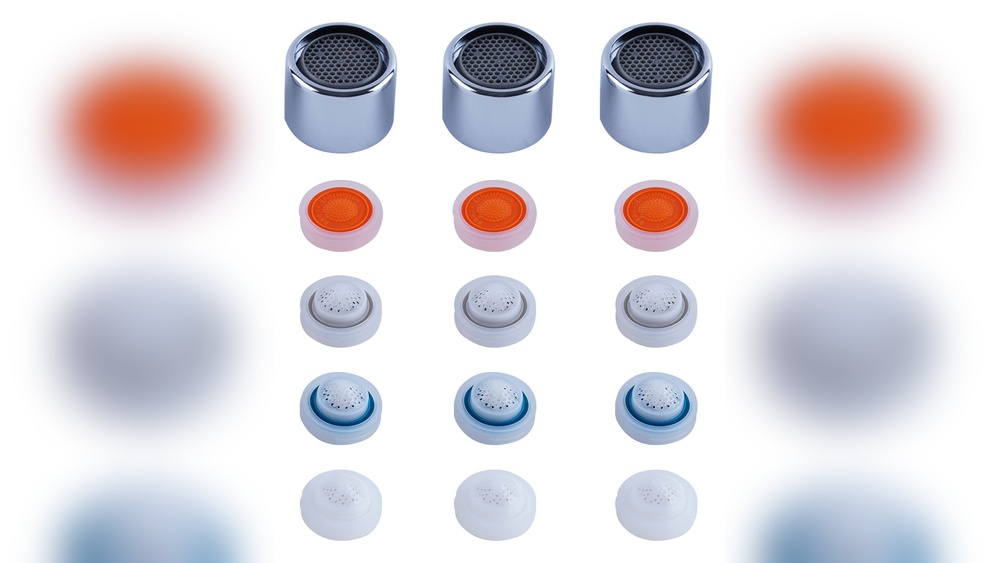
1.5 Gpm Vs 1.8 Gpm Kitchen Faucet: Ultimate Flow Rate Showdown
Choosing the right kitchen faucet can make a big difference in your daily routine. You might wonder whether a 1.5 GPM or 1.8 GPM kitchen faucet is better for your home.
Which one gives you the right balance between saving water and getting the job done quickly? If you want to avoid wasting water but still fill pots and wash dishes without frustration, understanding these flow rates is key. Keep reading, because by the end of this article, you’ll know exactly which faucet flow rate fits your lifestyle and helps you save both time and money.

Credit: www.nrgideas.com
Flow Rate Basics
Understanding the flow rate of a kitchen faucet helps you choose the right one. Flow rate affects water use and how fast you fill pots or wash dishes. Let’s explore the basics of flow rate and what numbers like 1.5 GPM or 1.8 GPM really mean.
Knowing these basics makes it easier to pick a faucet that fits your needs. It also helps reduce water waste and save money on bills.
What Gpm Means
GPM stands for gallons per minute. It measures how much water flows from the faucet each minute. A higher GPM means more water comes out faster. A lower GPM means water flows slower but uses less water overall.
For kitchen faucets, GPM shows the balance between water use and performance. It helps you understand water pressure and speed for everyday tasks.
Typical Kitchen Faucet Rates
Most kitchen faucets have flow rates between 1.5 and 1.8 GPM. A 1.5 GPM faucet saves more water but may fill pots slower. It suits those who want to reduce water use.
A 1.8 GPM faucet offers stronger water flow. It fills large pots faster and rinses dishes more quickly. Many kitchens prefer this rate for better performance.
Choosing between 1.5 and 1.8 GPM depends on your water-saving goals and how you use your kitchen faucet.
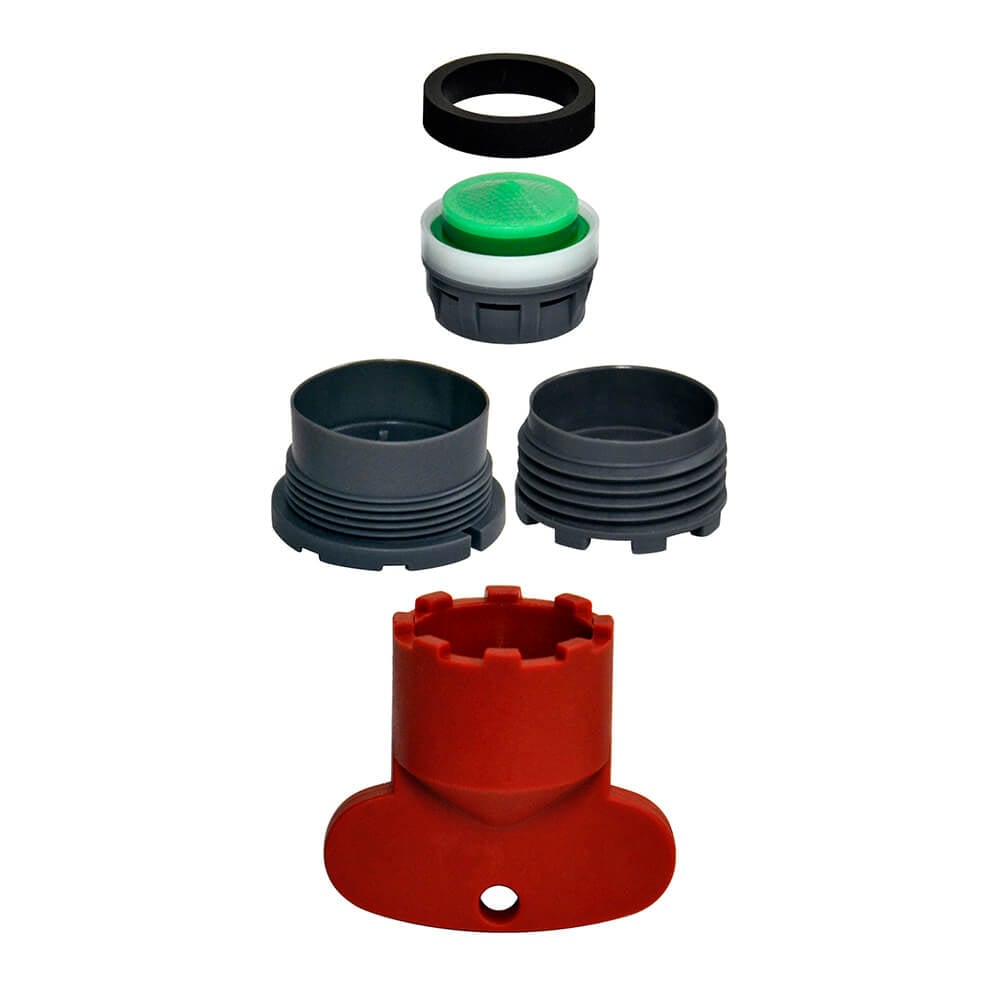
Credit: www.danco.com
Features Of 1.5 Gpm Faucets
The performance differences between a 1.5 GPM and 1.8 GPM kitchen faucet are clear in daily use. GPM stands for gallons per minute, which measures water flow speed. Even a small change in GPM affects how fast water comes out. This impacts tasks like filling containers and cleaning. Understanding these differences helps choose the right faucet for your kitchen needs.
Speed In Filling Containers
A 1.8 GPM faucet fills containers faster than a 1.5 GPM one. This means less waiting for pots, pitchers, or large bowls to fill. For example, filling a 2-gallon pot takes about 1 minute and 7 seconds with 1.8 GPM. The same pot takes 1 minute and 20 seconds with 1.5 GPM. The difference seems small but adds up during busy kitchen work.
Faster filling also saves time during cooking or beverage prep. A higher flow rate faucet helps when you need water quickly. However, the 1.5 GPM faucet uses less water overall, which may suit homes aiming to save water.
Effect On Cleaning Tasks
Cleaning dishes and rinsing vegetables feel different with each flow rate. The 1.8 GPM faucet provides stronger water pressure. This helps remove food scraps and soap faster. Sprays from the faucet cover more area, making rinsing easier.
The 1.5 GPM faucet has gentler water flow. It uses less water but may need more rinsing time. Some users find it less effective on stubborn dirt. Still, it performs well for light cleaning tasks. Choosing between the two depends on how often and how hard you clean.
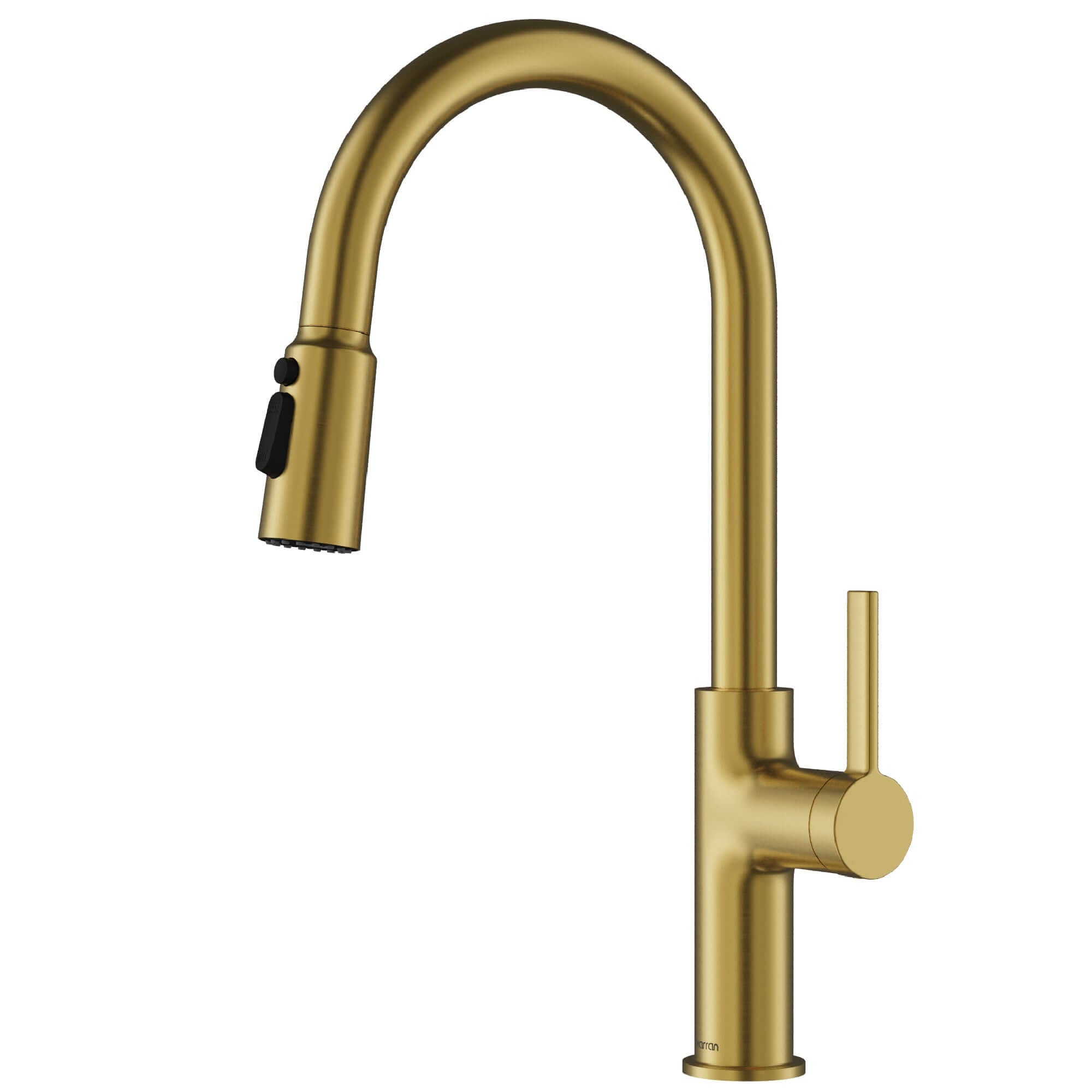
Credit: thesinkboutique.com
Frequently Asked Questions
Is 1.8 Gpm Considered Low Flow For A Kitchen Faucet?
A 1. 8 GPM kitchen faucet is considered low flow but still performs well for daily tasks. It saves water and energy while meeting many local efficiency standards. Some users may notice slower filling for large pots or deep sinks compared to higher flow faucets.
What’s A Good Flow Rate For A Kitchen Faucet?
A good kitchen faucet flow rate ranges between 1. 5 to 2. 2 gallons per minute (GPM). This balance saves water and provides efficient performance.
How Many Gpm Do You Need For A Kitchen Sink?
A kitchen sink typically needs a flow rate of 1. 5 to 2. 2 gallons per minute (GPM). This range balances water efficiency and functionality for daily tasks. Lower GPM faucets save water but fill pots slower, while higher GPM offers faster filling and rinsing.
What Is The Difference Between 1.5 Gpm And 1.8 Gpm Faucets?
1. 5 GPM faucets flow 1. 5 gallons per minute, saving more water. 1. 8 GPM faucets provide higher flow, filling pots faster but use more water.
Conclusion
Choosing between 1. 5 GPM and 1. 8 GPM kitchen faucets depends on your needs. A 1. 5 GPM faucet saves more water and lowers bills. It works well for simple tasks like handwashing. A 1. 8 GPM faucet fills pots faster and handles heavy use better.
It offers a balance of water savings and performance. Think about how you use your kitchen sink daily. Small differences in flow rate can affect your comfort and water use. Pick the faucet that fits your lifestyle and helps save water.