Pfister Vs Delta Bathroom Faucets: Which Brand Is Best?
Choosing the right bathroom faucet can feel overwhelming. You want something that looks good, works well, and lasts for years. Two of the most popular brands are Pfister and Delta. Each has its fans, but which is better for your needs? This in-depth guide compares Pfister and Delta bathroom faucets in every way that matters: design, durability, price, technology, installation, support, and more. By the end, you’ll know exactly which brand fits your bathroom and lifestyle.
Brand Background: Pfister And Delta
Pfister and Delta both have a long history in the plumbing world. Pfister started in 1910 in Los Angeles. It became famous for reliable, affordable faucets. Over the years, Pfister focused on making stylish designs accessible to more people. Their products are now found in homes across North America.
Delta began in 1954 as part of the Masco Corporation. Delta is known for innovation—like the first single-handle faucet and touch technology. The company invests heavily in research, aiming to make faucets easier to use and more water-efficient. Delta’s products are also popular in both homes and hotels worldwide.
Both brands offer a wide range of bathroom faucets, from simple models to high-end designer pieces. Their reputations are strong, but their approaches are quite different. Understanding these differences is the first step to choosing wisely.
Design And Style Options
Pfister’s Approach To Design
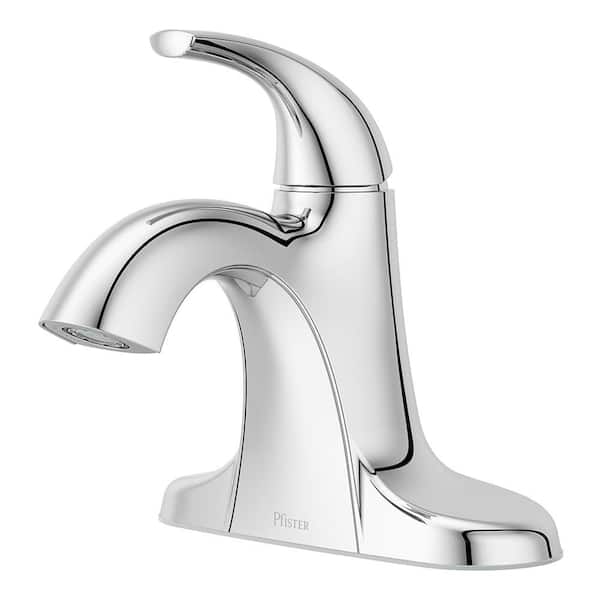
Pfister focuses on classic, transitional, and modern styles. Their designers often create faucets that blend with many decors. You’ll find curved spouts, simple handles, and finishes like brushed nickel, polished chrome, and matte black. Pfister doesn’t chase trends; they aim for timeless looks.
Some popular Pfister collections include:
- Jaida: Waterfall spout, soft curves
- Ladera: Modern lines, easy-clean finish
- Contempra: Ultra-modern, geometric shapes
Pfister often uses softer edges and rounded handles. This makes their faucets feel friendly and easy to use. For smaller bathrooms, Pfister’s compact models are a good fit.
Delta’s Design Philosophy
Delta is more experimental with style. They offer bold, unique shapes and a wider range of finishes. Delta leads the way with options like champagne bronze, Venetian bronze, and even two-tone finishes.
Popular Delta collections include:
- Trinsic: Sleek, minimalist, modern
- Lahara: Elegant, curved, inspired by nature
- Dryden: Square lines, art-deco influence
Delta also creates designer lines in partnership with famous interior designers. They tend to push the boundaries, so if you want your bathroom to stand out, Delta’s choices are wider.
Real-world Insight
A key detail: Pfister’s designs often cost less for similar style, but Delta’s finishes are usually more durable. For example, Delta’s SpotShield technology resists water spots and fingerprints, while Pfister’s Spot Defense offers similar benefits but may wear a bit faster in very busy bathrooms.

Credit: www.amazon.com
Build Quality And Materials
Material Choices
Both Pfister and Delta use brass as the main material for their higher-end faucets. Brass is strong, resists corrosion, and lasts for many years.
- Pfister sometimes uses zinc or plastic for internal parts on entry-level models.
- Delta uses brass more consistently, even in some lower-priced faucets.
For finishes, both brands offer PVD (Physical Vapor Deposition) coatings on premium models. This advanced finish resists scratches and tarnishing. However, Delta’s PVD technology is generally considered longer-lasting.
Construction Details
- Delta’s cartridges (the part that controls water flow) are often made with diamond seal technology. This means less leaking and a longer life.
- Pfister uses ceramic disc valves in most new models, which also help prevent leaks. However, in some cheaper Pfister faucets, the cartridge quality may be lower than Delta’s.
Durability In Everyday Use
In real-world use, both brands perform well. But Delta tends to hold up better under heavy daily use, especially in homes with hard water. Pfister works great for light to moderate use, but some users report finish wear or small leaks after several years if maintenance is skipped.
Price Comparison
It’s important to match your faucet with your budget. Here’s how the two brands compare on price, using real data from 2024.
| Brand | Entry-Level Faucet | Mid-Range Faucet | High-End Faucet |
|---|---|---|---|
| Pfister | $55 – $90 | $100 – $170 | $200 – $350 |
| Delta | $70 – $110 | $130 – $220 | $250 – $550 |
What These Numbers Mean
- Pfister is usually 10–25% cheaper than Delta for similar-looking models.
- Delta’s higher-end models cost more, but also include more advanced features and finishes.
For a basic bathroom faucet, Pfister gives you more for less. If you want designer style or special finishes, Delta’s price is higher but you get better technology and longer finish life.
Technology And Special Features
Pfister’s Innovations
Pfister has developed some smart features, but they focus on simplicity and reliability:
- Push & Seal™ Drain: Easy to install and easy to use, just push down to close and push again to open.
- TiteSeal™ Mounting: No putty or silicone needed, making installation cleaner.
- Spot Defense™: Helps keep the faucet looking clean, especially in busy bathrooms.
These features make Pfister great for DIY users or anyone who wants a quick, no-fuss upgrade.
Delta’s Technology
Delta invests heavily in new technology. Their bathroom faucets may include:
- Touch2O® Technology: Turn the water on or off with a touch anywhere on the spout or handle.
- ShieldSpray®: High-powered spray for cleaning (more common in kitchen faucets, but starting to appear in some bath models).
- Diamond Seal® Technology: Reduces leak points and extends faucet life.
- SpotShield® Finish: Resists fingerprints and water spots for a cleaner look.
Delta’s features are often more advanced and appeal to tech lovers or people who want extra convenience.
Key Insight
One thing many buyers miss: Delta’s touch and sensor features require batteries. If you don’t want to change batteries every year or two, stick with traditional models or Pfister’s simpler designs.
Installation And Maintenance
Installation Process
Both brands aim for simple installation, but there are differences.
- Pfister: Most models include TiteSeal™ and Push & Seal™, so you don’t need plumber’s putty or special tools. Pfister’s instructions are clear, and parts are well-labeled. Many DIY users install Pfister faucets in under an hour.
- Delta: Delta’s EZ Anchor and tool-free connections make installation smooth for most models. However, advanced models (like Touch2O) may need extra wiring or battery setup.
Maintenance Needs
- Pfister: Mostly low-maintenance. Cleaning the aerator once a year keeps water flow strong. Spot Defense helps reduce water marks.
- Delta: SpotShield finish means less cleaning. For touch models, batteries need replacement every 18–24 months.
Common Mistakes
- Many people forget to check if their water lines match the faucet connections. Always measure first.
- Touch faucets (Delta) need enough space under the sink for battery packs. Some small vanities may not fit these.
Credit: www.homedepot.com
Warranty And Customer Support
Warranty Coverage
Warranty can protect your investment. Here’s how Pfister and Delta compare:
| Brand | Mechanical Warranty | Finish Warranty | Cartridge Warranty |
|---|---|---|---|
| Pfister | Lifetime (to original owner) | Lifetime (residential use) | Lifetime |
| Delta | Lifetime (to original owner) | Lifetime (residential use) | Lifetime |
Both brands offer lifetime warranties on most residential faucets. This covers leaks, drips, and finish defects. Commercial use usually has a shorter warranty (5 years is common).
Customer Service Experience
- Pfister: Known for fast replacement parts and easy warranty claims. Support is available by phone and email. Some users mention wait times during busy periods.
- Delta: Delta’s support is highly rated. Their website offers live chat, videos, and downloadable guides. Delta’s replacement parts often arrive faster, and some repairs can be done without tools.
Real-world Example
Delta’s support team will sometimes send a new cartridge or handle with no questions asked if you have a warranty issue. Pfister is reliable, but may ask for proof of purchase or photos.
Water Efficiency And Environmental Impact
Water-saving Technology
Both brands are committed to water conservation. Most new bathroom faucets from Pfister and Delta are WaterSense certified. This means they use no more than 1.2 gallons per minute (GPM), compared to old faucets that use 2.2 GPM or more.
- Pfister: All current models meet WaterSense standards. Some even go lower, saving extra water in drought-prone areas.
- Delta: Delta’s WaterSense faucets also include features that maintain strong pressure, so you don’t feel a weak flow.
Environmental Policies
Delta invests in sustainable manufacturing, using recycled materials where possible. Pfister’s factories also follow strict environmental rules. Both brands are members of the U.S. Green Building Council.
Practical Impact
Switching from an old faucet to a Pfister or Delta WaterSense model can save a family of four up to 700 gallons of water per year. That’s enough to fill over 10 bathtubs!
Product Range And Availability
Pfister’s Product Line
Pfister offers about 45 different bathroom faucet collections, ranging from single-handle to widespread and wall-mount designs. They focus on practical features and easy installation.
- Most models are available at large retailers like Home Depot, Lowe’s, and Amazon.
- Pfister also sells exclusive models through certain stores, so you might find special finishes or handles at different locations.
Delta’s Product Range
Delta’s line is wider, with over 65 collections for the bathroom alone. These include smart faucets, designer collaborations, and many finish options.
- Delta is found at all major home improvement stores.
- Some high-end models are only sold through specialty showrooms or online.
Availability
Both brands are widely available in the U. S. and Canada. Delta has a slightly larger international presence, especially in Europe and Asia.
Real-world Performance: Reviews And Ratings
User Ratings
Looking at real consumer reviews gives more insight than just specs and marketing.
- Pfister: Most models score 4.2 to 4.6 out of 5 stars on major retail sites. Users praise the value and easy installation. Some complaints mention finish wear after 3–5 years.
- Delta: Average ratings are 4.5 to 4.8 out of 5 stars. Users love the smooth handles, strong water flow, and advanced features. Negative reviews sometimes mention issues with touch sensors (usually fixed by changing batteries).
Plumber Opinions
Professional plumbers often recommend Delta for busy homes or rentals, thanks to the reliable cartridges and long-lasting finishes. Pfister is recommended for budget-conscious buyers or those who want a quick DIY upgrade.
Not-so-obvious Insight
Many beginners overlook the importance of local water quality. If you have hard water (high mineral content), Delta’s finishes and diamond-seal cartridges resist buildup better. If you have soft water, either brand will last a long time with basic care.
Best Uses: When To Choose Pfister Or Delta
Pfister Is Best For:
- Tight budgets: Pfister gives style and reliability for less money.
- Rental properties: Easy to install and replace, low maintenance.
- DIY projects: User-friendly instructions, no special tools needed.
- Classic bathrooms: Designs that blend with many decors.
Delta Is Best For:
- High-traffic bathrooms: More durable finishes and better cartridges.
- Modern or unique style: More finish and design options.
- Tech lovers: Touch, sensor, and water-saving features.
- Long-term investment: Higher upfront cost, but may last longer and look newer.
Common Buyer Mistakes
- Ignoring installation space. Some Delta faucets need more room under the sink for sensors or batteries.
- Choosing based on price alone. The cheapest model may not last, especially with heavy use.
- Not matching finish with other fixtures. Delta’s unique finishes may not match towel bars or showerheads from other brands.
- Skipping warranty registration. Register your faucet online to get faster support if problems occur.
- Forgetting water quality. Hard water can shorten the life of low-quality finishes and cartridges.
Credit: www.wowowfaucet.com
Side-by-side Comparison: Key Features
Here’s a quick look at how Pfister and Delta compare in the most important areas:
| Feature | Pfister | Delta |
|---|---|---|
| Design Styles | Classic, Transitional, Modern | Modern, Unique, Designer |
| Finish Options | Standard, Some PVD | Many, Advanced PVD |
| Advanced Technology | Simple, Reliable | Touch, Sensor, Water-Saving |
| Price Range | Lower | Mid to High |
| Warranty | Lifetime | Lifetime |
| DIY Friendliness | Very High | High (basic models) |
| Finish Durability | Good | Excellent |
Which Should You Choose?
Choosing between Pfister and Delta comes down to your priorities:
- If you want affordable style and easy installation, Pfister is a great pick. You’ll get a solid faucet for less, and it will look good for years with basic care.
- If you want advanced features, designer finishes, and extra durability, Delta is worth the investment. The technology and finish quality are among the best in the business.
Remember, even the best faucet needs proper installation and care. Take time to match the faucet’s style, finish, and features to your bathroom and lifestyle.
For more information on water-saving bathroom products and certifications, you can visit the official EPA WaterSense page.
Frequently Asked Questions
What Is The Main Difference Between Pfister And Delta Bathroom Faucets?
Pfister focuses on affordable, classic designs that are easy to install. Delta offers more advanced technology, unique styles, and more durable finishes—but usually at a higher price. Both brands are reliable, but Delta is better for those who want extra features or modern looks.
Are Delta Faucets Really Worth The Extra Cost?
For many people, yes. Delta faucets use higher-quality finishes and advanced features like Touch2O and Diamond Seal technology. These add convenience and may last longer, especially in busy homes. If you value simple, classic function, Pfister gives great value for less.
Which Brand Is Easier For Diy Installation?
Both are user-friendly, but Pfister often wins for the easiest installation. Their TiteSeal™ and Push & Seal™ systems save time and require fewer tools. Delta’s basic models are also easy, but touch or sensor faucets need a little more work.
How Do The Warranties Compare?
Both Pfister and Delta offer lifetime warranties on most bathroom faucets for the original owner. This covers leaks, drips, and finish problems. Always check the details for commercial use, which usually has a shorter warranty.
Do Pfister And Delta Faucets Save Water?
Yes. Most new faucets from both brands are WaterSense certified. They use about 1.2 gallons per minute, helping you save water and money without losing performance.
Upgrading your bathroom faucet is a smart way to add style and function. Pfister and Delta are both strong choices—just focus on what matters most to you. With the right knowledge, your bathroom will look and work better for years to come.