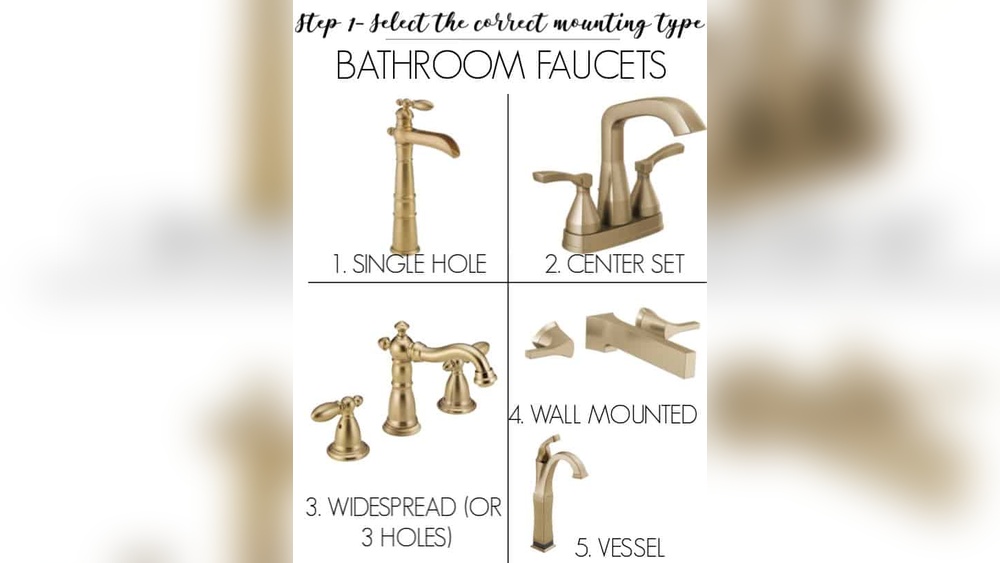
Single Hole Vs Widespread Faucet: Which Is Best for Your Bathroom?
Choosing the right faucet for your bathroom or kitchen might seem simple. But as you shop, you’ll see terms like single hole faucet and widespread faucet again and again. These two designs look different, install differently, and can even change how you use your sink. Understanding their differences will help you make a smart choice that matches your style, needs, and budget.
Many people only think about looks. But there’s more to consider—function, installation, cleaning, and even long-term maintenance. In this guide, you’ll find a detailed comparison of single hole and widespread faucets, including pros, cons, costs, and tips for picking the right one for your home.
Whether you’re remodeling, building new, or just swapping out an old faucet, this article will help you avoid common mistakes and get the best value.
What Is A Single Hole Faucet?
A single hole faucet is a faucet that combines the spout and mixing handles into one compact unit. It requires only one hole in the sink or countertop for installation. Most single hole faucets have one handle that moves left and right for temperature, up and down for flow. Some designs have two small handles, but all are connected to a single base.
Single hole faucets are common in modern bathrooms and kitchens. They work well with smaller sinks or minimalist design styles. Because they take up less space, they’re a favorite for people who want a clean, uncluttered look.
Main Features Of Single Hole Faucets
- One installation hole in the sink or countertop
- All-in-one design (spout and handle together)
- Usually has one lever for temperature and flow
- Compact footprint—good for small spaces
- Often easier to install and clean
Where You’ll See Single Hole Faucets
- Modern bathrooms
- Small powder rooms
- Kitchen sinks with limited space
- Utility sinks
Single hole faucets are especially popular in apartments, condos, and homes where space matters. They’re also a top pick for anyone who wants a simple, modern look.
What Is A Widespread Faucet?
A widespread faucet is a three-piece set with separate hot and cold handles and a separate spout. Each part is installed individually, usually 6 to 16 inches apart. This style is classic in design and offers more flexibility for placement.
Widespread faucets are common in traditional or luxury bathrooms. Because you can set the handles and spout further apart, they fit well on large sinks or countertops.
Main Features Of Widespread Faucets
- Three separate pieces (two handles, one spout)
- Requires three holes in the sink or countertop
- Flexible spacing (usually 6 to 16 inches between handles)
- More design options and finishes
- Often seen as “premium” or “luxury”
Where You’ll See Widespread Faucets
- Master bathrooms
- Double vanities
- High-end or custom homes
- Large kitchen sinks (sometimes)
Widespread faucets are chosen for their elegant look and the ability to match many different décor styles. They give a sense of symmetry and tradition.
Comparing Single Hole Vs Widespread Faucets
Understanding how single hole and widespread faucets compare makes your choice easier. Let’s break down the key differences.
Side-by-side Feature Comparison
Here’s a quick visual comparison of the main differences:
| Feature | Single Hole Faucet | Widespread Faucet |
|---|---|---|
| Installation Holes | 1 | 3 |
| Design | Compact, modern | Classic, flexible |
| Handle Type | Usually one lever | Two separate handles |
| Space Needed | Small/medium sinks | Medium/large sinks |
| Cleaning | Easy (fewer parts) | Harder (more parts, gaps) |
| Installation | Simpler, faster | More complex, slower |
| Cost | Usually lower | Usually higher |
Style And Appearance
Single hole faucets have a sleek, simple look. They often fit with modern or minimalist designs, and they keep the sink area uncluttered. Because there’s just one unit, there’s less to catch dirt or water.
Widespread faucets offer a more classic or luxurious style. The separate handles and spout create a balanced, formal look. You’ll find a huge range of finishes and handle shapes—from cross handles to levers to crystal or ceramic knobs.
If you want a bold, statement faucet, widespread sets give you more choices. If you like clean lines and open space, single hole is usually better.
Installation Process
Single hole faucets are quicker and easier to install. Most DIYers can handle the job with basic tools. There’s only one hole to worry about, and the supply lines usually come attached.
Widespread faucets need three holes, which means more work and sometimes special tools. Aligning the handles and spout evenly can be tricky. You may need a plumber, especially if your countertop doesn’t already have three holes.
If your sink has just one hole, adding a widespread faucet is difficult (and sometimes impossible) without replacing the sink or countertop. If your sink has three holes, you can still use a single hole faucet with an optional deck plate to cover extra holes.
Cost Differences
Single hole faucets are generally more affordable. Basic models start around $40 to $80, while high-end designer versions can reach $200 to $400.
Widespread faucets cost more. Expect to pay $100 to $300 for a mid-range set, and $400 to $1,000 or more for designer brands or special finishes.
Installation costs are also higher for widespread faucets. Plumbers usually charge more for the extra labor. If you need to drill new holes, that adds to the cost.
Here’s a typical cost range:
| Faucet Type | Low-End Price | High-End Price | Typical Install Cost |
|---|---|---|---|
| Single Hole | $40 | $400 | $75–$150 |
| Widespread | $100 | $1,000+ | $150–$300 |
Cleaning And Maintenance
Single hole faucets are much easier to clean. There’s only one base, so dirt, soap, and water have fewer places to hide. Wiping under and around the faucet takes seconds.
Widespread faucets have three separate parts. Water and grime can collect between the handles and the spout. It takes more time and effort to keep all areas clean, especially if your countertop is textured.
When it comes to repairs, single hole faucets are simpler because there’s just one unit. With widespread faucets, you may have to fix or replace a handle or spout separately.
Water Efficiency
Both faucet types can be water-efficient. In the U. S. , most modern faucets (since 1992) use 2. 2 gallons per minute (GPM) or less. Many single hole faucets use even less, and some widespread models offer flow restrictors.
The key is to look for the WaterSense label or similar certifications. This shows the faucet meets strict standards for water savings.
One insight: Single hole faucets often have better “flow control” with a single lever, which makes it easier to avoid wasting water. Widespread faucets, with two handles, sometimes lead to hot or cold water left running too long as users adjust the temperature.
Space And Sink Compatibility
Single hole faucets are perfect for smaller sinks or countertops. They fit well in powder rooms, small bathrooms, or compact kitchens.
Widespread faucets need more room. Most manufacturers recommend at least 8 inches between the holes, but some go up to 16 inches. They look best on large vanities or double sinks.
If you’re changing an existing faucet, check your sink’s holes before buying. Trying to install a widespread faucet on a single-hole sink (or vice versa) is a common mistake that leads to wasted money and frustration.
Pros And Cons: Single Hole Faucet
Let’s look at the main strengths and weaknesses of single hole faucets.
Advantages
- Easy installation – Fewer steps, less chance for mistakes.
- Space-saving – Fits small sinks and countertops.
- Modern look – Clean, minimalist appearance.
- Simple cleaning – Fewer parts to trap dirt or water.
- Affordable – Lower cost for both the faucet and labor.
- Easy operation – One-handle models are great for kids or people with limited hand strength.
Disadvantages
- Limited style options – Fewer classic or traditional designs.
- Less flexible – Can’t adjust handle spacing.
- May look too simple for some décor styles.
- Harder to use with large sinks – Water may not reach far enough.
- Deck plate may be needed to cover extra holes (sometimes doesn’t match perfectly).
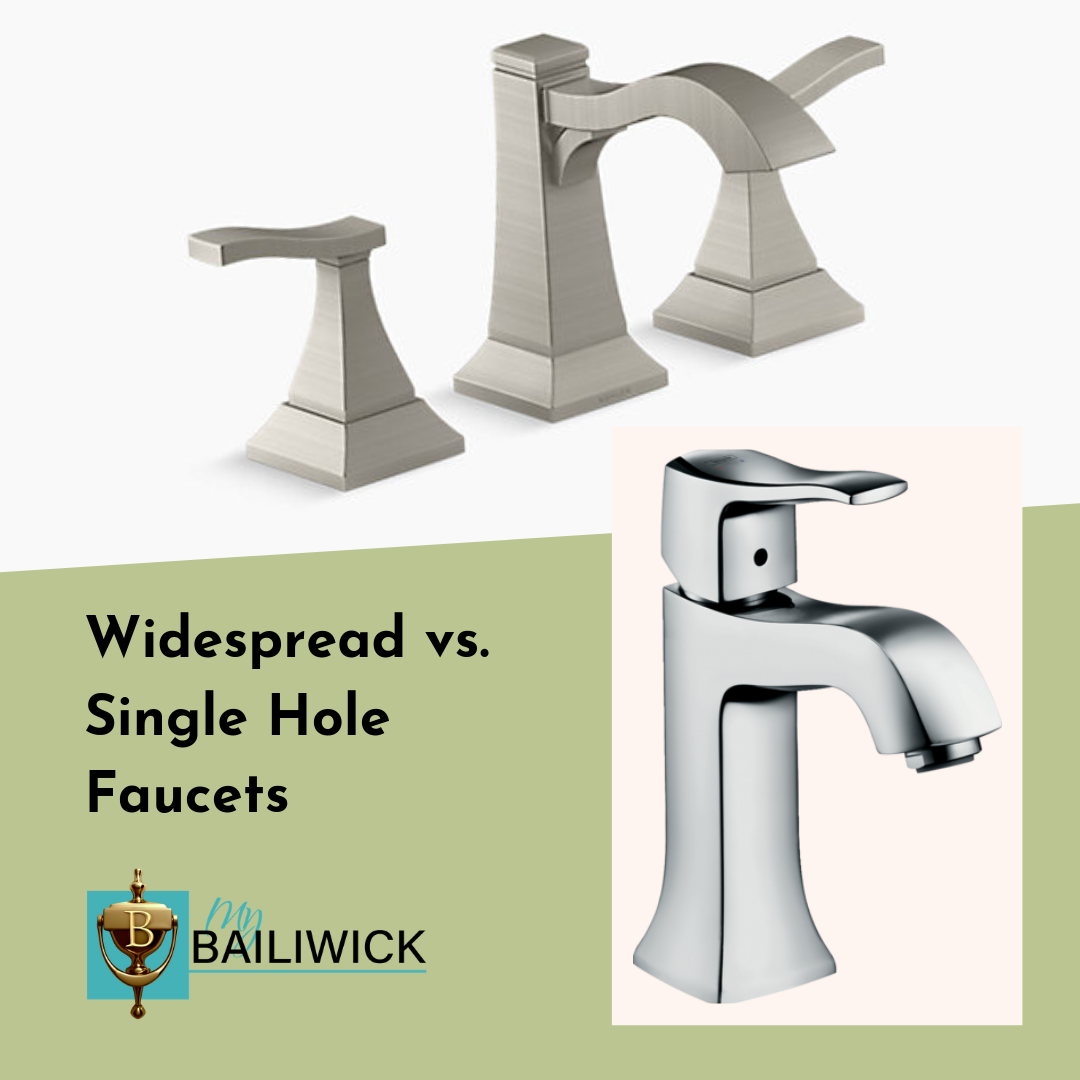
Credit: mybailiwickdesign.com
Pros And Cons: Widespread Faucet
Now, let’s consider the main pros and cons of widespread faucets.
Advantages
- Flexible placement – Handles and spout can be set wide or narrow.
- Classic, elegant look – Fits traditional, luxury, or vintage styles.
- Lots of design choices – More finishes, handles, and spout shapes.
- Easier repairs – Can replace a handle or spout without removing the whole faucet.
- Feels “high-end” – Adds value and style to bathrooms.
Disadvantages
- More complex installation – May need a plumber.
- Higher cost – More expensive to buy and install.
- Harder to clean – Dirt and water collect between parts.
- Needs more space – Not suitable for small sinks.
- More parts can mean more leaks over time.
Factors To Consider Before Choosing
Before you decide, think about these key points:
Sink And Countertop
- Check the hole configuration: How many holes does your sink/counter have? Don’t assume you can “drill more” without risk.
- Size of the sink: Is it small, medium, or large? Single hole for small, widespread for large is a good rule of thumb.
- Material: Stone or solid-surface counters are easier to drill than porcelain or glass.
Bathroom Or Kitchen Style
- Modern or minimalist: Go with a single hole.
- Traditional or luxury: Widespread matches best.
- Transitional styles: Some faucets blend both worlds—look for “mini-widespread” or “center-set” if you want in-between.
Budget
- Faucet price: Set a budget before shopping.
- Install cost: If you’re hiring a pro, ask for a total price including labor.
- Long-term value: Sometimes, paying more for a faucet you love is worth it—since you’ll use it every day.
Who Will Use It?
- Kids or seniors: Single lever is often easier.
- Frequent cleaning needed: Single hole is simpler.
- Showpiece bathroom: Widespread makes a statement.
Water Efficiency
- Look for WaterSense or similar labels.
- Check GPM (gallons per minute) ratings.
- Consider “touchless” or “eco” features if saving water is important to you.
Future Plans
- Planning to remodel soon? Choose a faucet that will fit your new design.
- Selling your home? Widespread faucets can add a “luxury” touch that appeals to buyers.
Pro tip: Always measure your sink and counter space before shopping. This prevents buying the wrong type, which is a common beginner mistake.
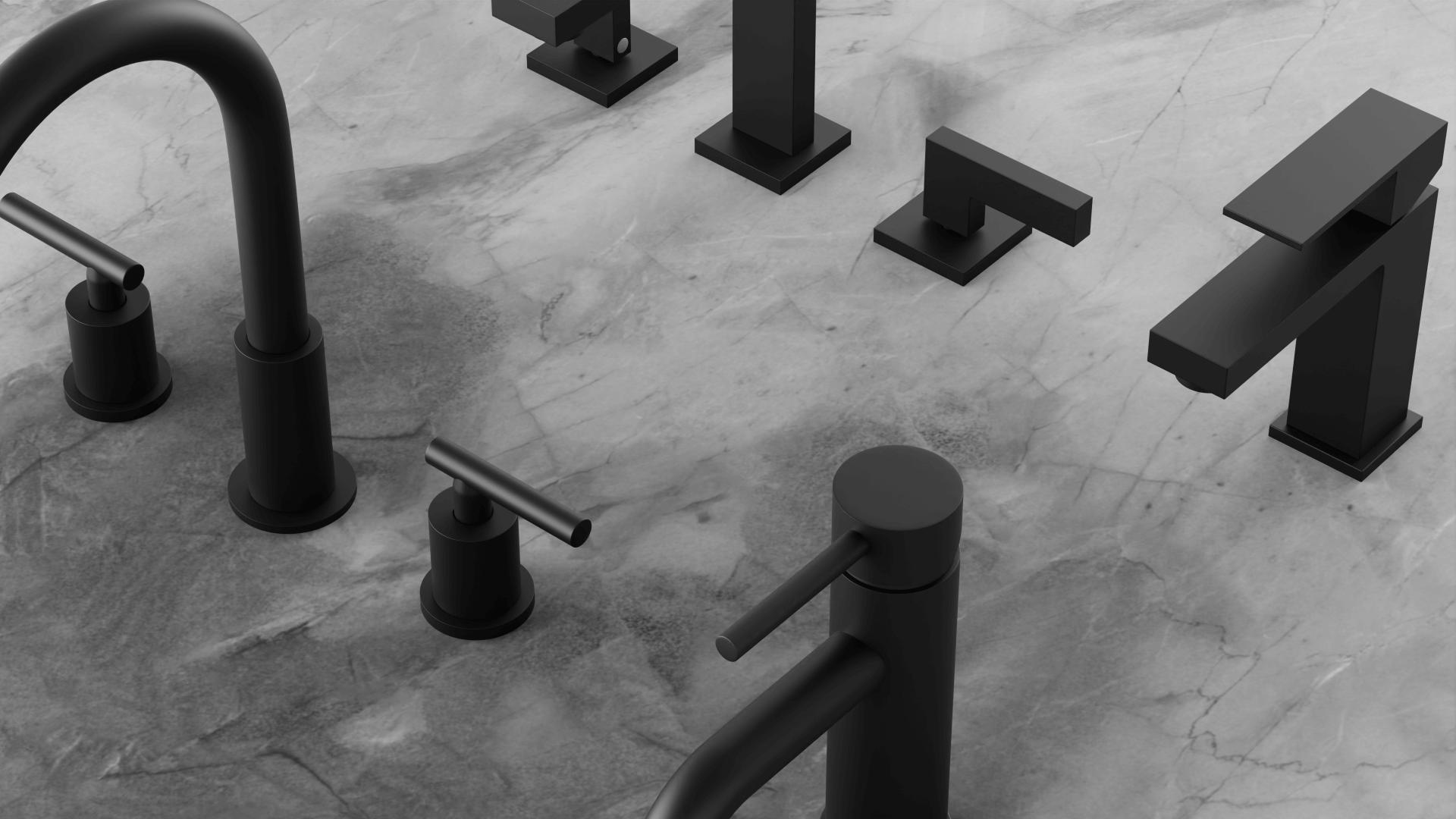
Credit: borhn.com
Common Mistakes And How To Avoid Them
It’s easy to make errors when picking a faucet. Here are some pitfalls and how to avoid them:
- Ignoring existing holes: Before buying, check how many holes your sink or countertop has. Don’t guess!
- Not measuring spacing: Widespread faucets need enough room between handles. Measure to avoid a crowded look.
- Choosing style over function: A beautiful faucet that’s hard to use or clean will frustrate you.
- Overlooking cleaning: More parts = more cleaning time. If you hate scrubbing, single hole is your friend.
- Forgetting about water lines: Some old sinks have incompatible supply lines. Check before you buy.
- Assuming all faucets fit all sinks: They don’t! Always check specs for compatibility.
One not-so-obvious insight: Deck plates can let you install a single hole faucet on a three-hole sink, but the finish may not match perfectly. Sometimes it’s better to pick a faucet that fits your sink holes exactly.
Real-life Examples
Scenario 1: Small Bathroom Remodel
Maria is updating a small guest bathroom. The sink is only 18 inches wide and has one hole. She chooses a single hole faucet with a tall, curved spout. The result: more counter space, easier cleaning, and a fresh, modern look. Maria installs it herself and saves on labor.
Scenario 2: Master Bathroom Upgrade
Rahul and Priya want their master bath to feel like a luxury hotel. Their new granite counter has three holes set 8 inches apart. They pick a widespread faucet with cross handles in brushed nickel. The look is elegant and classic.
A plumber does the install, but it’s worth it for the “wow” factor.
Scenario 3: Kitchen Sink Dilemma
Jasper loves the look of widespread faucets but his kitchen sink only has one hole. Instead of replacing the whole sink, he chooses a stylish single hole kitchen faucet with a pull-down sprayer. It fits perfectly, is easy to use, and matches his modern kitchen.
Maintenance And Longevity
Single hole faucets are low-maintenance. With fewer connections, there’s less chance of leaks. Most modern single hole faucets use ceramic disc cartridges, which last for years.
Widespread faucets need a bit more attention. More connections mean more points for leaks to develop over time. Handles can loosen, and seals may wear out. However, because the parts are separate, repairs can be easier—you can replace just the faulty handle or spout.
Tip: Always keep the manufacturer’s instructions and warranty information. Some companies offer lifetime warranties on parts and finish, which can save you money later.
Environmental Impact
Both single hole and widespread faucets can be eco-friendly if you choose water-saving models. The main impact comes from water usage and the materials used to make the faucet.
Single hole faucets can make it easier to control water with one hand, reducing waste. “Touchless” models, which are common in single hole styles, can further cut water use.
Widespread faucets offer more style choices but sometimes lack advanced water-saving features unless you look for them.
To learn more about water-saving plumbing standards, you can visit the EPA WaterSense program.
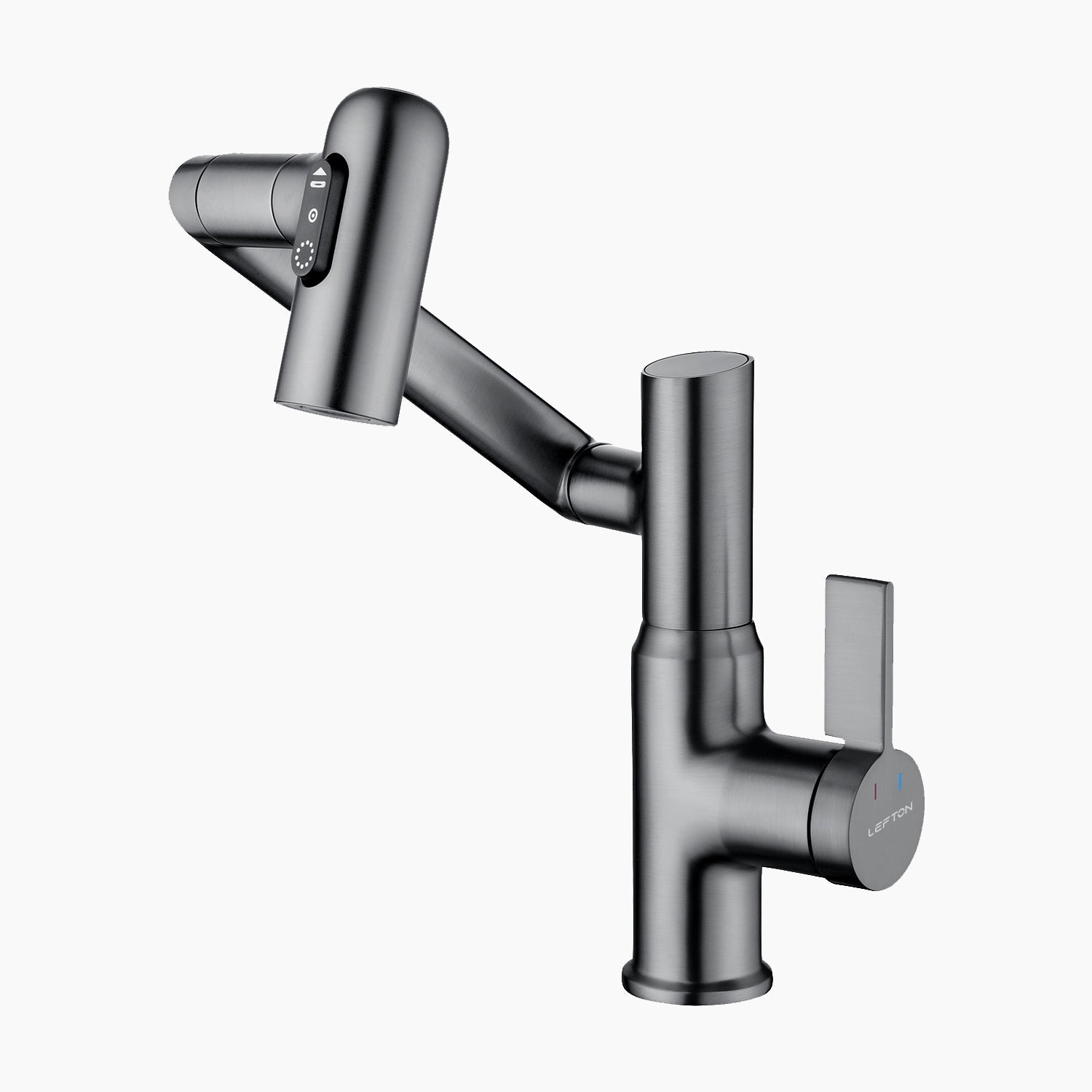
Credit: www.leftonhome.com
When Should You Choose Each Type?
- Choose a single hole faucet if:
- Your sink or countertop has only one hole
- You want a modern, simple look
- Space is limited
- You need easy cleaning
- Budget is tight
- Choose a widespread faucet if:
- Your sink has three holes, at least 6 inches apart
- You want a classic or luxury style
- You have a large vanity or counter
- You don’t mind extra cleaning
- You want to make a style statement
Remember, both types can offer great function and style if you match them to your space and needs.
Frequently Asked Questions
What Is The Main Difference Between Single Hole And Widespread Faucets?
The biggest difference is the number of installation holes and design. Single hole faucets combine the spout and handles into one unit and use only one hole. Widespread faucets have separate hot and cold handles plus a spout, installed in three holes, usually spaced wider apart.
Can I Install A Single Hole Faucet On A Three-hole Sink?
Yes, you can use a deck plate (also called an escutcheon) to cover the extra holes when installing a single hole faucet. Make sure the plate matches the faucet’s finish and is wide enough to cover all holes.
Are Widespread Faucets Harder To Clean Than Single Hole Faucets?
Usually, yes. Widespread faucets have separate handles and a spout, which means more gaps for dirt, soap, and water to collect. Single hole faucets have one base, so wiping around them is easier and faster.
Which Type Is More Expensive To Buy And Install?
Widespread faucets are generally more expensive to buy and take more time to install, which adds to labor costs. Single hole faucets are usually cheaper and simpler to install, especially for DIY projects.
How Do I Know Which Faucet Will Fit My Sink?
Check the number of holes in your sink or countertop and measure the distance between them. Single hole faucets need one hole. Widespread faucets need three holes, usually spaced 6 to 16 inches apart. Always check faucet specifications before buying to ensure compatibility.
Finding the right faucet doesn’t have to be confusing. By understanding the real differences between single hole and widespread faucets—and thinking about your space, style, and needs—you can choose with confidence and enjoy your sink for years to come.