Grohe Vs Delta Faucets: Which Brand Should You Choose?
When you’re updating your kitchen or bathroom, choosing the right faucet is a decision that goes far beyond looks. The faucet you pick affects your daily life, water usage, and even the value of your home. Two brands stand out for most people: Grohe and Delta. Both are popular, but they have important differences in design, technology, price, and durability. If you’re stuck between these two, you’re not alone. Many homeowners and professionals debate which is truly better.
This article will help you understand Grohe vs Delta faucets in detail. You’ll see how they compare in style, features, installation, reliability, and more. By the end, you’ll have the knowledge to confidently pick the faucet that fits your needs and lifestyle.
Brand Overviews
Before comparing, it’s important to know where Grohe and Delta come from and what they stand for.
Grohe
Grohe is a German brand, famous for its focus on modern design and advanced engineering. Founded in 1936, Grohe is now part of the LIXIL Group, a leading name in global water technology. Grohe is well-known for its European craftsmanship, eco-friendly products, and high standards of quality. Their faucets are found in luxury hotels, designer homes, and high-end apartments around the world.
Delta
Delta Faucet Company is an American brand, established in 1954. It is part of Masco Corporation, which owns several trusted home improvement brands. Delta is celebrated for its innovation, user-friendly features, and affordable pricing. The company often leads with practical technology that solves real problems, such as touch operation and leak prevention.
While both brands have long histories and strong reputations, their approaches to design, technology, and value are different. Understanding these differences is key to making the right choice.
Design And Aesthetics
Your faucet isn’t just a tool—it’s a centerpiece in your kitchen or bathroom. Grohe and Delta cater to different tastes.
Grohe’s Design Approach
Grohe faucets are known for their sleek lines, minimalist style, and European elegance. Many Grohe products feature high-arc spouts, smooth finishes, and a feeling of luxury. The brand offers a wide range of finishes, including chrome, brushed nickel, supersteel, and unique colors like graphite. Grohe’s attention to detail is clear even in small parts like levers and aerators.
Their designs often fit well in contemporary and modern homes. If you want a faucet that looks like it belongs in a high-end hotel or European apartment, Grohe is a strong choice.
Delta’s Design Approach
Delta offers more variety, including traditional, transitional, and modern styles. Whether you want something classic or a faucet that matches a farmhouse kitchen, you’ll find options in Delta’s lineup. Delta also offers finishes such as chrome, stainless, matte black, champagne bronze, and oil-rubbed bronze.
Delta’s designs usually feel more approachable and blend easily into American-style homes. They pay attention to ergonomic handles and practical spout shapes. If you want a faucet that matches your existing décor—no matter the era or theme—Delta makes it easy.
Key Differences
- Grohe: Focuses on modern, minimalist, and luxury styles.
- Delta: Offers a broader range of styles, including traditional and transitional looks.
Technology And Features
When it comes to faucet technology, both brands invest heavily in innovation. However, they focus on different user needs.
Grohe’s Technologies
Grohe is known for bringing advanced European engineering into the home. Some of their standout features include:
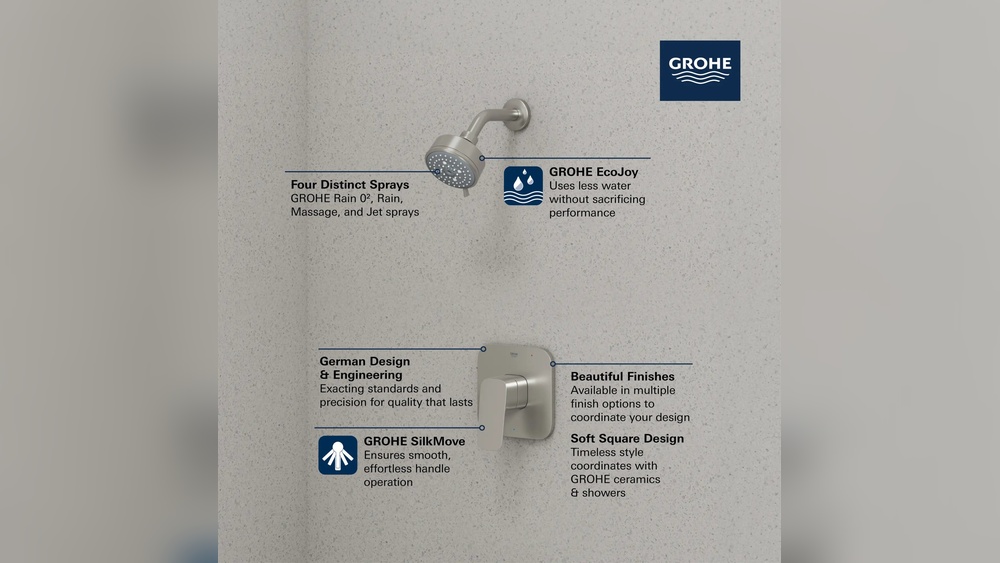
- SilkMove® Cartridge: Ensures smooth and precise handle movement, making it easy to adjust water temperature and flow.
- StarLight® Finish: A special coating that resists scratches and tarnishing, keeping faucets looking new for years.
- EcoJoy®: Integrated water-saving technology that reduces water use without sacrificing performance.
- ZeroTouch: In some models, touchless activation for improved hygiene.
- QuickFix® Plus: Simplifies installation and reduces the time needed to fit the faucet.
These features make Grohe faucets popular in homes where performance and appearance matter equally.
Delta’s Technologies
Delta has a reputation for practical, user-friendly innovation. Their key features include:
- Touch2O® Technology: Allows users to turn the faucet on or off with a simple touch anywhere on the spout or handle.
- ShieldSpray®: A focused jet of water that cuts through messes but minimizes splatter.
- MagnaTite® Docking: Uses magnets to keep pull-down spray wands securely in place.
- Diamond Seal® Technology: Uses a diamond-coated ceramic cartridge to reduce leaks and extend faucet life.
- SpotShield® Finish: Resists water spots and fingerprints, especially useful for busy kitchens.
Delta’s tech is often aimed at making life easier and reducing common maintenance problems.
Technology Comparison
Here’s a quick overview of how Grohe and Delta stack up in terms of key technology:
| Feature | Grohe | Delta |
|---|---|---|
| Touchless Activation | Available on select models (ZeroTouch) | Widespread (Touch2O) |
| Water-Saving Tech | EcoJoy® (Standard) | WaterSense® Certified |
| Finish Durability | StarLight® (High resistance) | SpotShield® (Anti-spot/fingerprint) |
| Spray Tech | LaminFlow, Pull-Out/Pull-Down | ShieldSpray®, MagnaTite® |
| Cartridge Quality | SilkMove® (Ceramic) | Diamond Seal® (Diamond-coated Ceramic) |
What Beginners Miss
- Not all advanced features are available on every model. For example, a basic Grohe or Delta faucet may not include touch or water-saving technology.
- Finish quality affects cleaning. Grohe’s StarLight® may resist scratches, but Delta’s SpotShield® is better for busy families who want less visible fingerprints.
Durability And Build Quality
A faucet is something you use every day, so durability is critical. How do Grohe and Delta compare when it comes to lasting value?
Grohe Durability
Grohe faucets are famous for their heavy brass construction and tight quality control. Many Grohe faucets are made in Germany, Portugal, or Thailand, where the company oversees every step of production. The SilkMove® ceramic cartridges are designed to last for decades without leaks. Grohe’s StarLight® finish helps prevent corrosion and tarnishing.
Testing by independent organizations shows Grohe faucets often last over 10 years with minimal wear, even in hard water environments. Many luxury hotels choose Grohe for this reason.
Delta Durability
Delta also builds faucets to last, but with a focus on practical materials that balance cost and performance. Many Delta faucets use solid brass or stainless steel, especially in the body and handle. Delta’s Diamond Seal® cartridge is tested for up to 5 million uses—much higher than the industry standard.
Delta’s finishes are also tough, but some entry-level models use lighter materials or plastic parts inside. These can wear out faster in heavy use.
Durability Table
Here’s a side-by-side look at durability factors:
| Durability Factor | Grohe | Delta |
|---|---|---|
| Primary Material | Solid Brass (Premium) | Brass/Stainless (Varies) |
| Cartridge Life | 10-15+ years (SilkMove®) | 5-10+ years (Diamond Seal®) |
| Finish Resistance | High (StarLight®) | High (SpotShield®), but some basic models less resistant |
| Common Weak Points | O-rings, rarely handles | Plastic parts (in some models) |
Non-obvious Insight
Many buyers focus only on the outside finish. But the internal cartridge and body material are much more important for long-term performance. Grohe tends to use higher-grade materials consistently, while Delta may use plastic inside their cheapest models.
Credit: www.homedepot.com
Installation And Maintenance
Faucet installation can be a simple DIY job or a complex project, depending on your plumbing skills and the faucet you choose.
Installing Grohe Faucets
Grohe’s QuickFix® Plus system simplifies the process, but some models are more complex because of European fittings. You may need adapters if you’re installing in a US home with standard connections.
Most Grohe faucets come with detailed instructions and all necessary parts. However, their heavier weight and tight tolerances mean you should check for leaks carefully. If you’re not comfortable with plumbing, professional installation is a good idea.
Installing Delta Faucets
Delta is designed for ease of installation. Most models fit standard US sink openings and come with everything you need. Delta’s instructions are clear, and most homeowners can handle the job in under an hour. Features like EZ Anchor® (in some models) reduce the need for tools.
Delta’s design also makes it easy to replace cartridges, aerators, and handles if something wears out. This is great for DIY maintenance.
Maintenance Comparison
- Grohe: Needs less frequent maintenance, but parts may cost more and sometimes require special order.
- Delta: Parts are widely available, and repairs are easy for most users.
Common Mistakes
- Not checking water line compatibility: European Grohe models may need adapters for US plumbing.
- Ignoring weight: Grohe faucets are often heavier; make sure your sink can support them.
- Assuming all models install the same way: Special features like touch or motion sensors may require extra steps.
Price And Value
Price is a major factor for most buyers. Both Grohe and Delta offer a range of options, but their pricing strategies are different.
Grohe Pricing
Grohe is positioned as a premium brand. Most Grohe kitchen faucets cost between $250 and $800. High-end models with advanced features or unique finishes can exceed $1,000. Bathroom faucets generally start at $150 and go up to $600.
Grohe’s higher prices reflect their materials, finish quality, and European engineering. However, you are paying for long-term reliability and style.
Delta Pricing
Delta is known for affordable quality. Most Delta kitchen faucets range from $90 to $400. Even their top models with Touch2O® technology rarely exceed $600. Bathroom faucets start as low as $50 and generally stay under $300.
Delta’s wide range means there’s something for almost every budget. Entry-level models may use less expensive materials, but mid-range and high-end Delta faucets offer strong value.
Value For Money
When comparing value, consider not just the purchase price, but also:
- Warranty length
- Repair and replacement part costs
- Expected lifespan
- Performance and style retention over time
Warranty And Customer Service
A faucet’s warranty is a sign of how much the company trusts its product.
Grohe Warranty
Grohe offers a limited lifetime warranty for most residential faucets in the US and Europe. This covers leaks, drips, and finish defects under normal use. However, some parts (like cartridges and hoses) may have shorter coverage, often 5 years.
Grohe’s warranty support is solid, but you may need to work through a dealer or provide proof of professional installation for some claims.
Delta Warranty
Delta also provides a lifetime limited warranty on most residential faucets. Their customer service is known for being easy to reach and responsive. Replacement parts are generally shipped quickly, and you do not need professional installation for warranty claims.
For electronic components (like Touch2O®), Delta usually provides a 5-year warranty.
Real-world Example
Many users report that Delta’s service is faster, with fewer hoops to jump through. Grohe’s process can be slower, especially if you need parts shipped from Europe.
Water Efficiency And Environmental Impact
Saving water is important for your bills and the planet. Both brands take this seriously, but their approaches differ.
Grohe’s Water Efficiency
Grohe’s EcoJoy® technology is built into most new models. These faucets use 1.2 to 1.75 gallons per minute (GPM), compared to the US standard of 2.2 GPM. Some models even let you adjust the flow.
Grohe also works to reduce manufacturing emissions and uses recycled materials in their production.
Delta’s Water Efficiency
Delta faucets are WaterSense® certified (a US EPA standard) if they use 1.5 GPM or less. Many Delta faucets meet or beat this requirement. The company also designs their spray and aerator systems to give a strong flow while using less water.
Delta’s environmental efforts focus more on water savings than on manufacturing, but they are a recognized WaterSense partner.
Extra Tip
Some Grohe faucets have a flow restrictor that can be removed if you want more water pressure, but this may affect water-saving claims.
Selection And Availability
You might fall in love with a faucet online, only to find it’s not in stock locally. Here’s how Grohe and Delta compare.
Grohe Selection
Grohe has a smaller but more curated selection in the US compared to its global range. Specialty models and rare finishes may need to be ordered from Europe, which can mean longer waits. Major hardware stores carry common models, but for the full lineup, specialty showrooms or online retailers are best.
Delta Selection
Delta offers a wide range of models in almost every home improvement store and online marketplace. Most finishes and features are available without special ordering. This makes it easy to see faucets in person before you buy and get fast replacements if needed.
Popular Models Compared
Let’s look at two top-selling faucets from each brand to see how they compete.
Grohe Concetto Single-handle Pull-down Kitchen Faucet
- Style: Modern, minimalist
- Features: SilkMove®, StarLight®, EcoJoy®
- Finish options: Chrome, SuperSteel
- Price: Around $350
Grohe Essence Semi-pro Kitchen Faucet
- Style: Commercial-inspired
- Features: Flexible spout, SilkMove®, EasyDock
- Finish options: Multiple (including hard-to-find colors)
- Price: $450–$600
Delta Leland Single-handle Pull-down Kitchen Faucet (9178-ar-dst)
- Style: Transitional (fits most kitchens)
- Features: Touch2O®, MagnaTite®, ShieldSpray®, Diamond Seal®
- Finish options: Arctic Stainless, Chrome, Venetian Bronze, Matte Black
- Price: $250–$400
Delta Trinsic Pro Single-handle Pull-down (9659-dst)
- Style: Modern, commercial
- Features: Touch2O®, MagnaTite®, Diamond Seal®
- Finish options: Chrome, Arctic Stainless, Matte Black
- Price: $350–$500
Observation: Delta offers more technology at lower prices, but Grohe’s build quality and finishes often feel higher-end.
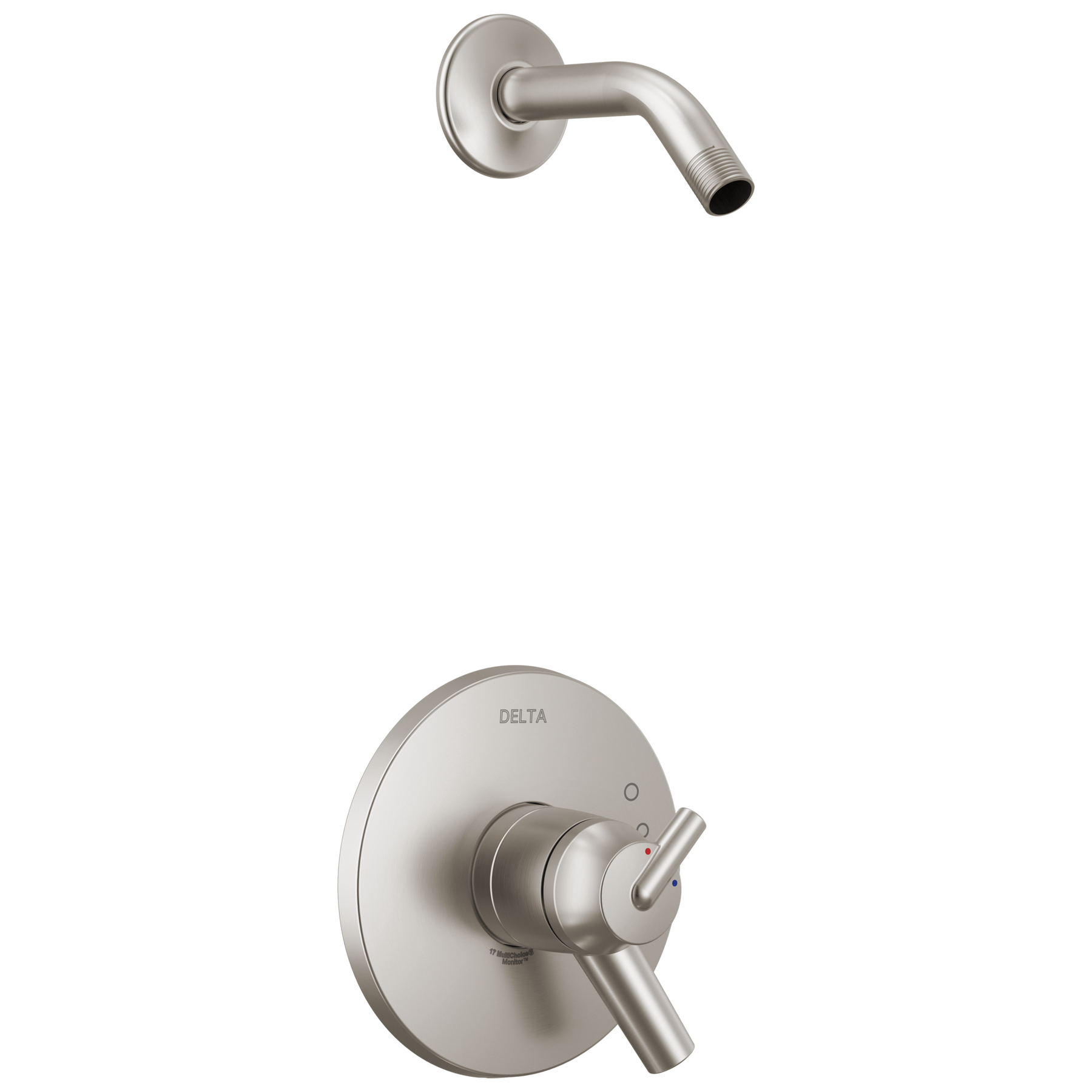
Credit: www.deltafaucet.com
Pros And Cons Summary
To make things clearer, here’s a direct breakdown:
Grohe
Pros:
- High-end, modern designs
- Excellent finish quality
- Durable brass construction
- Smooth handle operation
- Strong water-saving features
Cons:
- Expensive
- Fewer style choices in the US
- Some models harder to install
- Parts can take longer to source
Delta
Pros:
- Wide range of styles and finishes
- Affordable options for all budgets
- User-friendly technology (Touch2O®, ShieldSpray®)
- Easy installation and repair
- Good customer service
Cons:
- Some cheaper models use more plastic
- High-end finishes may not feel as “luxury”
- Shorter lifespan in entry-level models
Which Should You Choose?
The “right” faucet depends on your priorities. Here’s a quick guide based on common needs:
- For luxury and modern style: Pick Grohe if you value top-tier finishes and minimalist design.
- For practical, reliable technology: Choose Delta for user-friendly features, easy repairs, and budget flexibility.
- For busy kitchens: Delta’s SpotShield® and ShieldSpray® make cleaning easier.
- For long-term investment: Grohe’s solid brass and ceramic cartridges are hard to beat.
- For easy DIY projects: Delta is usually simpler to install and maintain.
If you want to learn more about WaterSense® standards and water-saving fixtures, visit the EPA’s WaterSense® website.

Credit: www.youtube.com
Frequently Asked Questions
What Is The Main Difference Between Grohe And Delta Faucets?
The biggest difference is in design and technology. Grohe focuses on modern, minimalist looks and high-end finishes, with most models made from solid brass. Delta offers a wider range of styles, plus practical tech like Touch2O® and ShieldSpray® at more affordable prices.
Which Faucet Brand Lasts Longer?
Both brands are durable, but Grohe often lasts longer due to its premium materials and ceramic cartridges. However, Delta’s Diamond Seal® technology also provides a long life, especially on mid-range or high-end models.
Are Grohe Faucets Harder To Install Than Delta?
Grohe faucets can be more challenging to install, especially if they use European fittings not standard in the US. Delta faucets are usually designed for simple DIY installation in American homes.
Do Delta And Grohe Faucets Save Water?
Yes, both brands have water-saving technology. Grohe’s EcoJoy® and Delta’s WaterSense® certified models use less water without reducing performance. Check the GPM rating before you buy.
Is Grohe Worth The Higher Price?
Grohe is worth it if you want a luxury look, advanced engineering, and long-term durability. If you need to stick to a budget or prefer user-friendly features, Delta offers better value for most American homes.
Choosing between Grohe and Delta is not just about brand names. It’s about your home, your habits, and what matters most to you. With this guide, you’ll be ready to pick the faucet that fits your life—beautifully and smartly.