Chrome Vs Stainless Steel Faucet: Which Is Best for Your Kitchen?
Choosing a new faucet can seem simple until you see the options: chrome and stainless steel are two of the most popular finishes on the market. Both look modern and shiny at first glance, but they are actually very different in how they perform, how they age, and how they fit into your kitchen or bathroom. If you’re planning a renovation, or just replacing a worn-out tap, understanding the differences between chrome and stainless steel faucets can save you time, money, and frustration.
This guide will help you understand the strengths and weaknesses of each finish. We’ll look at how they handle daily use, which one is easier to keep clean, how they handle scratches and stains, and even how they affect water quality.
By the end, you’ll have a clear idea which faucet is better for your home, your style, and your budget.
What Is A Chrome Faucet?
A chrome faucet is made by plating a thin layer of chromium onto a metal base, often brass or zinc. This process gives the faucet a highly reflective, mirror-like finish that’s known for its brightness and shine. Chrome has been popular for decades, especially in bathrooms and kitchens, because it looks clean and modern.
Advantages Of Chrome Faucets
- High Shine: The most obvious benefit is the brilliant, mirror-like surface. It reflects light well and can make a space look bigger and brighter.
- Affordable: Chrome faucets are often less expensive than stainless steel. The plating process is cost-effective, making chrome a common choice for budget-friendly remodels.
- Wide Availability: Because chrome is so popular, you’ll find a huge range of faucet styles, designs, and brands in this finish.
- Easy to Match: Chrome pairs easily with other fixtures like towel racks, handles, and showerheads.
Disadvantages Of Chrome Faucets
- Shows Water Spots and Fingerprints: The shiny surface attracts water spots, fingerprints, and smudges. Frequent wiping is needed to keep it looking clean.
- Can Scratch Easily: The chrome layer is thin. If scratched, the underlying metal can show through, and the finish can peel or flake over time.
- Corrosion Risk: If the chrome coating is damaged, water can reach the metal underneath, leading to corrosion.
Where Chrome Faucets Work Best
Chrome is ideal for bathrooms and kitchens where you want a high-gloss, modern look. It works well in smaller spaces because it reflects light and makes the room feel larger. However, if you have hard water (which leaves more spots), or if you don’t want to wipe your faucet often, chrome may not be the easiest option.
What Is A Stainless Steel Faucet?
A stainless steel faucet is made almost entirely from stainless steel, an alloy of iron, chromium, and sometimes nickel. The finish is not a coating—it’s the actual metal, which gives it a subtle, brushed appearance. Stainless steel is known for being strong, durable, and resistant to corrosion.
Advantages Of Stainless Steel Faucets
- Durability: Stainless steel is harder and more scratch-resistant than chrome. It won’t flake, peel, or rust easily.
- Resists Stains: The metal is less likely to show water spots, fingerprints, or smudges, especially if it has a brushed finish.
- Corrosion Resistant: Stainless steel is naturally resistant to rust and corrosion, even if scratched.
- Food-Safe and Hygienic: Often used in professional kitchens, stainless steel doesn’t hold onto bacteria as easily as some other materials.
- Long Life Span: Many stainless steel faucets last for decades with proper care.
Disadvantages Of Stainless Steel Faucets
- Higher Cost: Stainless steel faucets are often more expensive than chrome because the material is more costly and harder to work with.
- Limited Shine: While attractive, the brushed or satin finish does not have the same mirror-like shine as chrome.
- Fewer Design Choices: Although the selection has grown, chrome still offers more styles and options.
Where Stainless Steel Faucets Work Best
Stainless steel is an excellent choice for busy kitchens, outdoor sinks, or bathrooms where durability is important. If you want a faucet that stands up to heavy use and looks good for many years, stainless steel is hard to beat.
Credit: oltsw.com
Chrome Vs Stainless Steel: Side-by-side Comparison
To make it easier to see the differences, here’s a direct comparison of the most important factors:
| Feature | Chrome Faucet | Stainless Steel Faucet |
|---|---|---|
| Finish Type | Plated (mirror-like) | Solid metal (brushed or satin) |
| Durability | Good, but scratches and peels if damaged | Excellent, resists scratches and dents |
| Maintenance | Requires frequent cleaning | Low maintenance, hides spots |
| Corrosion Resistance | Lower (if coating is damaged) | High, even if scratched |
| Price Range | Lower to moderate | Moderate to high |
| Style Options | Very wide variety | Less, but growing |
| Appearance | Bright, shiny, reflective | Satin, brushed, subtle shine |
Durability: Which Lasts Longer?
When it comes to longevity, stainless steel usually outperforms chrome. Stainless steel is a solid metal, which means even if it gets scratched, the surface underneath is the same as the outside. In contrast, chrome is just a thin layer on top of another metal. If that layer is scratched or chipped, the base metal becomes exposed to water and air, which can lead to rust or peeling.
High-quality stainless steel faucets can last 15-20 years or longer, even in tough environments. Chrome faucets tend to last 10-15 years if well cared for, but if the plating is damaged, their lifespan can be much shorter.
One non-obvious insight: Many people think all shiny faucets are equally strong, but a heavy, solid-feeling faucet is often a sign of stainless steel, which means better long-term value.
Maintenance: Cleaning And Care
Keeping a faucet looking good is easier with stainless steel. Its brushed finish hides fingerprints, water spots, and light scratches. Most of the time, you only need to wipe it with a damp cloth. For stubborn stains, a little mild soap or vinegar works well. Avoid abrasive cleaners, though, as they can scratch even stainless steel.
Chrome, on the other hand, needs more attention. Its mirror finish shows every spot, so you’ll find yourself wiping it down frequently, especially in areas with hard water. You can use gentle cleaners, but avoid anything acidic or abrasive, which can damage the plating.
Here’s a quick comparison of cleaning needs:
| Task | Chrome | Stainless Steel |
|---|---|---|
| Wiping fingerprints | Daily | Occasional |
| Removing water spots | Often | Rarely |
| Handling scratches | Can damage finish | Usually not visible |
A common mistake is using harsh chemicals or scrubbing pads on chrome, thinking it will make cleaning easier. In reality, this can ruin the finish quickly.
Appearance: Shiny Vs. Subtle
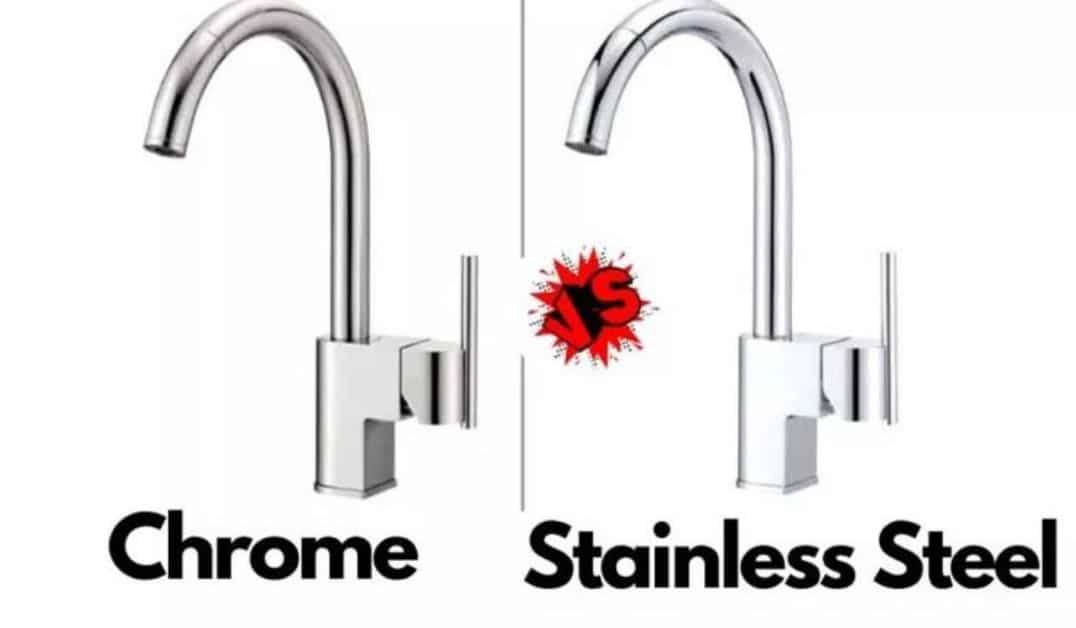
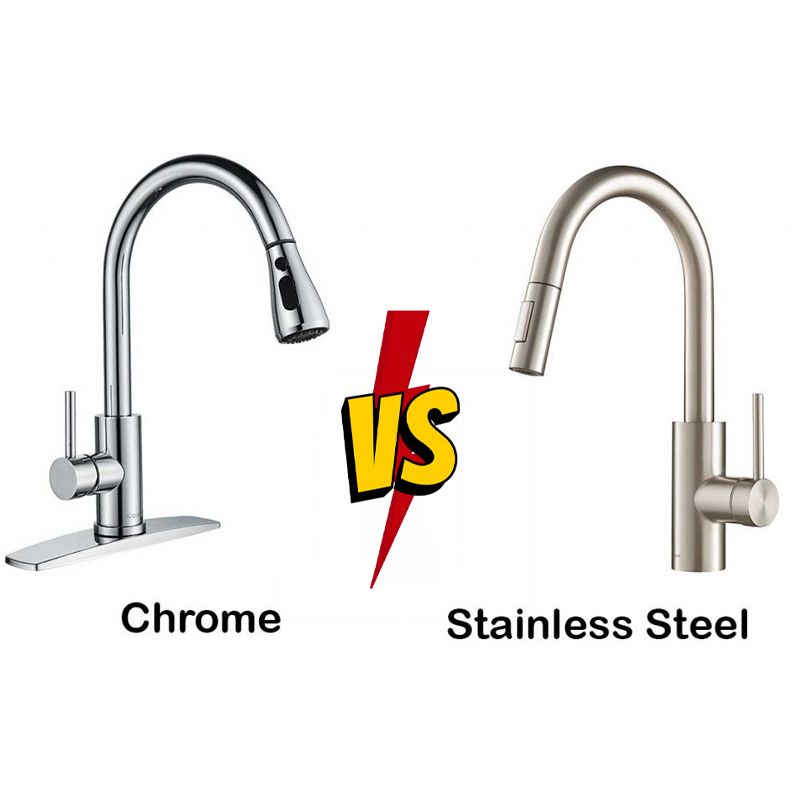
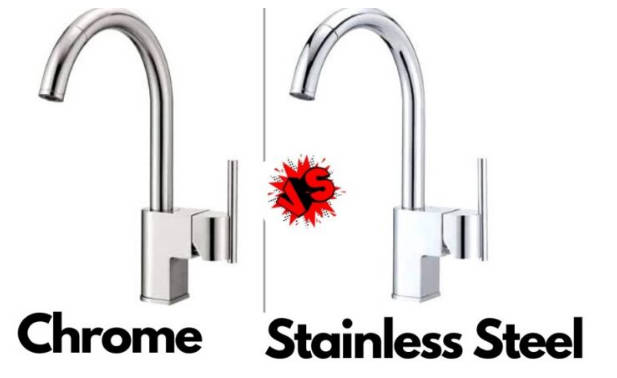
Chrome faucets are famous for their bright, mirror-like surface. This high shine can make a bathroom or kitchen feel new and clean. If you want your faucet to stand out as a feature in the room, chrome is a strong choice.
Stainless steel faucets have a softer, more muted look. The brushed finish doesn’t reflect as much light, but it feels modern and professional. Many people associate this look with commercial kitchens or high-end appliances. It’s less likely to clash with other finishes, and it can blend into the background if you want your countertop or backsplash to stand out more.
It’s also worth noting that lighting affects these finishes differently. Chrome will sparkle under bright lights but may also highlight dirt or streaks. Stainless steel is more forgiving and can look clean even in less-than-perfect lighting.
Cost: Which Is More Budget Friendly?
Generally, chrome faucets are less expensive than stainless steel. You can find basic chrome models for as little as $40–$80, while high-quality or designer models can go up to $200 or more. Stainless steel faucets usually start around $100–$150 for basic models and can reach $400–$600 for premium or commercial-grade options.
Why the difference? Stainless steel is more costly to produce and is often heavier and more robust. Chrome is cheaper because it uses less expensive base metals with a thin chrome plating.
If you’re remodeling on a tight budget, chrome may let you stretch your dollars further. But if long-term durability is your priority, stainless steel could save money over time by lasting longer and needing fewer replacements.
Health And Safety: Water Quality And Hygiene
When it comes to water safety, stainless steel has an edge. High-quality stainless steel is often used for medical tools and food-processing equipment because it does not react with water or leach chemicals. Some lower-end chrome faucets are made with brass or zinc alloys underneath, which can contain small amounts of lead or other metals. While most reputable brands use safe materials, some very cheap chrome faucets may not be as safe.
Another point: Stainless steel is naturally antibacterial and easier to sanitize. That’s why it’s common in hospitals and restaurants. Chrome itself is also easy to clean, but if the finish is damaged, bacteria can hide in cracks or peeling areas.
If you have young children or people with allergies at home, stainless steel is often the safest bet. Always look for products marked as lead-free for peace of mind.
Credit: www.jabrasanitary.com
Style And Design Choices
If you want as many choices as possible, chrome is the winner. You’ll find chrome faucets in every style, from ultra-modern to vintage, in almost every price range. There are also more matching accessories like soap dispensers, towel bars, and showerheads.
Stainless steel styles have improved in recent years, but the selection is still smaller. Most stainless models have a modern, minimalist look. Some brands now offer black, gold, or even colored stainless finishes, but the classic brushed steel is most common.
A non-obvious insight: If you want to mix finishes (for example, a brass light fixture with a silver faucet), stainless steel’s softer tone is less likely to clash than chrome’s high shine.
Environmental Impact
Stainless steel is generally considered more eco-friendly than chrome. Stainless steel is 100% recyclable and often contains a high percentage of recycled material. Chrome-plated faucets use a chemical process that can be harmful to the environment if not managed carefully.
Additionally, because stainless steel faucets last longer, they create less waste over time. If sustainability is important to you, stainless steel is the greener choice.
Credit: www.ivigafaucet.com
Which Is Easier To Install?
For most homeowners, installing a chrome or stainless steel faucet is very similar. Both come with standard fittings and can be installed with basic plumbing tools. Stainless steel faucets tend to be heavier, which may make solo installation a little more challenging, especially for large or commercial-style models.
One thing to check: Some cheaper chrome faucets use plastic parts inside, which are lighter but less durable. Stainless steel models usually have all-metal construction, making them sturdier but heavier.
If you’re hiring a plumber, the cost to install either type is about the same.
Common Problems And How To Avoid Them
Chrome Faucet Issues
- Peeling or flaking: Happens if abrasive cleaners or rough sponges are used. Always use a soft cloth.
- Corrosion: If the chrome is scratched, water can reach the metal below and start to rust. Avoid dropping heavy objects on the faucet.
- Water spots: Can be reduced by wiping the faucet dry after use.
Stainless Steel Faucet Issues
- Surface scratches: While less noticeable, they can still happen. Avoid using steel wool or rough pads.
- Limescale build-up: Hard water can leave white deposits on both finishes, but they’re easier to remove from stainless steel with vinegar or a gentle cleaner.
A helpful tip: For both types, regular cleaning with a soft, damp cloth and mild soap will extend their life and keep them looking new.
Real-world Examples
Imagine you’re a busy parent with three kids. The kitchen faucet is in constant use—between hand washing, filling bottles, and cleaning dishes, it gets dirty fast. A stainless steel faucet will hide smudges, last longer, and require less cleaning than a chrome one.
Or, maybe you live in a studio apartment with a small bathroom. You want it to feel bright and open. A chrome faucet will reflect light and make the space feel larger, but you’ll need to wipe it down often if you want it to always look spotless.
How To Choose: Key Questions To Ask
Before you make a decision, consider these points:
- How much use will the faucet get? Heavy use favors stainless steel.
- Do you have hard water? Stainless steel is easier to keep clean.
- What is your budget? Chrome often costs less.
- Do you want your faucet to stand out or blend in? Chrome is shinier; stainless steel is subtler.
- Are you concerned about water safety? Stainless steel usually has the edge.
Buying Tips And What To Look For
- Check the warranty: A long warranty is a good sign of quality.
- Look for lead-free certification: Especially if you have kids.
- Match with other fixtures: Decide if you want all your hardware to match or mix finishes.
- Feel the weight: Heavier faucets are often higher quality.
- Read reviews: See what other users say about spot resistance, installation, and durability.
- Beware of cheap imports: Some very low-cost chrome faucets may use poor materials or unsafe alloys.
If you want to dive deeper into materials and safety, the Wikipedia page on faucets has useful background.
Summary Table: Quick Pros And Cons
Here’s a final overview to help you decide:
| Chrome | Stainless Steel | |
|---|---|---|
| Pros | Bright, modern, affordable, many styles | Durable, low maintenance, eco-friendly, hygienic |
| Cons | Shows spots, scratches easily, can corrode | Higher price, fewer styles, heavier |
| Best for | Low-traffic bathrooms, modern looks, tight budgets | Busy kitchens, outdoor use, long-term value |
Frequently Asked Questions
What Is The Main Difference Between Chrome And Stainless Steel Faucets?
The main difference is in their material and finish. Chrome faucets have a thin layer of chrome plating over another metal, giving them a shiny, mirror-like appearance. Stainless steel faucets are made from solid stainless steel and have a brushed or satin finish that is more resistant to scratches and stains.
Which Faucet Is Easier To Keep Clean?
Stainless steel faucets are easier to keep clean because their surface hides fingerprints and water spots better. Chrome faucets require more frequent wiping to maintain their shine, especially in homes with hard water.
Are Stainless Steel Faucets Safer Than Chrome?
Generally, yes. Stainless steel is naturally resistant to bacteria and does not leach chemicals into water. Some low-quality chrome faucets may use base metals that could contain small amounts of lead or zinc. Always choose certified, lead-free products for safety.
Can I Use The Same Cleaning Products On Both Types Of Faucets?
It’s best to use mild soap and water for both. Avoid abrasive cleaners, bleach, or rough scrubbers, especially on chrome, as they can damage the finish. Stainless steel is more forgiving, but gentle care will keep both looking their best.
Which Is Better For Kitchens: Chrome Or Stainless Steel?
For busy kitchens, stainless steel is usually the better choice. It’s tougher, hides smudges, and lasts longer. Chrome works well in lower-traffic areas or where you want a very shiny, modern look, but it needs more maintenance in a kitchen environment.
Choosing between chrome and stainless steel faucets comes down to your lifestyle, budget, and style preferences. Both can look great and work well if you understand their differences and care for them properly.