Brushed Nickel Vs Black Faucet: Which Finish Is Best for Your Home?
Brushed Nickel Vs Black Faucet: Which Is Best For Your Home?
Choosing the right faucet finish isn’t just about looks. The finish you pick—brushed nickel or black faucet—can change the feel of your kitchen or bathroom. It can affect cleaning, wear, and even the value of your home. Many people spend hours online, scrolling through endless photos, but still feel stuck. The truth is, every finish has unique strengths and weaknesses. Some work better for busy families; others suit design lovers who want a modern touch.
This guide will help you decide between brushed nickel and black faucets. You’ll learn how each finish stands up to daily life, fits into different styles, and what you really need to think about before buying. Plus, you’ll see real examples, get expert tips, and discover details that most people miss.
What Is Brushed Nickel?
Brushed nickel is a popular faucet finish with a soft, silvery look. It’s made by brushing nickel plating with a wire brush. This gives it a slightly matte, textured surface that reflects light in a gentle way. Many people like brushed nickel because it hides fingerprints and water spots better than shiny finishes like chrome.
Brushed nickel works well with many styles—from traditional to modern. It’s durable and resists scratches. In fact, it has been a favorite in homes for over 20 years. Kitchens, bathrooms, and even laundry rooms use brushed nickel for a timeless, clean look.
If you want a finish that’s easy to live with and doesn’t go out of style, brushed nickel is a safe choice.
What Is A Black Faucet?
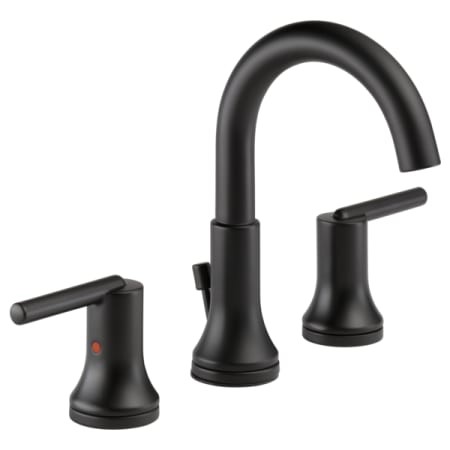
A black faucet has a bold, matte or glossy black finish. The most common type is matte black, which looks flat and modern. Some black faucets use a powder coating; others use electroplating or even black stainless steel. Black faucets are popular in modern and industrial kitchens, as well as bathrooms that want a strong visual statement.
The rise of black fixtures in homes started in the last 10 years. Designers love them because they create contrast and pair well with both light and dark counters or sinks. Black faucets often feel more dramatic and trendy than brushed nickel.
But they do need careful cleaning—especially if you have hard water.

Credit: cascadashowers.com
Visual Appeal: How They Change A Room
Brushed Nickel’s Subtle Elegance
Brushed nickel doesn’t shout for attention. Its soft silver color fits quietly into most rooms. It blends with stainless steel appliances and matches well with both cool and warm colors. If you want a calm, unified space, brushed nickel can make your kitchen or bathroom feel balanced.
Black Faucet’s Bold Statement
A black faucet is eye-catching. It draws the eye, especially in a white or light room. Black can make a sink area stand out and feel modern. It pairs beautifully with white marble, gray quartz, or even wood countertops. But be careful—too many black fixtures can make a small room feel crowded.
Matching With Other Finishes
Brushed nickel is easy to coordinate with cabinet handles, towel bars, and lights. Most stores have matching sets. Black is a little trickier. Some blacks are shinier, some are flat. Mixing brands can lead to mismatched shades. Always check samples in your own lighting before you buy.
Durability And Longevity
Brushed Nickel’s Strong Track Record
Brushed nickel is known for its toughness. The brushed surface hides small scratches and fingerprints. It stands up well to everyday use, even in busy kitchens. Most brushed nickel faucets have a protective coating that keeps them looking new for years.
Black Faucets: Modern But Demanding
Black faucets are durable, but their finish depends on the coating type. Powder-coated finishes are strong but can chip if hit hard. Scratches show up more on black than on brushed nickel. In high-traffic homes, you may need to take extra care to keep a black faucet looking perfect.
Real-world Lifespan
Most quality brushed nickel faucets last 10–20 years with normal use. Black faucets can last just as long if you avoid harsh cleaners and don’t bang heavy pots against them. However, water spots and limescale are more visible on black finishes, so regular cleaning is needed.
Maintenance And Cleaning
Brushed Nickel: Low-stress Upkeep
If you don’t like cleaning, brushed nickel is your friend. It hides water spots and fingerprints. A quick wipe with a damp cloth is usually enough. For stubborn spots, a mix of mild dish soap and water works well. Never use harsh cleaners—they can dull the finish.
Black Faucets: Beautiful But Need Attention
Black faucets show dust, soap, and water spots more than brushed nickel. Hard water can leave white marks that stand out. To clean, use a soft cloth and gentle soap. Avoid scrubbing pads or bleach. Some people use a microfiber cloth every day to keep the faucet looking sharp.
Common Cleaning Mistakes
Many people use vinegar or bathroom cleaners on their faucets. This can damage both finishes. Instead, stick with simple soap and water. For black faucets, always dry after cleaning to avoid streaks.
Cost And Value
Price Range Comparison
Let’s look at how much you might spend:
| Finish | Entry-Level Price | Mid-Range Price | Premium Price |
|---|---|---|---|
| Brushed Nickel | $60–$90 | $100–$250 | $300–$600+ |
| Black Faucet | $80–$120 | $150–$300 | $350–$700+ |
Brushed nickel is usually cheaper than black, especially for basic models. Black faucets often cost more because of their trendy appeal and newer manufacturing methods.
Value For Money
If you want a faucet that will look good for many years, brushed nickel is a safe investment. It appeals to most home buyers and rarely looks outdated. Black faucets can add value in a modern home, but tastes change.
If you plan to sell your home soon, brushed nickel may be the smarter choice.
Style And Design Flexibility
Brushed Nickel: Universal Appeal
Brushed nickel fits almost any design. It works with classic, farmhouse, and even modern spaces. You can find brushed nickel faucets in many shapes—high-arc, pull-down, single-handle, and more. If you want to change your decor in a few years, brushed nickel will still fit in.
Black Faucets: Trendy And Flexible
Black faucets are perfect for modern, industrial, or minimalist designs. They can look stunning in a white kitchen or bathroom. Many new homes feature black fixtures for a high-end look. However, black may clash with traditional or very colorful rooms.
Mixing Finishes
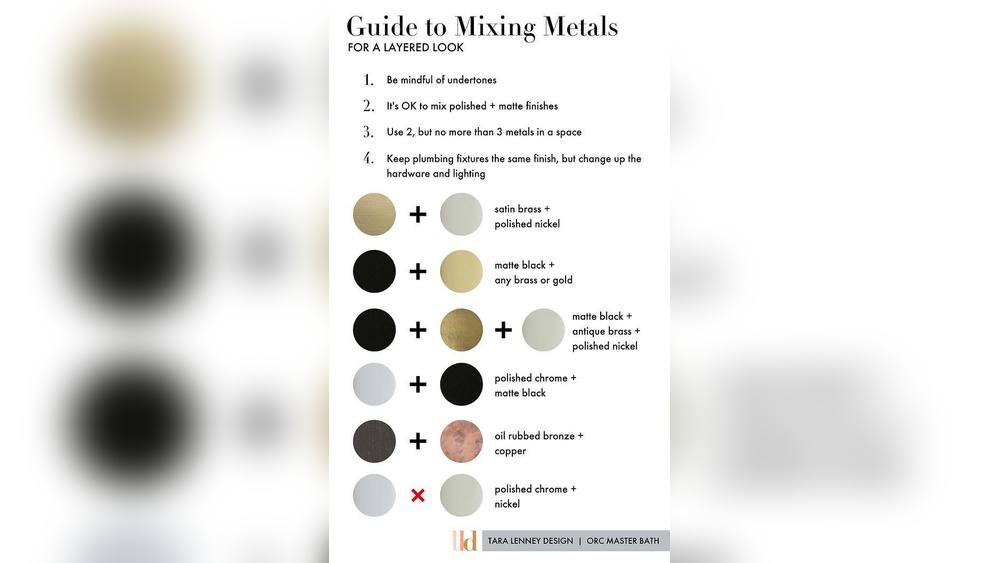
It’s possible to mix brushed nickel and black in the same space, but it takes care. For example, you could use a black faucet and brushed nickel cabinet pulls if you keep other details simple. Too many finishes can make a room feel busy.
Popular Brands And Options
Many brands offer both finishes, but some stand out for quality and style.
- Moen: Well-known for durable brushed nickel and stylish black faucets.
- Delta: Offers SpotShield brushed nickel and matte black with stain resistance.
- Kohler: High-end designs in both finishes, with lifetime warranties.
- Pfister: Good value and unique designs.
- Grohe: European style, especially strong in brushed nickel.
Before you buy, check reviews for water spot resistance, ease of installation, and warranty.
Performance In Different Rooms
Kitchen
Brushed nickel is often the top pick for kitchens. It matches appliances and stands up to heavy use. Black works best in modern kitchens with lots of light. Be careful: oil splashes and hard water spots show up on black.
Bathroom
Both finishes work well in bathrooms. Brushed nickel creates a spa-like feel and hides toothpaste splatter. Black faucets make a bold statement, especially with white or concrete sinks. In small bathrooms, black can add drama without overwhelming the space.
Laundry Room
Brushed nickel is practical and durable for laundry sinks. Black can work if the room is used for folding and storage, but it’s less common.
Resistance To Water Spots And Stains
Here’s how each finish handles everyday messes:
| Finish | Fingerprints | Water Spots | Stains |
|---|---|---|---|
| Brushed Nickel | Low | Low | Low |
| Black Faucet | Medium–High | High (especially hard water) | Medium |
Brushed nickel is the winner for families who don’t want to clean every day. Black faucets need more care, especially if you live in an area with hard water.
How Each Finish Ages Over Time
Brushed Nickel: Slow, Even Aging
Over the years, brushed nickel develops a slight patina that adds character. It rarely shows big changes unless scratched deeply. Most people find that brushed nickel looks better with age, not worse.
Black Faucet: Watch For Wear
Black finishes may fade or chip if cleaned with harsh products. Over time, some black faucets can develop shiny spots where hands touch them most. To keep your faucet looking new, always use gentle cleaners and avoid scrubbing.
Environmental And Health Considerations
Both finishes are usually safe and non-toxic. However, some black finishes use powder coatings, which can chip and release small particles. Choose faucets certified by organizations like NSF or WaterSense to ensure safety.
Manufacturers are now making eco-friendly options. Look for lead-free brass or recycled materials if you’re concerned about the environment.
Common Myths And Surprising Facts
Myth 1: Black Faucets Are Hard To Clean
This is only partly true. Black faucets show spots more, but with soft water and regular wiping, they’re not much harder to clean than brushed nickel.
Myth 2: Brushed Nickel Always Looks Old-fashioned
Not anymore. New designs in brushed nickel are sleek and modern. It’s not just for traditional spaces.
Surprising Fact 1: Black Faucets Can Hide Some Dirt
In rooms with lots of dust, black can hide small particles better than shiny chrome. But water spots will still show.
Surprising Fact 2: Lighting Changes Everything
The same faucet can look very different under warm vs. cool lighting. Always check samples in your own home before you buy.
When To Choose Brushed Nickel
- You want a finish that goes with anything
- You have kids or a busy kitchen
- You want less cleaning and maintenance
- You plan to sell your home soon and want wide appeal
Brushed nickel is also a smart pick if you have stainless steel appliances or mixed metal hardware.
Credit: www.houzz.com
When To Choose A Black Faucet
- You want a bold, modern look
- Your kitchen or bathroom is mostly white or light gray
- You love following the latest design trends
- You don’t mind extra cleaning
Black faucets are also great if you want to highlight the sink area as a design feature.
Real-world Examples
Let’s look at how these finishes work in different homes:
- In a family kitchen with white cabinets and stainless appliances, a brushed nickel faucet blends in and resists fingerprints—even with kids running around.
- In a city apartment with open shelves and concrete counters, a matte black faucet adds drama and matches black cabinet handles.
- In a spa bathroom with gray tile and a white tub, brushed nickel creates a peaceful vibe, while black would feel too harsh.
- In a modern farmhouse, mixing a black faucet with brushed nickel pulls creates a trendy, layered look.
Practical Tips For Choosing
- Always bring samples home. Lighting in stores is different from home.
- Think about who uses the faucet most. Kids and busy cooks usually prefer brushed nickel.
- If you have hard water, black finishes may need more cleaning.
- Don’t mix too many finishes in a small space.
- Check the warranty—some black finishes are covered for less time than brushed nickel.
Expert Opinions
Many interior designers recommend starting with brushed nickel if you’re unsure. It’s classic, forgiving, and easy to match. For those who love bold design, black faucets can make a space memorable—but they need more care.
According to a recent feature in Architectural Digest, both finishes are trending, but brushed nickel remains the most popular choice for resale value.
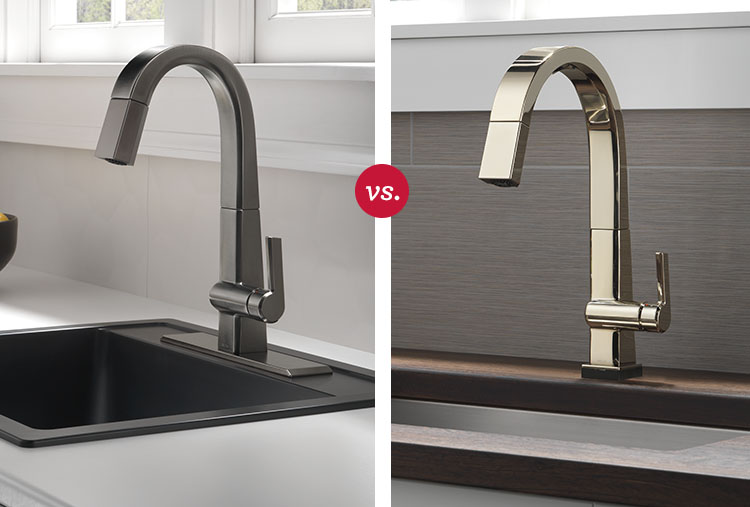
Credit: www.deltafaucet.com
Side-by-side Comparison
Here’s a quick look at key differences:
| Feature | Brushed Nickel | Black Faucet |
|---|---|---|
| Style | Classic, versatile | Modern, bold |
| Maintenance | Low | Medium–High |
| Durability | High | High, but scratches show |
| Water Spot Resistance | Strong | Weak |
| Cost | Lower | Higher |
| Best For | All styles, resale value | Modern, statement pieces |
Frequently Asked Questions
What Is The Main Difference Between Brushed Nickel And Black Faucets?
Brushed nickel has a soft, silvery finish with a gentle texture. Black faucets have a bold, matte or glossy black surface that stands out. The main difference is in style, maintenance, and how they hide (or show) spots and fingerprints.
Are Black Faucets Harder To Clean Than Brushed Nickel?
Yes, black faucets usually show water spots, soap marks, and fingerprints more than brushed nickel. They need regular wiping, especially in homes with hard water. Brushed nickel hides these marks much better.
Will Black Faucets Go Out Of Style Soon?
Trends change, but black faucets have been popular for over a decade. They are still seen in new, modern kitchens and bathrooms. However, brushed nickel is more timeless and appeals to more home buyers if you plan to sell.
Can I Mix Black Faucets With Brushed Nickel Hardware?
Yes, but mix carefully. It’s best to use one as the main finish and the other as an accent. For example, a black faucet with brushed nickel handles can work if the rest of your room is simple.
Which Finish Is Better For Resale Value?
Brushed nickel is usually the best choice for resale. It appeals to most buyers and looks good with many styles. Black faucets can add value in modern homes, but some buyers prefer classic finishes.
—
Choosing between brushed nickel and black faucet finishes is about more than looks. It’s a decision that affects daily life, cleaning, and even your home’s future value. Take your time, bring samples home, and think about how you use your space. The right choice will give you both style and peace of mind for years to come.