Chrome Vs Polished Nickel Faucets: Which Finish Is Best for You?
Chrome Vs Polished Nickel Faucets
Choosing the right faucet finish is more than just a style decision—it affects cleaning, durability, and the overall mood of your kitchen or bathroom. Many people narrow their search to chrome and polished nickel because both finishes look modern and elegant. But while they may seem similar from a distance, the differences become clear when you consider daily use, lighting, and cleaning routines. If you want a faucet that fits your style and lasts for years, it helps to understand what sets these two finishes apart.
Some homeowners choose chrome because it shines brightly and matches appliances easily. Others prefer polished nickel for its warm glow and ability to change with the light. Both have strengths, but they also have unique weaknesses. Picking the wrong finish can lead to frustration, extra cleaning, or even a look that clashes with your other fixtures.
Let’s explore the details that matter most. You’ll learn how chrome and polished nickel compare in appearance, maintenance, cost, and more. By the end, you’ll have all the information you need to confidently choose the best faucet finish for your space.
What Is Chrome?
Chrome refers to faucets that are coated with a thin layer of chromium. This coating is applied over a base metal, usually brass or stainless steel, by a process called electroplating. The result is a mirror-like, highly reflective surface.
Chrome became popular in the 1930s and is now the most common finish for bathroom and kitchen fixtures. Its bright shine is easy to spot in hotels, restaurants, and homes everywhere. Chrome matches well with other chrome accessories, making it a safe choice for people who want a coordinated look.
Main Features Of Chrome Faucets
- High reflectivity: Chrome surfaces are almost like a mirror. They reflect light and surroundings, making rooms feel brighter.
- Cool-toned color: Chrome has a bluish-silver appearance that feels crisp and modern.
- Smooth surface: The finish is very smooth to the touch.
- Affordable price: Chrome faucets are usually less expensive than other finishes.
How Chrome Faucets Are Made
Manufacturers use a process called electroplating to bond a thin layer of chromium onto the faucet. This makes the surface hard and shiny, but also means that scratches or chips can expose the base metal underneath. Most modern chrome faucets have several layers for added protection.
Where Chrome Works Best
Because of its bright shine and modern look, chrome is popular in:
- Minimalist kitchens
- Contemporary bathrooms
- Spaces with stainless steel appliances
- Rooms with lots of natural or artificial light
What Is Polished Nickel?
Polished nickel faucets are made by applying a layer of nickel onto a base metal, then polishing the surface until it shines. The result is a reflective finish, but with a slightly warmer tone compared to chrome.
Polished nickel has grown in popularity in recent years, especially in high-end homes and boutique hotels. Its soft glow feels rich and inviting, and it pairs well with both traditional and modern designs.
Main Features Of Polished Nickel Faucets
- Warm undertone: Polished nickel has a golden or creamy tint that feels softer than chrome.
- High shine: Like chrome, polished nickel is reflective, but it’s not quite as “mirror-like.”
- Luxurious look: The finish feels more upscale and unique.
- More expensive: Polished nickel usually costs more than chrome.
How Polished Nickel Faucets Are Made
The process is similar to chrome, but uses nickel instead of chromium. After the nickel layer is applied, the faucet is buffed and polished until it shines. Some manufacturers add a clear protective coating, but many leave the nickel “live,” meaning it can change slightly over time.
Where Polished Nickel Works Best
Polished nickel is ideal for:
- Classic or traditional bathrooms
- Transitional kitchens (mix of old and new styles)
- Rooms with warm lighting or beige, cream, or gold accents
- Spaces where you want a unique, custom look
Appearance: Side-by-side Comparison
One of the most important factors for many homeowners is how each finish actually looks in the room. Here’s a direct comparison:
| Feature | Chrome | Polished Nickel |
|---|---|---|
| Reflectivity | Very high (mirror-like) | High (soft glow) |
| Color Tone | Cool, blue-silver | Warm, gold-silver |
| Light Interaction | Brighter, sharper highlights | Softer, changes with lighting |
| Fingerprints/Water Spots | Very visible | Less visible |
| Style Flexibility | Modern, minimalist | Classic, transitional, luxurious |
The Subtle Differences
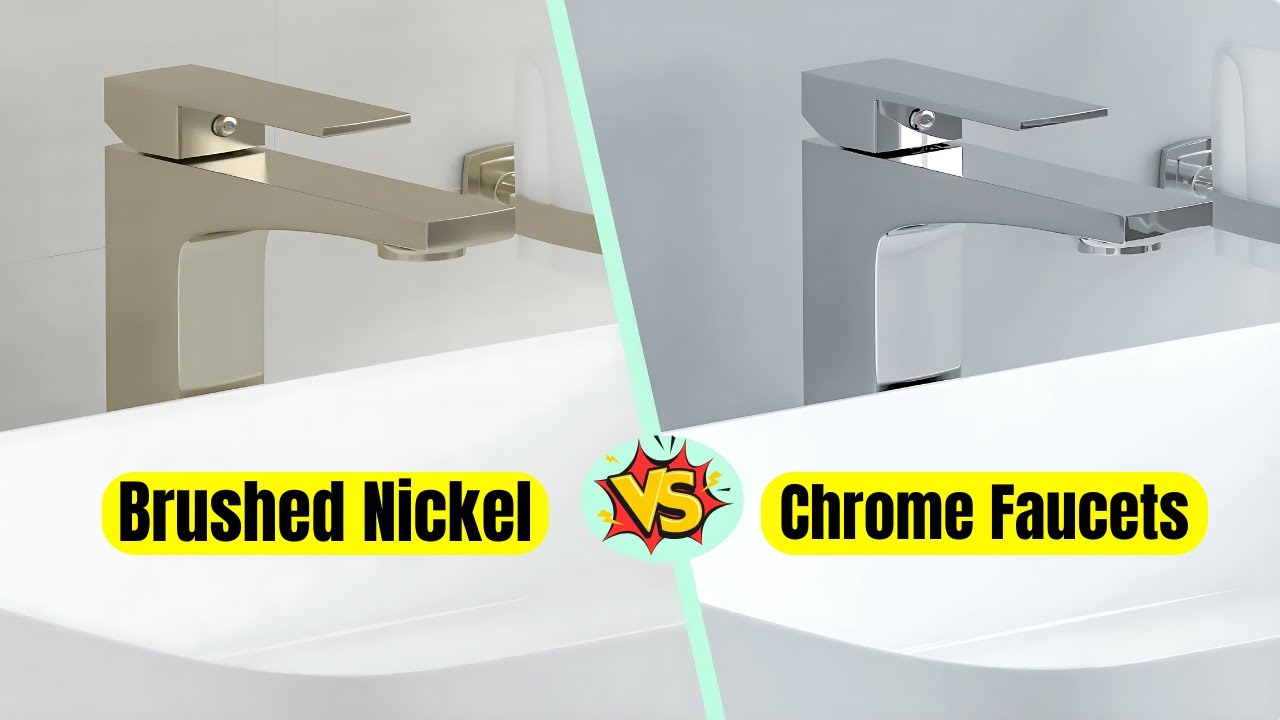
At first glance, both finishes look shiny and elegant. But under certain lights, the difference is clear. Chrome reflects everything sharply, while polished nickel almost glows, especially under warm bulbs. If you have cool-colored tile or paint, chrome may look best.
If you have beige, taupe, or cream colors, polished nickel will blend in naturally.
Many designers use polished nickel when they want something special, but not flashy. Chrome is more common in mass-produced homes and apartments.
Durability And Maintenance
The best-looking faucet is no good if it doesn’t last or is hard to keep clean. Let’s compare how these two finishes hold up over time.
How Chrome Stands Up
Chrome is very durable if you clean it regularly. The hard surface resists scratches and tarnishing, but it shows water spots and fingerprints easily. This means you may need to wipe down your faucet every day, especially in bathrooms with hard water.
- Pros: Resists corrosion, stays shiny with simple cleaning, long-lasting if not scratched.
- Cons: Shows every touch and splash, can pit or peel if harsh cleaners are used.
How Polished Nickel Holds Up
Polished nickel is also strong, but it can be more sensitive to certain chemicals. If the faucet does not have a clear protective coating, it is considered a “living finish.” This means it can develop a patina (a slight change in color or texture) over time. Some people love this antique look, but others want a finish that stays the same forever.
- Pros: Hides water spots and fingerprints better, does not look dirty as quickly as chrome.
- Cons: Can tarnish or dull if not cared for, sensitive to bleach or ammonia, may require special cleaners.
Cleaning And Care
For both finishes, it’s best to use a soft cloth and mild soap. Avoid harsh chemicals, steel wool, or abrasive sponges. For hard water stains, a mixture of vinegar and water works for chrome, but use caution on polished nickel.
Non-obvious tip: If you have very hard water, chrome may require more daily wiping, while polished nickel may eventually develop spots that are harder to remove. Using a water softener can reduce both problems.
Lifespan
With proper care, both finishes can last 10-20 years or more. The biggest risk is physical damage—scratching, chipping, or using the wrong cleaner.
Cost Comparison
Budget is a big factor for most people. Here’s how chrome and polished nickel compare on price.
| Finish | Average Faucet Price | Installation Cost | Long-term Maintenance Cost |
|---|---|---|---|
| Chrome | $50–$200 | Low (standard) | Low (simple cleaning) |
| Polished Nickel | $100–$400+ | Low (standard) | Medium (special cleaners) |
Why Is Polished Nickel More Expensive?
- The nickel plating process is more complex and time-consuming.
- Fewer manufacturers offer polished nickel, so it’s less common.
- Polished nickel is marketed as a luxury finish.
Non-obvious insight: While polished nickel has a higher upfront cost, it can add value to your home if you’re aiming for a high-end or custom look.
Matching With Other Fixtures
Coordinating your faucet with other hardware is important for a polished look.
Chrome
- Matches easily with towel bars, drawer pulls, and showerheads in chrome.
- Blends well with stainless steel appliances.
- Difficult to mix with gold, bronze, or black fixtures.
Polished Nickel
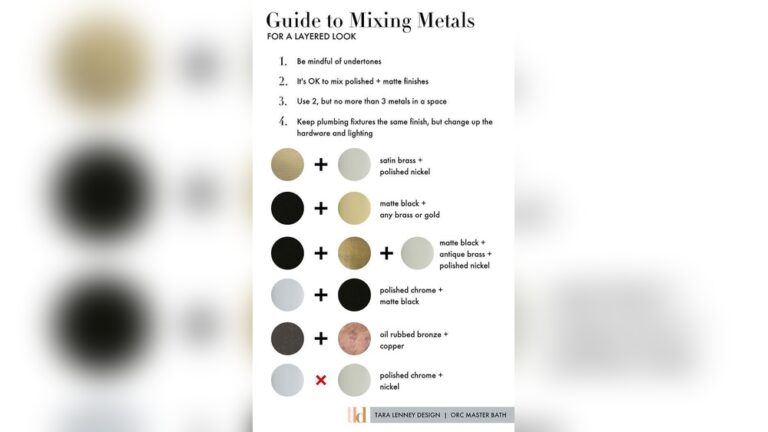
- Warmer tone means it can mix with brushed nickel, gold, or even some bronze hardware.
- Looks great with cream or beige stone countertops.
- Can look out of place next to very cold, shiny metals.
Pro tip: If you want to mix metals, polished nickel is more forgiving. Chrome tends to clash with anything but other chrome.
Credit: www.leftonhome.com
Cleaning Tips And Common Mistakes
Every finish has its cleaning quirks. Here’s how to keep both looking their best.
Cleaning Chrome Faucets
- Wipe with a soft, damp microfiber cloth.
- Use mild dish soap for daily cleaning.
- For water spots, mix equal parts vinegar and water. Wipe, rinse, and dry.
- Avoid bleach, ammonia, and abrasive scrubbers.
Common mistake: Many people use toothpaste, baking soda, or rough sponges, thinking they’ll remove spots. These can scratch chrome and ruin the shine.
Cleaning Polished Nickel Faucets
- Use a soft cloth and mild soapy water.
- Dry after each use to avoid water spots.
- Use a special nickel polish every few months (if recommended by the manufacturer).
- Never use vinegar, bleach, or ammonia—these can dull or pit the finish.
Common mistake: Assuming you can use the same cleaner as chrome. Polished nickel needs gentler care.
Extra tip: If you’re not sure what finish you have, test a small hidden spot before using any new cleaner.
How Lighting Affects Each Finish
Lighting plays a huge role in how both finishes look.
Chrome
- Reflects light strongly, sometimes creating glare.
- Can make small rooms feel bigger and brighter.
- Under fluorescent lights, may look too harsh.
Polished Nickel
- Reflects light softly, creating a “glow” effect.
- Picks up warmth from incandescent or LED bulbs.
- In low light, may look more muted or even slightly golden.
Practical example: In a bathroom with large windows, chrome will sparkle. In a cozy kitchen with warm pendant lights, polished nickel will feel richer and softer.
Credit: blog.bathselect.com
Style And Design Trends
Both finishes have their place in modern design.
Chrome: Timeless And Universal
- Popular in minimalist, industrial, and Scandinavian styles.
- Often used in rental units and new construction.
- “Safe” choice for resale value.
Polished Nickel: Luxurious And Unique
- Featured in luxury hotels and designer homes.
- Works with both vintage and modern styles.
- Can make a statement or blend quietly, depending on surroundings.
Insight: Designers often choose chrome for rooms where function is the priority and polished nickel where atmosphere matters most.
Resale Value And Home Appeal
When you sell your home, little details matter. Which finish helps more?
- Chrome: Seen as practical and neutral. Won’t scare off buyers but rarely impresses.
- Polished Nickel: Signals luxury and attention to detail. May raise perceived value, especially in high-end markets.
Fact: According to real estate experts, updated hardware (including faucets) can improve the first impression of a home and sometimes raise offers by 1–3%.
Environmental Impact And Sustainability
People often overlook how faucet finishes are made.
Chrome
- Chromium plating uses chemicals that can pollute if not handled properly.
- Most major manufacturers follow strict guidelines, but it’s not the greenest choice.
Polished Nickel
- Nickel mining and plating also have environmental impacts.
- Because polished nickel lasts longer in some cases, it may need to be replaced less often.
Tip: Look for manufacturers with green certifications or who recycle water and chemicals in their factories.
Which Finish Is Right For You?
There’s no single “best” finish. It depends on your needs, style, and habits.
Choose Chrome If:
- You want a bright, modern look.
- You’re on a budget.
- You don’t mind wiping fingerprints often.
- Your other fixtures are chrome or stainless steel.
Choose Polished Nickel If:
- You prefer a warm, soft look.
- You want something unique or high-end.
- You’re willing to pay more for style.
- Your room has gold, beige, or mixed metal accents.
Real-world Examples
- A young family chooses chrome for the kitchen because it’s easy to match with their appliances and doesn’t bother them if they have to wipe it down often.
- A couple renovating a historic home picks polished nickel for the bathrooms, loving how it fits with their marble countertops and brass lighting.
Common Mistakes To Avoid
- Mixing chrome with warm metals: The cool tone of chrome clashes with gold or brass.
- Using the wrong cleaner: Bleach and ammonia can damage polished nickel quickly.
- Ignoring lighting: Chrome can look cold in rooms with little natural light.
- Not considering water type: Hard water means more cleaning for chrome.
- Choosing polished nickel for outdoor fixtures: Polished nickel can tarnish faster outdoors.
Credit: www.youtube.com
Quick Reference Table
Here’s a summary of the key points:
| Feature | Chrome | Polished Nickel |
|---|---|---|
| Shine | Mirror-bright | Soft glow |
| Color | Cool blue-silver | Warm gold-silver |
| Fingerprint/Spot Visibility | High | Lower |
| Cleaning Ease | Easy, but frequent | Moderate, less frequent |
| Cost | Low | High |
| Mixing with Other Metals | Difficult | Easier |
| Resale Value Impact | Neutral | Positive (luxury) |
| Best For | Modern, budget, matching appliances | Classic, luxury, warm accents |
Frequently Asked Questions
What Is The Main Visual Difference Between Chrome And Polished Nickel Faucets?
Chrome is a bright, cool-toned silver with a mirror-like shine. Polished nickel is also shiny but has a warmer, golden tint. Under certain lights, chrome can look almost blue, while polished nickel appears soft and creamy. This difference is most noticeable when the two finishes are side by side.
Which Finish Is Easier To Keep Clean?
Chrome shows fingerprints and water spots more easily, so it often needs more frequent wiping. Polished nickel hides marks better, but it can tarnish if not cleaned with gentle products. If you want a finish that always looks neat, polished nickel may require less daily attention, but both need regular care.
Can I Mix Chrome And Polished Nickel In The Same Room?
Mixing these two finishes is tricky because their tones are so different. In most cases, it’s best to pick one finish for all visible hardware. If you like mixed metals, use polished nickel with brass or gold, and chrome with stainless steel or black fixtures.
Is Polished Nickel Worth The Higher Price?
Polished nickel is more expensive, but many people feel the unique, luxurious look is worth it. It can boost the style and even the value of your home, especially in high-end remodels. If you’re on a budget or want an easy-to-match finish, chrome is the better choice.
Where Can I Find More Information About Faucet Finishes?
For in-depth guidance and professional advice, visit the Architectural Digest Faucet Guide.
Choosing between chrome and polished nickel faucets is about more than just looks. By understanding the strengths and challenges of each finish, you can create a space that looks beautiful and works for your lifestyle—every single day.