Faucet Ceramic Disc vs Cartridge: Which Is Best for Your Home?
Faucet Ceramic Disc Vs Cartridge: Which Is Right for Your Home?
Choosing the right faucet is more than just picking a style or color. What really matters is what’s inside—the valve mechanism. Most modern faucets use either a ceramic disc or a cartridge. These two types look similar from the outside, but how they work, how long they last, and how they feel every day can be very different.
If you’ve ever struggled with a leaky tap or a handle that won’t turn smoothly, understanding the difference between ceramic disc and cartridge faucets can save you time, money, and headaches. This guide will help you see what sets them apart, how each works, and which one could be the best fit for your home or workplace.
Whether you’re a homeowner, a plumber, or just want your faucet to last for years without trouble, you’ll find all the answers here.
What Is A Faucet Valve And Why Does It Matter?
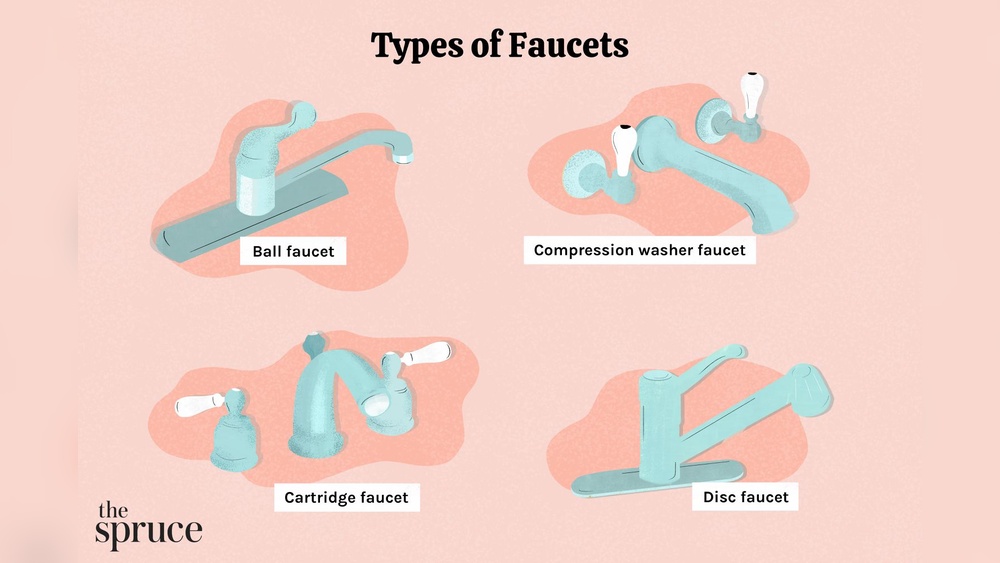
Inside every faucet, the valve is the heart. It controls the flow and temperature of water. If the valve is weak, you will face leaks, drips, or even sudden failures. There are four main types of faucet valves:
- Compression
- Ball
- Cartridge
- Ceramic disc
Compression and ball valves are older and less common in new homes. Now, cartridge and ceramic disc faucets are the top choices. Their popularity comes from their durability, smooth operation, and easy repair. But which one is better? Let’s look inside each type.
Understanding Ceramic Disc Faucets
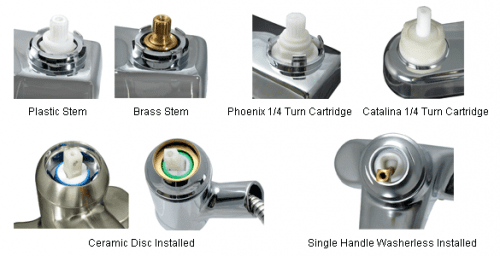
Ceramic disc faucets are known for their advanced design and long life. They use two flat, round ceramic discs inside a sealed chamber. One disc stays still while the other moves when you turn the handle. The discs slide across each other, lining up holes to let water through or blocking them to stop flow.
How Do Ceramic Disc Faucets Work?
When you turn the handle, you move one ceramic disc over the other. If the holes align, water flows. If not, it stops. The surfaces of the discs are polished so smooth that water cannot pass unless the holes match exactly.
This simple movement controls both water flow and temperature (in single-handle models).
Key Features Of Ceramic Disc Faucets
- Very durable: The discs are made from hard ceramic, second only to diamond in hardness.
- Smooth operation: They turn with a light touch, needing only a quarter or half turn.
- Resistant to wear: The discs do not grind against each other, so they last for decades.
- Less prone to leaks: The tight seal prevents drips, even after years of use.
Where Are Ceramic Disc Faucets Used?
You’ll find ceramic disc technology in most modern kitchen and bathroom faucets, especially those from high-end brands. They are common in both single-handle and double-handle faucets.
Understanding Cartridge Faucets
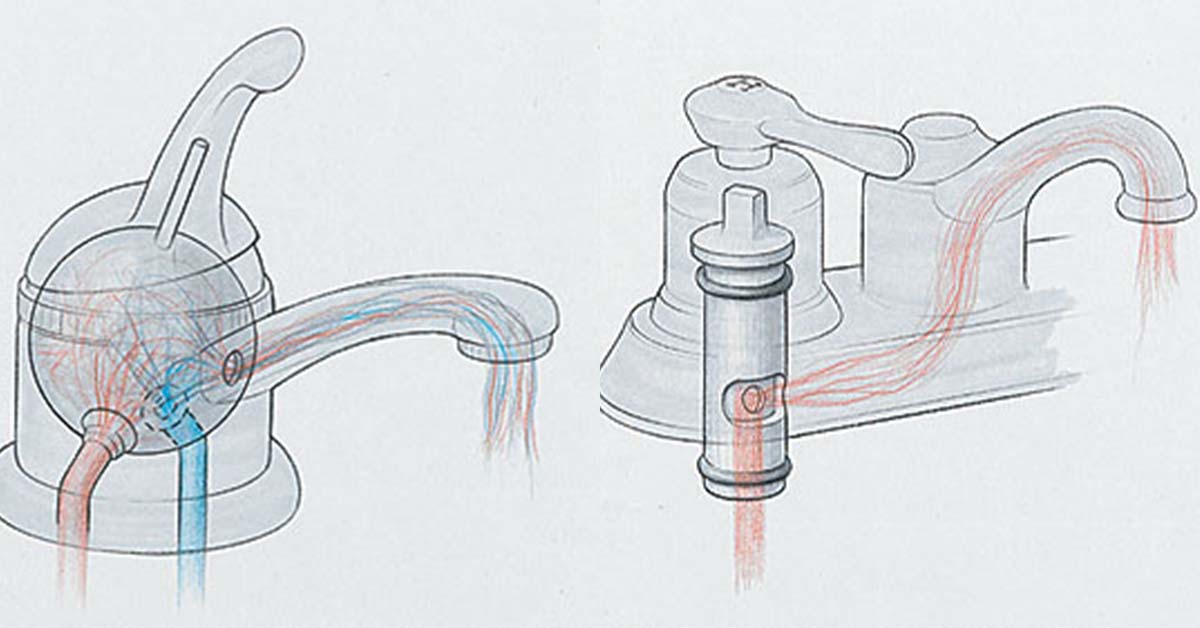
Cartridge faucets use a cylindrical cartridge to control water flow and temperature. The cartridge has small rubber washers or seals. When you move the handle, the cartridge slides or rotates, opening and closing passages for hot and cold water.
How Do Cartridge Faucets Work?
When you lift or turn the handle, the cartridge shifts. This movement opens or closes holes inside the cartridge, mixing hot and cold water as needed. Cartridges can be single-handle (mixing water in one unit) or double-handle (one for hot, one for cold).
Key Features Of Cartridge Faucets
- Easy to repair: Cartridges can be replaced quickly without special tools.
- Reliable operation: They provide smooth control over water flow and temperature.
- Affordable: Usually less expensive than ceramic disc faucets.
- Widely available: Many brands and models use cartridge valves.
Where Are Cartridge Faucets Used?
You’ll find cartridge valves in many mid-range and budget faucets. They are used in both homes and commercial settings. Cartridge faucets are popular because they are simple and cost-effective.
Head-to-head Comparison: Ceramic Disc Vs Cartridge
To make the differences clear, let’s compare these two types side by side:
| Feature | Ceramic Disc Faucet | Cartridge Faucet |
|---|---|---|
| Durability | Extremely long-lasting (10+ years typical) | Good, but may need replacement in 5-10 years |
| Operation | Very smooth, low effort, short handle movement | Smooth, but often needs more movement |
| Leak Resistance | Very high, less prone to drips | Good, but washers may wear out |
| Maintenance | Rarely needed, but repair can be costly | Easy and cheap to replace cartridge |
| Cost | More expensive upfront | Less expensive, more options |
| Water Quality Sensitivity | Can be sensitive to hard water minerals | Handles hard water better, but washers may wear |
Credit: valterra.com
Pros And Cons: Ceramic Disc Faucets
Advantages
- Long lifespan: Ceramic discs can last for decades with little wear.
- No-drip performance: Excellent seal means fewer leaks.
- Effortless turning: Great for people with arthritis or weak hands.
- Low maintenance: Rarely needs service if installed correctly.
Disadvantages
- Higher initial cost: They cost more to buy and install.
- Mineral buildup risk: Hard water can cause minerals to collect on the discs, making them stick or leak.
- Specialized repair: If the disc fails, repair can be expensive and parts may not be standard.
Pros And Cons: Cartridge Faucets
Advantages
- Affordable: Cheaper than ceramic disc models.
- Easy repair: Cartridges are widely available and simple to replace.
- Flexible design: Many models and styles use cartridge valves.
- Handles hard water better: Less risk of sticking from minerals.
Disadvantages
- Shorter lifespan: Cartridges and washers wear out faster.
- More frequent leaks: Rubber seals can fail, leading to drips.
- Feels less smooth: Operation can be less effortless than ceramic disc.
Real-world Performance: What Users Report
Many homeowners notice that ceramic disc faucets feel smooth and sturdy, even after years. They rarely drip and can go a decade or more without repair. However, if your water is very hard (full of minerals), discs may stick or leak unless you install a water softener.
Cartridge faucets are liked for their simplicity. If they leak, a new cartridge usually fixes the problem in minutes. But some users say the handles may feel loose over time, and leaks can return more often.
In a 2022 survey of 500 plumbers, 73% said ceramic disc faucets need fewer repairs than cartridge faucets after five years. But 61% said they replace more cartridge valves because homeowners can do the job themselves.
Which Lasts Longer: Ceramic Disc Or Cartridge?
If you want a faucet to last as long as possible, ceramic disc is usually the winner. The discs are almost as hard as diamonds. Unless the water is very dirty or full of minerals, they can last 10 to 20 years without failing.
Cartridge faucets are not weak, but the rubber parts inside the cartridge wear out. Most cartridges last 5 to 10 years, depending on use and water quality. Replacing a cartridge is cheap and easy, but it may need to be done more than once during the faucet’s life.
Water Quality: How It Affects Valve Life
Hard water—water with a lot of minerals—can cause problems for both types, but in different ways.
- Ceramic disc: Minerals can collect on the discs, making them stick or scratch. If the minerals get between the discs, leaks can start.
- Cartridge: Minerals can wear out rubber seals and block the small passages, causing leaks or harder turning.
If you live in an area with hard water, consider a water softener or be ready to clean your faucet valves more often. For ceramic disc faucets, this is especially important to keep them working smoothly.
Cost Comparison: Upfront And Long-term
Let’s look at the costs in more detail:
| Factor | Ceramic Disc Faucet | Cartridge Faucet |
|---|---|---|
| Initial Purchase Price | $80–$400 (typical range) | $30–$150 (typical range) |
| Installation Cost | Similar to cartridge, unless special tools needed | Usually standard install |
| Replacement Part Cost | $15–$80 for ceramic cartridge/disc | $5–$35 for cartridge |
| Repair Frequency | Rare, every 10–20 years on average | More often, every 5–10 years |
Ceramic disc faucets cost more at first, but you may save money over time because repairs are rare. Cartridge faucets are cheaper and easier to fix, but may need service more often.
Credit: www.finehomebuilding.com
Maintenance: What To Expect
Ceramic Disc Faucet Care
- Flush supply lines before installing to remove dirt.
- Clean aerator (the tip of the spout) once or twice a year.
- If handle feels stiff or leaks, remove the cartridge and soak in vinegar to dissolve minerals.
- Do not use harsh chemicals—they can scratch the ceramic.
Cartridge Faucet Care
- Replace the cartridge if water leaks or handle is hard to move.
- Check for worn washers or O-rings and replace as needed.
- Clean out any mineral deposits during cartridge changes.
Pro tip: Always turn off the water before taking apart any faucet.
Repair And Replacement: How Difficult Is Each?
If your faucet leaks, you’ll want to know how hard it is to fix.
- Ceramic disc: Repairs are less common, but the parts may cost more. Sometimes, you’ll need a special tool to remove the disc. Most people call a plumber for this job.
- Cartridge: Most cartridges can be replaced with a screwdriver and adjustable wrench. Many hardware stores carry replacements.
Insight: Some brands use special cartridges, so always bring the old part when shopping for a new one.
Feel And User Experience
Many users say ceramic disc faucets feel “luxurious” or “premium.” The handle moves with almost no effort. This is helpful for people with arthritis or children who struggle with stiff handles.
Cartridge faucets are smooth but may feel a bit looser over time. The difference is small, but noticeable if you use both types side by side.
Styles And Designs Available
Both types are available in many styles. You’ll find single-handle and double-handle models, as well as pull-down sprayers, wall mounts, and more.
- Ceramic disc: Often found in modern, high-end, or minimalist designs.
- Cartridge: More common in traditional, budget, or basic styles.
If you want a unique or designer faucet, ceramic disc valves are usually inside.
Common Mistakes When Choosing A Faucet Valve
Many buyers focus only on price or looks. Here are mistakes to avoid:
- Ignoring water quality: Hard water can damage any faucet. Know your water before buying.
- Not checking repair parts: Some faucets use rare cartridges, making repairs hard.
- Choosing style over function: A beautiful faucet is no good if it leaks or is hard to use.
- Skipping professional advice: Plumbers often know which brands and valves last longest in your area.
Insight: Always read reviews and ask your plumber before making a final choice.
Which Should You Choose: Ceramic Disc Or Cartridge?
There is no one-size-fits-all answer. It depends on your needs:
- Want the longest life and least maintenance? Choose ceramic disc.
- On a budget or want easy repairs? Choose cartridge.
- Have hard water? Cartridge may last longer, or use a water softener with ceramic disc.
- Need a faucet for a rental property? Cartridge is easier for tenants to repair.
- Want a “premium” feel? Ceramic disc is best.
Credit: www.finehomebuilding.com
Environmental Impact
Both types can help save water, but ceramic disc faucets are better at staying drip-free for longer, which means less wasted water. Cartridge faucets can leak more often, but are easier to fix, reducing the need for full replacements.
How To Tell Which Valve Your Faucet Uses
If you don’t know what’s inside your faucet, try this:
- Handle movement: If the handle turns only a quarter or half turn, it’s likely ceramic disc. If it turns more, it’s probably a cartridge.
- Age: Faucets made after 2000 are more likely to have ceramic discs, especially if they are high-end.
- Brand/model lookup: Search your faucet’s brand and model online to find specs.
- Take it apart: If you see a flat, shiny disc—ceramic. If you see a long cylinder with rubber parts—cartridge.
Leading Brands Using Each Type
Some top brands and their common valve types:
- Delta: Cartridge in most models, ceramic disc in high-end lines.
- Moen: Cartridge valves, but some luxury models use ceramic.
- Kohler: Uses both, but many kitchen faucets are ceramic disc.
- Grohe and Hansgrohe: Mostly ceramic disc.
- American Standard: Offers both types.
Always check the specs before you buy, as brands can use different valves in different models.
Real-life Example: Family Kitchen Upgrade
Anna’s family upgraded their old kitchen faucet to a ceramic disc model. After four years of heavy use—kids washing hands, cooking all day—the handle still moves like new. They’ve never had a leak. In their old cartridge faucet, Anna changed the cartridge twice in six years because of drips. For her, the extra cost of ceramic disc was worth it for peace of mind.
Industry Insights: What Plumbers Recommend
Most plumbers say ceramic disc faucets are the “install and forget” option. They cost more, but service calls are rare. In hard water areas, though, plumbers may recommend cartridge faucets because they’re easier to fix when minerals build up.
In hotels and restaurants, cartridge faucets are common because they’re cheap to repair and parts are always in stock.
For homeowners who want zero hassle, ceramic disc is top choice. For landlords or businesses, cartridge may be more practical.
Future Trends In Faucet Valves
Manufacturers are working to make both types better:
- Ceramic discs are getting coatings that resist minerals.
- Cartridges are being made with longer-lasting materials and fewer rubber parts.
Smart faucets now use both valve types, often with sensors and water-saving tech. The difference inside still matters, but both are getting more reliable.
For more technical details, see the Wikipedia entry on taps.
Frequently Asked Questions
What Is The Main Difference Between Ceramic Disc And Cartridge Faucets?
The main difference is how they control water. Ceramic disc faucets use two hard discs that slide over each other to open or close water flow. Cartridge faucets use a cylinder with moving parts and rubber seals. Ceramic discs last longer and feel smoother, while cartridges are easier and cheaper to repair.
How Do I Know Which Type My Faucet Is?
Check the handle movement. If it turns only a small amount (quarter or half turn), it’s likely ceramic disc. If it turns more, it’s probably a cartridge. You can also look up your faucet’s model or take it apart to see the valve inside.
Which Type Is Better For Hard Water Areas?
Cartridge faucets usually handle hard water better because rubber parts are less likely to stick from minerals. But they may need more frequent repairs. If you prefer ceramic disc, use a water softener or clean the discs often to avoid problems.
Are Ceramic Disc Faucets Worth The Higher Price?
For most people, yes. They last longer, leak less, and feel smoother to use. Over 10–20 years, you may save money by avoiding repairs. But if you are on a tight budget or expect to move soon, cartridge faucets are still a good option.
Can I Switch From Cartridge To Ceramic Disc In My Existing Faucet?
Usually, no. The faucet body is designed for one type of valve. You would need to buy a new faucet to switch types. If you want to upgrade, choose a ceramic disc model when it’s time to replace your faucet.
Final Thoughts
Both ceramic disc and cartridge faucets have strengths. Ceramic disc gives you long-lasting, leak-free performance and a luxury feel, but costs more upfront. Cartridge faucets are budget-friendly and easy to fix, but may need more frequent repairs. Think about your water quality, repair skills, and how much you want to spend—then choose the valve that fits your life best. With the right choice, you’ll enjoy years of trouble-free water flow in your home.