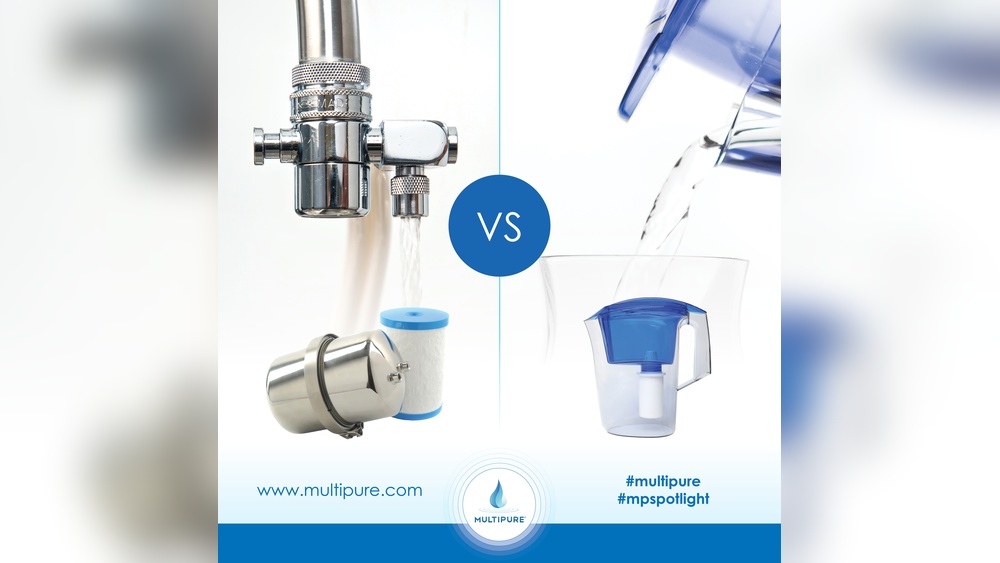
Brita Pitcher Vs Faucet Filter: Which Is Best for Your Home?
Brita Pitcher Vs Faucet Filter: Which One Should You Choose?
Clean water is something many people think about every day. In homes around the world, families want water that is safe, clear, and tastes good. Two common ways to filter tap water are the Brita pitcher and the faucet filter. Both are popular, but they work differently and fit different needs.
If you are trying to decide between a Brita pitcher and a faucet filter, you may have questions. Which one removes more contaminants? Is one easier to use or install? What about cost? This guide will answer all these questions and more.
You will learn the main differences, benefits, and drawbacks of each. By the end, you will know which filter fits your home and lifestyle.
How Each Filter Works
Understanding how these filters work is the first step. They use different methods to clean your water.
Brita Pitcher
A Brita pitcher is a plastic jug with a built-in filter. You fill the top with tap water, and as it passes through the filter, contaminants are removed. The filtered water collects in the bottom part, ready to pour.
The filter uses activated carbon and sometimes ion exchange resin. Activated carbon traps chlorine, odors, and some metals. Ion exchange resin can reduce lead and copper.
Brita pitchers do not need electricity or plumbing changes. You just fill, wait, and pour.
Faucet Filter
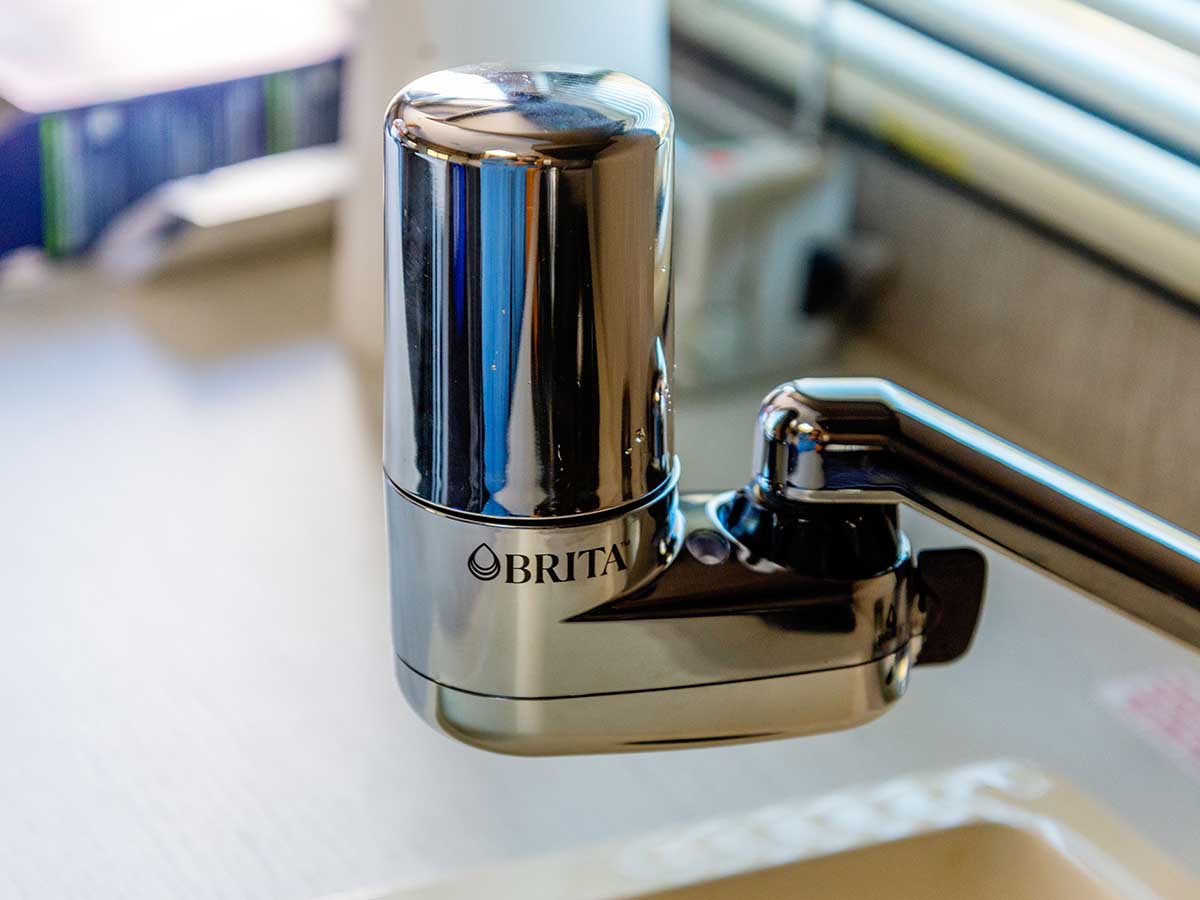
A faucet filter is a small device that attaches directly to your kitchen tap. Water flows through the filter as you turn on the faucet. The filter uses carbon, and sometimes ceramic or other materials, to trap contaminants.
Some faucet filters have a switch, so you can choose filtered or unfiltered water. This saves filter life for drinking and cooking, while washing dishes uses unfiltered water.
Faucet filters need installation, but most do not need tools. They fit common faucets, though not all types.
What Contaminants Do They Remove?
Both filters improve tap water, but they are not equal in what they remove. Here is a closer look.
Brita Pitcher
Brita pitcher filters can remove or reduce:
- Chlorine (taste and smell)
- Lead
- Copper
- Mercury
- Zinc
- Some particulates (sediment)
Brita pitchers are mainly designed to improve taste and smell. They remove some metals and particles, but not all. For example, they do not remove bacteria, viruses, or fluoride.
Faucet Filter
Faucet filters often remove a wider range of contaminants, such as:
- Chlorine
- Lead
- Mercury
- Pesticides
- Some microorganisms (with advanced filters)
- Sediment and rust
Some advanced faucet filters also reduce pharmaceuticals and herbicides. However, most standard models do not remove all bacteria or viruses. If your water is not treated by the city, a faucet filter alone may not be enough.
Side-by-side Comparison
Here is a quick look at what both filters typically remove:
| Contaminant | Brita Pitcher | Faucet Filter |
|---|---|---|
| Chlorine | Yes | Yes |
| Lead | Yes | Yes |
| Mercury | Yes | Yes |
| Microorganisms | No | Some models |
| Pesticides | No | Some models |
| Pharmaceuticals | No | Advanced models |
| Fluoride | No | No |

Credit: pureplusfilter.com
Installation And Ease Of Use
How easy is it to set up and use each type? Let’s look at the main differences.
Brita Pitcher
Setting up a Brita pitcher is simple:
- Wash the pitcher and parts with warm, soapy water.
- Soak the filter (if needed) in cold water for a few minutes.
- Insert the filter into the reservoir.
- Fill the top with tap water and let it drain.
There is no need for tools, plumbing, or electricity. Anyone can do it in a few minutes. Using the pitcher is also easy—just fill and pour. However, you must refill the pitcher each time it is empty. For large families, this can be a chore.
Faucet Filter
Faucet filters need a bit more effort to install:
- Unscrew the aerator (tip) from your faucet.
- Attach the filter device by screwing it on.
- Some models need adapters—these usually come in the box.
- Flush the filter with water before first use.
Most people can install a faucet filter in 5–10 minutes. Some faucets, like pull-out or spray types, may not be compatible. Always check before buying.
Using a faucet filter is very easy. Turn the lever or switch to choose filtered water. No need to refill—water is always ready.
Filtration Speed And Capacity
Speed and amount matter, especially for busy kitchens. Here’s how the two compare.
Brita Pitcher
Brita pitchers filter water slowly. Depending on model, it takes about 5–10 minutes to filter a full pitcher (usually 6–10 cups). If you need a lot of water at once, you must plan ahead.
Capacity is limited by pitcher size. A typical Brita pitcher holds 6 to 10 cups. For a big family, you may need to refill often.
Faucet Filter
Faucet filters work much faster. They filter water as it flows from the tap—usually 0.5 to 2 liters per minute. This is enough for washing, cooking, and filling bottles quickly.
There is no pitcher to fill, so you have unlimited filtered water (until the filter needs changing).
Real-world Example
Imagine you want to fill a pot for pasta. With a Brita pitcher, you may need to fill and pour several times. With a faucet filter, just turn on the tap and fill the pot directly. This difference is important for larger households.
Filter Life And Maintenance
How often do you need to change the filters? What does maintenance look like?
Brita Pitcher
Brita recommends changing the filter every 40 gallons (about 2 months for an average family). Some newer models have electronic reminders. If you forget, water taste can worsen, and filtering may slow down.
Maintenance is simple: wash the pitcher regularly and replace the filter. Filters are easy to find in stores.
Faucet Filter
Faucet filter life is often longer—100 to 200 gallons (3–4 months) depending on use and model. Most faucet filters have a reminder or indicator.
Maintenance means replacing the filter cartridge and occasionally cleaning the device. Some hard water areas may need cleaning more often to avoid buildup.
Quick Filter Life Comparison
| Filter Type | Typical Life (gallons) | Replacement Frequency |
|---|---|---|
| Brita Pitcher | 40 | ~2 months |
| Faucet Filter | 100–200 | 3–4 months |
Cost: Upfront And Over Time
Money is always a concern. Let’s break down the costs.
Brita Pitcher
- Upfront price: $20–$40, depending on size and features
- Filter replacement: About $6–$8 per filter
- Yearly cost: Around $40–$60 (for typical use)
The main cost is buying new filters regularly. Larger families may spend more.
Faucet Filter
- Upfront price: $25–$50 for a good model
- Filter replacement: $10–$15 per cartridge
- Yearly cost: About $40–$60
Faucet filters last longer per cartridge, but each costs more. Over time, costs are similar, but faucet filters may save money for bigger households because of higher capacity.
Non-obvious Insight
Many beginners forget to count the cost of unfiltered water wasted during flushing or rinsing filters. For faucet filters, you often need to run water to flush new cartridges, adding to your water bill over time.
Water Taste And Quality
Taste can be subjective, but most people notice a difference.
Brita Pitcher
Brita pitchers focus on improving taste. The carbon removes chlorine, which gives water a cleaner, fresher taste. Many people prefer the taste from a Brita pitcher over regular tap water.
However, the taste may not change much if your tap water is already good. If your water has a strong chemical or metallic taste, a Brita pitcher usually helps.
Faucet Filter
Faucet filters also improve taste by removing chlorine and some metals. Because they often reduce more contaminants, the water can taste even cleaner.
Some users say faucet-filtered water tastes “flat” compared to Brita, but this is rare. Most notice a positive change.
Example: City Vs. Well Water
If you use city water (treated with chlorine), both filters make a big difference in taste. For well water, a faucet filter may remove more contaminants, but neither type can handle bacteria or nitrates well.
Design And Convenience
Looks and convenience matter, especially in a busy kitchen.
Brita Pitcher
A Brita pitcher is portable. You can put it in the fridge for cold water or carry it to the table. It takes up space in your fridge or on the counter.
However, it can be bulky, especially large models. For small fridges, a standard Brita pitcher may not fit easily.
Faucet Filter
Faucet filters save fridge space. They do not take up counter space, but they add bulk to your faucet. Some users find them unattractive or awkward, especially with small sinks.
If you rent or share a kitchen, you may not want to change the faucet.
Non-obvious Insight
Some people forget to consider pitcher weight when full. A large Brita pitcher with water can be heavy and awkward for children or elderly people to handle.
Credit: www.pur.com
Environmental Impact
Filtering water at home reduces plastic bottle waste. But what about the filters themselves?
Brita Pitcher
Brita filters are mostly plastic. Brita has a recycling program in some countries, but not everywhere. Used filters should not go in normal recycling bins unless allowed locally.
A single Brita filter replaces about 300 plastic bottles. Still, filters add up over a year.
Faucet Filter
Faucet filters are also mostly plastic and must be replaced several times a year. Some brands offer recycling, but not all.
Because faucet filters last longer, they may create slightly less waste, but the difference is small.
Hidden Environmental Factor
Many people do not realize that shipping and packaging for replacement filters also add to the environmental footprint. Ordering filters in bulk can reduce packaging waste.
When To Choose A Brita Pitcher
A Brita pitcher is a good choice if you:
- Need filtered water for a small household (1–2 people)
- Want cold water from the fridge
- Prefer portable solutions (picnics, travel, or office)
- Cannot install anything on your faucet (rental, incompatible tap)
- Are mainly interested in better taste and not heavy contaminant removal
When To Choose A Faucet Filter
A faucet filter may be better if you:
- Have a large household or high water use
- Want fast, on-demand filtered water
- Need to filter cooking and washing water as well as drinking
- Want to remove a wider range of contaminants
- Do not mind a device on your faucet
Real-world Scenarios
Let’s look at some examples to make the choice clearer.
Single Person Or Couple In A Small Apartment
If you live alone or with one other person, and you mostly drink water and make coffee or tea, a Brita pitcher is enough. It is easy to use, fits in the fridge, and does not need installation.
Family Of Four In A House
A larger family will use more water. Filling a Brita pitcher all the time can get tiring. A faucet filter gives unlimited filtered water for all needs—drinking, cooking, and cleaning.
Renter With Old Pipes
If you rent, your landlord may not allow faucet changes. A Brita pitcher is safe and portable. However, if your tap water has high lead (common in old pipes), check if your pitcher filter is certified for lead removal.
Busy Kitchen With Many Cooks
Cooking often means filling large pots and washing vegetables. With a Brita pitcher, you may run out of water often. A faucet filter is better for busy kitchens.
Certification And Testing
Not all filters are equal. Look for NSF/ANSI certification—this proves the filter has been tested for safety and performance.
- NSF 42: Reduces chlorine, taste, and odor
- NSF 53: Reduces health-related contaminants (lead, cysts, etc.)
Before you buy, check for these labels. Many off-brand filters lack real certification.
Common Mistakes To Avoid
People often make these errors:
- Forgetting to change filters. Old filters stop working and may even release trapped contaminants.
- Choosing the wrong size. A small pitcher for a large family or a faucet filter that does not fit your tap leads to frustration.
- Ignoring local water reports. Some areas need special filters. Always read your city’s water report before buying.
- Not flushing new filters. Both pitcher and faucet filters need flushing before first use to remove carbon dust.
- Overestimating filter abilities. Neither type removes all contaminants. For well water or known bacteria, use a stronger system (like reverse osmosis or UV).
Pros And Cons Overview
To help you see the main strengths and weaknesses, here is a summary:
| Feature | Brita Pitcher | Faucet Filter |
|---|---|---|
| Setup | Very easy | Easy, but some taps incompatible |
| Speed | Slow | Fast |
| Capacity | Limited | Unlimited |
| Contaminant Removal | Basic | Better (most models) |
| Portability | High | Low |
| Maintenance | Simple | Simple |
| Cost | Low–Medium | Low–Medium |
| Design | Bulky in fridge | Bulky on faucet |
Final Decision: Which Is Best For You?
There is no single “best” filter—each fits different needs. The Brita pitcher is great for small homes, cold water, and portability. The faucet filter is better for busy kitchens, high water use, and more complete contaminant removal.
Think about your water use, family size, tap type, and local water quality. If in doubt, start with a Brita pitcher. It is cheaper and portable. If you need more, upgrade to a faucet filter.
If you want to learn more about water filter standards and safety, you can check the EPA’s official guide.
Credit: www.bobvila.com
Frequently Asked Questions
How Often Should I Change My Brita Pitcher Or Faucet Filter?
Brita pitchers usually need a new filter every 40 gallons or 2 months. Faucet filters last longer—100 to 200 gallons or 3–4 months. Always check your model’s instructions and your water usage.
Can I Use Both A Brita Pitcher And A Faucet Filter Together?
Yes, you can use both for extra peace of mind. For example, use a faucet filter for cooking and a Brita pitcher for cold drinking water. However, this is rarely needed for city water.
Do These Filters Remove Bacteria And Viruses?
Most Brita pitchers and faucet filters do not remove bacteria or viruses. For well water or unsafe sources, use a system certified for microbiological reduction (like UV or reverse osmosis).
Are Replacement Filters Easy To Find?
Yes, both Brita and major faucet filter brands sell replacement filters in stores and online. Watch out for off-brand filters—they may not fit well or work as claimed.
Will A Faucet Filter Fit My Kitchen Tap?
Most faucet filters fit standard faucets. They may not work with pull-out, spray, or designer taps. Always check compatibility before buying.
Choosing the right filter makes your water safer and better-tasting. Take a few minutes to think about your needs, and you will make a decision you can trust for years to come.