Are Faucet Cartridges Universal? What You Need to Know
Are Faucet Cartridges Universal?
If you have a leaky faucet or want to upgrade your bathroom or kitchen, you might wonder about faucet cartridges. These small parts control water flow and temperature inside many modern faucets. When a faucet starts dripping or works poorly, replacing the cartridge is often the solution. But here’s the big question: are faucet cartridges universal? Can you just buy any cartridge and expect it to fit? The answer is more complex than it may seem.
Understanding cartridge compatibility can save you time, money, and frustration. If you get this wrong, you might end up with a non-working faucet, wasted money, or even water damage. This article explains everything you need to know about faucet cartridges, how they work, why they are not universal, and how to find the right one for your faucet.
You’ll learn about different types, brand differences, measuring and identifying the right cartridge, and get practical tips to avoid common mistakes.
What Is A Faucet Cartridge?
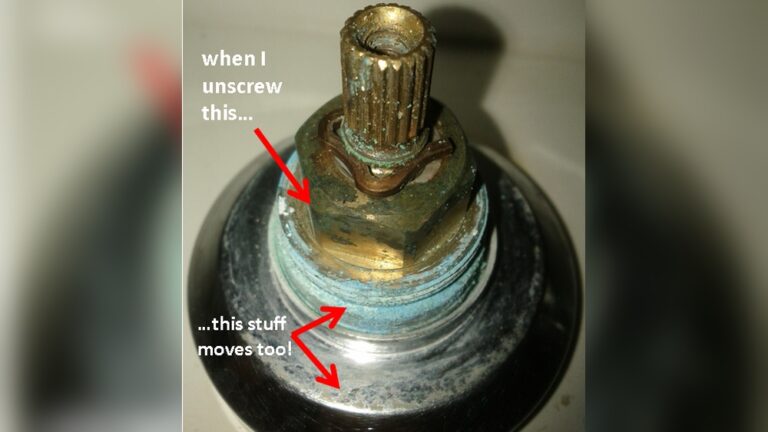
A faucet cartridge is a small internal part inside many single- and double-handle faucets. It acts like a valve, controlling the water flow and mixing hot and cold water. When you move the handle, the cartridge moves to let water through or to stop it.
How It Works
Inside the cartridge, holes open and close as you twist or lift the handle. This action lets you turn water on or off and adjust the temperature. A well-functioning cartridge makes the faucet operate smoothly and prevents leaks.
Types Of Cartridge Faucets
Most modern faucets, especially single-handle models, use cartridges. Older faucets may use washers or ball valves instead. Cartridges are now common because they last longer, need less maintenance, and are easier to replace.
Are All Faucet Cartridges The Same?
This is one of the most common questions from homeowners. The simple answer is no, faucet cartridges are not universal. There are many reasons for this.
Brand And Model Differences
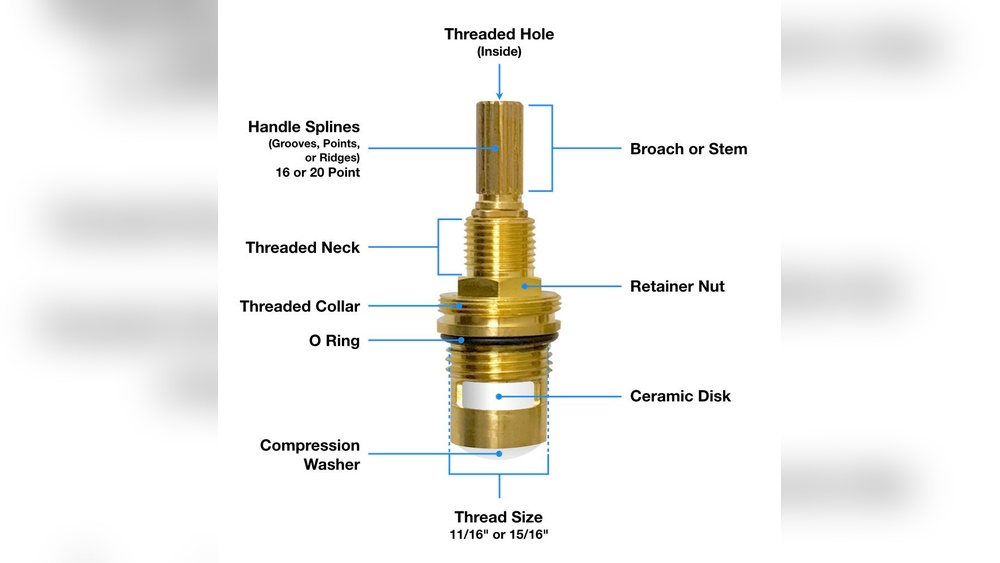
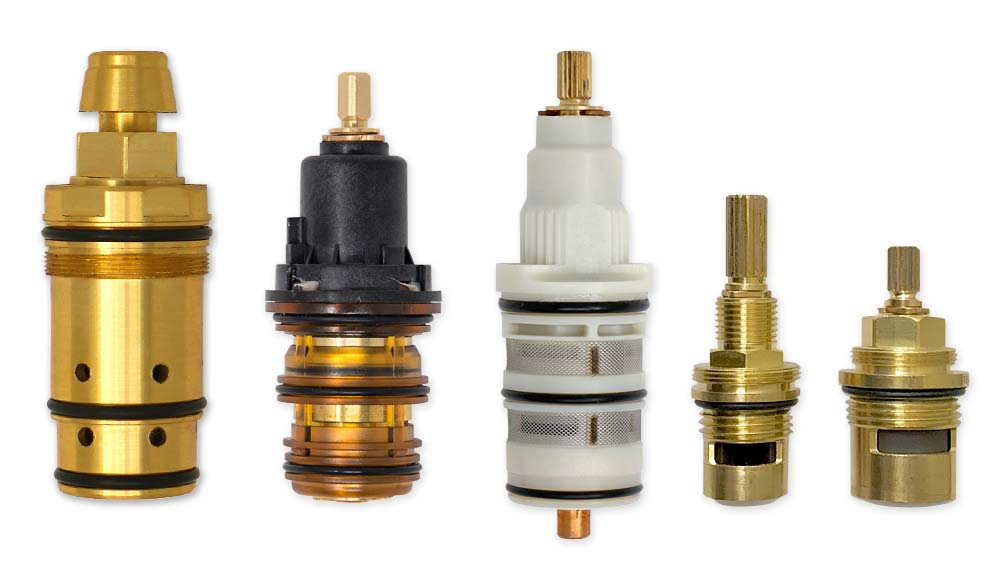
Faucet manufacturers design cartridges specifically for their own faucets. Even within one brand, different models often use different cartridges. The size, shape, and even small details like the number of splines or notches can vary.
Material And Mechanism Variations
Some cartridges are made of brass, others of plastic or ceramic. The design and inner mechanisms differ. For example, ceramic cartridges use two ceramic discs, while compression cartridges use rubber washers. These differences affect how the faucet feels and operates.
Measurement Matters
Cartridges come in different lengths, widths, and connection types. Even a few millimeters of difference can make a cartridge not fit or leak.
Quick Example
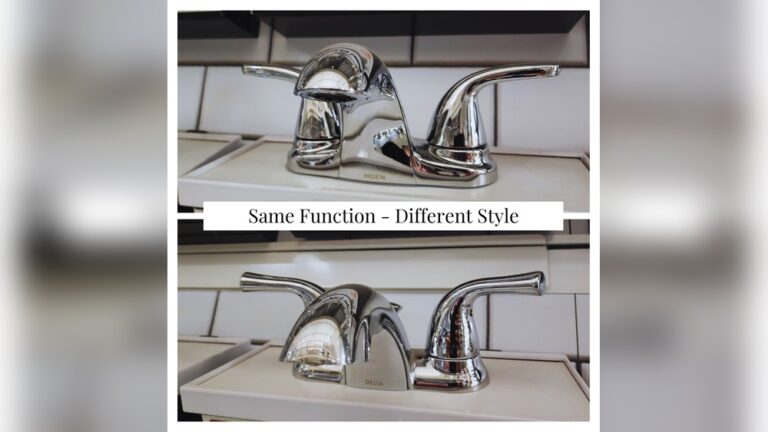
Let’s say you have a Moen faucet. Moen cartridges are famous for their unique design. If you try to use a Delta cartridge, it will not fit, even if the handles look the same from the outside.

Credit: www.amazon.com
Types Of Faucet Cartridges
There are three main types of faucet cartridges in use today. Each type works differently and fits specific faucets.
1. Ceramic Disc Cartridges
These are common in newer faucets. They use two smooth ceramic discs that slide over each other to control water flow. They last a long time and resist mineral buildup.
- Advantages: Long life, smooth operation
- Common brands: Kohler, Grohe
2. Compression Cartridges
These use rubber washers that compress to stop water. You usually find them in older double-handle faucets.
- Advantages: Cheap, easy to find
- Common brands: American Standard, Price Pfister
3. Ball Cartridges
Popularized by Delta, these have a ball with holes that align to control water flow and temperature. Used mostly in single-handle kitchen faucets.
- Advantages: Good for single-handle faucets, easy to repair
- Common brands: Delta
Cartridge Differences By Brand
The most important thing to understand is that brand matters. Here’s a closer look at some top faucet brands and how their cartridges differ.
| Brand | Typical Cartridge Type | Notes |
|---|---|---|
| Moen | Cartridge (1222, 1225) | Unique tab system, not interchangeable with others |
| Delta | Ball, Ceramic | Ball cartridges are Delta-only; RP50587 for single-handle |
| Kohler | Ceramic Disc | Many unique shapes, not cross-compatible |
| Grohe | Ceramic Disc | European sizing, often metric |
| American Standard | Compression, Ceramic | Wide variety, check model carefully |
Why Do Brands Make Unique Cartridges?
Each brand develops its own technology for better performance, to avoid leaks, or simply to stand out. This means their cartridges fit their faucets only.
Can Aftermarket Cartridges Work?
Some companies make “universal replacement cartridges. ” These may fit several models, but they rarely cover all brands. It’s risky to buy a universal cartridge unless you know it matches your faucet exactly.
Key Factors When Choosing A Faucet Cartridge
If you need to replace a cartridge, focus on these factors to avoid mistakes:
1. Brand And Model
Find your faucet’s brand and model number. It’s often printed under the handle, on the faucet base, or in the manual.
2. Cartridge Length And Shape
Cartridges come in different lengths and shapes. Even if they look similar, small size differences matter. Use a ruler or caliper to measure the old cartridge.
3. Number Of Splines Or Notches
Check the splines (grooves) or notches at the end of the cartridge. These must match the faucet handle.
4. Material
Some people prefer ceramic for durability, while others use plastic for price. Use the same material as your old cartridge if possible.
5. Handle Type
Single-handle and double-handle faucets use different cartridges. Don’t mix them up.
6. Hot Or Cold Side
Some cartridges are designed for the hot or cold side only. Installing them wrong can cause leaks or reverse temperature controls.
How To Identify The Right Cartridge
Finding the correct cartridge may seem hard, but there are practical steps to make it easier.
Step 1: Check Documentation
If you still have the faucet’s manual, it usually lists the cartridge part number. Some brands have stickers under the sink or inside the cabinet.
Step 2: Remove The Old Cartridge
Turn off the water, remove the handle, and pull out the old cartridge. Take a photo and measure its length, width, and the shape of the end.
Step 3: Visit A Hardware Store
Bring the old cartridge to a plumbing supply store. Staff can often match it by sight. Hardware stores have display boards with sample cartridges.
Step 4: Use Online Tools
Many brands offer online guides. For example, Moen and Delta have websites with cartridge ID tools. You enter the faucet model or upload a picture.
Step 5: Compare Carefully
Check every detail: length, width, spline count, and any O-rings or tabs. A small difference can make the new cartridge not fit or leak.
Common Problems When Replacing Cartridges
Homeowners often make mistakes that lead to leaks, stuck handles, or damaged faucets. Here’s how to avoid them.
Forcing The Cartridge
Don’t force a cartridge into place. If it doesn’t fit easily, it’s probably the wrong one.
Not Matching The Brand
Using a cartridge from another brand almost never works. Always match the brand and model.
Skipping Lubrication
Some cartridges need a small amount of plumber’s grease on the O-rings to seal properly. Skipping this step can cause leaks.
Reusing Old Parts
Always use the new O-rings and seals that come with the cartridge. Old rubber can crack and leak.
Not Flushing The Lines
Before installing the new cartridge, flush the water lines by turning the water on for a few seconds with the cartridge out. This removes any debris.
Cartridge Lifespan And Maintenance
Most ceramic disc cartridges last 5–10 years or more. Compression cartridges may wear out in 2–5 years, especially if you have hard water.
Signs You Need A New Cartridge
- Dripping faucet, even when off
- Hard to turn handle
- Uneven water temperature
- Handle feels loose
Maintenance Tips
- Clean aerators regularly to prevent buildup
- Replace cartridges at the first sign of trouble
- Use only genuine parts for best results
Are Universal Faucet Cartridges A Myth?
Many hardware stores sell “universal” cartridges. The truth is, no cartridge is truly universal. Here’s why:
Differences In Size And Shape
Cartridges have dozens of size and shape combinations. A universal cartridge may fit a few brands, but never all.
Limited Compatibility
Universal cartridges often fit only common, older faucet types. They may not work with modern or designer faucets.
Risk Of Leaks
A nearly-right cartridge can cause slow leaks or poor handle movement. Even a tiny gap can cause problems over time.
When Universal Cartridges Work
They may solve problems for older, double-handle faucets with simple compression cartridges. For modern faucets, always use brand-specific parts.
Real-world Examples: When Cartridges Are Not Universal
Let’s look at two examples to see why cartridges are not universal.
Example 1: Moen Vs. Delta
A Moen 1225 cartridge fits many Moen single-handle faucets. If you try to use it in a Delta faucet, the handle won’t attach, and water will leak. The splines are different, and the length doesn’t match.
Example 2: Grohe Vs. Kohler
Grohe faucets use metric sizing, while Kohler uses US standards. Even if the diameter looks similar, the tabs and seals are in different positions.
Data On Cartridge Sizes
Here is a quick comparison of common cartridge sizes:
| Brand | Cartridge Length (mm) | Diameter (mm) | Notes |
|---|---|---|---|
| Moen 1225 | 101 | 17 | Single-handle, post-1980 |
| Delta RP50587 | 93 | 16 | Single-handle, 2010s |
| Kohler GP800820 | 95 | 18 | Ceramic disc |
| American Standard 994053-0070A | 89 | 17 | Compression, older models |
Even a 1 mm size difference means the cartridge won’t seal correctly.
How To Find Your Faucet Cartridge Model
Finding the right cartridge saves time and prevents leaks. Here’s a step-by-step guide:
- Check for brand markings under the faucet, on the escutcheon plate, or in the manual.
- Take a clear photo of the old cartridge, including all sides.
- Measure length and diameter with a ruler or caliper.
- Count splines or check notches at the base.
- Visit a plumbing supply store with the cartridge.
- Use online identification tools from major brands.
- Call the manufacturer’s support if you’re stuck; they can often help by phone or email.
Non-obvious Insights Most Beginners Miss
1. Cartridge Orientation Matters
Some cartridges must be installed in a specific direction. Installing it upside-down can reverse hot and cold water or cause leaks.
2. O-ring Placement Is Critical
Tiny O-rings seal the cartridge. Missing or misplacing an O-ring can cause a slow leak inside your faucet body, which is hard to spot until water damage appears under your sink.
3. Hard Water Can Shorten Cartridge Life
If you live in an area with hard water, mineral buildup can wear out cartridges faster. Consider using a water softener or cleaning the cartridge regularly.
4. New Cartridges Can Have Manufacturing Differences
Even genuine parts can change slightly over time. Check every detail of the new cartridge before installing, and don’t assume it’s identical to your old one.
5. Don’t Forget To Flush Debris
After removing the old cartridge, open the faucet for a second to flush out dirt. This prevents clogging the new cartridge’s fine holes.
The Cost Of Wrong Cartridge Choice
Choosing the wrong cartridge can lead to:
- Persistent leaks, raising your water bill
- Damaged faucet or countertop
- Wasted money on returns
- Need for a plumber, raising repair costs
Cartridges cost $10–$50 on average. But a single leak can cause hundreds of dollars in water damage if ignored.
Tips For Buying Faucet Cartridges Online
Buying online is convenient, but you must be careful.
- Always check the model number on the product page.
- Read reviews to see if others with your faucet had success.
- Check return policies in case the cartridge doesn’t fit.
- Beware of cheap knockoffs—they may fit but not last.
One reliable resource for cartridge identification is the Wikipedia Faucet Article.
Are Any Faucet Cartridges Universal At All?
A few “universal” cartridges exist for basic, old-style compression faucets. These are mostly for low-cost two-handle bathroom or laundry faucets. For most modern kitchen or bathroom faucets, no universal cartridge exists.
Future Trends In Faucet Cartridges
Manufacturers are working toward more standardized cartridges, but progress is slow. Many brands still prefer their own designs for performance and brand loyalty. In the future, you might see more “modular” cartridges that fit multiple models, but for now, careful identification is required.
Frequently Asked Questions
Are Faucet Cartridges Universal?
No, faucet cartridges are not universal. Each brand and even different models within a brand use their own cartridge shapes, sizes, and designs. Always check your faucet’s brand and model before buying a replacement.
Can I Use A Universal Cartridge In My Faucet?
Universal cartridges only fit some old-style compression faucets. Most modern single-handle or designer faucets need brand-specific cartridges. Using the wrong one can cause leaks or damage.
How Do I Know Which Cartridge I Need?
Find your faucet brand and model number (often under the handle or on the faucet base). Remove the old cartridge and take it to a hardware store, or use online identification tools from the manufacturer.
Credit: sigmafaucetparts.com
What Happens If I Install The Wrong Cartridge?
Installing the wrong cartridge can lead to leaks, poor handle movement, or a faucet that doesn’t work at all. In some cases, it can damage the faucet and require expensive repairs.
How Long Does A Faucet Cartridge Last?
Ceramic disc cartridges last 5–10 years or more. Compression cartridges may last 2–5 years, depending on water quality and usage. Hard water can shorten cartridge life.
Choosing the right faucet cartridge is essential for a leak-free, smooth faucet experience. While universal cartridges sound convenient, they rarely work outside a narrow range of older, basic faucets. Take time to identify your faucet’s brand and model, measure carefully, and buy only the correct cartridge.
This attention to detail pays off in reliability and peace of mind.

Credit: www.amazon.com