How Does a Bathtub Faucet Work? Simple Guide for Homeowners
A warm bath can melt away stress in minutes, but have you ever wondered what makes your bathtub faucet work? Most people only pay attention to this fixture when it drips or refuses to cooperate. But behind the smooth flow of water is a surprisingly clever system of valves, pipes, and controls.
Understanding how a bathtub faucet works doesn’t just satisfy curiosity—it helps you solve problems faster, avoid plumbing disasters, and even make smarter choices when upgrading your bathroom.
Let’s dive deep into the world of bathtub faucets. We’ll go beyond the basics, explore the different types, reveal how they control temperature and flow, break down the main parts, explain installation and maintenance, and even share tips for troubleshooting.
By the end, you’ll have a complete, practical guide to this important (but often ignored) part of your home.
What Is A Bathtub Faucet?
A bathtub faucet is a plumbing fixture designed to deliver water into your bathtub. Unlike a sink faucet, it usually has a higher flow rate. This is because it needs to fill a large volume—the average bathtub holds between 40 and 80 gallons (150-300 liters) of water. Bathtub faucets also allow you to control the temperature and pressure of the water, making your bath safe and comfortable.
Main Functions
- Delivering hot and cold water: Connects to both hot and cold supply lines.
- Mixing water: Lets you adjust the balance for your preferred temperature.
- Controlling flow: Start, stop, or adjust the amount of water.
- Switching between tub and shower: Many faucets include a diverter for this purpose.
Key Parts Of A Bathtub Faucet
A bathtub faucet is more than just the spout you see. Here’s a look at the main components, both visible and hidden:
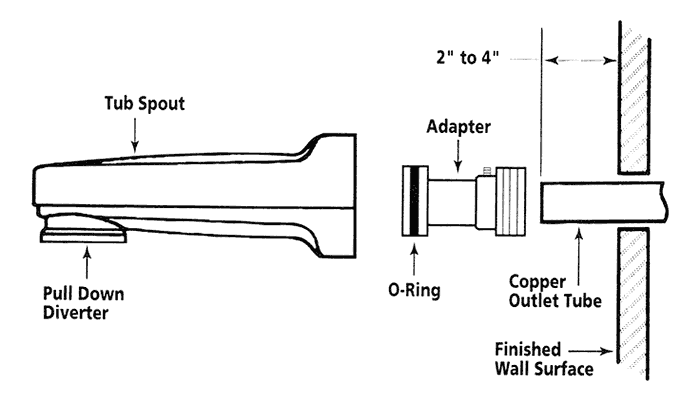
- Spout: The part where water flows out into the tub.
- Handles or knobs: Used to control water temperature and flow. Some faucets have one handle, others have two or three.
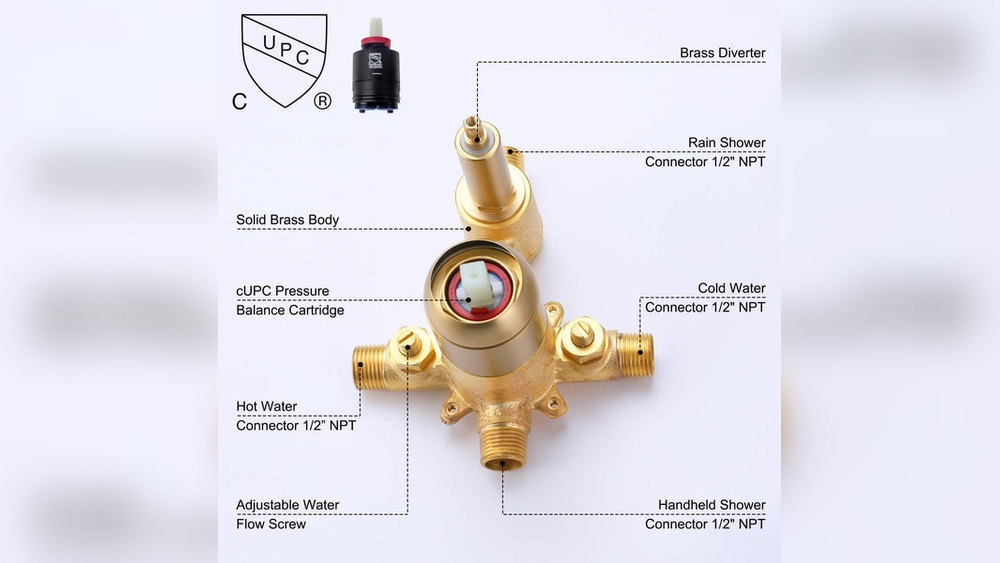
- Valve: The heart of the faucet, responsible for mixing hot and cold water and regulating flow.
- Diverter: A switch or lever that sends water to the showerhead instead of the tub spout (for combo setups).
- Escutcheon: A decorative plate that covers the hole in the wall and hides the plumbing.
- Cartridge or stem: Inside the valve, this piece moves to allow or block water.
- Aerator: Not common on tub faucets, but some models use one to shape the flow.
- Mounting hardware: Screws, nuts, and brackets that hold everything in place.
Hidden Parts
Behind the wall, the supply lines (pipes) bring hot and cold water to the faucet. The plumbing rough-in includes elbows, tees, and connections to the main water supply.
How Does A Bathtub Faucet Work? The Complete Process
To understand the working mechanism, let’s follow the journey of water from your home’s pipes to your bathtub:
- Water Supply: Your home’s plumbing system delivers hot and cold water through separate pipes. The hot water comes from your water heater, and the cold comes from the main supply.
- Mixing Valve: When you turn the faucet handle(s), you open a valve inside the wall. This valve mixes the hot and cold water together. The amount you open each side determines the temperature.
- Flow Control: The valve also controls how much water comes out. The more you open it, the stronger the flow.
- Diverter (if present): If your tub has a shower, a diverter redirects water up to the showerhead when you pull a lever or push a button.
- Spout: Water finally flows out of the spout and into your tub.
Example: Filling Your Bathtub
Suppose you want a warm bath. You turn the handle(s) until the water feels right. The mixing valve adjusts the hot/cold ratio automatically. Water pours out of the spout, quickly filling the tub. If someone else uses hot water elsewhere in the house, the temperature might change—this is a sign of a basic (not pressure-balancing) valve.
Types Of Bathtub Faucets
There are several kinds of bathtub faucets, each with unique features and installation needs. Here are the main types:
| Type | Main Features | Best For |
|---|---|---|
| Single-Handle | One lever or knob controls both temperature and flow | Modern, simple designs; easy to use |
| Double-Handle | Separate handles for hot and cold | Classic styles; precise temperature control |
| Triple-Handle | Hot, cold, and diverter handles | Older homes; shower/tub combos |
| Wall-Mount | Spout and controls attached to wall | Most common; easy cleaning |
| Deck-Mount | Mounted on the tub rim | Freestanding tubs; modern luxury |
| Freestanding | Exposed pipes, stands beside tub | Clawfoot tubs; vintage style |
More On Key Types
- Single-handle faucets simplify use, especially for children and people with limited mobility.
- Double-handle faucets allow more precise control but take longer to adjust.
- Freestanding faucets can make a bathroom look luxurious, but installation is more complex and expensive.

Credit: www.rbrohant.com
The Mixing Valve: Heart Of The System
The mixing valve is the most important part you never see. It sits behind the wall and is responsible for:
- Blending hot and cold water
- Maintaining your chosen temperature
- Managing water pressure
Types Of Mixing Valves
- Compression Valve: Oldest type, uses rubber washers. Common in two-handle faucets.
- Cartridge Valve: Uses a cartridge to control flow and temperature. Found in both single and double-handle designs.
- Ball Valve: Uses a rotating ball with holes to mix water. Popular in single-handle faucets.
- Ceramic Disc Valve: Two ceramic discs glide to open or block water. Very durable, found in high-end faucets.
- Pressure-Balancing Valve: Adjusts automatically if water pressure changes (for example, someone flushes a toilet).
- Thermostatic Valve: Lets you set a precise temperature. If supply changes, it automatically adjusts to keep the water safe.
| Valve Type | Durability | Maintenance | Special Feature |
|---|---|---|---|
| Compression | Low | Frequent washer changes | Simple, cheap |
| Cartridge | Medium | Replace cartridge | Easy to repair |
| Ball | Medium | O-rings may leak | Smooth operation |
| Ceramic Disc | High | Rarely fails | Long life, less leaks |
| Pressure-Balancing | High | Occasional cleaning | Prevents scalding |
| Thermostatic | High | Professional service | Precise temperature |
Non-obvious insight: Many people don’t realize that upgrading to a pressure-balancing or thermostatic valve can prevent sudden temperature changes, making your bath much safer and more comfortable—especially in homes with old plumbing.
Flow Rate And Water Pressure
The flow rate of a bathtub faucet is usually 4-7 gallons (15-26 liters) per minute, much higher than a typical sink faucet (about 1.2-2.2 gallons per minute). This high flow is necessary to fill the tub quickly.
Factors Affecting Flow Rate
- Pipe size: Larger pipes move more water.
- Water pressure: Low pressure means slow filling.
- Valve design: Some valves restrict flow for safety or water-saving.
Example
If your faucet delivers 5 gallons per minute, it will take about 10 minutes to fill a 50-gallon tub. If you notice it takes much longer, check for mineral buildup in the spout or supply lines.
Practical tip: If your bath fills slowly, the problem might be a clogged aerator, old pipes, or a partially closed valve—not always the faucet itself.
How The Diverter Works
The diverter is the part of the faucet that switches water from the tub spout to the showerhead. Here’s how the common types work:
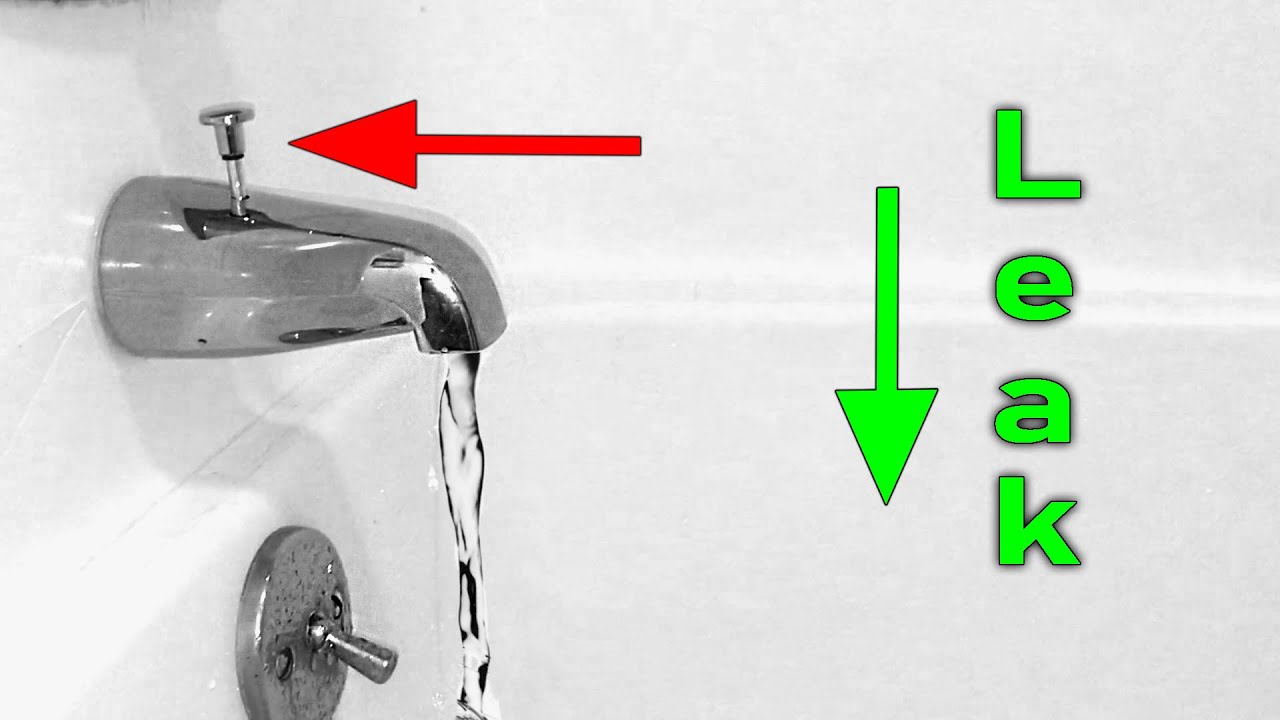
- Spout Diverter: A knob or lever on top of the tub spout. Pull up to block the spout’s opening, forcing water up the shower pipe.
- Third Handle: In triple-handle faucets, one handle turns to send water to the shower.
- Button or Slide Diverter: Some modern faucets use a push-button or sliding bar.
Common Problems
- Stuck diverter: Usually caused by mineral deposits.
- Water leaks from spout when shower is on: The diverter isn’t sealing well.
Non-obvious insight: Regularly cleaning the diverter and spout can prevent most issues. Many people replace the whole faucet when only the diverter needs attention.
Installation: What Happens Behind The Wall
Installing a bathtub faucet is more complex than a sink faucet because it involves hidden plumbing. Here’s a simplified look at the process:
- Shut off water supply.
- Remove old faucet (if replacing).
- Access the wall: Usually via a removable panel or by cutting drywall.
- Connect hot and cold supply lines to the mixing valve.
- Attach the valve and diverter according to manufacturer instructions.
- Install spout and handles.
- Seal wall openings and test for leaks.
Special Considerations
- Valve placement: Must be at a comfortable height (usually 28-36 inches above floor).
- Pipe alignment: Poor alignment leads to leaks or difficult repairs.
- Building codes: Some areas require anti-scald devices.
Pro tip: Even if you’re handy, hiring a licensed plumber ensures safety and code compliance.
Credit: www.plumbingsupply.com
Maintenance Tips For Long-lasting Faucets
A bathtub faucet can last 15-20 years or more with proper care. Here’s how to keep yours in top shape:
- Clean aerators and spout: Mineral deposits reduce flow.
- Check for leaks: Drips waste water and signal worn-out parts.
- Lubricate handles: If they get stiff, a little plumber’s grease helps.
- Replace washers or cartridges: When you notice drips or poor mixing.
- Flush the valve: Occasionally run hot and cold water to clear debris.
Signs You Need Repairs
- Difficulty turning handles
- Unusual noises (rattling, squealing)
- Water temperature changes suddenly
- Visible corrosion or leaks
Non-obvious insight: Many leaks start as small drips. Fixing them quickly saves water and prevents damage inside your walls.
Common Problems And Troubleshooting
Bathtub faucets are reliable, but problems do happen. Here’s how to tackle the most frequent issues:
1. Dripping Faucet
- Cause: Worn-out washer, cartridge, or O-ring.
- Solution: Shut off water, remove handle, and replace the faulty part.
2. Low Water Flow
- Cause: Clogged aerator (if present), mineral buildup, or low supply pressure.
- Solution: Clean the spout, check supply valves, or call a plumber if pipes are blocked.
3. Stiff Or Hard-to-turn Handles
- Cause: Mineral deposits or worn cartridge.
- Solution: Remove handle, clean, and lubricate or replace cartridge.
4. Water Comes Out Of Both Spout And Shower
- Cause: Worn diverter.
- Solution: Clean or replace the diverter.
5. Sudden Temperature Changes
- Cause: Old valve without pressure balance.
- Solution: Upgrade to a pressure-balancing or thermostatic valve.
Pro tip: Keep the manufacturer’s manual. It helps you identify parts and order replacements.
Choosing The Right Bathtub Faucet
When shopping for a new bathtub faucet, consider these factors:
- Valve type: Pressure-balancing or thermostatic valves are safest.
- Number of handles: Single is easier, but double offers more control.
- Installation type: Wall-mount is standard; deck-mount for certain tubs.
- Style and finish: Match your bathroom decor.
- Flow rate: Higher rates fill tubs faster but may use more water.
- Compatibility: Ensure the new faucet matches your existing plumbing.
Common Buyer Mistakes
- Ignoring valve compatibility: Not all valves fit all faucets.
- Choosing looks over function: Fancy spouts might not match your needs.
- Skipping anti-scald features: Safety should come first, especially for homes with children or elderly residents.
For more details on plumbing standards, check out the official Plumbing Code.
Bathtub Faucet Innovations
Modern bathtub faucets now include features like:
- Touch or motion sensors
- LED temperature indicators
- Water-saving designs
- Built-in filters to reduce mineral buildup
While these extras can be convenient, always check whether they complicate installation or maintenance. Simple, durable faucets are often a better choice for busy families.
Credit: www.youtube.com
Safety: Preventing Burns And Injuries
Hot water scalds are a real danger, especially for children and seniors. Here’s how modern faucets help:
- Anti-scald valves: Pressure-balancing and thermostatic models protect against sudden temperature spikes.
- Temperature limit stops: Some faucets let you set a maximum temperature.
- Smooth handles: Easier to use for people with arthritis or limited hand strength.
Non-obvious insight: Setting your water heater to 120°F (49°C) reduces the risk of burns, even if someone accidentally turns the handle all the way to hot.
Environmental Impact And Water Conservation
Bathtub faucets use a lot of water. Here’s how you can reduce your impact:
- Install a flow restrictor: Some models can lower flow to 2.5 gallons per minute.
- Fix leaks quickly: A dripping faucet can waste over 2,000 gallons (7,500 liters) per year.
- Choose WaterSense-labeled faucets: These meet EPA standards for efficiency.
Pro tip: Take showers instead of baths when possible. A full bathtub uses 2-3 times more water than a short shower.
Frequently Asked Questions
How Do I Know If My Bathtub Faucet Needs Replacing?
If your faucet leaks, makes noise, or is hard to turn, it’s time to check for replacement. Also, if you see corrosion, or the temperature changes suddenly, consider upgrading—especially if your faucet is over 15 years old.
Can I Replace A Bathtub Faucet Myself?
Simple replacements (like changing the spout or handles) are a DIY project for those with basic plumbing skills. But if you need to change the valve or reroute pipes, it’s safer to hire a licensed plumber.
Why Does My Bathtub Faucet Drip Even When Off?
This usually means the internal washer, cartridge, or O-ring is worn out. Replacing these small parts often solves the problem. Continuous drips waste water and can damage your tub or walls over time.
What’s The Safest Type Of Bathtub Faucet For Families?
A faucet with a pressure-balancing or thermostatic valve is best. These keep the water temperature stable and protect against burns if someone else uses water elsewhere in the house.
How Can I Increase My Bathtub Faucet’s Flow Rate?
Check for clogs in the spout or supply lines first. Make sure your home’s water pressure is adequate (usually 40-60 psi). If your faucet is old, upgrading to a modern, high-flow model can help.
A bathtub faucet may seem simple, but it’s a sophisticated device that blends engineering, safety, and convenience. Understanding how it works helps you make better choices, spot problems early, and enjoy a safer, more comfortable bath. With the right care and a little knowledge, your faucet will keep working smoothly for years to come.