Whole-Home Water Filtration vs Faucet-Mounted Filters: Which Wins?
Many people worry about the quality of their tap water. Maybe you notice a strange taste, or your area has had a water contamination scare. There are many ways to filter water at home, but two of the most popular are whole-home water filtration systems and faucet-mounted filters. Both promise safer, better-tasting water, but they work very differently and suit different needs. If you’re wondering which one to choose, you’re not alone. The right decision can affect your health, your wallet, and even your daily routine.
This article will help you understand how each system works, what they do best, and where they might fall short. We’ll compare costs, maintenance, effectiveness, and real-life use, so you can decide with confidence. Whether you’re a homeowner, a renter, or just someone who wants cleaner water, you’ll find all the information you need right here.
Let’s dive in and see which water filter is the best fit for your home.
Understanding Whole-home Water Filtration
A whole-home water filtration system (also called a point-of-entry system) is installed where water enters your house. It filters all the water used inside your home, not just what you drink.
These systems can remove a wide range of contaminants, such as:
- Sediment (dirt, rust, sand)
- Chlorine and chloramine (used by cities to disinfect water)
- Heavy metals (like lead and mercury)
- Volatile organic compounds (VOCs)
- Some can reduce bacteria and viruses
Whole-home filters come in different types. The most common are:
- Carbon-based systems: Good for chlorine, taste, and odor.
- Sediment filters: Remove visible particles.
- Water softeners: Reduce hardness, which causes scale.
- UV purifiers: Kill bacteria and viruses.
- Reverse osmosis systems: Offer the highest level of filtration but are more complex and expensive.
How Whole-home Filtration Works
When water enters your house from the main line, it first passes through the filtration system. The process depends on the exact filters installed. For example, a typical setup might be:
- Sediment pre-filter: Catches sand, dirt, and rust.
- Activated carbon filter: Removes chlorine, chemicals, and improves taste.
- Optional specialty filters: For iron, bacteria, or other local concerns.
Every tap and appliance in your home uses this filtered water. That includes showers, baths, dishwashers, washing machines, and garden hoses.
Typical Installation And Maintenance
Installing a whole-home filter requires cutting into your main water line. Most homeowners hire a professional plumber for this job. It’s not a quick DIY project for beginners.
Maintenance usually involves replacing the filter cartridges every 6–12 months, depending on water usage and local water quality. Some systems have indicators that show when filters need changing, but many do not.
Non-obvious insight: Some people forget that all water, even for things like flushing toilets or watering the garden, will be filtered. This can increase filter replacement costs, especially in large homes.
Exploring Faucet-mounted Filters
A faucet-mounted filter attaches directly to your kitchen tap. It filters water as it flows out, giving you cleaner water for drinking, cooking, and sometimes brushing your teeth.
These filters use a small cartridge, often made of activated carbon. Some advanced models have extra layers for more filtration. Most faucet filters are easy to install with no tools needed—you simply screw them onto the faucet.
Faucet-mounted filters are popular because they are:
- Affordable (usually $20–$60)
- Simple to install and maintain
- Portable (great for renters or travelers)
- Quick to replace (cartridges last 2–3 months)
What Faucet-mounted Filters Remove
Most models filter out:
- Chlorine (for better taste and smell)
- Some heavy metals (like lead)
- Sediment and particles
- Some pesticides and herbicides
However, they usually cannot remove:
- Bacteria and viruses
- Dissolved minerals (that cause hard water)
- All pharmaceuticals or VOCs
Non-obvious insight: Faucet-mounted filters only work on cold water. Hot water can damage the filter and release trapped contaminants back into your water.
Everyday Use
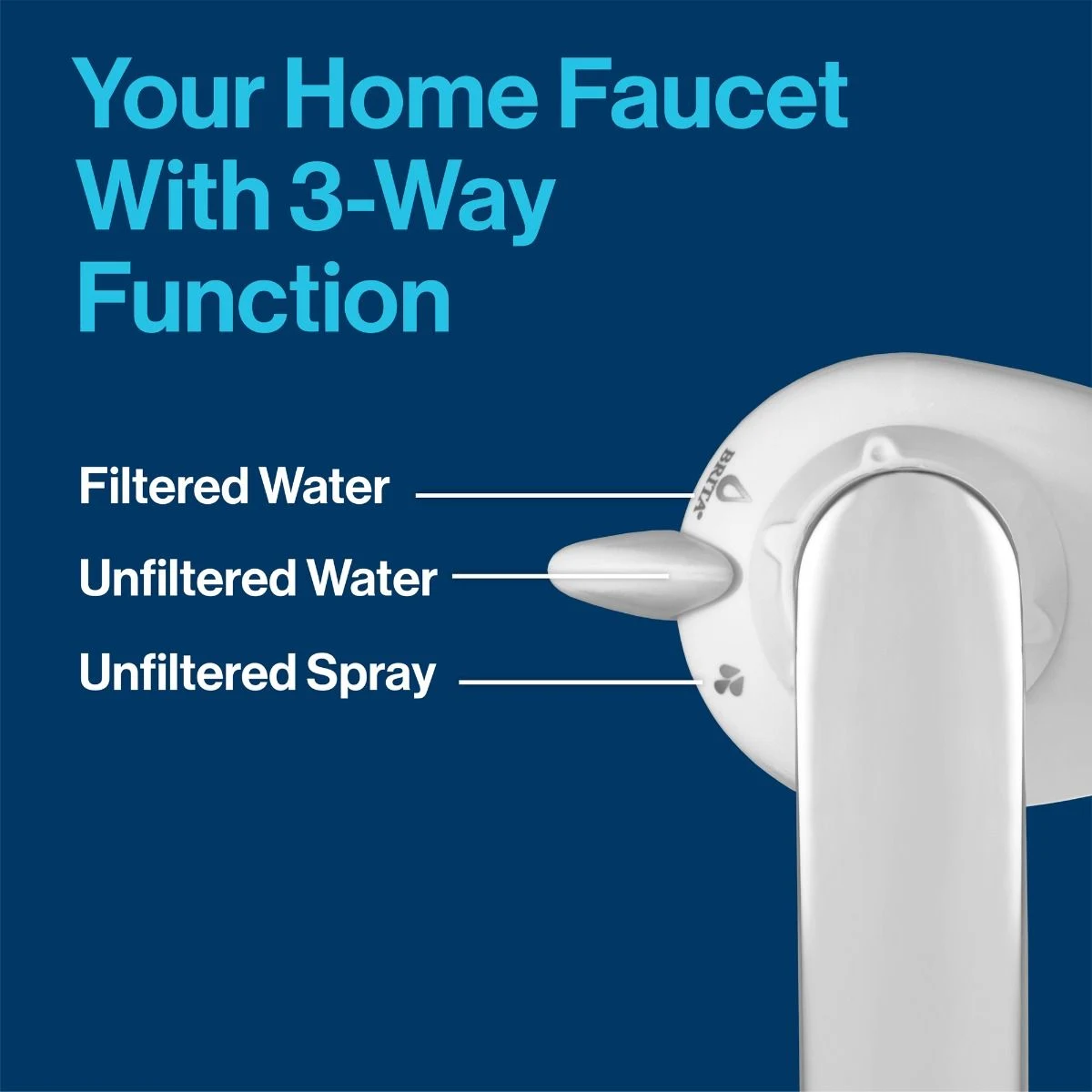
With a faucet filter, you turn a lever to switch between filtered and unfiltered water. This saves the filter for drinking and cooking, and extends cartridge life. You get clean water instantly, but only from that one tap.
If you want filtered water in the bathroom or for your shower, you’ll need more filters or a different system.
Comparing What They Remove
The most important reason for a water filter is to remove things you don’t want to drink. But not all filters remove the same contaminants.
Here’s a quick side-by-side look:
| Contaminant | Whole-Home Filter | Faucet-Mounted Filter |
|---|---|---|
| Chlorine | Yes | Yes |
| Lead | Some models | Yes (most models) |
| Sediment | Yes | Yes |
| Bacteria & Viruses | Only with UV or special filters | No |
| Hardness (scale) | With water softener | No |
| Pharmaceuticals & VOCs | Some models | Few models |
Key takeaway: Whole-home systems can be customized to target nearly any contaminant, but you must choose the right combination of filters. Faucet-mounted filters are best for basic taste and safety improvements but don’t protect you from all possible water hazards.
Installation, Cost, And Practicality
When choosing a filter, you need to think beyond just what it removes. Consider installation, ongoing costs, and how practical it is for your living situation.
Cost Breakdown
Let’s compare the main costs for each type:
| Type | Upfront Cost | Annual Maintenance | Installation |
|---|---|---|---|
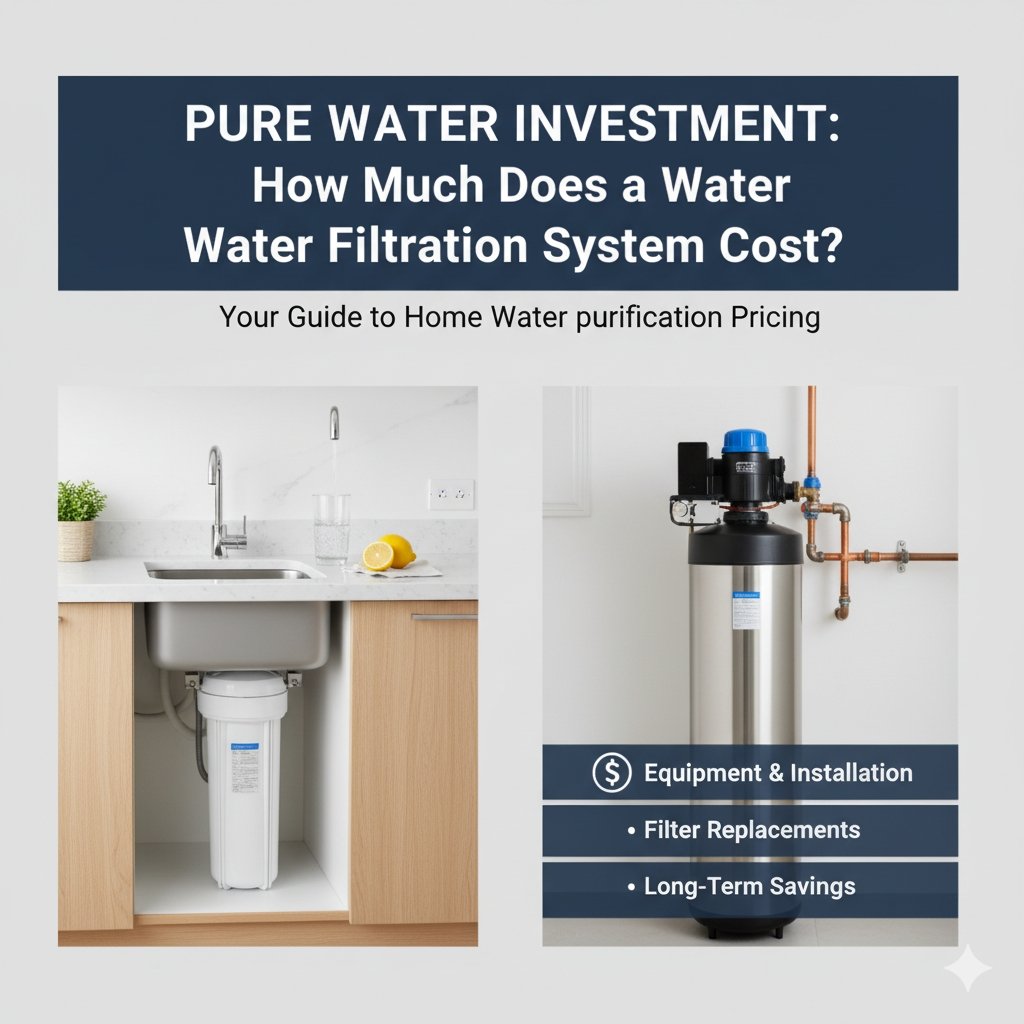
| Whole-Home System | $800–$3,000+ | $100–$500 | Usually professional ($300–$1,000) |
| Faucet-Mounted | $20–$60 | $60–$100 | DIY (5 minutes) |
Whole-home systems are a bigger investment. But you get filtered water everywhere, and the price per gallon can be lower over time if you use a lot of water.
Faucet filters are cheap to start, but the cartridges need frequent replacement. For a large family, costs can add up—especially if you use a lot of filtered water.
Practical tip: If you rent or move often, faucet filters are a better choice. Whole-home systems are not portable.
Installation And Space Requirements
Whole-home systems require space near your main water line (often in the basement or garage). Some systems are large and need extra plumbing. If you have a small house or apartment, this may not be possible.
Faucet filters take up little space and require no permanent changes. They’re perfect for apartments or older homes where you can’t change plumbing.
Water Pressure And Flow Rate
Whole-home filters can reduce water pressure if not sized correctly. Cheap or undersized systems may cause slow showers or weak flow at the tap.
Faucet-mounted filters can also slow water flow, especially as the cartridge clogs with use. Some models switch easily between filtered and unfiltered water for this reason.
Non-obvious insight: Homes with high water use (like large families, irrigation, or frequent laundry) need higher-capacity whole-home filters. Otherwise, you’ll be replacing cartridges much faster than you expect.
Credit: www.brita.com
Water Quality And Health Benefits
The main goal of any water filter is to provide cleaner, healthier water. But the benefits depend on your local water quality and your health needs.
Taste And Odor
Both systems improve taste and smell by removing chlorine and sediment. If you hate the taste of tap water, either option will help.
Health Protection
- If you live in a city with old lead pipes or frequent contamination, a filter that removes lead and bacteria is critical.
- Immunocompromised people (e.g., cancer patients, elderly) may need extra protection from bacteria and parasites. Only some whole-home systems with UV or reverse osmosis can do this.
Important: Not all filters are certified. Look for systems tested by NSF International or the Water Quality Association. Certification ensures the filter actually removes what it claims.
Protecting Appliances And Plumbing
Whole-home filtration protects more than just your drinking water. It can:
- Reduce scale in water heaters and dishwashers (with a softener)
- Prevent pipe corrosion (if your water is very acidic or hard)
- Extend the life of washing machines and ice makers
Faucet filters only protect water at the tap. Your appliances still get unfiltered water.
Real example: In areas with very hard water, a whole-home system with a softener can save hundreds of dollars per year on appliance repairs and energy costs.
Maintenance And Longevity
How often do you want to change filters? How much work are you willing to do?
Whole-home Filters
- Change sediment and carbon filters every 6–12 months
- Specialty filters (like UV bulbs) might last 1–2 years
- Some systems have smart monitors, but many do not
If you forget to change filters, water quality drops quickly—sometimes it’s worse than unfiltered water.
Faucet-mounted Filters
- Replace cartridges every 2–3 months (or 100–200 gallons)
- Some models have a color indicator or timer
- Easy to change in minutes
Pro tip: Mark your calendar or set reminders on your phone for filter changes. Many people forget, and a clogged filter is not just slow—it can breed bacteria and even make water taste worse.
Common Maintenance Mistakes
- Ignoring filter life: Using a filter too long makes it useless.
- Not flushing new filters: Always run water for a few minutes after installing a new cartridge to remove carbon dust and loose particles.
- Using hot water with faucet filters: This can destroy the filter and void the warranty.
Environmental Impact
Filtering water at home is usually better for the environment than buying bottled water, but there are still some differences between whole-home and faucet filters.
Waste And Materials
Whole-home systems use larger cartridges, replaced less often. Faucet filters use small cartridges, but you might throw away 4–6 per year, per tap.
Most filters are made of plastic and carbon. Some companies offer recycling programs, but many do not.
Water Usage
Reverse osmosis whole-home systems create “waste water” during filtration—sometimes 2–4 gallons wasted for every gallon filtered. Standard carbon-based systems and faucet filters do not waste water.
Non-obvious insight: If you want to reduce your plastic waste, check if the filter brand offers a mail-back recycling program.
Which One Is Right For You?
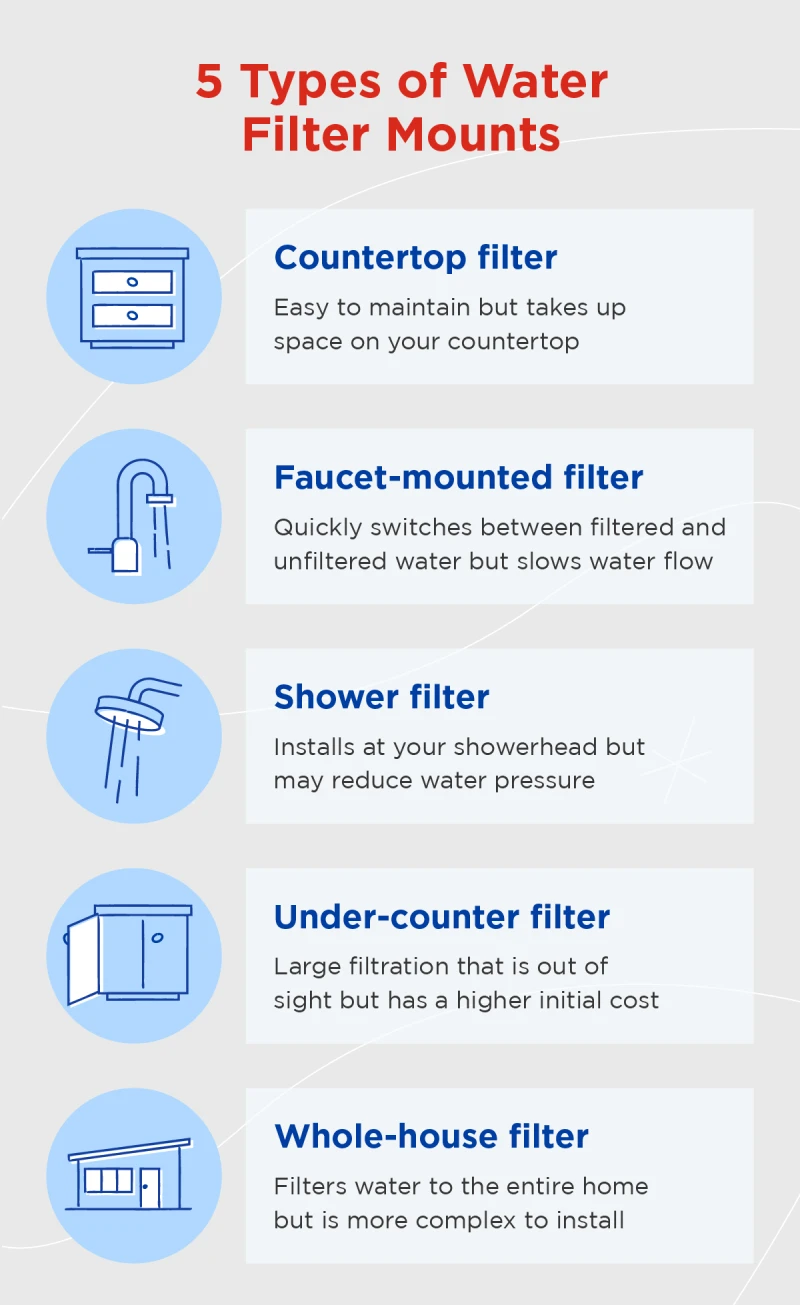
The decision comes down to your goals, budget, and living situation. Here are some scenarios to help you decide:
Whole-home Filtration Is Best If:
- You own your home and plan to stay long-term
- You want filtered water from every tap (including showers and laundry)
- You have hard water, or specific contaminants (like lead, iron, or bacteria)
- You use a lot of water, and want to protect plumbing and appliances
Faucet-mounted Filter Is Best If:
- You rent your home or move often
- You only care about drinking and cooking water
- You want a low-cost, easy-to-install solution
- You don’t want to deal with plumbers or major installations
Credit: www.mrrooter.com
Real-world Examples
To see how each system works in daily life, let’s look at two families.
Case 1: The Smith Family
- Own a 3-bedroom house, four people
- Water is hard, with some iron and chlorine
- They install a whole-home system with carbon and softener filters
- All water is filtered, showers feel better, and appliances last longer
- Cost: $2,500 upfront, $250/year for maintenance
Case 2: The Lee Apartment
- Renters, small city apartment
- Only want better-tasting water for coffee and cooking
- They buy a faucet-mounted filter for $40
- Easy to install, no plumber needed
- Cost: $40 upfront, $80/year for cartridges
Both families get cleaner water, but the Smiths have a bigger investment and more benefits, while the Lees keep things simple and portable.
Pros And Cons Of Each System
Let’s summarize what each system does best—and where it might not meet your needs.
Whole-home Filtration
Pros:
- Filters all water in your home
- Protects appliances and plumbing
- Can target specific local contaminants
- Long-term solution
Cons:
- High upfront and installation cost
- Not portable; hard to move
- Requires space and sometimes permits
- Maintenance can be forgotten
Faucet-mounted Filter
Pros:
- Low cost and easy to install
- Portable; great for renters
- Good for basic improvements (taste, chlorine, lead)
- Cartridges are simple to change
Cons:
- Only filters one tap
- Short cartridge life
- Does not remove all possible contaminants
- Can reduce water flow
Credit: yourwatergood.com
Certification And Safety
Always check for third-party certification. The most important are:
- NSF/ANSI Standard 42: For chlorine, taste, and odor
- NSF/ANSI Standard 53: For lead and other health-related contaminants
- NSF/ANSI Standard 401: For emerging contaminants (like pharmaceuticals)
You can look up certified products on the NSF website. Never trust claims without proof.
For more details about water filtration standards, see this NSF International resource.
Frequently Asked Questions
What Is The Main Difference Between A Whole-home Filter And A Faucet-mounted Filter?
A whole-home filter cleans all the water that enters your house—including water for showers, laundry, and appliances. A faucet-mounted filter only cleans water at one tap, usually your kitchen sink.
Can I Install A Whole-home Filter Myself?
Most people should hire a plumber for whole-home systems. Installation involves cutting and connecting main water lines, which can be risky if you’re not experienced.
Do Faucet-mounted Filters Remove Bacteria And Viruses?
No. Most faucet filters only remove chlorine, some heavy metals, and sediment. For bacteria and viruses, you need a special system like UV or reverse osmosis.
How Often Do I Need To Change The Filters?
Whole-home filter cartridges last 6–12 months, depending on your water and usage. Faucet-mounted filter cartridges last 2–3 months. Always check your manufacturer’s instructions.
What If I Have Well Water?
Well water can have unique problems like iron, sulfur, or bacteria. A whole-home system can be customized with the right filters, but a simple faucet filter is usually not enough for well water safety.
Final Thoughts
Choosing between a whole-home water filtration system and a faucet-mounted filter is not just about cost or convenience. It’s about your health, your home, and your lifestyle. Take time to check your local water report and think about your real needs.
A whole-home system is a big step, but offers total protection and long-term value. A faucet-mounted filter is a quick, affordable way to improve taste and safety at the tap. By understanding the strengths and limits of each system, you can make a smart, confident choice for your family’s water.
Clean water isn’t just a luxury—it’s a basic need, and the right filter can make all the difference.