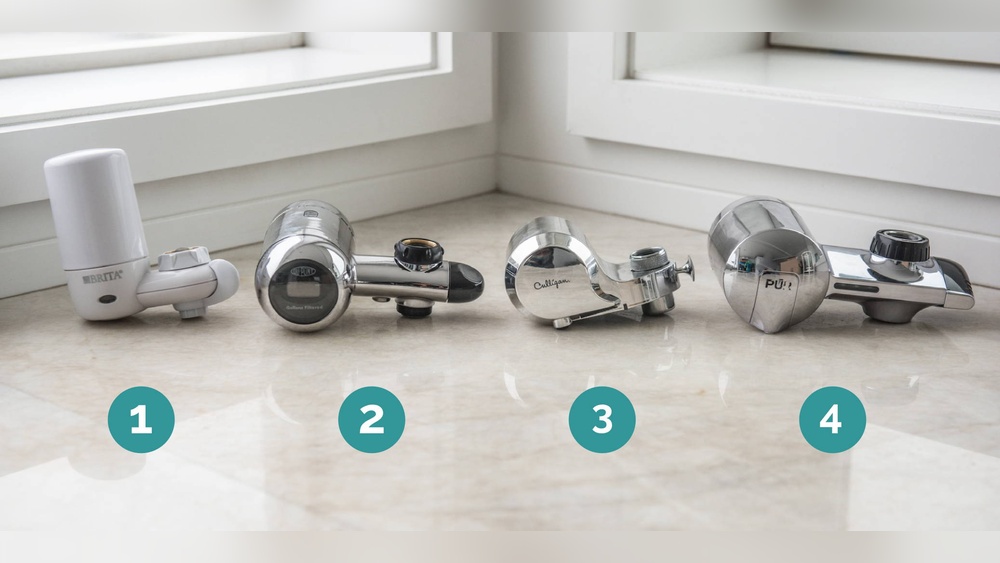
Brita Vs Pur Faucet Filter: Ultimate Showdown for Clean Water
When it comes to getting clean, safe water straight from your kitchen faucet, you want a filter that truly delivers. You’ve probably heard of Brita and PUR—two of the top names in faucet water filters—but which one is really the best fit for your home and your health?
Choosing the right filter can feel overwhelming with so many claims and options out there. That’s why this guide breaks down the key differences between Brita and PUR faucet filters in simple terms, helping you make a confident choice. Ready to find out which filter will give you the freshest, purest water every time you turn on the tap?
Keep reading—you won’t want to miss these insider insights that could change the way you drink water forever.
Filter Performance
Filter performance is a key factor when choosing between Brita and Pur faucet filters. It determines how well the filter cleans your water and protects your health. Both brands use advanced technology to reduce contaminants, but their results vary. Understanding these differences helps you make the right choice for your household.
Below, we explore their contaminant removal abilities, how they handle lead and heavy metals, and their effect on water taste and smell.
Contaminant Removal Capabilities
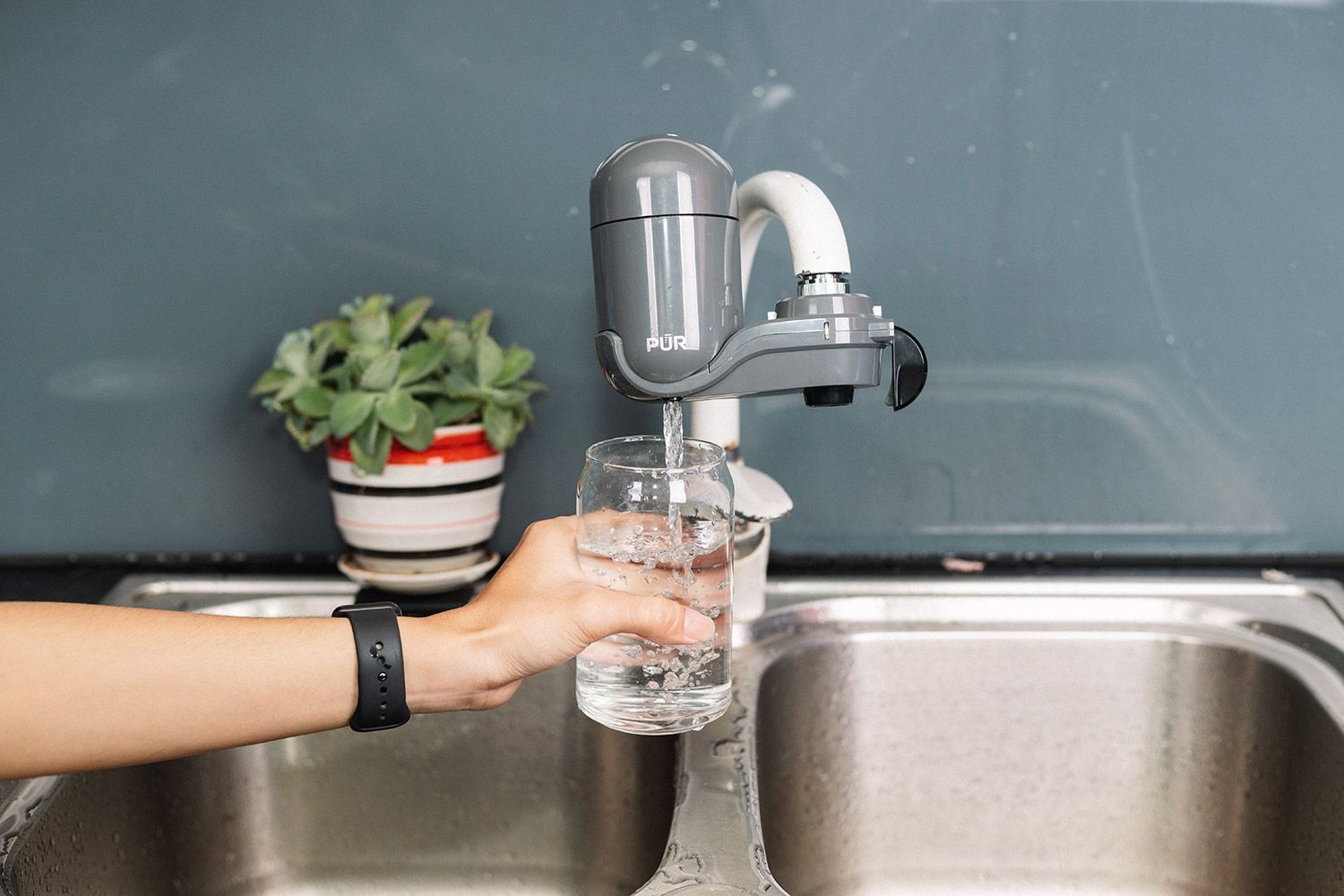
Pur filters generally remove a wider range of contaminants than Brita. Pur targets chlorine, mercury, pesticides, and pharmaceutical residues. Brita focuses mostly on chlorine and some common impurities. Both reduce sediment and rust particles effectively. Pur’s advanced filtration media capture more chemical pollutants, making it suitable for heavily contaminated water. Brita works well for improving basic tap water quality and clarity.
Effectiveness Against Lead And Heavy Metals
Lead removal is critical for safe drinking water. Pur faucet filters excel at reducing lead and other heavy metals like mercury and cadmium. They meet NSF standards for lead reduction. Brita also reduces lead but to a lesser extent. Pur uses activated carbon and ion exchange resin designed to trap heavy metals better. Choosing Pur is wise if lead contamination is a concern in your area.
Impact On Water Taste And Smell
Both Brita and Pur improve water taste by removing chlorine and odors. Brita often leaves water tasting fresher and cleaner. Pur can sometimes leave a slight charcoal taste initially, but it fades after a few uses. Both filters reduce unpleasant smells effectively. Personal preference may guide your choice here, but both brands enhance water flavor significantly.
Credit: shouldit.com
Filter Design
Filter design plays a key role in the performance of faucet water filters. It affects how easy the filter is to install, how long it lasts, and how simple it is to use. Both Brita and Pur have unique designs that target different user needs. Understanding these design differences helps you pick the right filter for your home.
Installation And Compatibility
Brita filters use a simple twist-on design. They fit most standard faucets with a few adapters included. Installation takes only a few minutes and needs no tools. Pur filters also install easily but offer more adapter options for unusual faucet shapes. Both brands ensure a tight fit to avoid leaks. Brita may be better for quick, hassle-free setup. Pur suits those with less common faucets.
Filter Lifespan And Replacement Frequency
Brita filters last about 2 months or 100 gallons of water. They balance lifespan with maintaining good water flow. Pur filters last roughly 3 months or 100 gallons. Pur’s longer life means fewer changes but a slightly slower flow rate. Both brands suggest replacing filters regularly to keep water clean. Choosing depends on whether you want longer use or faster water flow.
Indicator Lights And Usability
Brita faucet filters have built-in indicator lights. These lights change color to show when the filter needs replacement. The lights reset automatically after installing a new filter. Pur’s indicators are manual or digital, depending on the model. Pur’s digital lights offer more detailed status updates. Both brands focus on easy-to-understand signals. Brita’s automatic light reset is helpful for forgetful users.
Cost Comparison
Comparing the costs of Brita and Pur faucet filters helps you choose the best option for your budget. Understanding initial prices, replacement filter costs, and long-term expenses gives a clear picture of overall spending. Cost is a key factor for many buyers who want clean water without overspending.
Initial Purchase Price
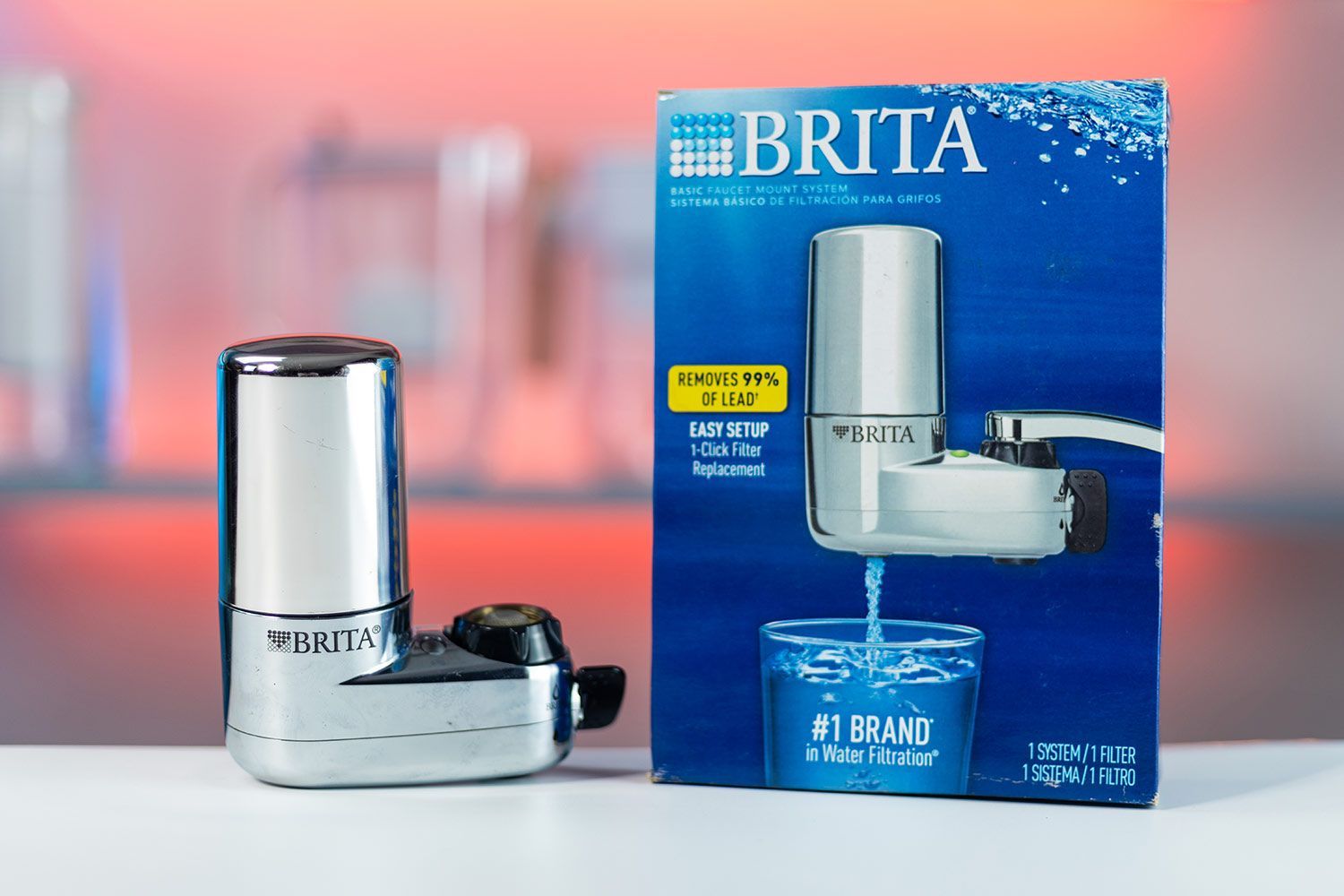
Brita faucet filters usually cost less upfront than Pur models. The price difference can range from a few dollars to around ten dollars. Brita offers basic models that suit simple needs. Pur filters often include extra features, which raises the initial price. Deciding on features versus cost matters here.
Replacement Filter Prices
Replacement filters for Brita are generally cheaper than Pur replacements. Brita filters last about two to three months. Pur filters tend to last the same time but cost more per unit. Buying replacements in bulk can lower the price for both brands. Checking filter availability is important for long-term use.
Long-term Maintenance Costs
Long-term costs depend on how often you replace filters. Brita’s lower price per filter may save money over time. Pur filters cost more but claim better filtration performance. Filter lifespan and water usage affect total expenses. Consider your water quality needs along with your budget.
Credit: shouldit.com
Water Flow And Usage
Water flow and usage are important factors to consider when choosing between Brita and Pur faucet filters. These aspects affect how quickly water passes through the filter and how much filtered water you can get daily. Understanding these details helps you select the best filter for your needs.
Flow Rate Differences
Brita faucet filters typically allow water to flow faster than Pur filters. This means less waiting time for filtered water. Pur filters focus more on thorough filtration, which can slow the water flow slightly. Users who want quick access to water might prefer Brita for this reason.
Filter Capacity And Daily Use
Brita filters usually have a higher capacity, filtering more gallons before needing replacement. Pur filters often have a lower capacity but target more contaminants per gallon. For daily use, Brita suits larger households that need more water fast. Pur works well for smaller households or those needing deeper filtration.
Effect On Faucet Pressure
Both filters may reduce faucet pressure a little, but Pur’s effect is more noticeable. This drop happens because Pur’s filter media is denser. Brita’s design keeps faucet pressure higher, maintaining a stronger water stream. People with low home water pressure might find Brita more comfortable to use.
Certifications And Testing
Certifications and testing are vital to trust any faucet water filter. They prove the filter’s safety and effectiveness. Both Brita and PUR submit their products to strict evaluations. These tests check for harmful chemicals and pollutants in tap water. Understanding these certifications helps you make a smart choice for clean water.
Industry Certifications
Brita and PUR faucet filters carry important industry certifications. Most filters meet NSF/ANSI standards. These standards test for reduction of lead, chlorine, and other contaminants. PUR filters often have NSF certification for lead and VOC removal. Brita filters also meet NSF standards for chlorine taste and odor reduction. Both brands show their commitment to safety through these certifications.
Lab Test Results
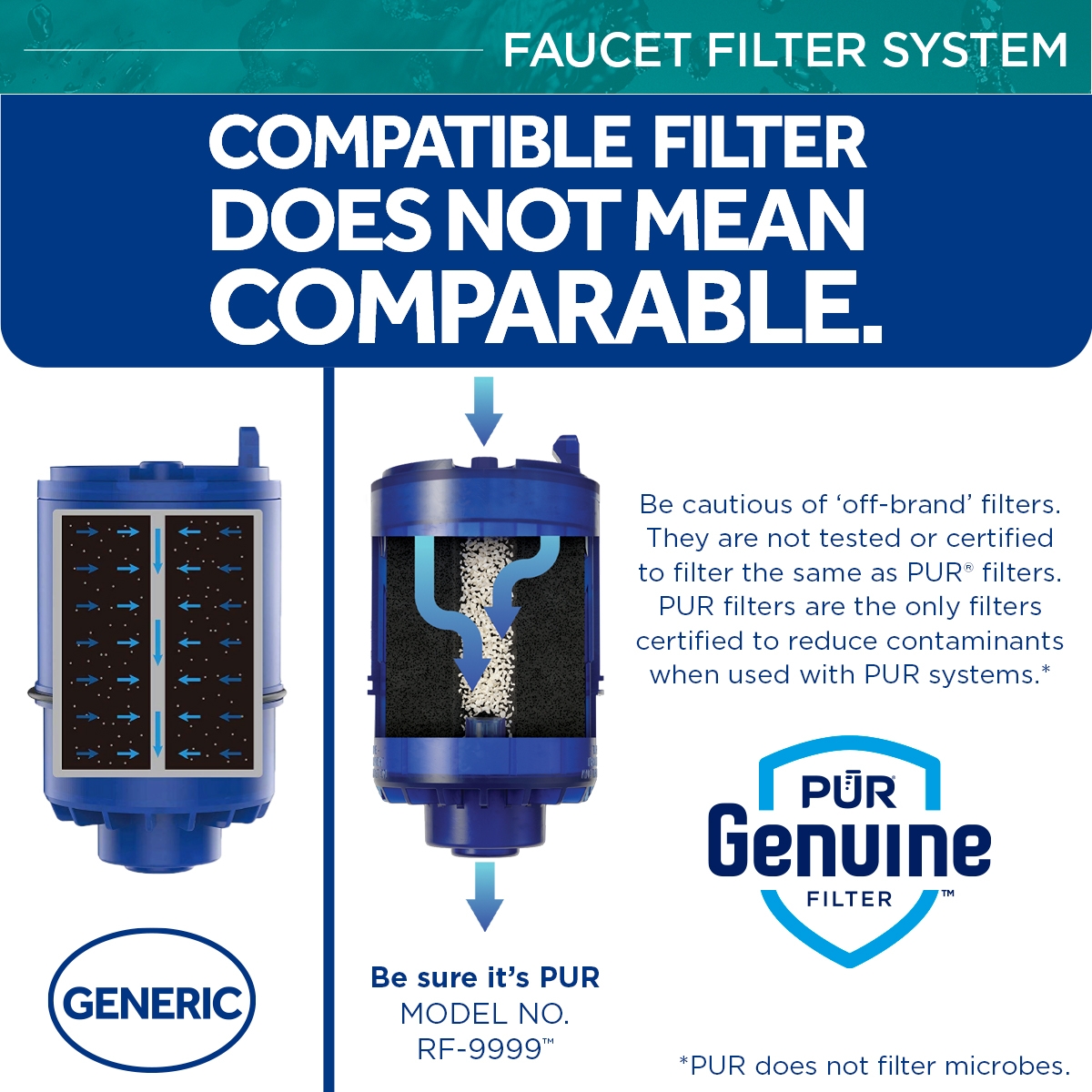
Independent labs test Brita and PUR filters regularly. Results show PUR filters remove more lead and mercury. They also block some pharmaceuticals and industrial pollutants. Brita filters focus more on improving taste and reducing chlorine. Lab tests confirm both brands remove harmful particles, but PUR scores slightly higher on contaminant removal. These results guide users seeking specific water quality improvements.
User Reviews And Feedback
Users share real experiences about Brita and PUR faucet filters. Many praise PUR for cleaner taste and clearer water. Some users note Brita filters last longer and cost less. Both receive high marks for easy installation and filter replacement. Feedback highlights PUR’s strength in contaminant removal. Brita is popular for affordability and fast water flow. User reviews offer practical insights beyond lab data.
Credit: www.pur.com
Choosing The Right Filter
Choosing the right faucet water filter makes a big difference in water taste and safety. Both Brita and Pur offer quality filters, but they serve different needs. Understanding your priorities and water quality helps you pick the best option. Here’s a breakdown to guide your choice.
Best For Contaminant Reduction
Pur faucet filters excel at removing harmful substances. They target lead, mercury, and pesticides effectively. Pur filters also reduce pharmaceuticals and industrial pollutants. This makes them ideal for areas with questionable water quality. Brita filters remove chlorine and improve taste but do not filter as many contaminants. Choose Pur if contaminant removal is your top priority.
Best For Budget-conscious Users
Brita offers more affordable replacement filters than Pur. Their filters usually cost less and last longer per use. Brita’s faucet filters are easy to install and maintain. They suit users who want clean water without high costs. Pur filters are pricier but may justify the cost with advanced filtration. For saving money, Brita is the better choice.
Suitability For Different Water Qualities
Pur performs better in areas with heavy metal or chemical concerns. Their filters handle tough water conditions well. Brita is suitable for city water with low contaminant levels. It improves taste and reduces chlorine effectively. Testing your water before buying helps decide which filter fits your needs. Consider water hardness and contaminants before making a choice.
Frequently Asked Questions
Which Faucet Filter Removes More Contaminants?
PUR faucet filters remove a wider range of contaminants. They target lead, pharmaceuticals, and industrial pollutants more effectively than Brita filters, making PUR ideal for those concerned about heavy metals and chemicals in their tap water.
Are Brita Filters More Cost-effective Than Pur?
Yes, Brita filters generally cost less upfront and have cheaper replacement filters. This makes Brita a budget-friendly option for families who want filtered water without frequent or expensive filter changes.
How Often Should I Replace Faucet Filters?
Most faucet filters, including Brita and PUR, need replacement every 2 to 4 months. Usage frequency and water quality affect filter life, so check the indicator lights or manufacturer recommendations for timely replacements.
Which Filter Offers Faster Water Flow?
Brita faucet filters typically provide a faster water flow compared to PUR. If speed and ease of use are priorities, Brita’s design allows quicker access to filtered water without compromising basic filtration.
Conclusion
Both Brita and Pur faucet filters improve tap water quality effectively. Pur removes more contaminants, such as lead and pharmaceuticals. Brita offers affordable replacement filters and faster water flow. Choose Pur for the best filtration, especially if heavy metals worry you.
Pick Brita for cost savings and easy filter replacement. Both need filter changes every few months to work well. Think about your water needs and budget before deciding. Clean water at home feels good and helps your health. Both brands bring value, so you can’t go wrong.