3 Hole Vs 1 Hole Bathroom Faucet: Ultimate Comparison Guide
When it comes to upgrading your bathroom faucet, you might find yourself stuck between choosing a 3 hole or a 1 hole design. This decision isn’t just about looks—it impacts how your sink functions, how easy it is to clean, and even how much space you have to work with.
You want a faucet that fits your style, meets your daily needs, and feels just right every time you use it. You’ll discover the key differences between 3 hole and 1 hole bathroom faucets, the pros and cons of each, and which option might be the perfect match for your bathroom.
Keep reading to make a confident choice that transforms your space and simplifies your routine.
Single-hole Faucets
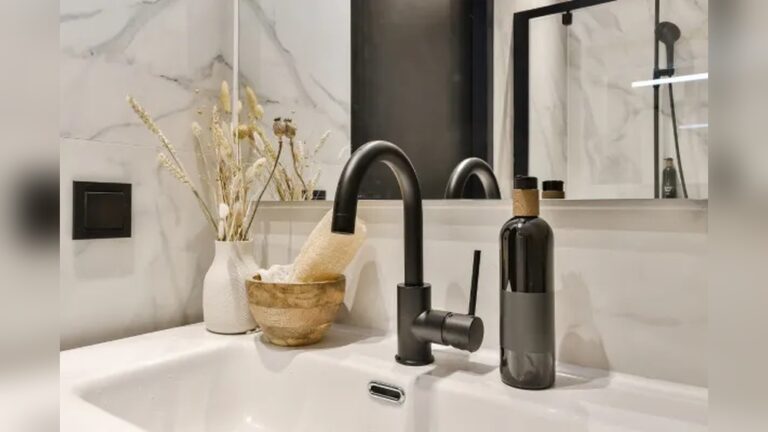
Single-hole faucets are a popular choice for modern bathrooms. They feature one hole for both water flow and temperature control. This design makes them compact and ideal for small sinks or limited counter space. Single-hole faucets blend well with many styles and simplify the installation process.
Design And Style
Single-hole faucets have a sleek and simple look. Their compact form fits well in minimalist and contemporary bathrooms. Many models come in chrome, brushed nickel, or matte black finishes. The single handle controls both hot and cold water, offering a clean, uncluttered appearance. These faucets suit small sinks and vanities perfectly.
Installation Process
Installing a single-hole faucet is straightforward. Only one hole is needed in the sink or countertop. This reduces drilling and setup time. Many single-hole faucets come with clear instructions and all necessary parts. They usually require less plumbing work than three-hole faucets. This makes installation faster and less costly.
Temperature Control
The single handle moves side to side and up and down. This controls water temperature and flow with one motion. While convenient, it can take practice to find the perfect mix of hot and cold. Single-hole faucets may not offer as precise temperature control as double-handle models. Still, they work well for everyday use.
Maintenance And Cleaning
Fewer parts mean easier cleaning. The smooth surface and simple design reduce dirt buildup. Single-hole faucets have fewer crevices than widespread models. Wiping around the handle and base is quick. Regular cleaning with mild soap keeps them shiny. Maintenance is generally low compared to more complex faucets.
Pros And Cons
Pros:
- Compact design saves space.
- Easy and quick installation.
- Simple to clean and maintain.
- Modern and versatile style options.
Cons:
- Less precise temperature control.
- Fewer style variations than three-hole faucets.
- Handle movement may feel less smooth for some users.
- Limited customization in handle and spout placement.
Three-hole Faucets
Three-hole faucets are a classic choice for many bathroom sinks. They have separate handles for hot and cold water. This design offers a timeless look and allows precise control over water temperature. Usually, these faucets require three holes in the sink or countertop. They are popular in traditional and luxury bathroom designs. Understanding their features helps decide if they fit your bathroom needs.
Design And Style
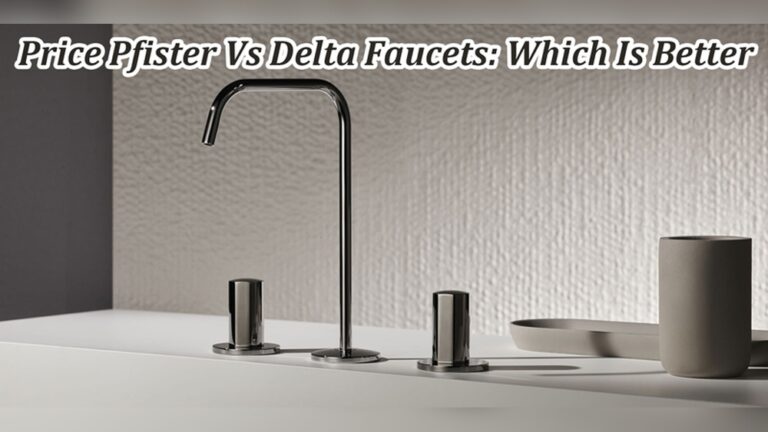
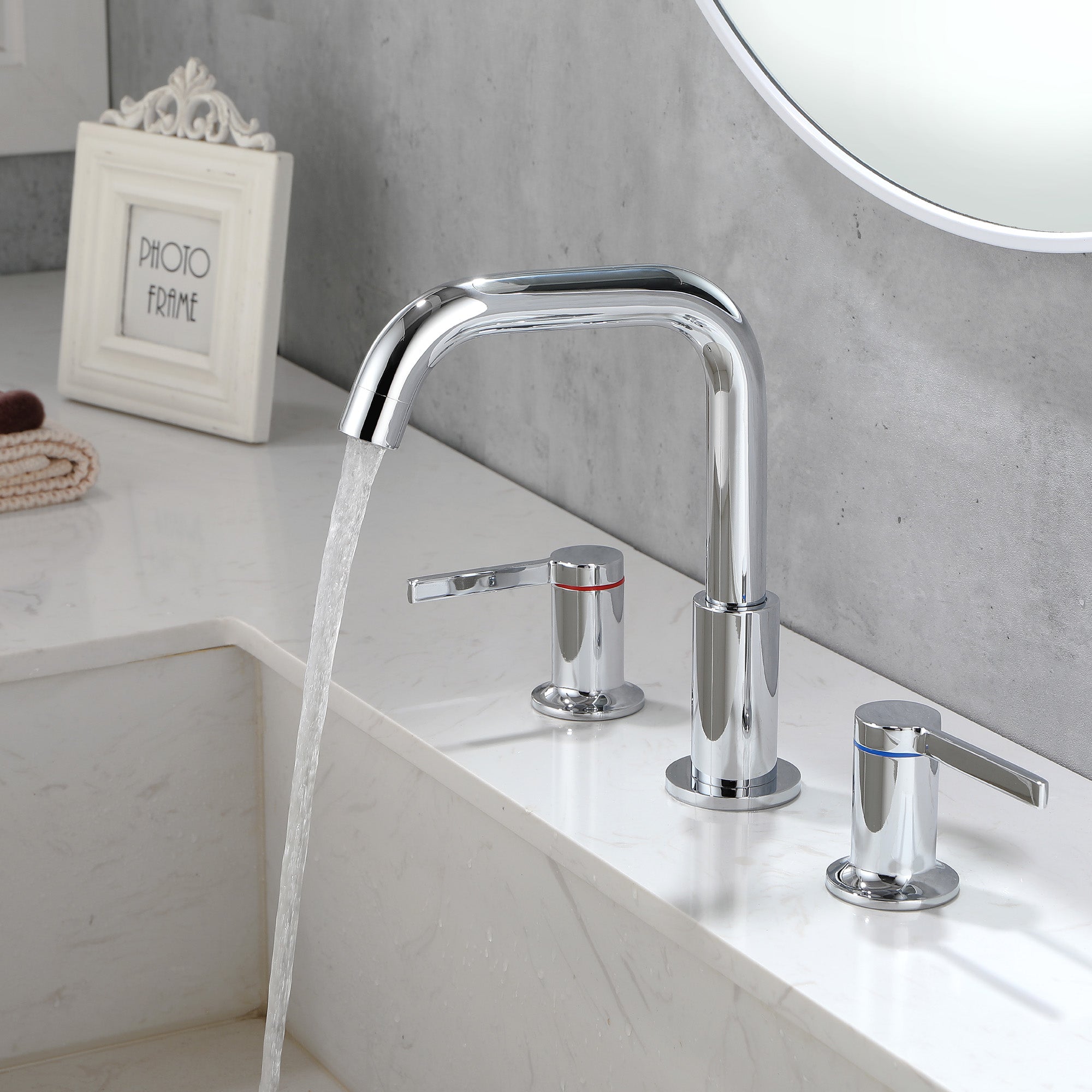
Three-hole faucets have a wide, elegant appearance. The hot and cold handles are separate from the spout. This layout creates a balanced and symmetrical look. They come in various finishes like chrome, brushed nickel, and bronze. The style fits well with classic, vintage, or transitional bathroom themes. Their size suits larger sinks with extra space around the basin.
Installation Process
Installing a three-hole faucet needs three drilled holes in the sink or countertop. Each handle and the spout must be connected separately. It takes more time than single-hole faucets. Proper alignment is essential for good function and appearance. Sometimes, a plumber’s help is recommended to ensure a leak-free setup.
Temperature Control
Separate handles provide precise temperature adjustment. You can control hot and cold water flow independently. This makes it easier to find the perfect water temperature. It also reduces sudden temperature changes. Many users prefer this control for comfort and safety, especially with children.
Maintenance And Cleaning
Cleaning three-hole faucets can be a bit challenging. The extra parts create more surfaces for dirt and grime. Regular wiping around handles and spout is necessary. Mineral buildup may occur near the base of each component. Using mild cleaners and soft cloths helps keep the faucet shiny. Routine maintenance extends the faucet’s lifespan and prevents leaks.
Pros And Cons
Pros:
- Classic, elegant design with wide style options.
- Precise control over hot and cold water.
- Suitable for larger sinks and spacious countertops.
Cons:
- More complex installation requiring three holes.
- Cleaning around multiple parts takes more effort.
- Requires more space than single-hole faucets.
Key Differences
Understanding the key differences between 3 hole and 1 hole bathroom faucets helps make a better choice. These differences affect space use, control, cleaning, and cost. Each type has unique features that fit different bathroom styles and needs.
Space Requirements
One hole faucets need less space on the sink or countertop. They fit well in small or compact bathrooms. Three hole faucets require more room because of separate handles. They suit bigger sinks or vanities with enough surface area.
Control And Precision
Three hole faucets offer separate hot and cold controls. This setup allows precise water temperature adjustments. One hole faucets use a single handle to control both temperature and flow. This design is simpler but may not give as fine control.
Cleaning And Upkeep
One hole faucets have fewer parts and smooth surfaces. Cleaning around them is quicker and easier. Three hole faucets have more gaps and components. They need extra effort to keep clean and avoid buildup.
Cost Considerations
One hole faucets usually cost less and install faster. Fewer parts mean lower material and labor expenses. Three hole faucets tend to be pricier due to more components. Installation is more complex and may require professional help.
Choosing Based On Bathroom Size
Choosing the right bathroom faucet depends largely on the size of your bathroom. The faucet style should match the space available and the overall design you want. Small bathrooms need different solutions than larger, luxury bathrooms. Understanding how faucet types fit into your space helps improve both function and appearance.
Small And Compact Bathrooms
Single-hole faucets suit small bathrooms well. They require less space on the sink or countertop. Their simple design keeps the area neat and easy to clean. Installing a single-hole faucet is usually faster and less costly. This type also fits modern and minimalist styles perfectly. It helps keep your bathroom from feeling crowded or cluttered.
Spacious And Luxury Bathrooms
Three-hole faucets work best in larger bathrooms with wide sinks. They offer a classic, elegant look with separate handles for hot and cold water. This setup gives precise control over water temperature. The spread-out design fills the space nicely and adds a touch of luxury. Three-hole faucets can become a focal point, enhancing the bathroom’s style and sophistication.
Compatibility With Sinks And Vanities
Choosing the right bathroom faucet depends on how well it fits your sink and vanity. Compatibility affects both function and style. Faucets with different hole setups need matching sinks or countertops. This ensures easy installation and a clean look. Understanding your sink’s hole configuration helps pick the right faucet type. A proper match avoids leaks, awkward gaps, and costly changes later.
Sink Hole Configurations
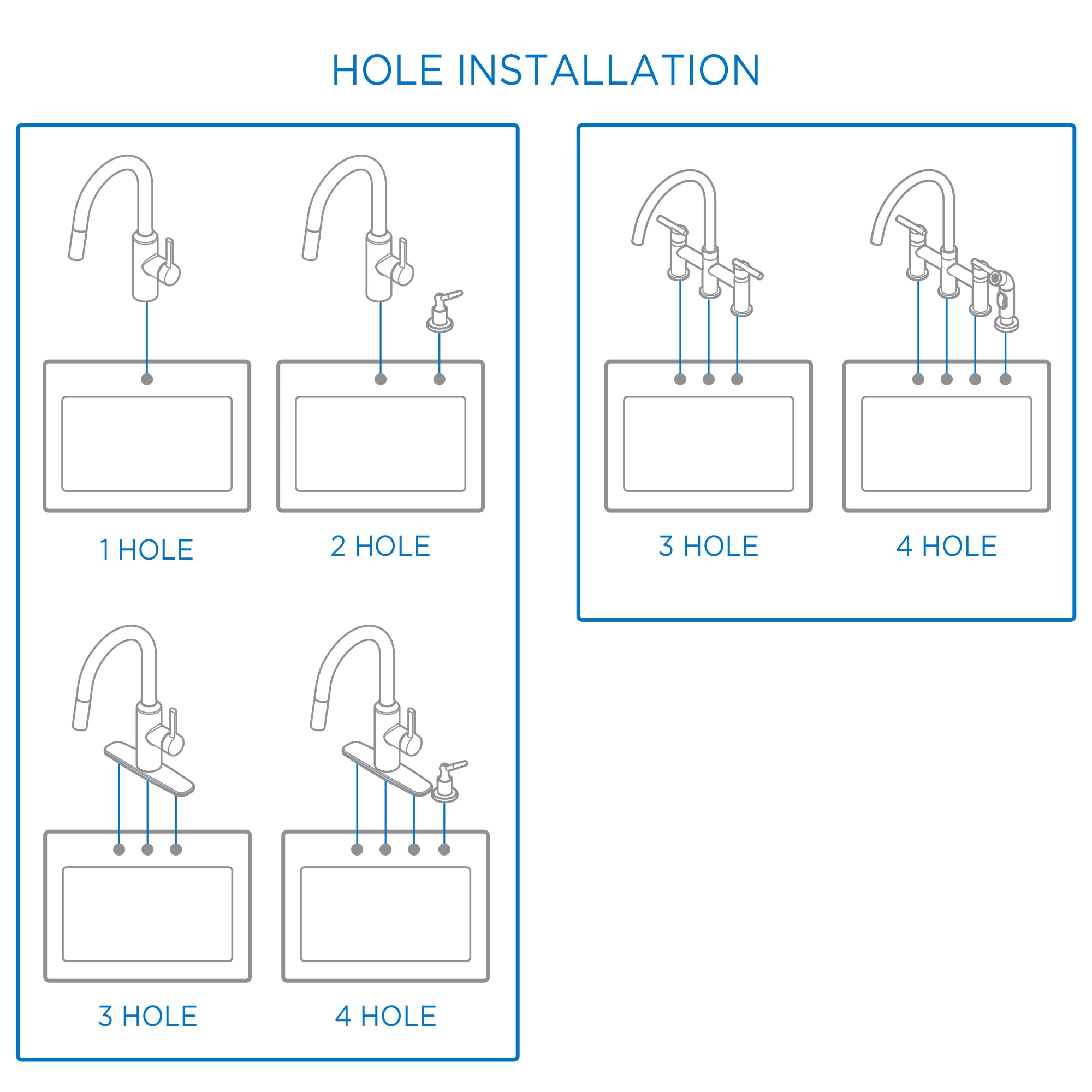
Sinks come with one, three, or multiple holes. A single-hole sink has just one opening for faucet and handle combined. Three-hole sinks have separate openings for hot water, cold water, and the spout. Some sinks use a widespread setup with holes spaced apart for independent handles. Knowing these details is vital. Faucets must line up with these holes to fit well and work correctly.
Matching Faucet To Sink
Single-hole faucets fit sinks with one hole only. They combine controls and spout in one unit. This saves space and looks modern. Three-hole faucets need sinks or vanities with three holes. They offer separate hot and cold handles for precise control. Widespread faucets require holes spaced properly, often 8 inches apart. Measure your sink carefully before buying. Correct matching prevents installation problems and improves the bathroom’s appearance.
Credit: shamanda.com
Style And Aesthetic Impact
The style and aesthetic impact of bathroom faucets shape the entire look of your space. Choosing between a 3 hole and a 1 hole faucet influences the design vibe. Each option offers a distinct visual appeal that complements different bathroom styles. This section explores how these faucets fit into modern and classic bathroom designs.
Modern Minimalist Look
Single-hole faucets suit modern, minimalist bathrooms well. They have clean lines and a simple shape. Their compact design creates an uncluttered sink area. These faucets blend easily with sleek countertops and sinks. The one-handle design adds to the streamlined appearance. Ideal for small bathrooms or powder rooms, they save space without sacrificing style.
Their minimal footprint helps maintain a fresh, airy feel. Chrome and matte finishes often enhance the modern look. Choosing a single-hole faucet can make your bathroom feel more open and tidy.
Traditional And Classic Appeal
Three-hole faucets bring a timeless, elegant charm to bathrooms. They usually have separate handles for hot and cold water. This design adds symmetry and balance around the sink. The spread-out installation fits well with larger vanities and sinks. Classic finishes like brushed nickel or oil-rubbed bronze enhance their vintage appeal.
This style suits bathrooms with traditional decor or detailed tile work. The separate handles offer precise control over water temperature. Three-hole faucets create a sense of luxury and refinement. They serve as a focal point that complements classic bathroom themes perfectly.
Installation Tips
Installing a bathroom faucet can seem tricky. Knowing some key tips makes the process smoother. Whether choosing a 3 hole or 1 hole faucet, preparation is vital. This section covers important installation advice to help you get started confidently.
Tools And Materials Needed
Gather the right tools before you begin. You will need an adjustable wrench, basin wrench, and plumber’s tape. A screwdriver and bucket are useful for catching water spills. Have a silicone sealant ready to prevent leaks. Also, keep clean cloths for wiping excess water and sealant.
Common Challenges
Installing a 3 hole faucet often requires more time and precision. Aligning the handles and spout can be tricky. Tight spaces under the sink may limit tool movement. For 1 hole faucets, making sure the faucet fits tightly is key. Leaks can happen if seals are not placed correctly. Watch out for uneven mounting or loose connections.
Professional Vs Diy
Doing the installation yourself saves money and builds skills. Simple 1 hole faucets suit beginner DIYers well. Complex 3 hole faucets might need a plumber’s touch. Professionals ensure a leak-free and properly aligned faucet. They handle unexpected problems quickly. Choose a pro if you want fast, hassle-free results.
Credit: www.gerber-us.com
Long-term Maintenance
Long-term maintenance plays a key role in keeping your bathroom faucet working well. Choosing between a 3 hole and 1 hole faucet affects how simple or complex this maintenance can be. Each style has its own cleaning needs and common issues that may arise over time. Understanding these factors helps you keep your faucet in top shape for years.
Cleaning Techniques
Single hole faucets have fewer parts, making cleaning quicker. Wiping the surface with a soft cloth removes water spots easily. Avoid abrasive cleaners that can scratch the finish. For 3 hole faucets, clean around the handles and base carefully. Use a small brush to reach tight spaces. Regular cleaning prevents buildup of grime and mineral deposits. This keeps the faucet looking new and working smoothly.
Troubleshooting Common Issues
Leaks are a frequent problem for both faucet types. Single hole faucets may leak around the handle or base. Tighten connections or replace worn-out washers to fix leaks. For 3 hole faucets, leaks can occur at each handle or spout. Check and tighten all connections. Dripping handles often need new cartridges or seals. If water flow is weak, clean aerators and check for clogs. Regular checks reduce major repairs later.
Budget And Value
Choosing between a 3 hole and a 1 hole bathroom faucet affects your budget and value. Understanding costs helps you pick the best option for your needs. Consider both the initial price and future expenses.
Initial Purchase Cost
1 hole faucets usually cost less than 3 hole faucets. They have fewer parts and simpler designs. This simplicity lowers manufacturing and retail prices. If your budget is tight, 1 hole faucets offer a good value. 3 hole faucets often come with separate hot and cold handles. This adds to the price due to more materials and complex design. They suit larger sinks and add a classic look. Expect to spend more upfront for a 3 hole faucet.
Maintenance Costs Over Time
1 hole faucets are easier to maintain. Fewer parts mean fewer chances of leaks or breakdowns. Cleaning is also simpler with one handle. This can save money on repairs and cleaning products. 3 hole faucets may need more attention. Separate handles have more internal parts that can wear out. Cleaning around multiple holes takes more time and effort. These factors can add to maintenance expenses. Weighing long-term costs is key when choosing your faucet style.

Credit: athomewithashley.com
Frequently Asked Questions
Can You Put A 1 Hole Faucet In A 3 Hole Sink?
You can install a 1-hole faucet in a 3-hole sink using a deck plate to cover extra holes. This adapts the sink for single-hole faucets while maintaining a clean look.
Are Single Hole Faucets In Style?
Single hole faucets remain stylish with their sleek, modern design. They save space and simplify installation, perfect for contemporary bathrooms.
What Are The Disadvantages Of A Single Handle Faucet?
Single-handle faucets offer less precise temperature control and limited style options. They may not suit large vanities and sometimes require careful adjustment for ideal water mixing.
What Faucets Do Plumbers Prefer?
Plumbers prefer single-hole faucets for easy installation and cleaning, plus widespread faucets for precise temperature control and classic style.
Conclusion
Choosing between a 3 hole and a 1 hole bathroom faucet depends on your needs. Three hole faucets offer more control with separate handles. One hole faucets save space and are simpler to install. Consider your bathroom size and style preference.
Think about how much cleaning effort you want. Both types have benefits and small drawbacks. Pick the faucet that fits your daily use and design taste best. This helps create a bathroom that works well and looks great.