How to Fix a Stiff Faucet Handle: Easy DIY Repair Guide
A stiff faucet handle can turn a simple task like washing your hands into a daily struggle. That stubborn resistance is more than just annoying—it often signals problems inside your plumbing that can get worse if ignored. Many homeowners delay fixing a stiff faucet, hoping it will get better on its own or that a quick spray of lubricant will solve the issue.
But in reality, a sticky or hard-to-turn handle usually means there’s a build-up, worn parts, or underlying damage. Tackling this problem now can prevent leaks, save money, and keep your faucet working smoothly for years.
This article will walk you through everything you need to know about fixing a stiff faucet handle. Whether you have a single-handle kitchen faucet or a double-handle bathroom sink, you’ll learn how to diagnose the problem, what tools you’ll need, and how to make repairs step by step.
Along the way, you’ll discover common mistakes, how to avoid them, and when it’s smarter to call a professional. Let’s get your faucet back to easy turning—without expensive plumber bills.
Understanding Why Faucet Handles Become Stiff
Most people think a stiff faucet handle is just due to age. While that’s sometimes true, there are several reasons why handles become hard to turn. Knowing the real cause helps you choose the right fix and avoid damaging your faucet further.
- Mineral build-up: Hard water leaves behind minerals like calcium and magnesium inside your faucet. Over time, these create a crust that makes the handle grind and stick.
- Worn or dried-out O-rings: O-rings are small rubber seals inside your faucet. If they dry out or break, friction increases and the handle stiffens.
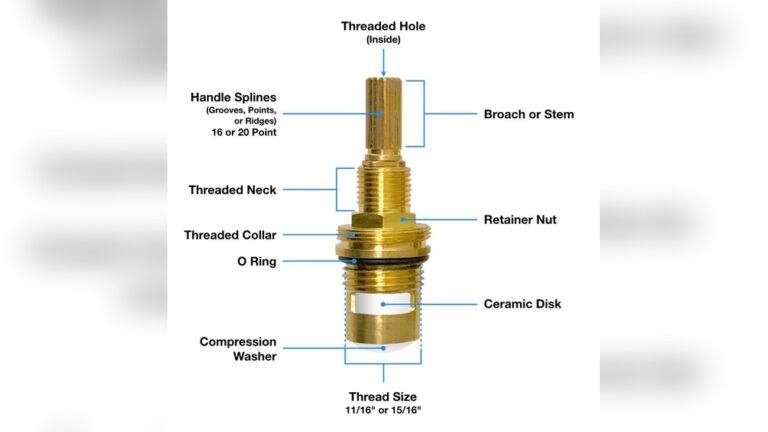
- Old or corroded cartridge/valve: In modern faucets, a cartridge or valve controls water flow. If it’s rusty, dirty, or worn out, the handle becomes tough to move.
- Improper installation or overtightening: Sometimes, the faucet was installed too tightly or the parts aren’t aligned, causing resistance.
- Lack of lubrication: Moving parts need a thin layer of plumber’s grease. Without it, even new faucets can feel stiff.
- Debris or dirt: Sand, grit, or even tiny metal pieces can get trapped inside, especially after plumbing work.
Non-obvious insight: Many beginners forget that even brand-new faucets can get stiff if there’s debris in your water supply or if they’re installed without proper lubrication.
Tools And Materials You’ll Need
Before starting, gather all necessary tools and supplies. Having everything ready avoids mid-job frustration and reduces the risk of losing small parts.
- Adjustable wrench: Loosens and tightens nuts without damaging them.
- Phillips and flat-head screwdrivers: For removing handle screws and decorative caps.
- Allen wrench (hex key): Some handles use set screws that need this tool.
- Plumber’s grease: Lubricates O-rings and moving parts.
- White vinegar: Removes mineral build-up safely.
- Old toothbrush or small brush: Cleans inside the faucet.
- Replacement O-rings/cartridge/washer: In case existing ones are damaged.
- Towel or rag: Protects your sink and catches drips.
- Bucket or bowl: For soaking parts or catching water.
- Utility knife: Helps remove stubborn seals or caulking.
Practical tip: Take a photo of your faucet before starting. This helps you remember how to reassemble it correctly—especially important for beginners.
Diagnosing The Problem
Before you start taking things apart, try to figure out exactly where the problem is. This can save you time and prevent unnecessary damage.
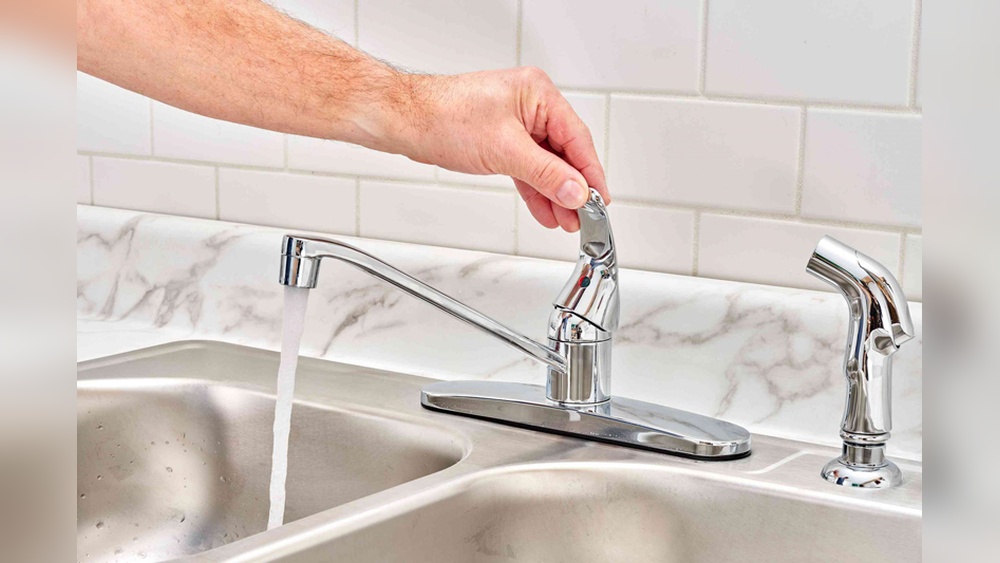
- Isolate the stiff handle: Is it hot, cold, or both? If only one side is stiff, you may only need to fix that side.
- Check for leaks: If you see water under the handle or dripping from the spout, you probably have a worn O-ring or cartridge.
- Feel for grinding or sticking: If the handle moves but feels rough, it’s likely mineral build-up or lack of grease.
- Listen for squeaks: Squeaking often means dry parts or a worn rubber seal.
- Test water temperature and pressure: Sometimes, low pressure or very hot water can make handles harder to turn.
Non-obvious insight: A sudden change in handle stiffness after plumbing work often means debris got into the faucet. Cleaning it out quickly prevents long-term damage.
Step-by-step: How To Fix A Stiff Faucet Handle
Now, let’s get practical. These steps work for most common household faucets—single-handle, double-handle, kitchen, or bathroom. Always check your manufacturer’s instructions if you have a unique model.
1. Turn Off The Water Supply
Find the shutoff valves under your sink. Turn them clockwise until they stop. Test the faucet to make sure water is off. If you can’t find shutoff valves, turn off the main water supply.
2. Plug The Drain
Small screws or parts can easily fall down the drain. Use a sink plug or a rag to block the opening.
3. Remove The Faucet Handle
- Most handles have a decorative cap covering the screw. Pry it off with a flat-head screwdriver.
- Use a Phillips screwdriver or Allen wrench to remove the screw.
- Gently pull the handle off. If it’s stuck, wiggle it gently. Avoid using too much force, as this can break the handle.
Tip: If the handle won’t budge, spray a little white vinegar around the base and wait 10 minutes. This loosens mineral build-up.
4. Inspect And Clean The Inside
Look for signs of:
- White, crusty deposits (minerals)
- Broken or dried O-rings
- Rust, dirt, or debris
Dip a toothbrush in white vinegar and scrub away any deposits. Rinse with water and dry with a towel.
5. Remove And Check The Cartridge Or Stem
- For single-handle faucets, pull out the cartridge.
- For double-handle, remove the valve stem by unscrewing it.
Check for cracks, rust, or worn parts. If the cartridge is stuck, use pliers to pull it gently.
6. Clean Or Replace Worn Parts
- Soak metal parts in vinegar for 20–30 minutes to dissolve minerals.
- Replace any broken or worn O-rings, washers, or cartridges.
- Apply a thin layer of plumber’s grease to all rubber seals and moving parts.
7. Reassemble The Faucet
- Insert the cleaned or new cartridge/stem.
- Put the handle back on and tighten the screw.
- Snap the decorative cap back in place.
8. Turn On The Water And Test
Open the shutoff valves slowly. Test the handle—it should move smoothly. Let the water run for a minute to clear any leftover debris.
Common mistake: Overtightening the handle screw can cause new stiffness. Tighten just enough so the handle is secure.
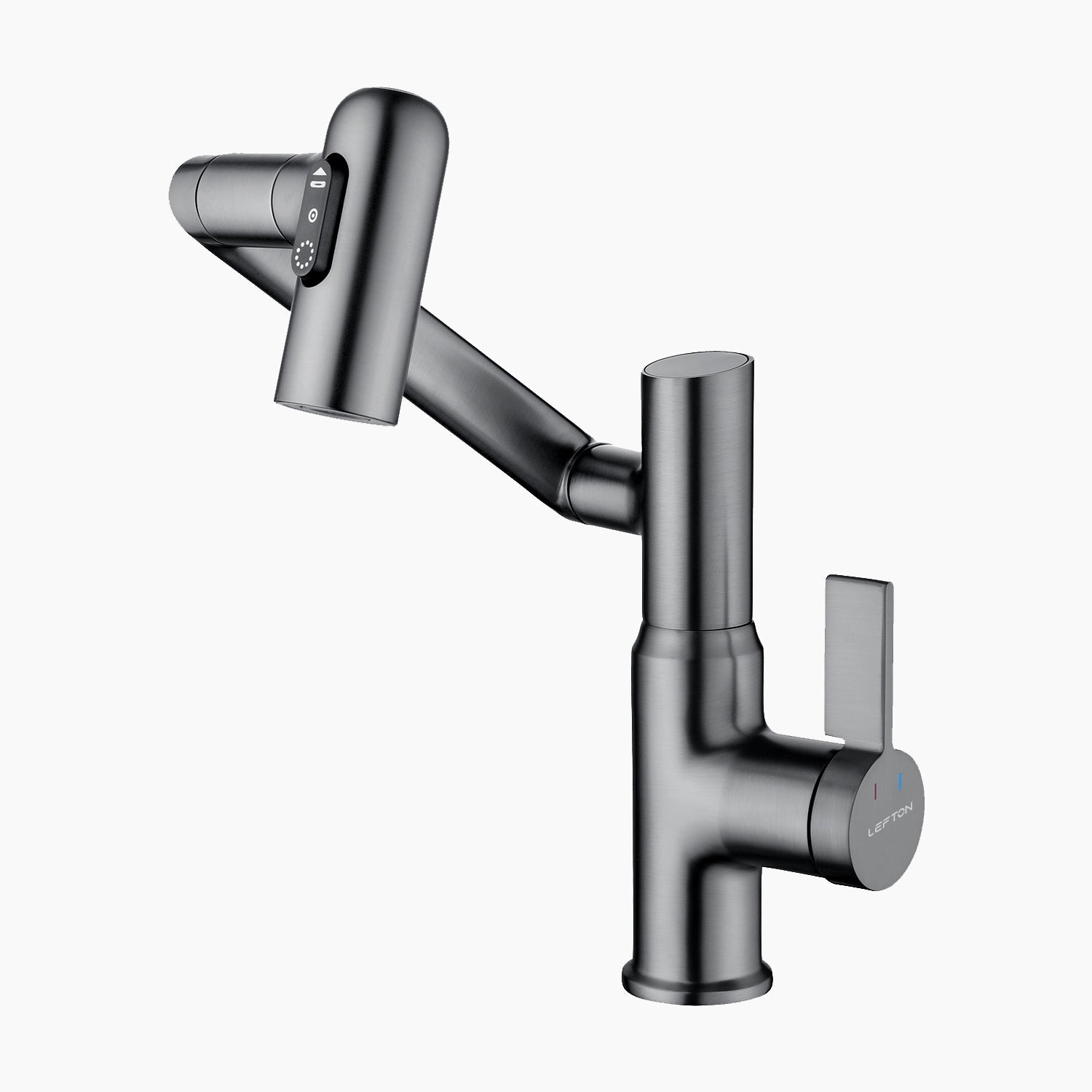
Credit: www.leftonhome.com
Special Cases: Kitchen Vs. Bathroom Faucets
While the basic steps are similar, there are important differences between kitchen and bathroom faucet handles.
| Feature | Kitchen Faucet | Bathroom Faucet |
|---|---|---|
| Handle Type | Often single-lever or pull-out | Usually double handle or small lever |
| Cartridge Size | Larger, more complex | Smaller, simple |
| Common Issues | Mineral build-up, O-ring wear | Washer deterioration, rust |
| Tools Needed | Pliers, Allen wrench, wrench | Screwdriver, wrench |
Practical example: Kitchen faucets often get stiff because they’re used more and exposed to grease and food particles. Bathroom faucets, on the other hand, mostly suffer from hair, soap, and toothpaste build-up.
When To Replace, Not Repair
Sometimes, fixing a stiff handle is not enough. You may need a full replacement if:
- The cartridge or stem is cracked or heavily corroded.
- There’s leaking under the sink or inside the cabinet.
- The handle is physically broken or stripped.
- The faucet is over 15 years old and parts are hard to find.
Data point: According to plumbing industry surveys, most faucets last 12–15 years. After this, repairs may only be a temporary fix.
Preventing Future Stiff Faucet Handles
Fixing a stiff handle once is good, but preventing it from happening again is even better. Here’s how to keep your faucet working smoothly for years.
- Clean regularly: Wipe your faucet and handles weekly. Use vinegar to remove mineral spots.
- Lubricate once a year: Apply plumber’s grease to moving parts during annual cleaning.
- Install a water softener: If you have hard water, a softener reduces mineral build-up.
- Flush pipes after plumbing work: Open all faucets for a few minutes to remove debris.
- Replace parts before they fail: If you notice drips or squeaks, repair them early.
| Action | Frequency | Benefits |
|---|---|---|
| Cleaning with vinegar | Monthly | Removes minerals, prevents sticking |
| Lubrication | Yearly | Reduces friction, extends life |
| Inspect O-rings | Every 2 years | Prevents leaks and stiffness |
| Replace cartridge | Every 5–7 years | Smoother operation, prevents breakdown |
Pro tip: Keep a small plumbing kit at home with spare O-rings and plumber’s grease. This way, you can fix small problems before they grow.
Common Mistakes To Avoid
Even experienced DIYers make errors when fixing stiff faucet handles. Here are the most common pitfalls and how to avoid them:
- Using WD-40 or oil: These products can damage rubber seals and are not safe for drinking water parts. Always use plumber’s grease.
- Forcing the handle: If it’s stuck, don’t force it. You could break the handle or damage the valve.
- Skipping cleaning: Replacing parts without cleaning out minerals means the problem will come back soon.
- Losing small parts: Work over a tray or towel, and keep screws and washers organized.
- Not matching parts: Always take the old cartridge or O-ring to the store to get an exact match. Even slight differences can cause leaks or stiffness.
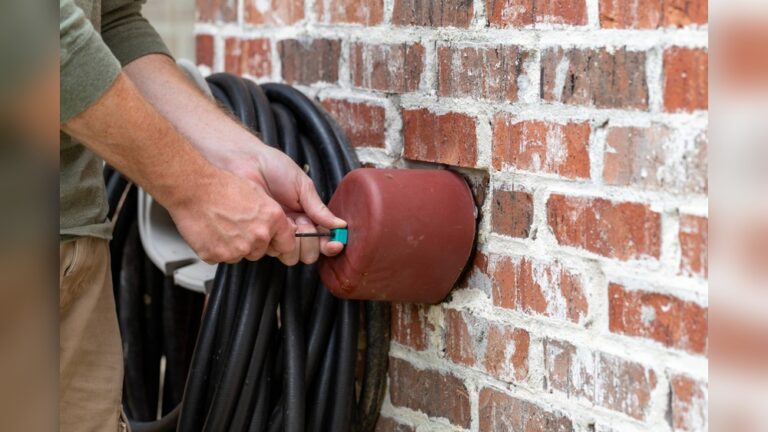
How To Fix A Stiff Outdoor Faucet Handle
Outdoor spigots, also called hose bibs, are exposed to weather and get stiff for different reasons.
- Shut off water supply (often inside the house).
- Remove the handle by unscrewing the top screw.
- Spray white vinegar on the stem to dissolve rust and minerals.
- Loosen packing nut with a wrench and remove the stem.
- Clean and lubricate all parts with plumber’s grease.
- Replace washers if cracked or worn.
- Reassemble and test.
Experience-based tip: Outdoor faucets often freeze in winter, making the handle stiff or even cracking the stem. Always disconnect hoses and insulate the spigot before cold weather.
When To Call A Plumber
DIY repairs work for most stiff handles, but sometimes you need expert help:
- Water won’t shut off: If you can’t stop water flow, call a professional immediately.
- Handle is stuck and won’t budge: You may break the faucet or damage pipes if you use too much force.
- Repeated stiffness: If the handle gets stiff again soon after repair, it may be a sign of bigger plumbing issues.
- Hidden leaks: Water inside the cabinet or walls can cause mold and costly damage.
External reference: For more on plumbing safety and faucet repair standards, check the Family Handyman guide.

Credit: www.youtube.com
Cost Comparison: Diy Vs. Hiring A Professional
Let’s look at the typical costs involved in fixing a stiff faucet handle yourself versus hiring a plumber.
| Repair Option | Materials Cost | Labor Cost | Total Estimated Cost |
|---|---|---|---|
| DIY (cleaning, lubricating, replacing O-rings) | $10–$30 | $0 | $10–$30 |
| DIY (cartridge replacement) | $15–$50 | $0 | $15–$50 |
| Professional plumber (minor repair) | $10–$50 | $75–$150 | $85–$200 |
| Professional plumber (full replacement) | $50–$200 | $150–$350 | $200–$550 |
Key takeaway: For simple repairs, DIY is much cheaper. But for major problems or hidden leaks, the peace of mind from a professional is worth the cost.
Frequently Asked Questions
Why Is My Faucet Handle Suddenly Stiff?
A sudden change is often caused by debris or mineral build-up that gets lodged in the faucet after plumbing work or a change in water supply. It can also happen if an O-ring or seal dries out quickly due to temperature changes.
Can I Use Wd-40 To Loosen My Faucet Handle?
No, WD-40 is not safe for plumbing because it can damage rubber parts and is not food-grade. Use plumber’s grease or silicone-based lubricant designed for faucets.
How Do I Know If I Need A New Cartridge?
If cleaning and lubricating do not fix the stiffness, or if you see cracks, rust, or leaks from the handle area, it’s time to replace the cartridge. Also, if the handle wobbles or won’t stay in position, the cartridge is likely worn out.
How Long Should A Faucet Handle Last?
A typical faucet handle lasts 10–15 years if well maintained. Hard water, heavy use, or skipped maintenance can shorten this lifespan.
Is It Safe To Use Vinegar On All Faucet Types?
White vinegar is safe for most metal and plastic faucets but can damage natural stone (like marble) or some specialty finishes. Always check your faucet’s manual and test on a small area first.
Fixing a stiff faucet handle is a manageable task for most homeowners. With the right tools, a little patience, and proper maintenance, you can keep your faucet working smoothly and avoid costly repairs. If in doubt, don’t hesitate to seek help from a qualified plumber.
Your hands—and your wallet—will thank you.

Credit: www.youtube.com