Can You Replace a Centerset Faucet With a Widespread Faucet?
Replacing a centerset faucet with a widespread faucet is a project many homeowners consider when upgrading their bathroom or kitchen. The sleek look of a widespread faucet can instantly modernize your sink, but the process is not as simple as just swapping out fixtures.
There are important differences between these two types of faucets, and several factors you must consider before making the change. If you’re thinking about making this upgrade, understanding what’s involved will save you time, money, and frustration.
Many people believe all faucets are interchangeable, but the reality is more complex. Centerset and widespread faucets have unique installation requirements, and your sink or countertop plays a big role in what’s possible. This article will guide you through the key differences, the steps involved, and what to expect if you want to swap a centerset faucet for a widespread one.
You’ll get clear explanations, practical advice, and expert tips to help you make the right decision for your home.
Understanding Centerset And Widespread Faucets
Before discussing whether you can replace a centerset faucet with a widespread faucet, it’s important to know exactly what each type is and how they differ.
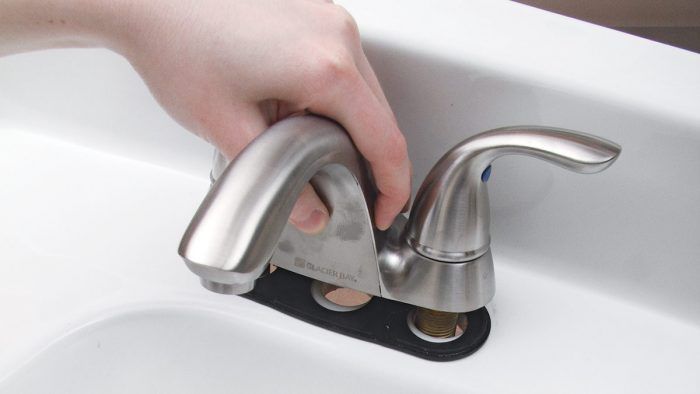
Centerset faucets are popular in both bathrooms and kitchens. They combine the spout and handles on a single base unit, usually with the handles 4 inches apart. This makes them compact and easy to install, especially on smaller sinks with limited space.
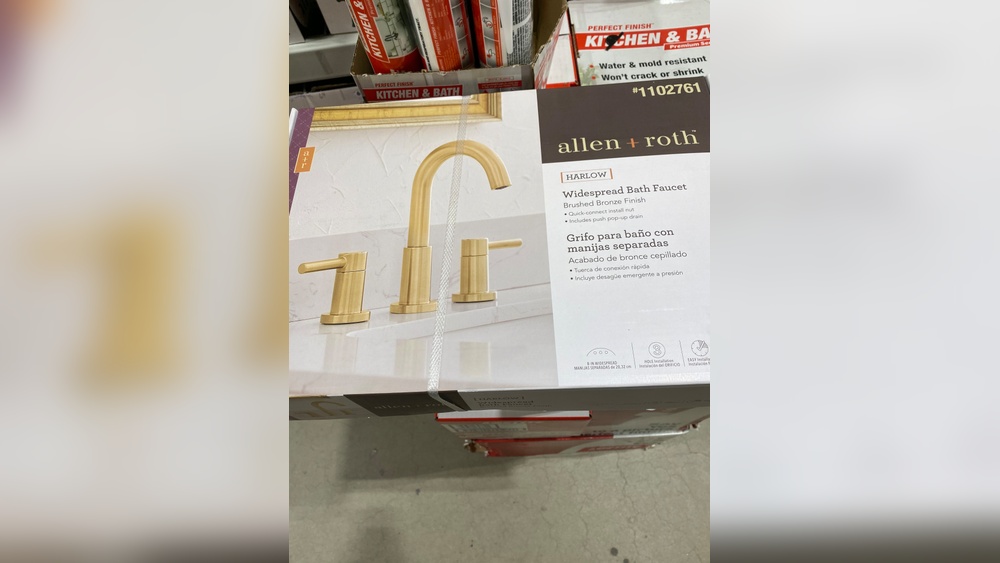
Widespread faucets, on the other hand, have separate hot and cold handles, each installed independently from the spout. The distance between the handles can range from 6 to 16 inches, giving a more spread-out and high-end look. They are often seen in modern or upscale bathrooms.
Comparison: Centerset Vs. Widespread Faucets
Here’s a quick side-by-side look at the main differences:
| Feature | Centerset Faucet | Widespread Faucet |
|---|---|---|
| Handle Distance | Usually 4 inches | 6 to 16 inches |
| Base Plate | Single-piece base | Separate pieces |
| Installation Holes | 3 holes, 4 inches apart | 3 holes, 6-16 inches apart |
| Style | Compact, traditional | Modern, luxurious |
| Space Needed | Less countertop space | More countertop space |
One non-obvious detail: most centerset faucets are designed for smaller sinks, so their compact size is a key advantage in tight bathrooms. Widespread faucets, while stylish, demand more real estate on your countertop.
Can You Replace A Centerset Faucet With A Widespread Faucet?
The simple answer is: sometimes, but not always. Whether you can successfully replace a centerset faucet with a widespread one depends on your sink or countertop’s hole configuration, the space available, and your willingness to do some modification. Let’s explore these factors in detail.
The Sink Or Countertop Holes
Sinks and countertops come pre-drilled with holes for faucets. Centerset faucets require three holes spaced 4 inches apart. Widespread faucets need three holes spaced 6-16 inches apart. The first thing to check is the distance between the holes on your sink.
If your sink has only 4-inch-spaced holes, a widespread faucet will not fit properly. The handles and spout will be too close together, or the faucet simply won’t install.
If your countertop is drilled for widespread (6-16 inches apart), you can install either type. However, most sinks with centerset holes are not compatible with widespread faucets without modifying the sink or replacing it.
Measuring Your Sink Holes
- Use a tape measure to check the distance between the centers of the left and right holes.
- If the distance is exactly 4 inches, it’s a centerset configuration.
- If it’s wider than 4 inches (6-16 inches), it’s a widespread configuration.
Pro tip: Some sinks have a “mini-widespread” configuration, with holes 4-6 inches apart. Very few widespread faucets fit these, so double-check specifications before buying.
Modifying The Sink Or Countertop
If your sink only has holes for a centerset faucet, you may be wondering if you can drill new holes for a widespread faucet. Here’s what you need to know:
- Porcelain or ceramic sinks: Drilling new holes is very difficult and risky. These materials are brittle and can crack easily. Most experts do not recommend it.
- Stone or solid-surface countertops: It is possible to drill new holes, but this requires special tools (diamond hole saws) and experience.
- Metal sinks: Drilling is easier, but you still need the right tools.
Often, the safest and best-looking solution is to replace the sink or countertop with one that is pre-drilled for a widespread faucet.

Credit: www.angi.com
Step-by-step Guide: How To Replace A Centerset Faucet With A Widespread Faucet
If you decide to go ahead, here is a detailed step-by-step process for making the switch.
1. Assess Your Sink And Countertop
First, look at the sink or counter. Identify the type of material and the layout of the faucet holes.
- Check the hole spacing as described above.
- Inspect the condition of the sink. If it’s old or damaged, this may be a good time to upgrade.
2. Choose The Right Faucet
Select a widespread faucet that fits your style and matches your sink’s material and color. Pay attention to the installation instructions—some widespread faucets need more space under the sink for the water supply hoses.
3. Gather Tools And Materials
You’ll need:
- Adjustable wrench
- Basin wrench
- Plumber’s tape (Teflon tape)
- Plumber’s putty or silicone sealant
- Bucket or towel (to catch water)
- Screwdriver
- New water supply lines (if needed)
- Safety glasses and gloves (if drilling)
If you plan to drill new holes: Get a diamond-tipped hole saw for stone, or a carbide hole saw for metal.
4. Turn Off The Water Supply
Shut off the water valves under the sink. If there are no shutoff valves, turn off the main water supply for your home.
- Open the faucet to drain any remaining water.
- Place a bucket or towel under the sink to catch drips.
5. Remove The Old Centerset Faucet
- Disconnect the water supply lines from the faucet.
- Remove mounting nuts or screws holding the faucet in place.
- Lift the old faucet out, being careful not to damage the sink.
6. Address The Sink Holes
At this stage, you have three options:
- Your sink holes are already widespread: Proceed with installation.
- Your sink holes are centerset (4 inches): You must replace the sink or countertop.
- You want to drill new holes: Mark the new hole locations carefully, use the right drill bit, and go slowly to avoid breaking the sink.
Caution: If you are unsure, consult a plumber or professional installer. Breaking a sink during drilling is a common and costly mistake.
7. Install The Widespread Faucet
- Place the spout in the center hole, and the handles in the outer holes.
- Use plumber’s putty or silicone to seal the bases.
- From below, tighten mounting nuts to secure the faucet.
- Connect the water supply lines to the hot and cold handles, then to the main water supply.
8. Test For Leaks
- Turn on the water valves slowly.
- Check all connections for drips.
- If you see leaks, tighten the connections and use more plumber’s tape.
9. Clean Up And Finish
- Remove any excess putty or sealant from around the faucet.
- Reconnect the drain if it was removed.
- Wipe down the area and enjoy your new faucet.
Advantages And Disadvantages Of Upgrading To A Widespread Faucet
Switching from centerset to widespread isn’t just about looks. There are practical pros and cons to consider.
Benefits Of A Widespread Faucet
- Modern appearance: Instantly updates the look of your bathroom or kitchen.
- Easier cleaning: No base plate to trap dirt, making it easier to wipe around the faucet.
- Flexible handle distance: You can position handles to fit your hand size and preferences.
- Higher quality: Many widespread faucets use better materials and have smoother operation.
Drawbacks To Consider
- More expensive: Widespread faucets usually cost more than centerset models.
- Complex installation: Needs more space and sometimes professional help.
- Sink replacement may be required: As discussed, most centerset sinks are not drilled for widespread faucets.
- More parts to maintain: Separate handles and spout mean more connections that could leak over time.
Real-world Example
A homeowner in California wanted to upgrade her bathroom with a luxury widespread faucet. Her original sink was a compact, older model with 4-inch centerset holes. After attempting to drill new holes and cracking the porcelain, she had to purchase a new sink and countertop, doubling the total cost.
This example highlights the importance of planning and understanding the risks.
Cost Comparison: Centerset Vs. Widespread Faucet Replacement
Here’s a breakdown of typical costs involved in replacing a centerset faucet with a widespread faucet:
| Item | Estimated Cost (USD) |
|---|---|
| Widespread faucet | $80 – $400 |
| New sink (if needed) | $50 – $300 |
| Countertop modification/drilling | $100 – $400 |
| Professional installation | $150 – $400 |
| DIY installation (tools, supplies) | $20 – $100 |
Insight: The total cost can jump quickly if you need a new sink or professional help. Always budget for unexpected expenses, especially if your project involves drilling or countertop changes.
Common Mistakes When Replacing A Centerset Faucet
Many homeowners run into problems when switching to a widespread faucet. Here are some common mistakes and how to avoid them:
- Not measuring sink holes first: Always check your sink’s hole spacing before buying a new faucet.
- Attempting to drill porcelain or ceramic sinks without experience: This often leads to cracks and costly damage.
- Forgetting about water supply line compatibility: Widespread faucets sometimes need longer supply lines.
- Ignoring the depth under the sink: Some widespread faucets have larger connecting parts that may not fit in shallow cabinets.
- Not using plumber’s tape or putty: Skipping these leads to leaks.
- Choosing style over function: Some stylish widespread faucets are harder to use, especially for children or people with limited hand strength.
Tip: When in doubt, consult a professional plumber. They can assess your setup and recommend the safest solution.
When To Stick With A Centerset Faucet
Sometimes, keeping a centerset faucet is the smartest choice. Consider sticking with centerset if:
- Your sink is small or has limited countertop space.
- You want a quick and simple replacement with minimal work.
- You’re on a tight budget and don’t want to replace the sink or countertop.
- You prefer a traditional look or have multiple bathrooms to update.
Modern centerset faucets come in many styles and finishes, so you can still get an updated look without the hassle of changing sink configurations.
Alternatives To Widespread Faucets
If you want an upgrade but can’t install a widespread faucet, there are other options to refresh your sink area:
- Mini-widespread faucets: These fit sinks with holes 4-6 inches apart, offering a more spread-out look than centerset.
- Single-hole faucets: Require only one hole and can look very modern.
- Centerset faucets with a designer look: Many brands offer stylish centerset faucets that mimic the look of widespread models.
Non-obvious tip: Some new faucet designs come with “escutcheon plates” that can cover extra holes, offering flexibility in future upgrades.
Credit: www.finehomebuilding.com
Maintenance And Longevity Considerations
Switching to a widespread faucet means you’ll have more parts to clean and maintain. Here’s what to expect:
- More joints and seals: Widespread faucets have more connections, which means more points where leaks could develop.
- Easier cleaning around handles: Since handles are separate, it’s easier to wipe away grime.
- Replacement parts: Check if your chosen faucet has easily available parts for future repairs.
Expert guidance: Choose a faucet from a reputable brand with good customer support and clear instructions. This makes repairs and maintenance much easier down the line.
Environmental Impact: Water Efficiency
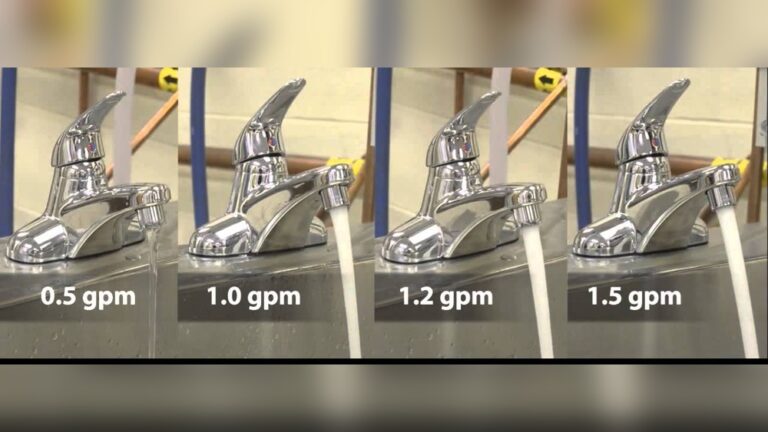
Modern widespread faucets often come with water-saving features, such as aerators that reduce flow without sacrificing performance. Look for models with the WaterSense label or similar certifications. This can help lower your water bill and benefit the environment.
Data point: According to the U.S. Environmental Protection Agency, WaterSense faucets can save a household up to 700 gallons of water per year.

Credit: www.neverskipbrunch.com
Diy Or Hire A Professional?
Should you try this project yourself or hire a plumber? Here are some points to consider:
- DIY is possible if you’re comfortable working with plumbing, have the right tools, and your sink is compatible.
- Professional installation is best if you need to drill new holes, replace the sink, or if you’re unsure about the process.
- Safety matters: Incorrect installation can lead to leaks, water damage, and voided warranties.
The Importance Of Planning Ahead
Before you start, think through the following:
- Do you want to upgrade the whole sink, or just the faucet?
- Is this a temporary home or your forever home?
- What is your total budget, including unexpected costs?
- Will the new faucet fit with your overall bathroom or kitchen design?
Insight: Many homeowners underestimate the time and cost involved in switching faucet types. Planning ahead helps avoid stress and surprise expenses.
Summary Table: Decision Factors
Here’s a quick reference guide to help you decide if replacing a centerset faucet with a widespread faucet is right for you.
| Factor | Centerset Faucet | Widespread Faucet |
|---|---|---|
| Sink hole spacing needed | 4 inches | 6-16 inches |
| Ease of installation | Easy | Moderate to difficult |
| Cost | Lower | Higher |
| Style options | Traditional, some modern | Wide variety, upscale |
| Works with small sinks | Yes | No |
| DIY-friendly | Yes | Sometimes |
Frequently Asked Questions
What Is The Main Difference Between Centerset And Widespread Faucets?
The main difference is the distance between the handles and the way they are installed. Centerset faucets have handles and spout combined on a single base, with handles 4 inches apart. Widespread faucets have separate handles and spout, with distances between 6 and 16 inches.
Can I Drill New Holes In My Sink For A Widespread Faucet?
Drilling new holes is possible in some materials, such as metal or stone, with the right tools. However, it is not recommended for porcelain or ceramic sinks due to the risk of cracking. Consider hiring a professional or replacing the sink.
Are Widespread Faucets More Expensive To Install?
Yes, widespread faucets are usually more expensive to buy and install. You may need a new sink or countertop, and professional installation is often necessary if modifications are required.
What Should I Do If My New Faucet Doesn’t Fit My Existing Sink?
If your new faucet doesn’t fit, you have a few options: return the faucet and buy a model that matches your sink’s holes, replace the sink with one that matches the faucet, or have new holes drilled (if your sink’s material allows).
Where Can I Find More Information About Faucet Types And Installation?
You can find more in-depth guides and specifications on official plumbing websites such as the Home Depot Faucet Guide.
Replacing a centerset faucet with a widespread faucet is a project that can dramatically change the look and feel of your bathroom or kitchen. But it’s important to understand the requirements, challenges, and costs before you start. With careful planning and the right information, you can make a smart upgrade that adds style and value to your home.