Internal Vs External Threaded Faucet: Key Differences Explained
Every home or business with running water depends on faucets. But when it’s time to add a water filter, dishwasher, or even replace a broken aerator, you’ll quickly discover something important: not all faucets are built the same. The main difference often comes down to internal vs external threaded faucets. This small detail can make plumbing upgrades easy or surprisingly tricky. While the terms sound technical, knowing the basics can save you money, time, and future headaches.
Most people only notice threads when they don’t fit. Maybe you’ve bought a new water filter or a spray hose, only to find it won’t screw onto your faucet. Or perhaps you’ve stared at your kitchen tap, unsure which adapter to buy.
If that sounds familiar, you’re not alone. Understanding the difference between internal (female) and external (male) threads, why they matter, and how to work with each type can make your DIY projects go smoothly. Let’s break down the essentials, compare them in detail, and help you choose—and use—the right faucet thread every time.
What Are Threaded Faucets?
Threaded faucets are taps with spiral grooves (threads) designed to connect other devices. These threads let you attach items like aerators, hoses, or water filters securely. The two main types are:
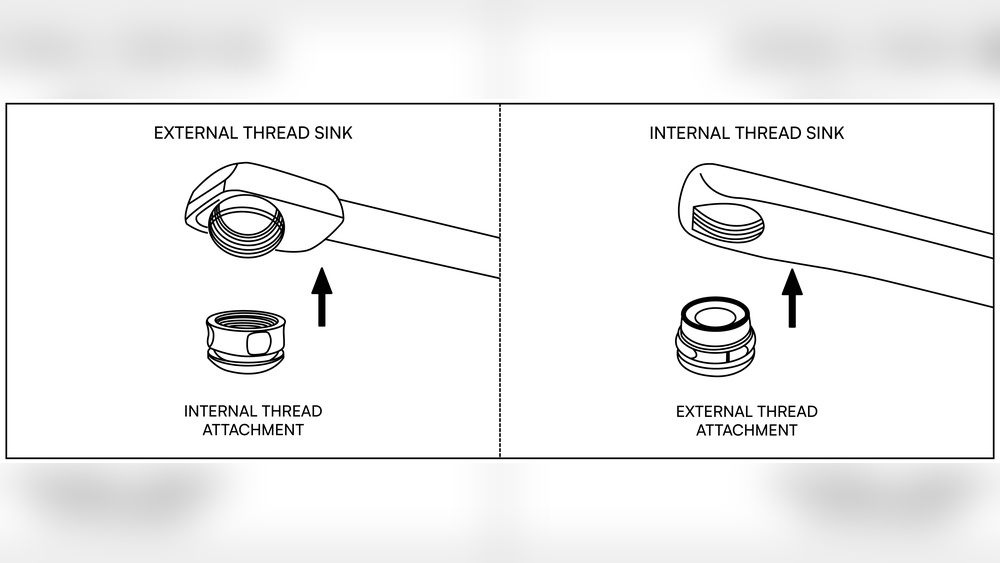
- Internal threaded faucets (female thread): The threads are on the inside of the faucet opening.
- External threaded faucets (male thread): The threads are on the outside of the faucet spout.
This small design detail controls which accessories will fit. It’s important for anyone adding attachments or replacing parts.
Understanding Internal Threaded Faucets
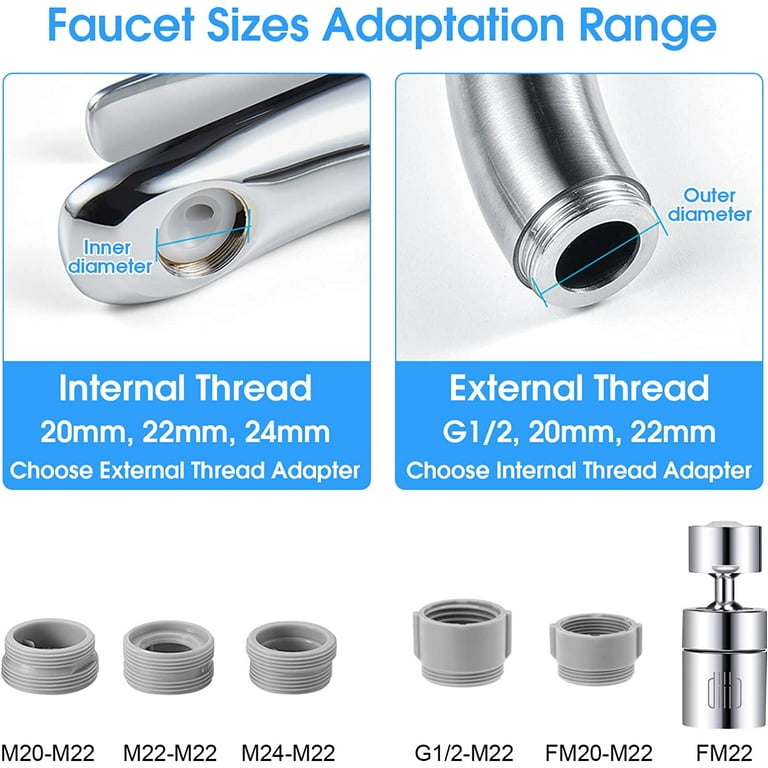
Internal threaded faucets, also called female-threaded faucets, have their threads cut on the inside of the spout. This means that any accessory or adapter must have external (male) threads to screw inside the faucet.
Where Are Internal Threads Common?
You’ll often find internal threads on:
- Bathroom sink faucets: Especially modern or European designs.
- Some kitchen faucets: Particularly those designed for built-in water filters.
- Certain utility taps: Used for washing machines or outside taps in some regions.
How To Identify Internal Threads
Look at the faucet’s tip. If you see grooves inside the opening, it’s an internal thread. Run your finger around the edge—if it’s smooth outside but grooved inside, you have an internal thread.
Advantages Of Internal Threaded Faucets
- Cleaner Look: The threads are hidden inside, giving a smooth, modern appearance.
- Less Dirt Build-up: Internal threads collect less grime, making cleaning easier.
- More Secure Attachments: Many filters and aerators fit snugly, reducing leaks.
Drawbacks Of Internal Threaded Faucets
- Accessory Compatibility: Many attachments are designed for external threads, so you might need an adapter.
- Limited Options: Not all accessories are available for internal threads.
- Harder to Replace: The internal thread can be harder to clean or fix if damaged.
Common Internal Thread Sizes
In the US and many other countries, the most frequent size for internal threads is 55/64″-27 UNS (meaning 55/64 inch diameter, 27 threads per inch). European faucets often use M22x1 (22mm diameter, 1mm thread pitch).
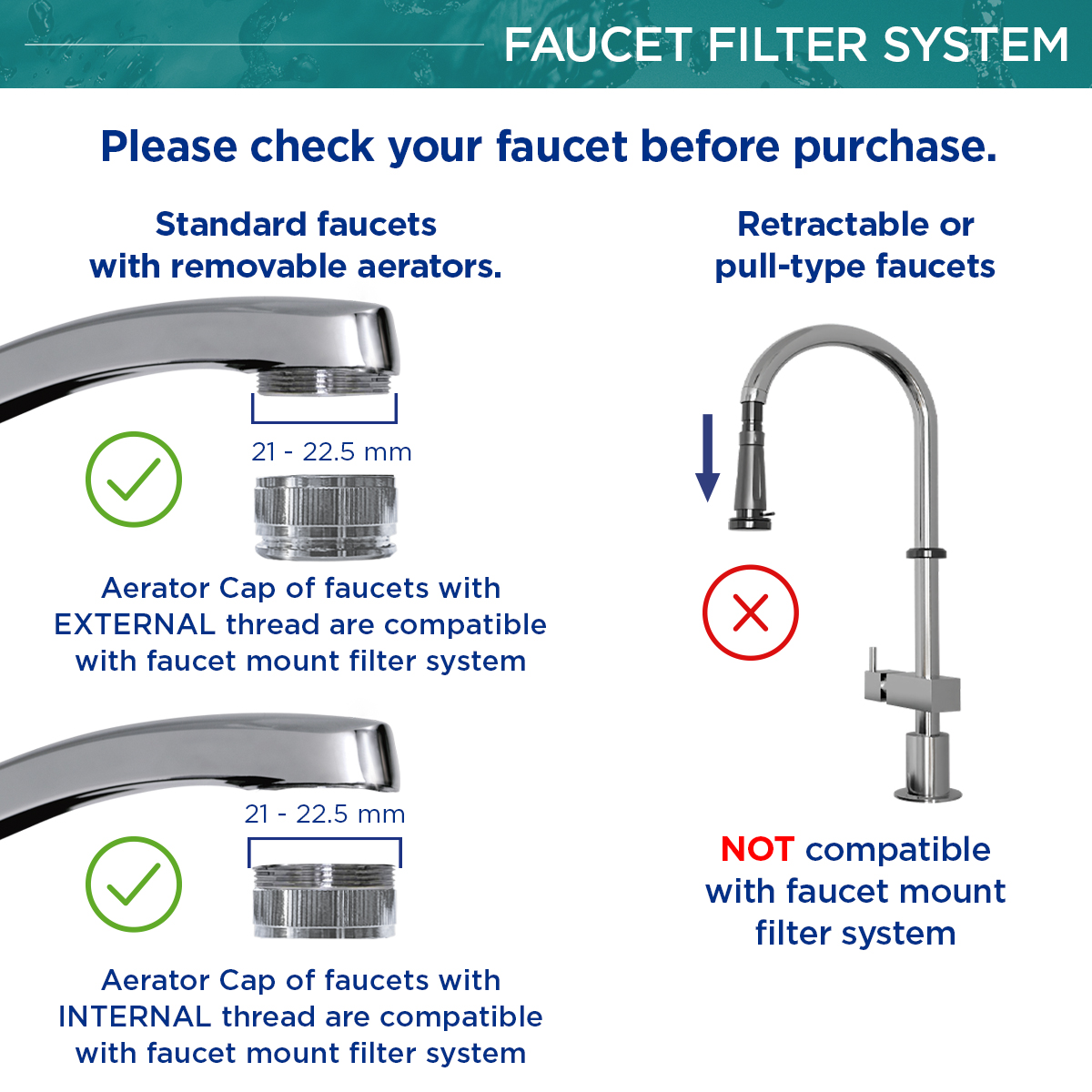
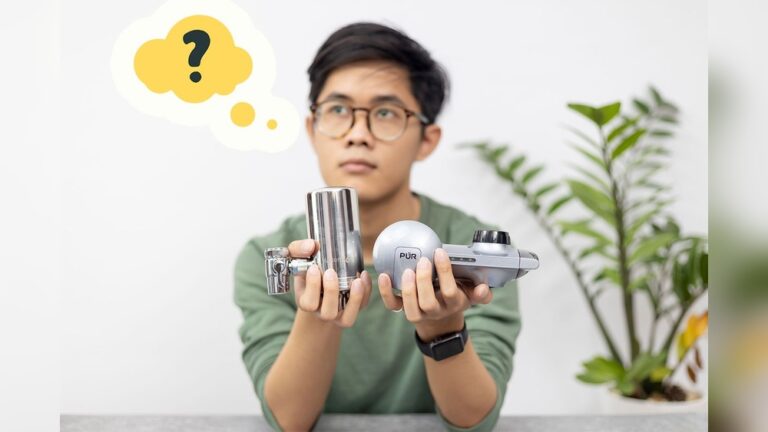
Credit: www.purwater.ca
Exploring External Threaded Faucets
External threaded faucets, or male-threaded faucets, have threads cut on the outside of the spout. Accessories with internal (female) threads screw over the faucet.
Where Are External Threads Used?
You’ll typically find external threads on:
- Older kitchen faucets: Especially in North America.
- Outdoor garden taps: For hoses and sprayers.
- Commercial sinks: Where attachments are changed often.
How To Identify External Threads
Feel the outside tip of your faucet. If you can see and feel spiral grooves, it’s an external thread. These are easy to spot and touch.
Advantages Of External Threaded Faucets
- Wide Accessory Range: Most hoses and filters are designed for external threads.
- Easy to Clean: The threads are accessible for scrubbing.
- Simple Replacements: Swapping aerators or adapters is quick.
Drawbacks Of External Threaded Faucets
- Visible Threads: Some people find external threads less attractive.
- Can Collect Dirt: Threads outside can trap grime.
- Slightly More Prone to Damage: Exposed threads may get scratched or bent.
Common External Thread Sizes
The most popular size in the US is 15/16″-27 UNS (15/16 inch diameter, 27 threads per inch). In Europe, M24x1 (24mm diameter, 1mm pitch) is common.
Internal Vs External Threaded Faucet: Key Differences
To make things clearer, here is a detailed comparison of the two types:
| Feature | Internal Threaded Faucet | External Threaded Faucet |
|---|---|---|
| Thread Location | Inside faucet spout | Outside faucet spout |
| Common Use | Modern bathrooms, built-in filters | Older kitchens, garden hoses |
| Appearance | Smooth, clean look | Threads are visible |
| Accessory Compatibility | Often needs adapter | Most accessories fit directly |
| Cleaning Ease | Less dirt, harder to reach | More dirt, easy to scrub |
| Popular Sizes (US) | 55/64″-27 | 15/16″-27 |
Why Faucet Thread Type Matters
Many people buy a water filter, sprayer, or adapter—only to find it doesn’t fit. The type of thread on your faucet determines:
- Which accessories you can use
- If you need an adapter
- How easy installation will be
For example, most water filters sold in North America are designed for external threads. If you have an internal-threaded faucet, you’ll need a special adapter. If you skip this step, your filter will leak or simply not attach.
How To Measure Your Faucet Thread
If you want to buy a new accessory, you must know your faucet’s thread type and size. Here’s how you do it:
- Check visually and by touch: Is the thread inside (internal) or outside (external)?
- Use a ruler or caliper: Measure the diameter of the opening or outside of the spout.
- Count the threads: Most home faucets have 27 threads per inch (US standard).
- Look at the manual: Many brands print the size in their instructions.
Some faucet packaging or websites list the size. If you’re unsure, take a photo and bring it to a hardware store. Staff can help you match the right part.
Example
You have a kitchen faucet with threads inside the spout. You measure and find it’s about 22mm wide. This means you likely have an M22x1 internal thread. You’ll need an M22-compatible aerator or adapter.
Choosing Accessories For Internal And External Threaded Faucets
Different faucet threads need different accessories. Here’s how to select the right product:
For Internal Threaded Faucets
- Buy accessories with external (male) threads.
- Look for adapters labeled “for internal thread faucets.”
- Common adapters: M22x1 (internal) to M24x1 (external) for Europe, or 55/64″-27F to 15/16″-27M for the US.
For External Threaded Faucets
- Buy accessories with internal (female) threads.
- Most water filters, aerators, and hoses fit directly.
- If you want to connect to a device with male threads, you may need a “female to male” adapter.
Example: Installing A Countertop Water Filter
Suppose you buy a countertop water filter. It comes with an adapter for external threads (male faucet). But your faucet has internal threads. You’d need a female-to-male adapter to connect the filter properly.
The Role Of Faucet Adapters
Adapters are small fittings that let you connect accessories that don’t match your faucet’s threads. They come in many types:
- Male-to-female adapters: Change internal threads to external.
- Female-to-male adapters: Change external threads to internal.
- Multi-thread adapters: Fit several sizes, useful for unknown or rare threads.
| Adapter Type | Use Case | Example |
|---|---|---|
| Male-to-female | Accessory with female threads + internal-thread faucet | Attaching a garden hose to an indoor tap |
| Female-to-male | Accessory with male threads + external-thread faucet | Installing a water filter on a male-thread tap |
| Multi-thread | Unknown or multiple faucets/accessories | Travel adapters for various countries |
Adapters are usually made of brass or plastic. Brass is more durable and less likely to leak.
Common Mistakes When Working With Faucet Threads
Many beginners make errors when handling faucet threads. Here are the top pitfalls and how to avoid them:
- Not checking thread type: Don’t assume all faucets are the same. Always check if it’s internal or external before buying accessories.
- Ignoring size: Thread size matters as much as type. A 22mm adapter won’t fit a 24mm spout.
- Cross-threading: Forcing an accessory onto the wrong thread can damage both parts. Always start by hand and screw gently.
- Skipping adapters: Trying to fit a female accessory on a female faucet (or male to male) without an adapter won’t work.
- Using the wrong seal: Some connections need a rubber washer or Teflon tape to prevent leaks. Always check the instructions.
Special Cases: Unusual Faucet Threads
Not every faucet fits the standard US or European sizes. Here are some special cases:
Specialty Faucets
Some designer or imported faucets use unique threads. These may require custom adapters. Always check with the faucet brand or a specialist supplier.
Old Faucets
Very old faucets, especially before 1950, might use non-standard sizes. You may need a plumber to retrofit or replace the spout.
Commercial Faucets
Restaurants or labs sometimes use industrial thread sizes. These are often much larger and need special accessories.
If you have an unusual faucet, take detailed photos and measurements before buying parts. Many online suppliers can match rare threads if you provide the data.
Practical Tips For Working With Faucet Threads
Success with faucet threads is about the details. Here’s what experienced plumbers do:
- Clean threads before installing: Dirt or old tape can cause leaks.
- Use the right washer: If the accessory wobbles, add a rubber washer for a tight seal.
- Hand-tighten, then finish with a tool: Start by hand to avoid cross-threading. Only use pliers or a wrench for the last turn.
- Check for leaks: Run water after installation. If you see drips, tighten a bit more or add a washer.
- Keep spare adapters: If you change accessories often (like a portable dishwasher), keep adapters handy.
Internal Vs External Threaded Faucets: Which Is Better?
There’s no single “best” option. The right choice depends on your needs:
- For easy accessory use: External threads are more flexible.
- For a modern look and less cleaning: Internal threads win.
- For homes with water filters or sprayers: Know your thread type before buying.
If you’re building or remodeling, ask your plumber to recommend the best style for your situation. If you already have a faucet, adapters can solve most problems.
Real-life Examples And Scenarios
Let’s look at a few real situations:
Scenario 1: Apartment Living
You rent an apartment with a slim, modern faucet. You want to attach a portable washing machine. The faucet has internal threads. You’ll need a male adapter (external thread) to connect the washer hose.
Scenario 2: Outdoor Gardening
You have an outdoor tap with external threads. Your hose has an internal-threaded connector. It screws on easily—no adapter needed.
Scenario 3: Installing A Water Filter
Your kitchen faucet has internal threads (M22x1). The filter comes with a female-threaded adapter (M24x1). You’ll need a M22 (internal) to M24 (external) adapter to make the connection.
Scenario 4: Replacing An Aerator
Your bathroom faucet’s aerator is stuck. You buy a new one, but it’s for external threads. You discover your faucet has internal threads. You return the part and buy the right one.
Environmental Impact And Water Efficiency
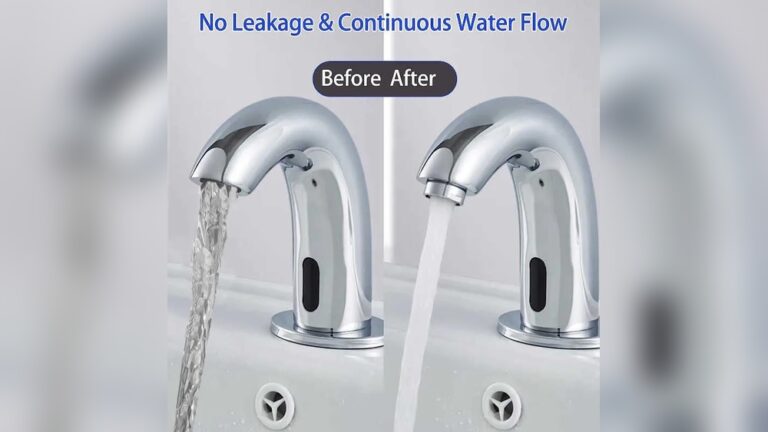
Threaded faucets are more than just a plumbing detail—they help with water conservation. Most faucet aerators (which screw onto threads) reduce water flow, saving gallons each day.
- A typical aerator can cut usage from 2.2 gallons per minute to 1.5 GPM—a 30% savings.
- Faucets with the right thread and aerator can save a family more than 700 gallons of water per year.
If you want to help the environment, check your faucet’s thread and install a water-saving aerator. It’s a simple change with a big impact.
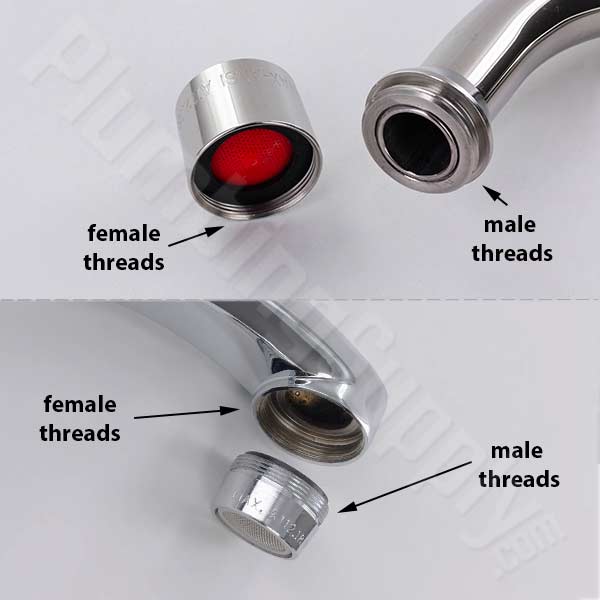
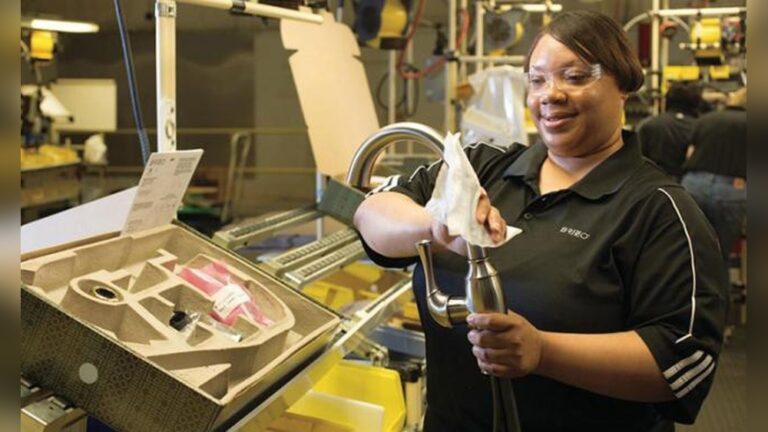
Credit: www.plumbingsupply.com
How To Maintain Threaded Faucets
Keeping your faucet threads in good shape is simple, but often overlooked.
- Regular cleaning: Wipe threads with a cloth every few months.
- Remove limescale: If you see white buildup, soak the threads in vinegar.
- Replace worn washers: If you see leaks, a new washer often solves the problem.
- Check for rust: Brass and stainless steel resist rust, but older faucets might need extra care.
When To Call A Professional
Most faucet thread problems are easy to fix yourself. But call a plumber if:
- Threads are badly damaged or stripped
- The faucet is leaking behind the wall
- You can’t find an adapter for a rare thread
A good plumber can re-thread the spout or recommend a replacement.
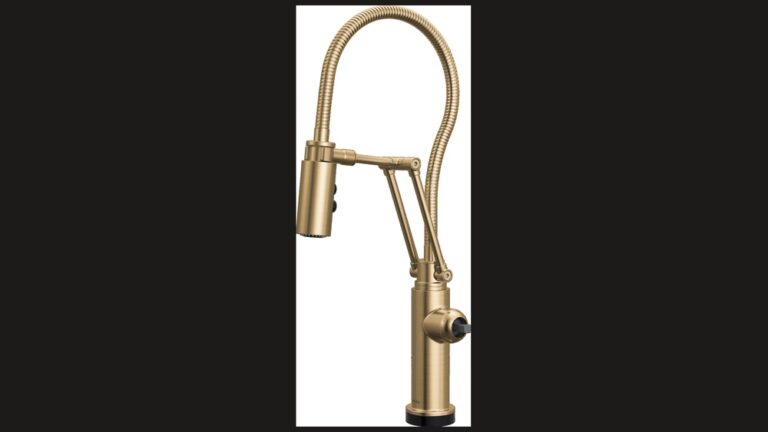
Credit: www.walmart.com
The Global Picture: International Thread Standards
If you move between countries (or buy an imported faucet online), thread sizes can be confusing. The US mostly uses UNS (Unified National Special) threads, while Europe uses metric sizes. Always check the specifications—what fits in one country may not fit in another.
For more details on international thread standards, see the Wikipedia: Tap (valve) page.
Frequently Asked Questions
What Is The Easiest Way To Tell If My Faucet Has Internal Or External Threads?
Look at the tip of your faucet. If the grooves are inside the opening, it’s internal threaded. If they’re outside, it’s external threaded. You can also touch the spout—smooth outside means internal, grooved outside means external.
Do I Need An Adapter To Install A Water Filter On Any Faucet?
Not always. If your filter’s connector matches your faucet’s thread type and size, it will fit directly. If not, you’ll need an adapter. Check the instructions for your filter and measure your faucet to be sure.
Why Don’t All Faucets Use The Same Thread Type?
Faucet design depends on style, region, and manufacturer. Some prefer internal threads for a cleaner look, while others use external threads for easy accessory changes. There is no worldwide standard, so always check before buying accessories.
Can I Damage My Faucet By Using The Wrong Attachment?
Yes. Forcing an accessory onto the wrong threads can strip or damage the faucet and the attachment. Always use the correct type and size, and never force parts together.
Are Internal Or External Threaded Faucets Better For Water Conservation?
Both types can use water-saving aerators. The key is choosing the right aerator for your thread type. Internal threads often collect less dirt, but both save water if fitted with a proper aerator.
Choosing the right faucet threads doesn’t just make your life easier—it saves water, money, and stress. Whether you’re updating your kitchen, adding a filter, or just fixing a drip, knowing the difference between internal and external threaded faucets gives you the confidence to get the job done right.