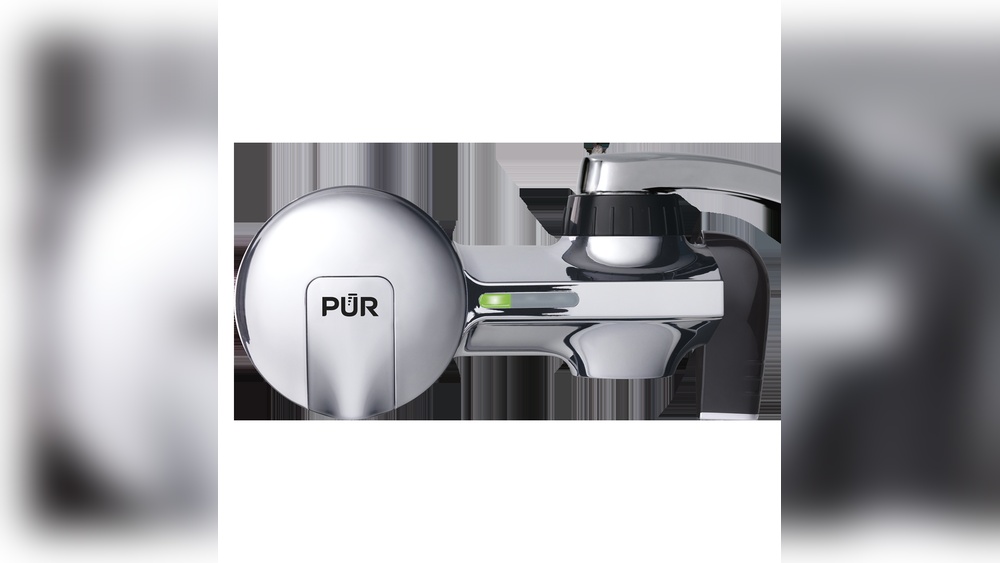
Pur Vs Brita Faucet Mount: Which Water Filter Is Best?
Many people want safer, better-tasting tap water in their homes. But choosing the right faucet mount water filter can be confusing. Two of the most popular brands, Pur and Brita, both offer faucet-mounted systems that promise convenience and cleaner water. But which one is truly better for your needs? This guide offers a deep, clear comparison of Pur vs Brita faucet mount filters, looking at how they work, what they remove, how easy they are to use, and much more. Whether you’re concerned about lead, chlorine, or simply want water that tastes fresh, you’ll find all the details you need here.
How Faucet Mount Filters Work
Both Pur and Brita faucet filters use similar technology, but with some small differences that can matter for your health and comfort. These devices attach directly to your kitchen faucet, filtering water as it flows. There’s no need to fill up a pitcher or install a complex under-sink system.
The main part is the filter cartridge. When water passes through, it moves across several layers:
- Non-woven material: Catches larger particles like sand and rust.
- Activated carbon: Removes chlorine, some chemicals, and improves taste and smell.
- Ion exchange resin (in some models): Targets heavy metals like lead and mercury.
Pur and Brita both use activated carbon, often made from coconut shells, because it’s effective and safe. However, the exact design, materials, and extra steps vary by brand and model. This can affect how much contamination is removed, the speed of water flow, and how long the filters last.
What Contaminants Do They Remove?
Clean water means more than just clear water. Let’s compare what Pur and Brita faucet filters actually remove from tap water.
Pur Faucet Filter
Pur claims its faucet filters can reduce over 70 contaminants. This includes:
- Lead
- Mercury
- Chlorine (taste and odor)
- Certain pesticides
- Pharmaceutical residues
- Microplastics
Pur is also certified to remove 99% of lead and 96% of mercury, which is important for older homes or cities with old pipes. Not all faucet filters can handle this level of heavy metal removal.
Brita Faucet Filter
Brita’s faucet filters are tested for more than 60 contaminants. They target:
- Lead
- Chlorine (taste and odor)
- Benzene
- Asbestos
- Some pesticides
Brita also claims to remove 99% of lead and similar levels of chlorine. However, Brita’s filters are not certified for all the same chemicals as Pur, such as pharmaceutical traces.
Head-to-head Comparison
Here’s a simple look at the main contaminants each brand filters:
| Contaminant | Pur Faucet Filter | Brita Faucet Filter |
|---|---|---|
| Lead | Yes (99%) | Yes (99%) |
| Chlorine | Yes | Yes |
| Mercury | Yes (96%) | Yes (94%) |
| Benzene | Yes | Yes |
| Microplastics | Yes | No |
| Pharmaceuticals | Yes | No |
Insight: Many people don’t realize that microplastics and pharmaceutical residues are not removed by all faucet filters. Pur has a small edge here. However, for most common issues like lead and chlorine, both brands perform very well.
Filter Life And Replacement
How often do you need to change the filter? This is important for both cost and convenience.
- Pur Standard Faucet Filter: Lasts for about 100 gallons or 2-3 months for a family.
- Brita Faucet Filter: Also rated for 100 gallons or 2-3 months.
However, real-world use changes these numbers. If your water has a lot of sediment or your family uses a lot of filtered water, you may need to replace filters more often. Both brands offer filter change indicators—Pur uses a small electronic light, while Brita has a simple mechanical timer.
Tip: Always replace filters on time. An old, clogged filter can actually make water quality worse by allowing bacteria to grow or by slowing down filtration.
Installation And Compatibility
Most people want a filter that’s easy to install and doesn’t require tools. Here’s how Pur and Brita compare:
Pur Installation
Pur’s faucet filters are designed to fit most standard faucets. Installation usually takes less than 5 minutes:
- Remove the faucet’s aerator (the small tip where water comes out).
- Choose the correct adapter (included in the box).
- Screw on the Pur filter unit by hand.
- Snap in the filter cartridge.
Pur provides several adapters for different faucet shapes. However, it does not work with pull-out or spray-style faucets.
Brita Installation
Brita’s faucet filters have a similar process:
- Remove the aerator.
- Select the adapter.
- Attach the filter base and tighten by hand.
- Insert the Brita filter cartridge.
Brita also fits most standard faucets, but not all. If your kitchen faucet is modern or has a pull-down sprayer, neither Pur nor Brita faucet mount filters will fit.
Insight: If you have a unique faucet type, check compatibility before buying. Some people buy online and are surprised when the unit doesn’t fit their tap.
Water Flow Rate
Many first-time buyers worry that a faucet filter will slow down water too much. Water flow speed affects how quickly you can fill a pot or a glass.
- Pur Faucet Filter: About 0.52 gallons per minute (gpm)
- Brita Faucet Filter: Around 0.58 gpm
Brita is slightly faster, but the difference is usually not noticeable for daily use. Both filters include a switch so you can choose between filtered and unfiltered water. This helps save filter life when you’re washing dishes or hands.
Taste And Odor
The main reason people buy a faucet filter is for better-tasting water. Both Pur and Brita get high marks for improving taste, especially if your tap water smells like chlorine or has a metallic tang.
In blind taste tests, users often say:
- Pur gives water a very clean, crisp taste
- Brita water is smooth and neutral
Some people prefer one over the other, but most agree both are much better than unfiltered tap water. If you want to be sure, check online reviews from people in your city, as water quality varies by location.
Build Quality And Design
How does each filter look and feel in your kitchen? Both brands offer a compact design that hangs off the faucet.
Pur Build
- Made of BPA-free plastic
- Some models have a chrome finish for a metallic look
- Offers a digital filter life indicator
- Feels sturdy and well-made
Brita Build
- Also BPA-free plastic
- Available in white and chrome finishes
- Mechanical filter indicator (not electronic)
- Slightly lighter and more compact than Pur
Both are about the same size and won’t block your sink. However, Pur’s electronic indicator is a small extra convenience.
Cost: Upfront And Over Time
Price can be a deciding factor for many families. Here’s what to expect:
- Pur Faucet Filter System: $25 to $40 (starter kit), replacement filters about $15–$20 for a 2-pack
- Brita Faucet Filter System: $20 to $35 (starter kit), replacement filters about $13–$18 for a 2-pack
The systems themselves cost about the same. Over a year, filter replacement is the bigger cost. If you change filters every 2 months, you’ll use 6 filters a year. That’s about $40–$60 per year for either brand.
Non-obvious tip: Watch for bundle packs online—sometimes you can get a year’s worth of filters at a lower cost per filter.
Environmental Impact
People often ask if using faucet filters is better than buying bottled water. Both Pur and Brita make strong environmental claims:
- Reduces single-use plastic bottles
- Filters are recyclable (but you must send them to special programs)
- Lower carbon footprint than bottled water
Brita offers a filter recycling program in the US with TerraCycle. Pur has a similar partnership. However, most people throw used filters in the trash. If you want to reduce waste, consider collecting used filters and mailing them for recycling.
Insight: The biggest environmental benefit is from stopping bottled water use. One faucet filter can replace up to 750 plastic bottles.
Maintenance And Troubleshooting
Both Pur and Brita faucet filters are low-maintenance, but small issues sometimes come up.
Common Issues
- Leaks at the faucet: Usually fixed by tightening the adapter or using the correct washer.
- Slow water flow: Often means the filter is clogged and needs replacing.
- Filter indicator stops working: For Pur, this can mean the battery is dead (not replaceable, but the filter still works).
Cleaning
Every few weeks, wipe down the filter unit with a damp cloth. Don’t use harsh chemicals. Never put the filter cartridge itself in the dishwasher.
Tip: If you notice mold or a bad smell, remove the filter and clean the housing with vinegar and water.
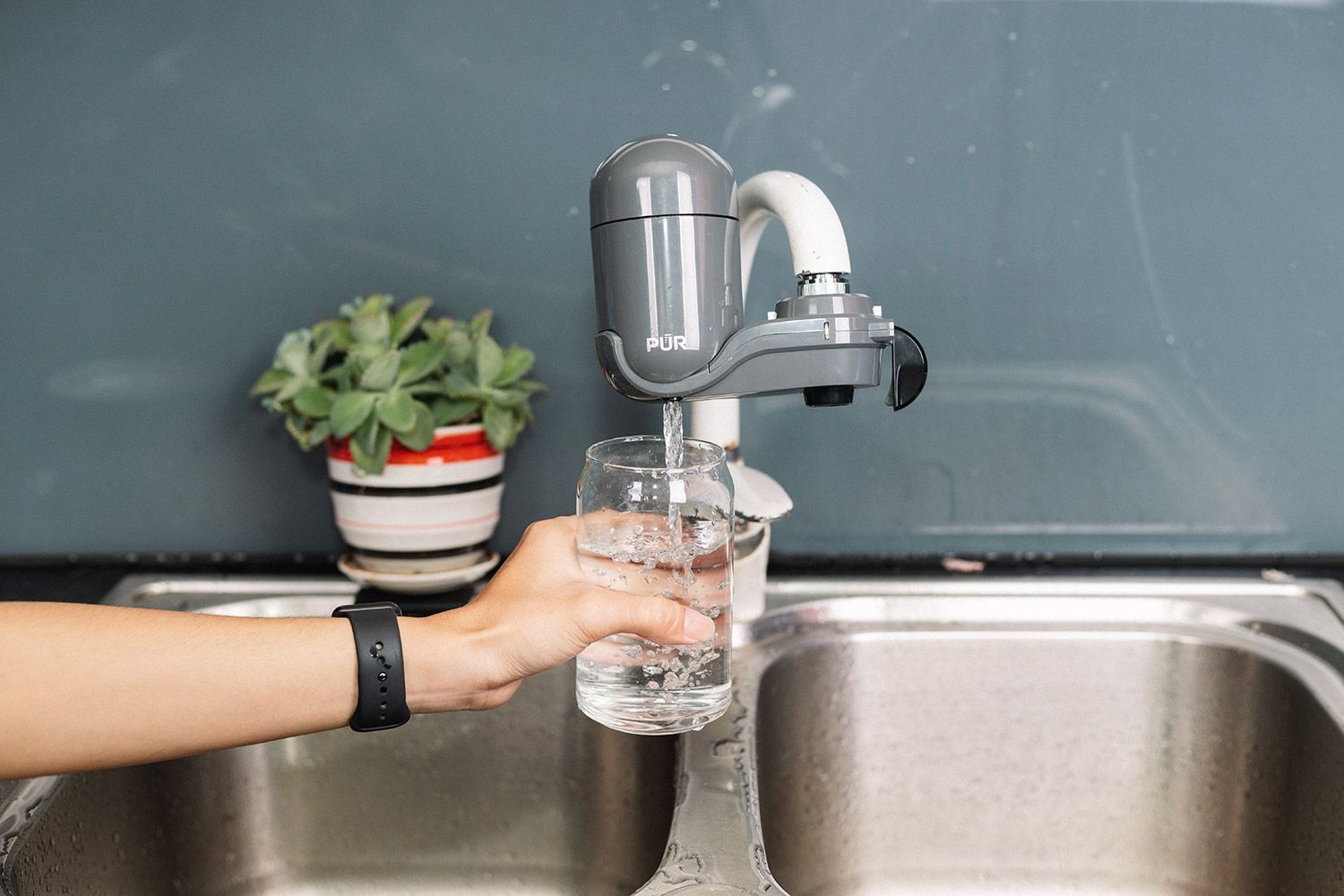
Credit: shouldit.com
Certifications And Testing
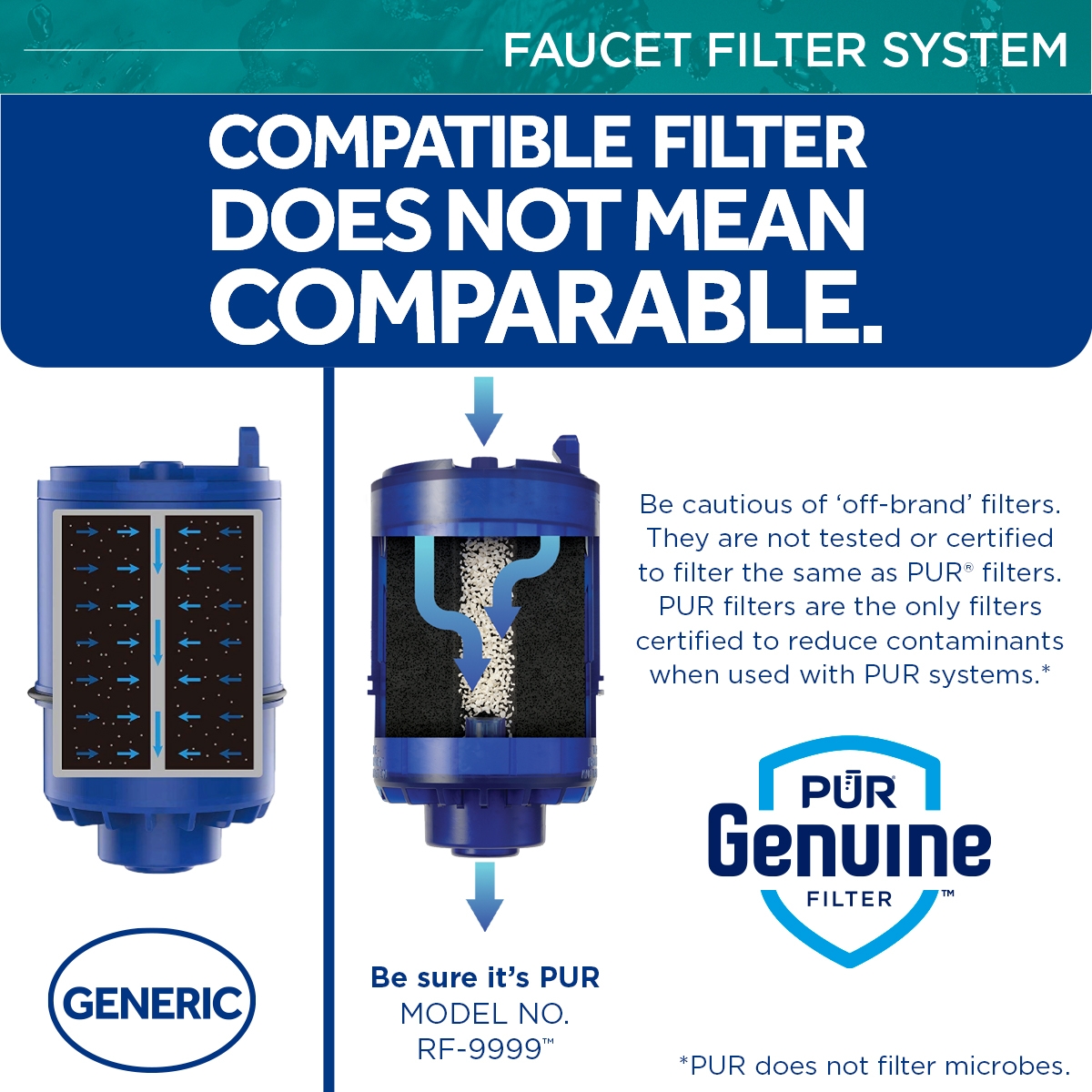
When it comes to health, certification matters. Both Pur and Brita filters are NSF/ANSI certified for removing lead, chlorine, and other common contaminants. Look for these logos on the box:
- NSF/ANSI Standard 42: Taste, odor, chlorine
- NSF/ANSI Standard 53: Health-related contaminants like lead
Some Pur models are also certified for Standard 401, which covers pharmaceuticals and new chemicals.
Insight: Many off-brand filters do not have these certifications. Always check before buying, especially online.
Real User Experiences
Hearing from real users can reveal strengths and weaknesses that specs don’t show.
Pur
Many Pur users say their water tastes much better and is crystal clear. They like the digital indicator and report the filter lasts as advertised. Some people mention that the filter unit is a bit heavier, which can make it sag on thin faucets.
A small number of users report minor leaks, but these are usually fixed with careful installation.
Brita
Brita users praise the easy installation and the lighter weight. They appreciate the neutral, smooth taste. Some users wish the filter lasted longer, especially in areas with hard water. The mechanical indicator is simple but sometimes hard to see.
Hidden issue: If your water pressure is very high, both filters may spray a little or feel loose. Using the correct washer or calling customer service can usually fix this.
Who Should Choose Pur?
Choose Pur if:
- You want maximum contaminant removal (including microplastics and pharmaceuticals)
- Your main worry is lead or old pipes in your home
- You prefer a digital filter life indicator
- Your faucet can handle a slightly heavier unit
Who Should Choose Brita?
Choose Brita if:
- You want a lighter, more compact filter
- You are mostly concerned with chlorine, lead, and taste
- You prefer a simple mechanical filter indicator
- Your faucet is small or you want something less noticeable
Alternatives To Faucet Mount Filters
If neither Pur nor Brita fits your faucet or needs, consider:
- Pitcher filters (e.g., Brita, Pur): Portable, but slower and smaller capacity.
- Under-sink filters: More expensive, but hidden and longer-lasting.
- Countertop filters: Easy to install but take up space.
- Reverse osmosis systems: Best for removing almost everything, but higher cost and more maintenance.
Each alternative has pros and cons. Faucet filters are a good mix of price, performance, and convenience for most kitchens.
Head-to-head Summary Table
For a quick look at the differences, see this side-by-side summary:
| Feature | Pur Faucet Filter | Brita Faucet Filter |
|---|---|---|
| Contaminant Removal | 70+ | 60+ |
| Lead Removal | Yes (99%) | Yes (99%) |
| Pharmaceuticals | Yes | No |
| Microplastics | Yes | No |
| Filter Life | 100 gallons | 100 gallons |
| Filter Change Indicator | Digital | Mechanical |
| Price (system) | $25–$40 | $20–$35 |
| Price (filters) | $15–$20 (2-pack) | $13–$18 (2-pack) |
| Faucet Compatibility | Most standard | Most standard |
| Recycling Program | Yes | Yes |
:max_bytes(150000):strip_icc()/sea-product-dupont-premier-faucet-mount-abigail-clarkin-07-472ab424bbbf4896a2fc5d74588ac27e.jpeg)
Credit: www.seriouseats.com
Practical Buying Tips
Before making a final choice, consider these practical tips:
- Check your faucet type: Both brands fit standard faucets but not pull-down or spray models.
- Measure your water use: If you use a lot of filtered water, cost of filters adds up.
- Check for sales or bundles: You can often find discounts on multi-packs.
- Register your product: Some brands offer warranty extensions if you register online.
- Keep spare filters: Always have a replacement on hand to avoid running out.
The Bottom Line
Both Pur and Brita faucet mount filters are excellent choices for improving tap water quality at home. Pur removes more contaminants, including newer ones like microplastics and pharmaceuticals, and offers a digital indicator. Brita is slightly cheaper, lighter, and has a simple design that fits most kitchens. Your choice should depend on what matters most: contaminant removal, price, filter life, or ease of installation.
For most families, either filter will make a big difference in taste and safety. Remember, the best water filter is one you’ll actually use and maintain. If you’re still unsure, you can find more details about filter certifications and water safety at the NSF International website.
Credit: www.pur.com
Frequently Asked Questions
How Do I Know When To Change My Pur Or Brita Faucet Filter?
Both brands provide a filter change indicator. Pur uses a digital light that blinks when it’s time to replace the filter. Brita has a mechanical timer that counts down based on usage. Always replace the filter as soon as the indicator says, or every 2-3 months if you use a lot of water.
Can I Use Pur Or Brita Faucet Filters On All Types Of Faucets?
No. Both are designed for standard faucets. They do not fit pull-out, spray-style, or designer faucets. Always check the product box or website for a list of compatible faucet types before buying.
Do Pur And Brita Faucet Filters Remove Fluoride?
No, faucet filters from Pur and Brita do not remove fluoride. If you need fluoride removed, you will need a reverse osmosis system or a specialized filter designed for fluoride removal.
Are Pur And Brita Filters Safe For Drinking Water?
Yes, both brands are NSF/ANSI certified and are safe for filtering drinking water. Always install and replace filters as directed to ensure water safety.
Which Is Better For Lead Removal, Pur Or Brita?
Both Pur and Brita faucet filters remove 99% of lead and are certified for this contaminant. If you have very old pipes, Pur’s extra contaminant coverage may be useful, but both are strong choices for lead.
Choosing between Pur and Brita doesn’t have to be stressful. Focus on your home’s water needs, your budget, and the features that matter most to you, and you’ll enjoy cleaner, fresher water every day.