Female Vs Male Faucet: Key Differences You Need to Know
When it comes to faucets, you might not realize how important the difference between male and female fittings really is. If you’ve ever tried to replace or upgrade your faucet aerator and found yourself confused by threads and sizes, you’re not alone.
Understanding whether your faucet is male or female can save you time, frustration, and even money. This simple detail affects how parts fit together and how well your faucet performs. Stick with me, and you’ll learn exactly how to identify your faucet type and choose the right aerator or adapter every time.
Ready to make faucet frustration a thing of the past? Let’s dive in!
Credit: www.ebay.com
Thread Location
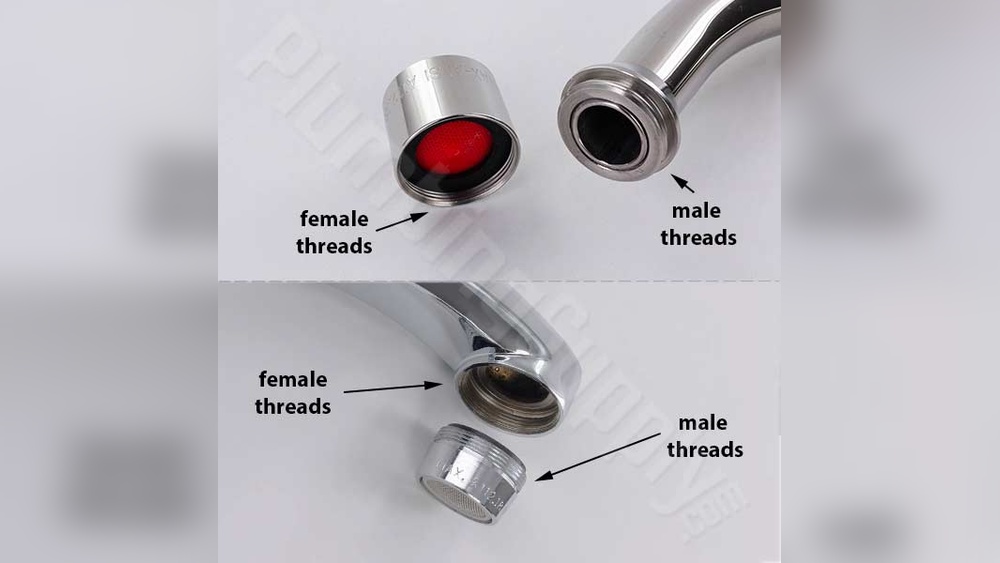
The thread location on faucets plays a vital role in how they connect to aerators or attachments. Understanding this helps in choosing the right parts for repairs or upgrades. Threads can be found either on the outside or inside of the faucet spout. This difference defines whether a faucet is male or female. Identifying the thread location is quick and prevents mismatched fittings.
Male Thread Characteristics
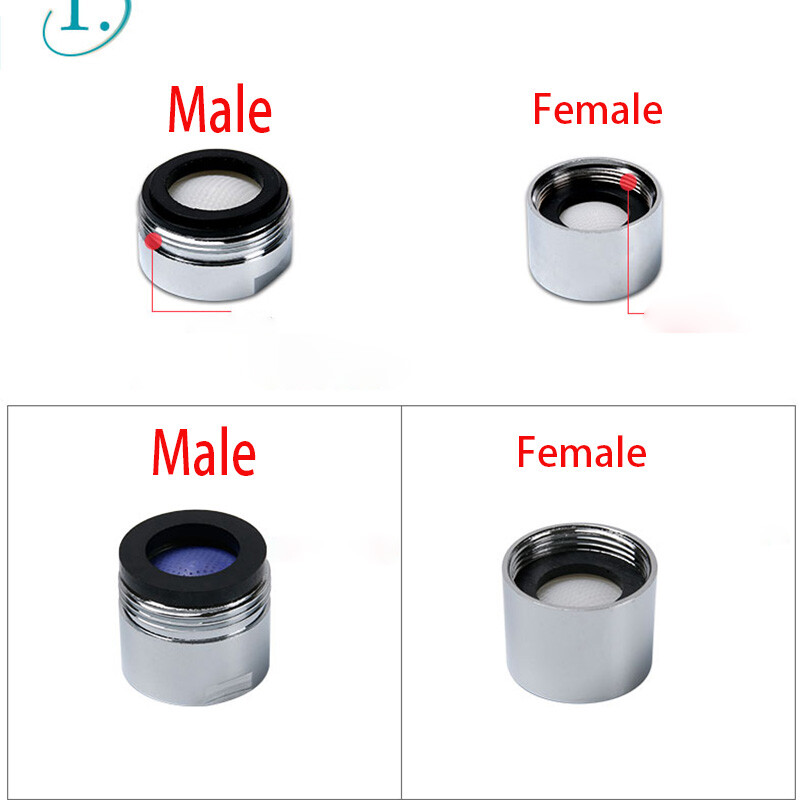
Male threads are visible on the outside of the faucet spout. They look like ridges circling the spout. These external threads allow the aerator or attachment to screw over the faucet. Male-threaded faucets require aerators with internal threads. The connection is secure and easy to spot. Most garden hoses and outdoor faucets use male threads.
Female Thread Characteristics
Female threads are found inside the faucet spout. They are hidden and not visible until you look inside. These internal threads allow the aerator or attachment to screw into the faucet. Female-threaded faucets need aerators with external threads. Many indoor faucets use female threads to keep a clean look. The thread fits snugly inside, preventing leaks.
Cache Or Hidden Faucets
Cache faucets hide their threads inside a recessed area. This design protects the threads from damage and dirt. Hidden threads can be female or male but are less exposed. It makes cleaning easier and gives a neat finish. These faucets may need special adapters to fit aerators. Always check thread type before buying attachments for cache faucets.
Credit: blog.conservationmart.com
Aerator Compatibility
Aerator compatibility plays a key role in faucet performance and water flow. Choosing the right aerator ensures a proper fit and prevents leaks. Faucets come with male or female threads, which must match the aerator’s threads. A mismatch can cause problems during installation and reduce water efficiency.
Understanding the thread types helps in selecting the correct aerator. This section explains how to match threads and the use of dual threaded aerators for flexibility.
Matching Threads With Aerators
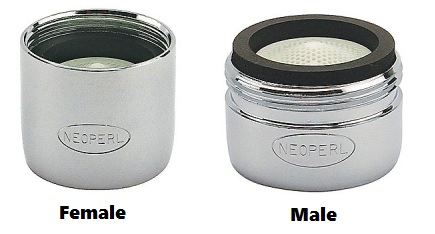
Male faucets have threads on the outside of the spout. They require aerators with internal threads, also called female threads. Female faucets have threads on the inside of the spout. These need aerators with external or male threads.
Check the faucet’s thread type before buying an aerator. Using the wrong type can cause leaks or loose fittings. Always match the aerator threads to the faucet threads for a secure connection.
Dual Threaded Aerators
Dual threaded aerators fit both male and female faucets. They have internal and external threads on the same aerator. This design allows easy installation without worrying about thread type.
These aerators save time and reduce the need for extra adapters. They are a good choice for households with different faucet types. Dual threaded aerators ensure compatibility and simplify aerator replacement.
Identification Tips
Identifying whether a faucet is male or female is essential before buying an aerator or adapter. The main difference lies in the thread placement on the faucet. Knowing how to spot these features saves time and avoids mistakes. Below are simple tips to help you identify the thread type.
Visual Thread Inspection
Look closely at the faucet’s spout tip. Male faucets have visible threads on the outside. These threads spiral around the outer surface. Female faucets have threads inside the spout. You will not see the threads until you look inside the opening. This visual check quickly tells you the thread type.
Measuring Faucet Openings
Use a ruler or caliper to measure the faucet opening. Measure the diameter of the spout’s outer edge for male faucets. For female faucets, measure the inner diameter of the opening. Knowing the size helps confirm the thread type and ensures you buy the correct aerator size. This step avoids purchasing the wrong fitting.

Credit: www.amazon.com
Installation Differences
Installation of faucets varies based on the type of thread they have. Male and female faucets differ mainly in their threading style. Understanding these differences helps ensure a proper fit and leak-free connection.
Each faucet type requires specific steps during installation. The process depends on whether the threads are on the inside or outside of the faucet spout. This section explains how to install both male and female faucets correctly.
Screwing Male Faucets
Male faucets have threads on the outside of the spout. These external threads fit into a female-threaded aerator or connector. To install, align the aerator with the spout carefully.
Turn the aerator clockwise to screw it onto the male threads. Hand-tighten it firmly to avoid leaks. Avoid over-tightening to prevent damaging the threads or aerator.
Check for any gaps between the faucet and aerator. If needed, use plumber’s tape on the threads for a better seal. This ensures water does not escape during use.
Screwing Female Faucets
Female faucets have threads on the inside of the spout. These internal threads receive a male-threaded aerator or connector. Begin installation by holding the male aerator at the spout opening.
Turn the aerator clockwise to screw it into the female threads. Tighten it by hand until secure. Avoid forcing the aerator to prevent stripping the threads.
Use plumber’s tape on the male aerator threads if leaks appear. This improves the connection and stops drips. Properly installed female faucets provide a clean and steady water flow.
Common Sizes
Faucets come in various sizes to fit different plumbing needs. Understanding common sizes helps in choosing the right faucet type. Both female and male faucets follow standard sizing but differ in thread placement.
Sizes affect how faucets connect to aerators and hoses. Knowing these sizes prevents leaks and ensures a proper fit. Below are two main size categories for faucets.
Standard Faucets
Standard faucets have threads either on the inside or outside of the spout. Male faucets have external threads, while female faucets have internal threads. These faucets usually come in 15/16″-27 or 55/64″-27 sizes. This means the diameter and thread count per inch are fixed for compatibility. Most household faucets use these standard sizes.
Standard male faucets accept female-threaded aerators. Female faucets need male-threaded aerators. This system ensures a tight, leak-free connection. These sizes make replacement and upgrades easy.
Junior And Tom Thumb Faucets
Junior and Tom Thumb faucets are smaller than standard sizes. They often fit compact sinks or specialty fixtures. Junior faucets usually have 13/16″-27 threads. Tom Thumb faucets are smaller, around 3/4″-27. Both types have male and female thread variants.
These smaller sizes require matching aerators and adapters. They are less common but important for certain plumbing setups. Knowing these sizes helps avoid buying the wrong parts. Junior and Tom Thumb faucets offer flexibility for tight spaces.
Water Conservation Impact
Water conservation is a key factor in choosing between female and male faucets. These faucets differ in thread placement, which affects the type of aerator used. The right aerator can reduce water flow without affecting pressure. This helps save water and energy in daily use. Understanding how each type impacts water conservation helps make smarter choices.
Role Of Aerators
Aerators mix air with water to reduce flow. Male faucets need aerators with external threads. Female faucets require aerators with internal threads. Proper fitting ensures no leaks and efficient water use. Aerators control water speed while maintaining strong pressure. This reduces water wasted during washing or rinsing. Small changes in aerator type lead to big water savings.
Savings And Environmental Benefits
Using the correct aerator saves gallons of water each day. Less water use lowers water bills and energy costs. Heating less water reduces energy consumption and emissions. Water conservation protects local water supplies and ecosystems. Choosing the right faucet and aerator supports sustainability. Every drop saved helps create a healthier planet.
Frequently Asked Questions
How To Tell If A Faucet Is Male Or Female?
Check the faucet’s threads: male faucets have external threads, female faucets have internal threads inside the spout.
Is A Faucet Male Or Female?
A faucet is male if its threads are on the outside of the spout. It is female if threads are inside.
What Is The Difference Between A Male And Female Tap?
A male tap has external threads on the spout, while a female tap has internal threads inside the spout. This difference determines the compatible aerator type.
What Is The Difference Between Male And Female Faucet Adapters?
Male faucet adapters have external threads on the spout, requiring female-threaded aerators. Female adapters have internal threads, fitting male-threaded aerators. This thread placement ensures a secure connection between faucet and aerator.
Conclusion
Understanding the difference between female and male faucets helps in choosing the right aerator. Male faucets have threads on the outside, while female faucets have them inside. Using the correct aerator ensures a tight fit and prevents leaks. Always check your faucet’s thread type before buying accessories.
This simple step saves time and money. Knowing these basics makes faucet maintenance easier and more efficient. Keep these points in mind for smooth plumbing experience.