How to Prevent Calcium Buildup on Faucets: Expert Tips
Every time you notice white, crusty spots on your kitchen or bathroom faucet, it’s a clear sign of calcium buildup—also called limescale. This is a common problem in homes with hard water, where minerals like calcium and magnesium stick to metal surfaces. Over time, these deposits can make your faucets look dirty, reduce water flow, and even damage the finish. Many people try to scrub the stains away, but they keep coming back. The truth is, preventing calcium buildup is much easier than fighting it once it’s there. With the right approach, you can keep your faucets clean and shiny all year round.
This guide will show you practical ways to stop calcium buildup before it starts. Whether you’re a homeowner, renter, or looking after an office space, these methods are easy to understand and apply. We’ll cover why limescale happens, daily habits that help, smart cleaning routines, and advanced solutions like water softeners.
You’ll also learn common mistakes people make, and get clear answers to questions many beginners ask. By the end, you’ll have a full toolkit for keeping your faucets spotless and your water flowing freely.
Why Does Calcium Buildup On Faucets Happen?
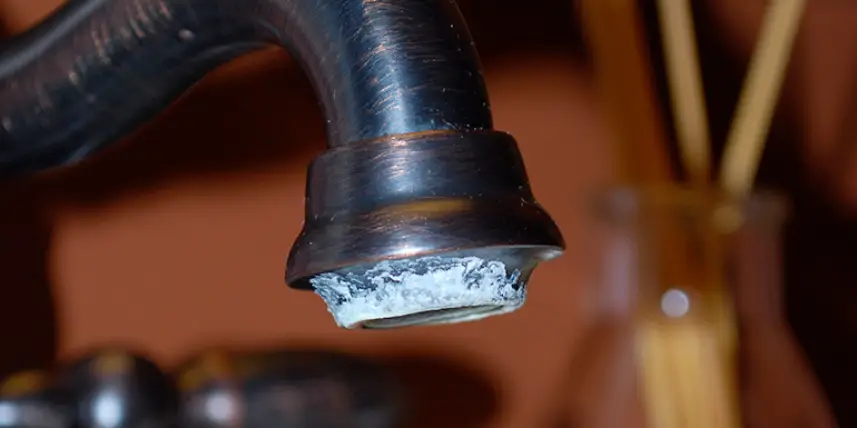
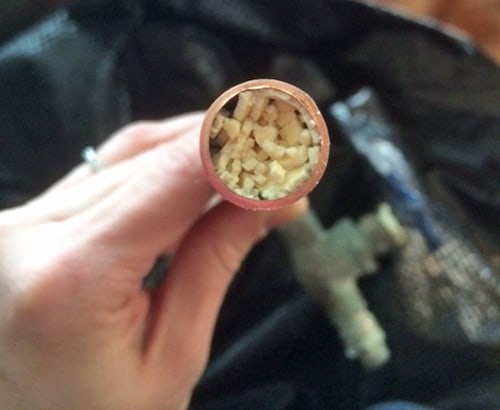
Calcium buildup, or limescale, forms when hard water evaporates and leaves behind mineral deposits. Hard water contains high levels of calcium and magnesium. When you use water, some of it stays on your faucet. As it dries, minerals are left behind, forming a white or chalky layer. Over time, these layers get thicker and harder to remove.
The problem is widespread. According to the U.S. Geological Survey, about 85% of homes in the United States have hard water. The level of hardness varies by location, but even moderate hardness can cause visible scale in just weeks. Faucets, showerheads, and any place where water sits or drips are most at risk.
Not all faucets are affected equally. Older faucets with rough surfaces or scratches tend to collect more buildup. Areas with high water temperatures, like bathrooms, also develop scale faster because heat speeds up the drying process.
The Impact Of Calcium Buildup
Ignoring limescale is more than a cosmetic issue. The consequences can include:
- Clogged faucet aerators: Water flow becomes weak or uneven.
- Damaged finishes: The white crust can eat away at chrome, nickel, or other surfaces, leading to permanent stains.
- Shorter faucet lifespan: Internal parts may wear out faster, leading to leaks or the need for replacement.
- Higher cleaning costs: Removing thick scale often requires strong chemicals or professional help.
In hotels, restaurants, and healthcare settings, visible limescale can also hurt reputation and customer trust.
Daily Habits That Prevent Calcium Buildup
Small changes in your routine can make a big difference in keeping faucets clean. Here are the habits that work best:
1. Wipe Faucets After Use
After washing your hands or dishes, quickly dry the faucet with a soft cloth. This removes water droplets before they dry and leave minerals behind. It takes only a few seconds but can prevent most buildup.
2. Check For Drips And Leaks
Even a slow drip can leave minerals on your faucet 24/7. Fix any leaks right away. Replace worn washers or seals to stop continuous moisture.
3. Use Cold Water When Possible
Hot water encourages faster evaporation and more scale. If you don’t need hot water, use cold. This is especially useful for rinsing or filling pots.
4. Keep The Sink Area Dry
Wipe the area around the faucet as well. Pooled water on the sink edge can splash back onto the faucet and create new deposits.
Most people overlook these simple habits, but done regularly, they make deep cleaning much less necessary.
Smart Cleaning Routines
Even with good habits, some mineral spots will appear. Consistent, gentle cleaning is the next line of defense.
Weekly Quick Clean
Once a week, give your faucet a fast but thorough clean:
- Use a microfiber cloth dampened with water.
- Wipe the entire faucet, paying attention to the base and behind the handles.
- Dry with a separate cloth to prevent water marks.
For extra shine, use a 50/50 mix of water and white vinegar. Vinegar naturally dissolves light calcium deposits and is safe for most finishes.
Monthly Deep Clean
Every month, remove any early signs of limescale:
- Soak a cloth or paper towel in vinegar.
- Wrap it around the faucet, especially problem areas.
- Leave for 20–30 minutes, then scrub gently with a soft brush or non-scratch sponge.
- Rinse with plain water and dry.
If you see stubborn white spots, avoid metal scrubbers. They can scratch and make the problem worse.
Aerator Maintenance
The aerator is the small screen at the tip of most faucets. It’s a hotspot for hidden buildup.
- Unscrew the aerator (use pliers with a cloth to protect the finish).
- Soak it in vinegar for 1–2 hours.
- Brush off any remaining scale, rinse, and screw it back.
This step keeps water flowing smoothly and prevents debris from entering your glass or food.
Choosing The Right Cleaning Products
Not all cleaners are safe for faucets. Here’s what you need to know:
| Cleaner Type | Safe For | Not Recommended For |
|---|---|---|
| White vinegar | Chrome, stainless steel, most finishes | Marble, natural stone |
| Lemon juice | Chrome, glass | Brass, gold-plated faucets |
| Baking soda paste | Stainless steel, stubborn spots | Delicate finishes (may scratch if rubbed hard) |
| Commercial limescale remover | Severe buildup, professional settings | Unprotected or damaged finishes |
Tip: Always test a new cleaner on a hidden part of the faucet first. Read the manufacturer’s manual if you’re unsure.
Water Softening Solutions
The most effective long-term way to stop calcium buildup is to treat hard water before it reaches your faucet. There are several ways to do this, each with pros and cons.
Whole-house Water Softeners
These systems use salt or potassium to remove minerals from all the water in your home. They are installed where water enters the house.
Benefits:
- Stops limescale not just on faucets, but in pipes, appliances, and even shower glass.
- Water feels softer on skin and hair.
Drawbacks:
- Initial cost is high ($400–$2,500 installed).
- Requires space and regular maintenance (adding salt).
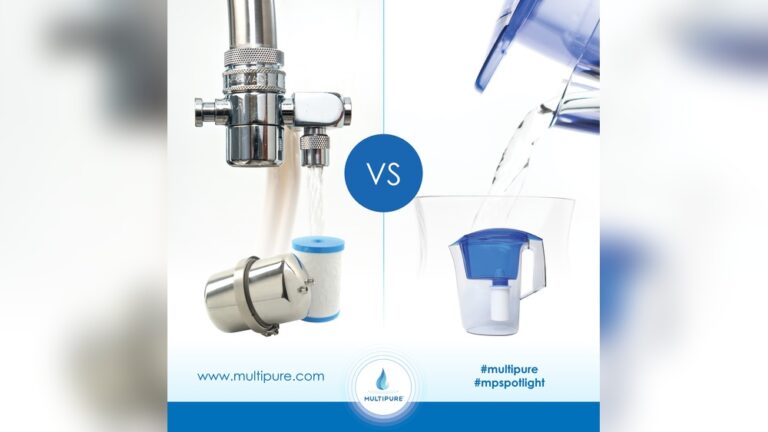
Faucet-mounted Filters
Some filters attach directly to the faucet. They use carbon or ceramic to catch minerals.
Benefits:
- Lower cost than whole-house systems.
- Easy to install and replace.
Drawbacks:
- Only treats water from that faucet.
- Needs frequent cartridge changes.
Magnetic Or Electronic Descalers
These devices claim to change the structure of minerals so they don’t stick to surfaces.
Benefits:
- No chemicals or salt.
- Simple installation.
Drawbacks:
- Scientific evidence is mixed.
- Results can vary by water hardness.
| Method | Effectiveness | Cost Range | Maintenance |
|---|---|---|---|
| Whole-house softener | High | $400–$2,500 | Medium (add salt) |
| Faucet filter | Low–medium | $20–$100 | High (replace filters often) |
| Magnetic descaler | Low–uncertain | $50–$300 | Low |
For families with very hard water, a whole-house system is usually best. For renters or those on a budget, filters are a good start.

Credit: dovisplumbing.com
Faucet Types And Their Vulnerability To Buildup
Not all faucets attract calcium at the same rate. The material and design matter.
Chrome And Stainless Steel
Most modern faucets use chrome or stainless steel. These look shiny and are easy to clean, but still get water spots if not dried.
Brass, Bronze, And Gold Finishes
These are softer and more delicate. Acidic cleaners like vinegar can damage the surface, so extra care is needed.
Matte Black And Colored Faucets
These finishes are trendy but may show white spots more clearly. Always use a soft cloth to avoid scratches.
| Faucet Finish | Risk of Buildup | Cleaning Caution |
|---|---|---|
| Chrome | Medium | Safe with vinegar, dry after cleaning |
| Stainless steel | Low–medium | Use soft cloth, avoid steel wool |
| Brass/Gold | High | No acids, use only mild soap |
| Matte black | High (shows spots) | No abrasives, gentle cleaning only |
Non-obvious insight: The roughness of the faucet’s surface, even if invisible, affects how quickly minerals stick. If your faucet is scratched, replace it or keep it extra dry.
Advanced Tips And Professional Solutions
If you’re dealing with stubborn or repeated buildup, here are advanced steps:
Protective Coatings
Some homeowners apply a water-repellent coating (like those used for car windshields) to their faucets. This prevents water from sticking and gives you more time before minerals build up. Always check if the product is safe for your faucet finish.
Professional Descaling Services
In severe cases, especially in commercial settings, pros use special chemicals and tools to remove years of buildup. This is not usually needed for homes if you maintain faucets well.
Upgrading To Resistant Faucets
If your faucets are old and heavily pitted, new models with improved finishes or built-in anti-scale technology may be worth the investment.
Credit: www.mrrooter.ca
Common Mistakes To Avoid
Many people fight limescale the wrong way. Here’s what to watch out for:
- Scrubbing with metal or abrasive pads: This creates scratches, making future buildup worse.
- Using bleach or harsh chemicals: These can damage the finish and may react badly with metals.
- Letting vinegar sit too long: On delicate faucets, long exposure can dull or discolor the surface.
- Ignoring the aerator: Even if the faucet looks clean, the aerator can clog and reduce water pressure.
- Forgetting to fix leaks: Dripping water is a constant source of minerals.
Non-obvious insight: Many “all-purpose” bathroom cleaners are not made for metal finishes. Always read the label before use.
How Water Quality Affects Buildup
Your local water quality is the biggest factor in how fast calcium appears. You can check your water’s hardness with inexpensive test strips or by contacting your water supplier.
- Soft water: Less than 60 mg/L of calcium carbonate. Minimal risk of buildup.
- Moderately hard: 61–120 mg/L. Regular wiping is enough.
- Hard: 121–180 mg/L. Weekly cleaning and possibly a filter are needed.
- Very hard: Over 180 mg/L. Water softener is highly recommended.
Most U.S. cities publish water hardness data online. For more, visit the USGS Water Science School.
Credit: mosbybuildingarts.com
Environmental And Health Considerations
While limescale is mostly a cosmetic and maintenance issue, it’s good to know:
- Calcium in water is not harmful to drink. In fact, it adds to your daily mineral intake.
- Excessive use of strong cleaners can harm the environment. Try to stick with natural methods (vinegar, baking soda) when possible.
- Water softeners add sodium to water. If you’re on a low-sodium diet, consider a potassium-based system or treat only hot water.
If you use well water, regular testing is important for both hardness and other possible contaminants.
Frequently Asked Questions
What Causes Calcium Buildup On Faucets?
Calcium buildup happens when hard water dries on a faucet, leaving minerals behind. Over time, these minerals form a white, chalky layer called limescale. The harder your water, the faster buildup happens.
How Can I Tell If My Water Is Hard?
Signs of hard water include white spots on faucets, cloudy glassware, stiff laundry, and soap that doesn’t lather well. For exact hardness, use a test strip or ask your water provider.
Is Vinegar Safe For All Faucet Types?
Vinegar is safe for most chrome and stainless steel faucets. However, it can damage brass, gold, or colored finishes if left too long. Always rinse and dry after using vinegar, and do a spot test on delicate faucets.
How Often Should I Clean My Faucet To Prevent Buildup?
A quick wipe after each use and a weekly gentle cleaning are best for most homes. In very hard water areas, a monthly deep clean and regular aerator checks are also recommended.
Will A Water Softener Completely Stop Limescale?
A whole-house water softener removes most minerals that cause limescale, preventing almost all buildup. However, small amounts may still appear if water isn’t dried or if the system isn’t maintained regularly.
Keeping your faucets free from calcium buildup isn’t hard, but it does require a little attention and the right habits. By understanding your water, choosing gentle cleaning routines, and considering water treatment if needed, you can protect your fixtures for years.
The effort you invest now saves time, money, and frustration later—leaving your kitchen and bathroom looking their best.