Widespread Vs Centerset Faucets: Which Is Best for Your Bathroom?
If you’re planning a bathroom or kitchen upgrade, the faucet you choose can make a big difference—not just in how your space looks, but in how it functions every day. Two of the most common options are widespread faucets and centerset faucets. At first glance, they might seem similar, but there are important differences that can affect everything from installation to cleaning and even your budget. Many homeowners and renters overlook these details, only to realize later that their faucet isn’t the right fit for their needs. Let’s break down the differences, advantages, and drawbacks of both widespread and centerset faucets, so you can make a confident, informed decision.
What Are Widespread Faucets?
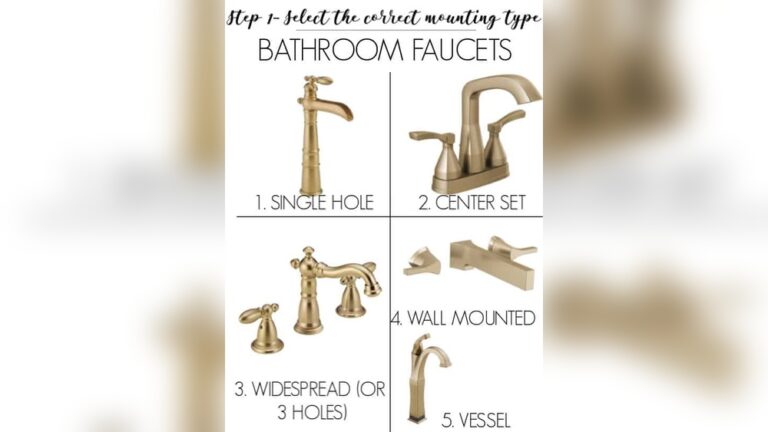
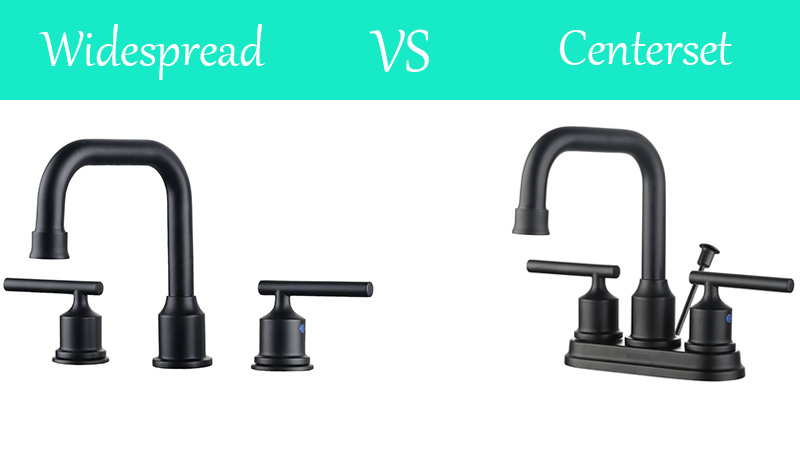
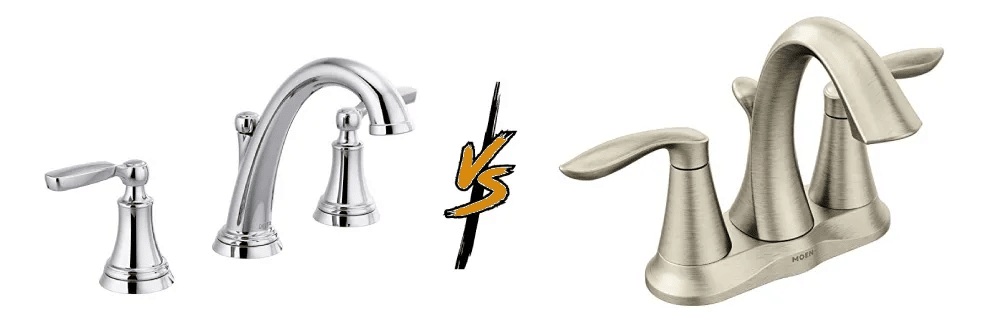
Widespread faucets are designed with three separate pieces: two handles and a spout. Each part is installed independently, usually with the handles positioned 8 inches apart (measured from the center of one handle to the other), but some models allow for as little as 6 inches or as much as 16 inches. This flexibility lets you adjust the placement to fit your sink and your style.
Widespread faucets are often found in modern and high-end bathrooms, but they are also popular in kitchens. Their design allows for a more customized look, which appeals to those who want a touch of elegance or prefer a less crowded sink area. The separate handles and spout make cleaning around the faucet easier, and you can find widespread models in a wide variety of finishes and styles.
Some widespread faucets are even designed with special features, such as water-saving aerators or touchless technology. However, these upgrades can increase the price, and installation is usually more complex than with centerset faucets.
What Are Centerset Faucets?
Centerset faucets are compact units where the spout and handles are connected on a single base. This base is designed to fit into sink holes that are 4 inches apart. Centerset faucets are especially common in smaller bathrooms and budget renovations because they take up less space and are usually easier to install.
Because the handles are attached to the base, centerset faucets work well for sinks with limited surface area. They’re also popular in children’s bathrooms or powder rooms, where functionality and ease of cleaning are more important than a luxury look.
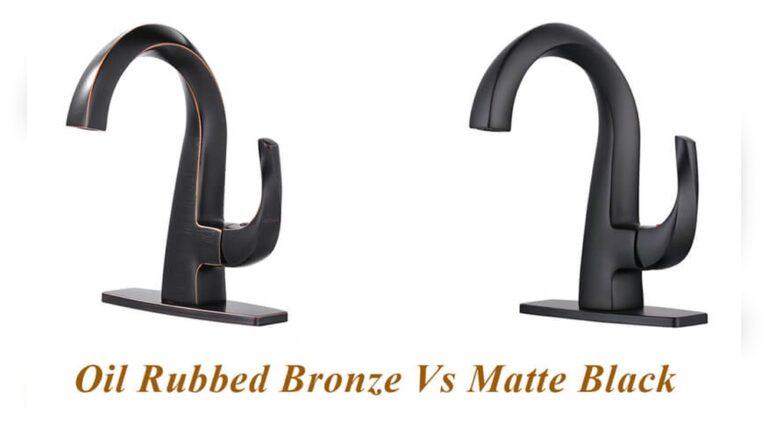
Centerset faucets are available in many finishes, from chrome to oil-rubbed bronze, and in both traditional and modern styles. They’re generally less expensive than widespread faucets, and the installation process is often simpler, making them a good choice for DIY enthusiasts.
Key Differences Between Widespread And Centerset Faucets
Choosing between widespread and centerset faucets isn’t just about style; it can affect installation, maintenance, and even your daily experience. Here’s a detailed look at the core differences.
| Feature | Widespread Faucets | Centerset Faucets |
|---|---|---|
| Number of Pieces | Three (spout + 2 handles, separate) | One (spout + handles on single base) |
| Handle Distance | 6–16 inches (usually 8 inches) | 4 inches |
| Installation | More complex, may need a plumber | Simple, often DIY-friendly |
| Cost | Generally higher | Usually lower |
| Style Options | Wide variety, elegant/customizable | Many, but more compact/standard |
| Cleaning | Easy (space between pieces) | Can be harder (tight spaces) |
| Space Needed | More counter space required | Fits small sinks/counters |
Advantages Of Widespread Faucets
Widespread faucets are popular for a reason. They offer several benefits that can make your bathroom or kitchen feel more luxurious and user-friendly.
- Flexible Installation: Since the handles and spout are separate, you can adjust their positions to fit your sink size and your comfort. This gives you more freedom in design.
- Easy to Clean: The space between each part means you can easily wipe around them, reducing the chance of grime and water spots building up.
- Stylish Appearance: Many people choose widespread faucets for their high-end look. They often come in unique designs and finishes that aren’t available with centerset models.
- Durability: Because they’re usually made with higher-quality materials, widespread faucets tend to last longer, especially if you choose a reputable brand.
- Customization: You can often mix and match handles and spouts from the same manufacturer, creating a unique look that matches your taste.
Non-obvious insight: The flexibility in handle placement isn’t just about style—it can also make the faucet easier to use for people with limited mobility or arthritis, as you can set the handles further apart or at a comfortable angle.
Credit: www.wowowfaucet.com
Disadvantages Of Widespread Faucets
Widespread faucets are not perfect for every situation. Here are the main drawbacks to consider:
- Higher Cost: The materials and craftsmanship involved often make widespread faucets more expensive. You should also budget for professional installation if you’re not comfortable with plumbing.
- More Complex Installation: Each piece must be aligned and sealed correctly, which can take time. Mistakes during installation may lead to leaks.
- Requires Larger Sink or Countertop: If your sink or vanity is small, you might not have enough room for a widespread faucet.
- Parts Can Be Lost: Since the faucet is in separate pieces, there’s a higher risk of losing small parts during installation or repair.
Non-obvious insight: Replacement parts for widespread faucets can be more expensive and harder to find compared to centerset models, especially for discontinued or designer lines.
Advantages Of Centerset Faucets
Centerset faucets remain a staple in homes and apartments for several good reasons:
- Compact Design: Their small footprint makes them perfect for tight spaces, such as guest bathrooms or half-baths.
- Lower Price: Centerset faucets are generally budget-friendly, making them a good choice for rental properties or quick remodels.
- Simple Installation: Most homeowners can install a centerset faucet with basic tools, saving on labor costs.
- All-in-One Unit: With everything connected, there’s less risk of leaks from the base, and fewer parts to misalign.
- Child-Friendly: Handles are close together, which makes them easier for children to reach and use.
Non-obvious insight: Because centerset faucets are so common, it’s easy to find replacement parts and matching accessories, even years after your initial purchase.
Disadvantages Of Centerset Faucets
Even though they’re practical, centerset faucets have a few downsides:
- Limited Style Options: While there are many finishes, the overall design is less customizable. This can make your sink area look generic.
- Harder to Clean: The narrow gaps between the handles and the spout can collect grime, making cleaning more difficult.
- Less Durable: Many centerset faucets are made with lighter materials, so they might not last as long as widespread models.
- Less Comfortable for Adults: The close handle placement can be awkward, especially if you have large hands or mobility issues.
Non-obvious insight: Some high-end sink designs do not support centerset faucets, so if you plan to upgrade your sink in the future, you may be stuck with limited faucet choices.
Which Faucet Is Right For Your Bathroom Or Kitchen?
Choosing between widespread and centerset faucets depends on several factors—space, budget, style, and even who will use the sink. Let’s look at common scenarios:
- Small bathrooms or powder rooms: Centerset faucets are usually the best choice. They fit compact sinks and leave more counter space.
- Master bathrooms or luxury kitchens: Widespread faucets offer a more upscale look and greater flexibility.
- DIY installations: Centerset faucets are generally easier to install without professional help.
- Accessibility concerns: Widespread faucets can be positioned for easier access.
- Budget constraints: Centerset faucets typically cost less for both the faucet and installation.
If you’re still unsure, measure your sink’s pre-drilled holes. Most sinks are designed for one type of faucet, but some can support both if the holes are spaced correctly.
Credit: bostingner.com
Installation And Compatibility
Centerset Faucet Installation
Centerset faucets are designed for sinks with three holes, 4 inches apart. To install:
- Turn off the water supply.
- Remove the old faucet.
- Clean the sink surface.
- Insert the new faucet base and secure with mounting nuts.
- Attach the water supply lines and check for leaks.
Most centerset faucets come with everything you need, and the process rarely takes more than an hour.
Widespread Faucet Installation
Widespread faucets need three separate holes, usually 8 inches apart. The process:
- Turn off the water supply.
- Remove the old faucet and clean the sink area.
- Install the spout and handles in their respective holes.
- Connect the water supply lines and the handles to the spout with included hoses.
- Double-check all connections for leaks.
Pro tip: Make sure you have enough space under the sink for all the hoses and connections. Widespread faucets require more room underneath, which can be a problem in older homes.
Compatibility Issues
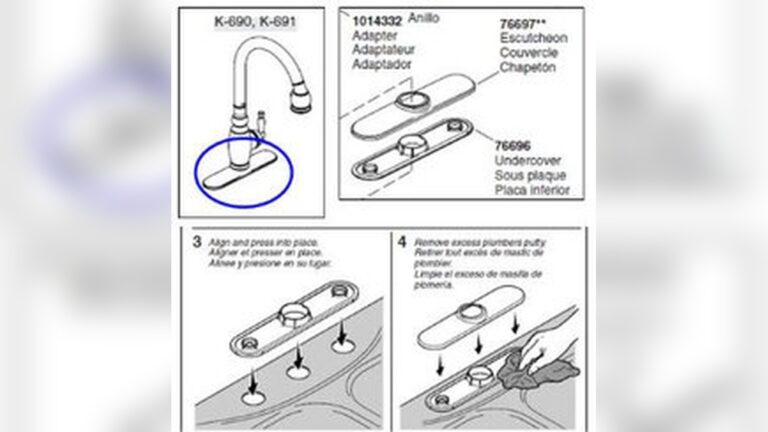
If your sink only has one pre-drilled hole, it won’t support either centerset or widespread faucets without modification. Some sinks come with cover plates (escutcheons) that let you install a centerset faucet on a sink with more holes, but you can’t easily convert a centerset sink to fit a widespread faucet without professional help.
Design And Style Differences
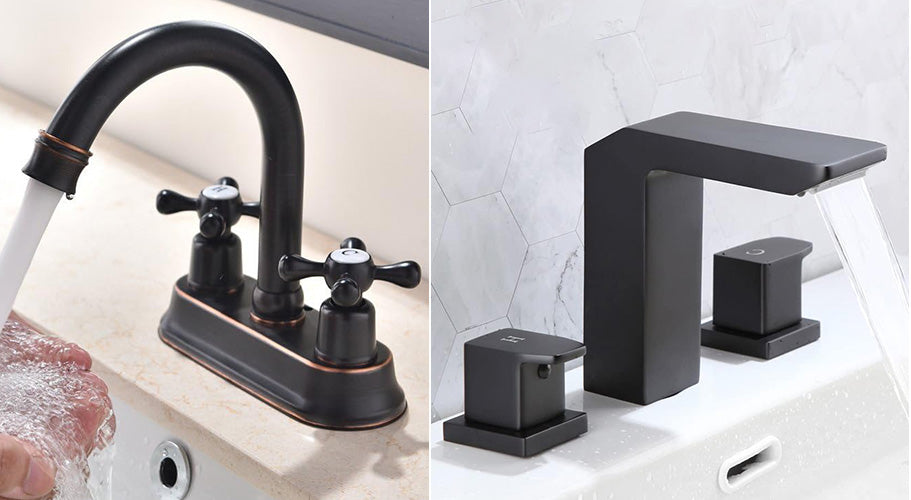
Both faucet types come in a range of finishes (chrome, nickel, matte black, gold, etc.), but their shapes and lines can affect your bathroom or kitchen’s overall look.
- Widespread faucets: Often have more sculpted or decorative handles and spouts, which work well in traditional or luxurious settings. They can be bold statement pieces.
- Centerset faucets: Tend to be simpler and more streamlined, fitting modern or utilitarian designs.
Real-world example: In a hotel bathroom, you’re more likely to see a widespread faucet paired with a marble countertop, while a small apartment bathroom will often have a centerset faucet on a basic porcelain sink.
Cost Comparison
Price can vary widely, but here’s a general breakdown:
| Faucet Type | Average Price Range (USD) | Typical Installation Cost (USD) |
|---|---|---|
| Widespread | $100 – $500+ | $100 – $200 (professional) |
| Centerset | $40 – $200 | $0 – $100 (often DIY) |
Note: High-end widespread faucets with designer finishes or special features (like touchless operation) can cost much more. Centerset faucets are usually less expensive, but prices go up for advanced features.
Maintenance And Longevity
- Widespread faucets: With higher-quality materials and parts, these faucets often last longer, but repairs can be more complex. If a single handle leaks, you’ll need to remove only that part, making some repairs easier.
- Centerset faucets: Easier to maintain, but if the base leaks, you may need to remove the entire faucet. Cheaper models may wear out faster.
Tip: Always check the warranty before buying. Some brands offer lifetime warranties on both types, which can save you money on future repairs.
Cleaning And Hygiene
Widespread faucets are easier to clean because there’s more space between the pieces. You can wipe down the countertop and avoid mildew or soap scum build-up in tight crevices.
Centerset faucets, with their single base, can trap water, soap, and grime around the handles. If your bathroom gets heavy use, this may mean more frequent cleaning.
Practical example: In busy family bathrooms, a widespread faucet can reduce your cleaning time each week. But if your bathroom is rarely used, this may not matter as much.
Water Efficiency And Features
Both widespread and centerset faucets can be equipped with water-saving features, such as aerators or low-flow cartridges. However, widespread faucets are more likely to offer advanced features:
- Touchless operation: More common in widespread models, especially for kitchens.
- Separate temperature control: Easier to adjust with individual handles.
- Custom handles: You can choose lever, cross, or knob handles for widespread faucets.
Non-obvious insight: If you want to future-proof your bathroom or kitchen for sustainability, check for faucets with the WaterSense label, which ensures water efficiency without sacrificing performance.
Credit: oltsw.com
Matching Faucet To Sink And Countertop
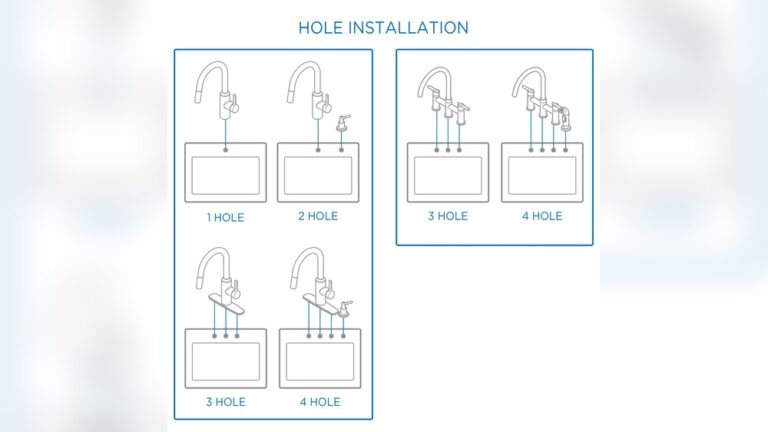
Before choosing, measure the hole spacing on your sink or countertop.
| Sink Hole Configuration | Compatible Faucet Type(s) |
|---|---|
| 1 hole | Single-handle faucet |
| 3 holes, 4-inch spread | Centerset, mini widespread, or single-handle with escutcheon |
| 3 holes, 8-inch spread | Widespread |
| 3 holes, variable spread | Widespread (check range) |
Tip: If you’re replacing a faucet but keeping your existing sink, choose a faucet that matches the current hole pattern. If you’re remodeling, you have more flexibility.
Common Mistakes When Choosing A Faucet
- Ignoring sink compatibility: Not all sinks fit both types. Measure the hole spacing before you buy.
- Overlooking installation difficulty: Widespread faucets often require a plumber, increasing your costs.
- Focusing only on appearance: Function is just as important as looks. Consider who will use the sink and how often.
- Skipping water efficiency: A beautiful faucet that wastes water can cost you more in utility bills.
- Not checking warranties: A poor warranty can mean expensive repairs down the line.
Trends In Faucet Design
The faucet market is always evolving. Some current trends:
- Matte black and gold finishes: Popular in both widespread and centerset models.
- Touchless and smart faucets: Increasingly available, especially for widespread designs.
- Minimalist handles: Lever-style handles are easier to use and clean.
- Eco-friendly materials: Lead-free brass and recycled materials are becoming standard.
For more design inspiration, check out resources like the Houzz Bathroom Faucet Guide.
When To Choose Widespread Vs Centerset Faucets
Choose a widespread faucet if:
- You have a large vanity or countertop.
- You want a luxury or custom look.
- You’re willing to pay more for style and flexibility.
- Accessibility and comfort are top priorities.
Choose a centerset faucet if:
- Your sink or countertop is small.
- You’re on a tight budget.
- You want a quick, simple installation.
- The faucet will be used by children or in a guest bathroom.
Environmental Impact
Widespread and centerset faucets can both be eco-friendly if you choose models with water-saving features. However, widespread faucets sometimes use heavier materials and more packaging, which can slightly increase their environmental footprint. Consider looking for certified WaterSense faucets and brands that use recyclable packaging.
Frequently Asked Questions
What Is The Main Difference Between Widespread And Centerset Faucets?
The main difference is how the handles and spout are arranged. Widespread faucets have separate handles and spout, usually 8 inches apart, while centerset faucets have handles and spout combined on a single base, 4 inches apart.
Can I Replace A Centerset Faucet With A Widespread Faucet?
Usually, you cannot do this without changing your sink or countertop. Widespread faucets need more space between holes. If your sink has only 4-inch spread holes, it will not fit a widespread faucet.
Which Faucet Type Is Better For Cleaning?
Widespread faucets are generally easier to clean because there is space around each part. Centerset faucets can trap grime in small crevices.
Are Widespread Faucets More Expensive Than Centerset Faucets?
Yes, widespread faucets are usually more expensive. They often use higher-quality materials and require more complex installation, which can increase both product and labor costs.
How Do I Know What Faucet Will Fit My Sink?
Measure the distance between the pre-drilled holes on your sink. 4 inches means you need a centerset faucet. 8 inches or more means you can use a widespread faucet.
Upgrading your faucet is a chance to add style and convenience to your home. When you know the facts, you’re ready to choose the best type for your space and enjoy a sink that works as well as it looks.