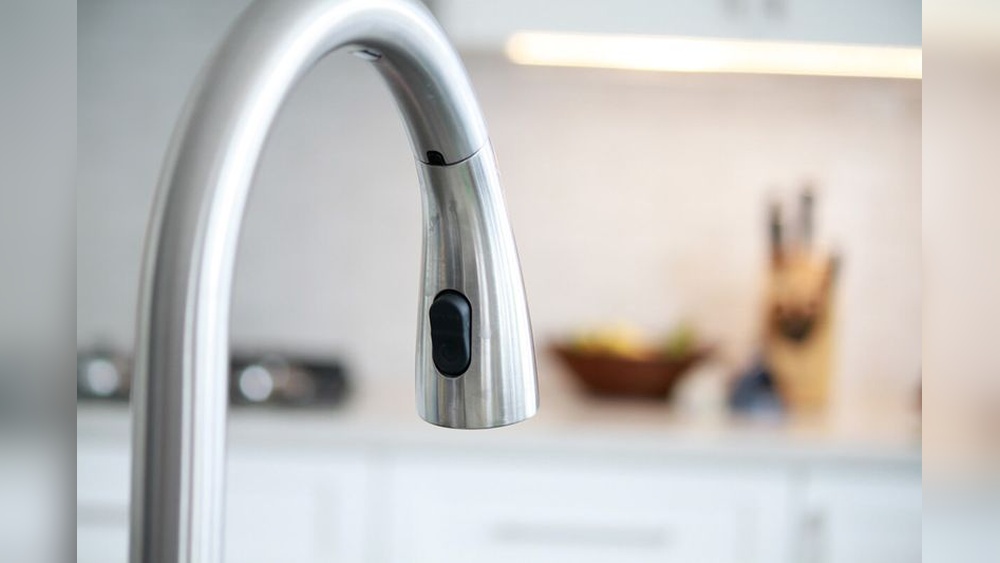
How Long Do Faucets Last? Lifespan, Signs & Replacement Tips
How Long Do Faucets Last
A faucet is a small detail in your kitchen or bathroom, but it plays a big role every day. We turn faucets on and off hundreds of times each month. Over time, even the best faucets will wear out. If you are wondering how long faucets last, you are not alone.
Many homeowners are surprised when a faucet starts to leak or break sooner than expected. Knowing the typical lifespan of a faucet can help you plan repairs, avoid water waste, and save money in the long run.
But the answer is not simple. The lifespan of a faucet depends on several factors: the type of faucet, the material, how often you use it, how hard your water is, and how well you maintain it. Some faucets last only a few years, while others keep working for decades. Understanding these details can help you make the right choices for your home.
In this article, you will learn how long different types of faucets usually last, what influences their lifespan, signs your faucet may need replacing, and how you can help your faucets live longer. We will also compare brands, materials, and answer the most common questions about faucet life.
What Affects Faucet Lifespan?
A faucet does not stop working for no reason. Many things affect how long it will last. Here are the key factors:
Type Of Faucet
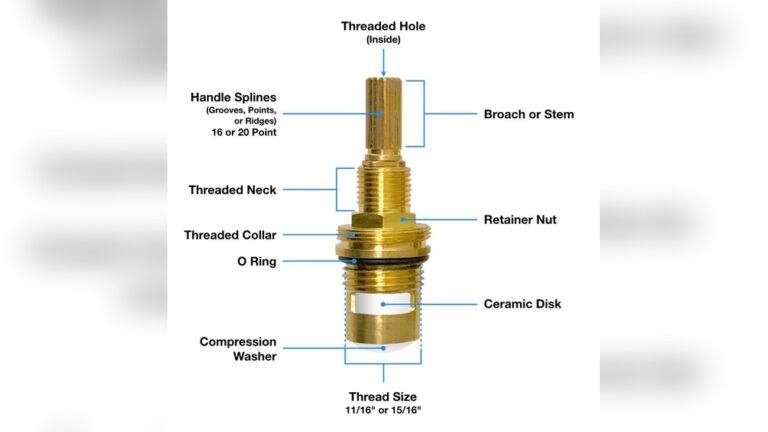
There are four main types of faucets: compression, ball, cartridge, and disc. Each type has a different design and wear pattern.
- Compression faucets use rubber washers that wear out and need replacement more often.
- Ball faucets have many moving parts and seals, so they can wear down faster.
- Cartridge faucets use a movable cartridge and usually last longer, with fewer leaks.
- Disc faucets are the most modern, using ceramic discs that are very durable.
Material
Faucets are made from materials like brass, stainless steel, zinc alloy, or plastic. The material affects both the look and the life of the faucet.
- Brass faucets resist corrosion and are very durable.
- Stainless steel is strong and rust-resistant.
- Zinc alloy is cheaper but usually wears out faster.
- Plastic is the least durable.
Usage
A faucet in a busy kitchen is used more than one in a guest bathroom. Frequent use speeds up wear and tear.
Water Quality
Hard water contains minerals that can build up inside your faucet, causing damage. Soft water is gentler but can sometimes cause other types of corrosion.
Maintenance
Simple habits like cleaning aerators and fixing small leaks can add years to your faucet’s life.
Average Lifespan Of Different Faucet Types
Let’s look at how long you can expect each type of faucet to last if you use and maintain it well.
| Faucet Type | Average Lifespan (Years) | Main Weakness |
|---|---|---|
| Compression | 10–15 | Washer failure |
| Ball | 8–12 | Seal leaks |
| Cartridge | 15–20 | O-ring wear |
| Disc (Ceramic) | 20+ | Mineral clogging |
Disc faucets can last more than 20 years if you avoid hard water buildup. Cartridge and compression faucets usually need repairs or replacement sooner.
Material Matters: Comparing Faucet Materials
The material of your faucet is just as important as its type. Here’s a comparison:
| Material | Lifespan | Strengths | Weaknesses |
|---|---|---|---|
| Brass | 15–25 years | Highly durable, corrosion-resistant | Expensive |
| Stainless Steel | 15–20 years | Strong, rust-resistant | Shows water spots |
| Zinc Alloy | 5–10 years | Low cost | Prone to corrosion |
| Plastic | 2–5 years | Cheap, lightweight | Breaks easily |
Many top faucet brands use brass for the inside parts, even if the outside is stainless steel or another finish. This mix gives strength where it counts.
Signs Your Faucet Needs Replacing
Most people wait until a faucet is leaking badly before changing it. But there are other signs your faucet’s life is ending:
- Constant Dripping or Leaking – Even after replacing washers or seals, leaks return.
- Rust or Corrosion – Rust on the surface or inside means the faucet is breaking down.
- Difficult to Turn – Handles are stiff or do not move smoothly.
- Low Water Pressure – Mineral buildup inside can block water flow.
- Frequent Repairs – If you fix your faucet every few months, it’s time to replace it.
- Strange Noises – Squeaking, banging, or whistling sounds are warning signs.
- Outdated Style – Sometimes, you just want a newer look or better features.
Ignoring these signs can lead to water damage or higher bills.
How To Make Faucets Last Longer
You can extend your faucet’s life with a few simple habits:
- Clean the aerator every few months. Mineral buildup can block water flow.
- Fix leaks quickly. Small drips can wear out internal parts.
- Avoid harsh cleaners. Use mild soap and water, not strong chemicals.
- Install a water softener if you have hard water. This stops mineral buildup.
- Don’t force handles. If it’s stuck, check for buildup instead of pushing harder.
- Lubricate moving parts with plumber’s grease once a year.
A well-maintained faucet can last years longer than one that is ignored.
Comparing Top Faucet Brands And Their Lifespans
Not all faucets are the same, even if they look similar. Some brands are known for quality. Here is a comparison of a few popular brands and their expected lifespans:
| Brand | Average Lifespan | Warranty | Notes |
|---|---|---|---|
| Moen | 15–20 years | Limited Lifetime | Strong cartridge, easy repair |
| Delta | 15–20 years | Lifetime (parts only) | Diamond seal technology |
| Kohler | 15–25 years | Lifetime (drip-free) | Solid brass construction |
| Pfister | 10–15 years | Limited Lifetime | Affordable, but basic parts |
| Glacier Bay | 8–12 years | Limited Lifetime | Budget brand, lower quality |
Choosing a reputable brand with a good warranty can give peace of mind and make repairs easier.
Kitchen Vs. Bathroom Faucets: Does Location Matter?
Faucets in different places have different lifespans and face different problems.
- Kitchen faucets are used more often and for longer periods. They are exposed to food, grease, and cleaning chemicals.
- Bathroom faucets are usually used for shorter times but may face soap scum and toothpaste buildup.
- Laundry/utility faucets often see rough use and hard water.
Kitchen faucets often wear out first because they work the hardest. If you have a busy household, kitchen faucet life may be closer to the lower end of the average range.
Common Faucet Problems That Shorten Lifespan
Faucets can fail for many reasons. Here are some common problems that will shorten a faucet’s life:
Mineral Buildup
Hard water leaves calcium and lime inside your faucet, blocking valves and making handles stiff.
Worn Seals And Washers
Rubber parts dry out, crack, or tear, leading to leaks.
Corrosion
Water and cleaning products can eat away at metal over time.
Physical Damage
Dropping heavy objects or using too much force can break handles or spouts.
Freezing Temperatures
Faucets in unheated areas can crack if water inside freezes.
Many of these problems can be prevented with regular care and smart choices.
Repair Or Replace? Making The Decision
Not every broken faucet needs to be replaced. Sometimes, a simple repair will solve the problem. How do you decide?
- Repair if the faucet is less than 10 years old, and the problem is minor (like a washer or O-ring).
- Replace if there is major corrosion, cracks, or repeated leaks.
- Replace if your faucet is more than 15 years old and has frequent issues.
- Replace if you want a new style or features (like touchless or pull-down spouts).
Repairs are usually cheaper, but sometimes replacement is the smarter choice. For example, if you keep fixing a leaky faucet and it still drips, a new faucet will save water and money.
The Role Of Water Quality
The quality of your water can make a big difference in faucet life. Hard water is the biggest enemy of faucets.
- Hard water contains minerals like calcium and magnesium. These minerals form white scale inside the faucet, blocking flow and damaging parts.
- Soft water is easier on faucets, but if it is too acidic, it can also cause corrosion.
If you see white buildup on your faucet spout, you probably have hard water. Installing a water softener or using vinegar to clean your faucet can help prevent damage.
Environmental And Cost Impact Of Old Faucets
An old, leaky faucet can waste a surprising amount of water. A small drip can waste over 3,000 gallons per year. That means higher water bills and more strain on the environment.
- Newer faucets are more water-efficient. Many use only 1.5 gallons per minute, compared to older models that use 2.5 gallons or more.
- Replacing old faucets can save both water and money in the long run.
If you care about the environment or want a lower water bill, upgrading your faucets is a smart move.
Understanding Faucet Warranties
Most quality faucets come with a lifetime warranty on the mechanical parts. But read the fine print:
- Some warranties cover only the original buyer.
- Many cover parts but not labor.
- Damage from hard water or misuse is often not covered.
- Finish warranties may be shorter (5–10 years).
Save your receipt and register your faucet. If you have a problem, contact the manufacturer first. Often, they will send free parts.
Non-obvious Insights About Faucet Life
Beginners often miss these important facts:
1. Internal Parts Matter More Than Finish
A faucet may look new on the outside but have worn-out valves inside. Focus on the cartridge, seals, and disc quality.
2. Not All Leaks Are Obvious
Slow leaks inside the faucet can waste water without dripping. Watch for higher water bills or strange sounds.
These details show why regular checks and knowing your faucet’s design can save you money and trouble.
When To Call A Plumber
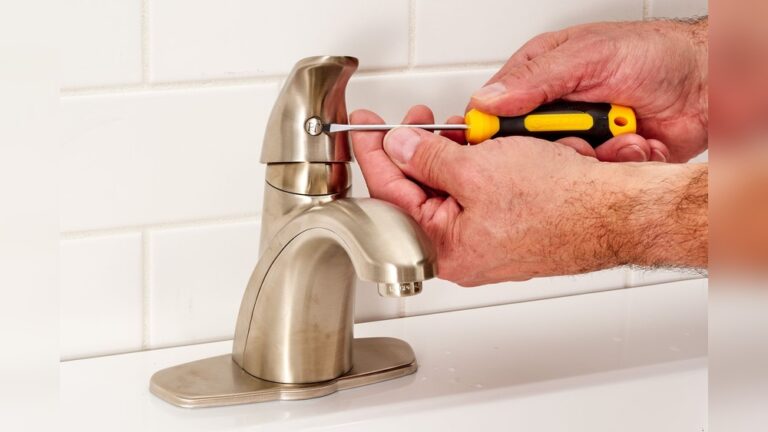
Some faucet problems are easy to fix. You can replace a washer or clean an aerator yourself. But call a plumber if:
- The faucet is leaking under the sink.
- You see rust, cracks, or heavy corrosion.
- You have low water pressure in the whole room (could be a pipe problem).
- The faucet is stuck and cannot be removed.
Trying to fix a serious problem yourself can cause more damage. If in doubt, ask for help.

Credit: southendcommercialplumbing.com
Upgrades And Modern Features
Today’s faucets offer features that older models do not. Upgrading gives you:
- Touchless operation for better hygiene and convenience.
- Pull-down sprayers for easier cleaning.
- Water-saving aerators to cut water use.
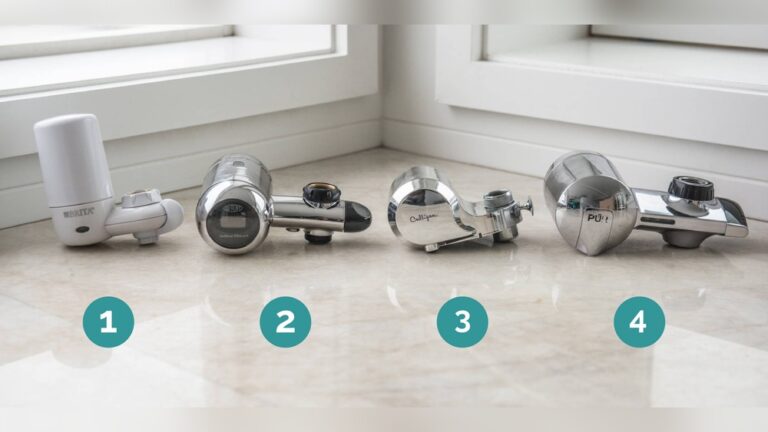
- Filtered water directly from the faucet.
If your faucet is over 15 years old, you may be missing out on these upgrades that make daily life easier.
How To Choose A Long-lasting Faucet
When buying a new faucet, consider:
- Material – Choose solid brass or stainless steel for the best durability.
- Type – Disc or cartridge types last longer than ball or compression.
- Brand reputation – Check reviews and warranty support.
- Water efficiency – Look for WaterSense or similar labels.
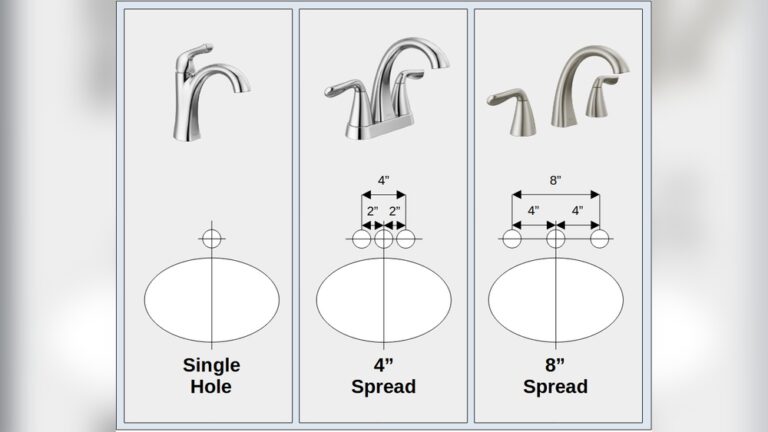
- Design and fit – Make sure it fits your sink and style.
Avoid cheap, plastic faucets. The lowest price now often means more repairs later.
Credit: faucetexpress.ca
Real-world Examples
- A family in Texas replaced their kitchen faucet every 8 years due to hard water. After installing a water softener, their next faucet lasted over 15 years.
- An office building chose low-cost zinc faucets. Within 5 years, most had corrosion and leaks. Switching to brass saved money on repairs.
- A homeowner kept fixing a 20-year-old bathroom faucet. After replacing it, they saw a 20% drop in their water bill.
These stories show the value of good materials and water quality.
Environmental Certifications
Look for faucets certified by WaterSense or similar programs. These use less water and are tested for durability. For more details on water-saving standards, see the EPA WaterSense Program.
Credit: faucetexpress.ca
Frequently Asked Questions
How Long Do Kitchen Faucets Usually Last?
Most kitchen faucets last between 10 and 20 years. The exact lifespan depends on the material, faucet type, water quality, and how often you use it. With good care, some high-end kitchen faucets can last over 20 years.
Can I Repair A Leaking Faucet Or Should I Replace It?
If the faucet is less than 10–15 years old and the problem is a minor leak, you can often repair it by changing washers, cartridges, or seals. If repairs do not last or the faucet is very old, it is better to replace it.
Does Hard Water Damage Faucets?
Yes, hard water can damage faucets over time. Minerals build up inside, causing blockages and wearing out parts. Installing a water softener or regularly cleaning with vinegar can help protect your faucet.
Are Expensive Faucets Worth The Money?
Usually, expensive faucets are made from better materials like solid brass and have stronger warranties. They last longer and have fewer problems. Over time, you may save money by avoiding repairs and replacements.
What Is The Best Material For A Long-lasting Faucet?
Solid brass is usually the best choice for durability and corrosion resistance. Stainless steel is also a good option. Avoid plastic and low-quality zinc alloy if you want your faucet to last a long time.
A faucet is a simple tool, but it pays to choose and care for it wisely. Knowing how long faucets last, and how to get the most from yours, helps you save money, avoid headaches, and enjoy reliable water for years to come.