Fip Vs Ips Faucet Connector: Ultimate Comparison Guide 2026
When it comes to connecting your faucet, understanding the difference between FIP and IPS faucet connectors can save you time, money, and a lot of frustration. You might be wondering: Are these connectors the same?
Can you use one in place of the other? The truth is, knowing which one fits your plumbing setup is crucial for a leak-free and secure connection. You’ll discover what sets FIP and IPS apart, why it matters for your home, and how to make the right choice for your faucet.
Keep reading to ensure your next plumbing project goes smoothly without unexpected surprises.
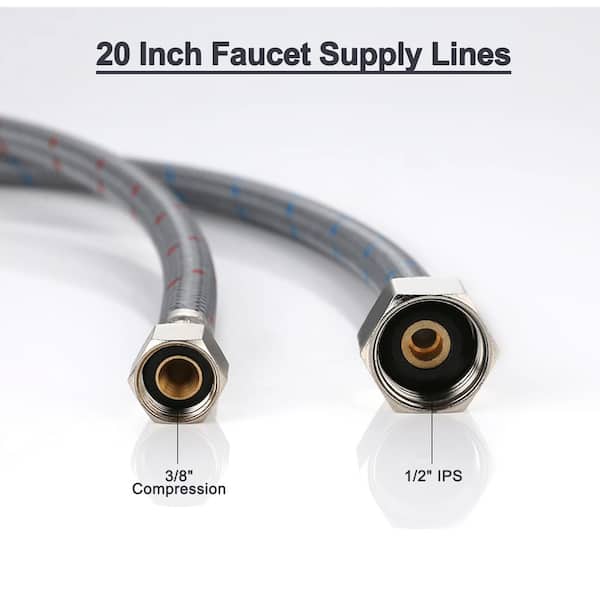
Credit: www.homedepot.com
Fip And Ips Basics
Understanding the key differences between FIP and IPS faucet connectors helps in choosing the right fitting. Both terms relate to plumbing, but they serve distinct roles. FIP refers to a type of threaded connection, while IPS is about pipe sizing standards. Knowing these differences ensures proper installation and prevents leaks.
Thread Orientation And Connection
FIP stands for Female Iron Pipe, which means it has internal threads. It connects to a male-threaded pipe or fitting. IPS means Iron Pipe Size and refers to the size of the pipe, not the thread type. FIP connectors screw onto male IPS pipes. The threads in FIP are designed to match IPS pipe threads for a secure fit.
Measurement Standards
IPS is a standard for measuring pipe diameters and wall thickness. It defines the size of the pipe but not the thread form. FIP uses National Pipe Thread (NPT) standards for threading. NPT threads are tapered, which helps create a tight seal. IPS pipes come in different sizes, and FIP fittings match these sizes to ensure compatibility.
Sealing Methods
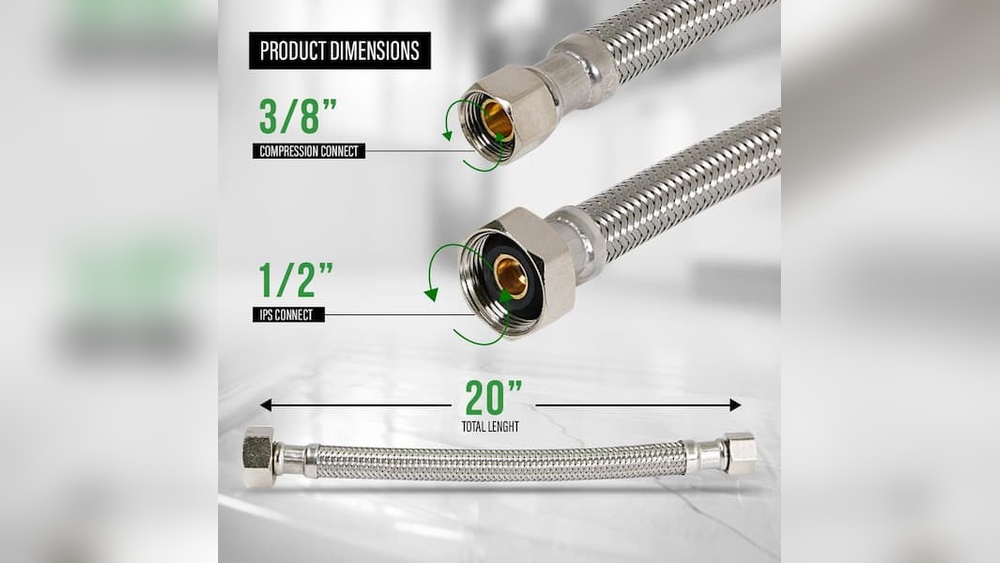
FIP connections usually seal with a rubber washer or gasket inside the fitting. This method does not require thread tape. IPS pipes rely on the gasket to prevent leaks, as their threads are not tapered. This sealing style is common in faucet supply lines. It creates a strong, leak-free connection without extra materials.
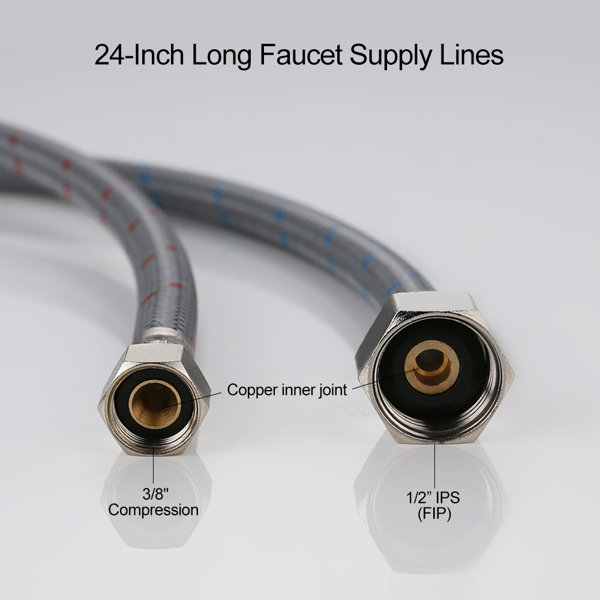
Credit: www.wayfair.com

Credit: www.amazon.com
Frequently Asked Questions
Does Fip Fit Ips?
Yes, FIP (Female Iron Pipe) fits IPS (Iron Pipe Size) threads. FIP is a female threaded fitting connecting to male IPS pipes. They seal using a rubber washer inside the nut, not thread tape. This connection is common in faucet supply lines and plumbing systems.
What Are Ips Faucet Connections?
IPS faucet connections use Iron Pipe Size threading, a standard for pipe dimensions. They seal with a rubber washer inside the female-threaded nut, ensuring a leak-free fit without tape. IPS differs from FIP, which refers to female-threaded fittings. IPS is common in faucet supply lines and plumbing.
Are Npt And Ips The Same?
NPT (National Pipe Thread) and IPS (Iron Pipe Size) are not the same. NPT refers to tapered threads, while IPS defines pipe diameter standards. NPT threads seal by tapering; IPS is a sizing system used with straight threads like FIP (Female Iron Pipe).
They serve different purposes in plumbing.
Can I Connect Fip To Npt?
Yes, you can connect FIP (Female Iron Pipe) to NPT (National Pipe Thread) fittings, but ensure thread compatibility. Use proper sealing methods like thread tape or pipe dope for a secure, leak-free joint. FIP has female threads, and NPT usually has tapered male threads, so matching them is key.
Conclusion
Choosing between FIP and IPS faucet connectors depends on your plumbing needs. FIP means a female thread that fits male pipes. IPS refers to the pipe size standard, not the thread type. They work together but are not the same.
Using the right connector ensures a leak-free and secure connection. Understanding these terms helps avoid costly mistakes. Always check your fittings before buying parts. This knowledge keeps your plumbing working smoothly. Simple, clear choices make installation easier and more reliable.