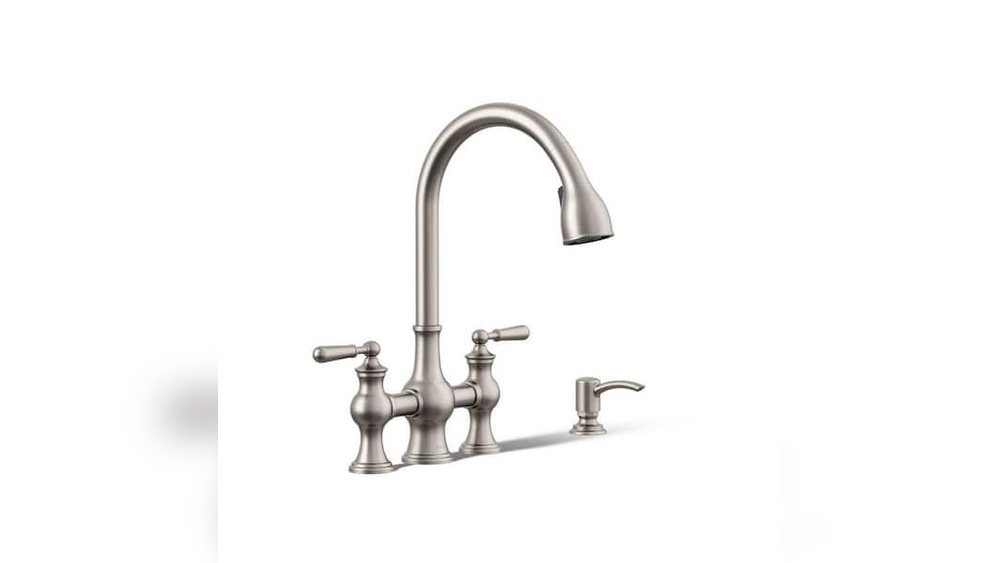
Bridge Faucet Vs Pull Down: Ultimate Kitchen Faucet Showdown
Choosing the right kitchen faucet can make a big difference in both how your kitchen looks and how it works for you every day. If you’re torn between a bridge faucet and a pull-down faucet, you’re not alone.
Each style has its own unique benefits and challenges that could impact your cooking, cleaning, and overall kitchen experience. You’ll discover what sets these two faucets apart, so you can confidently pick the one that fits your style and needs perfectly.
Ready to find out which faucet will make your kitchen shine and simplify your daily tasks? Keep reading!
Credit: thesinkboutique.com
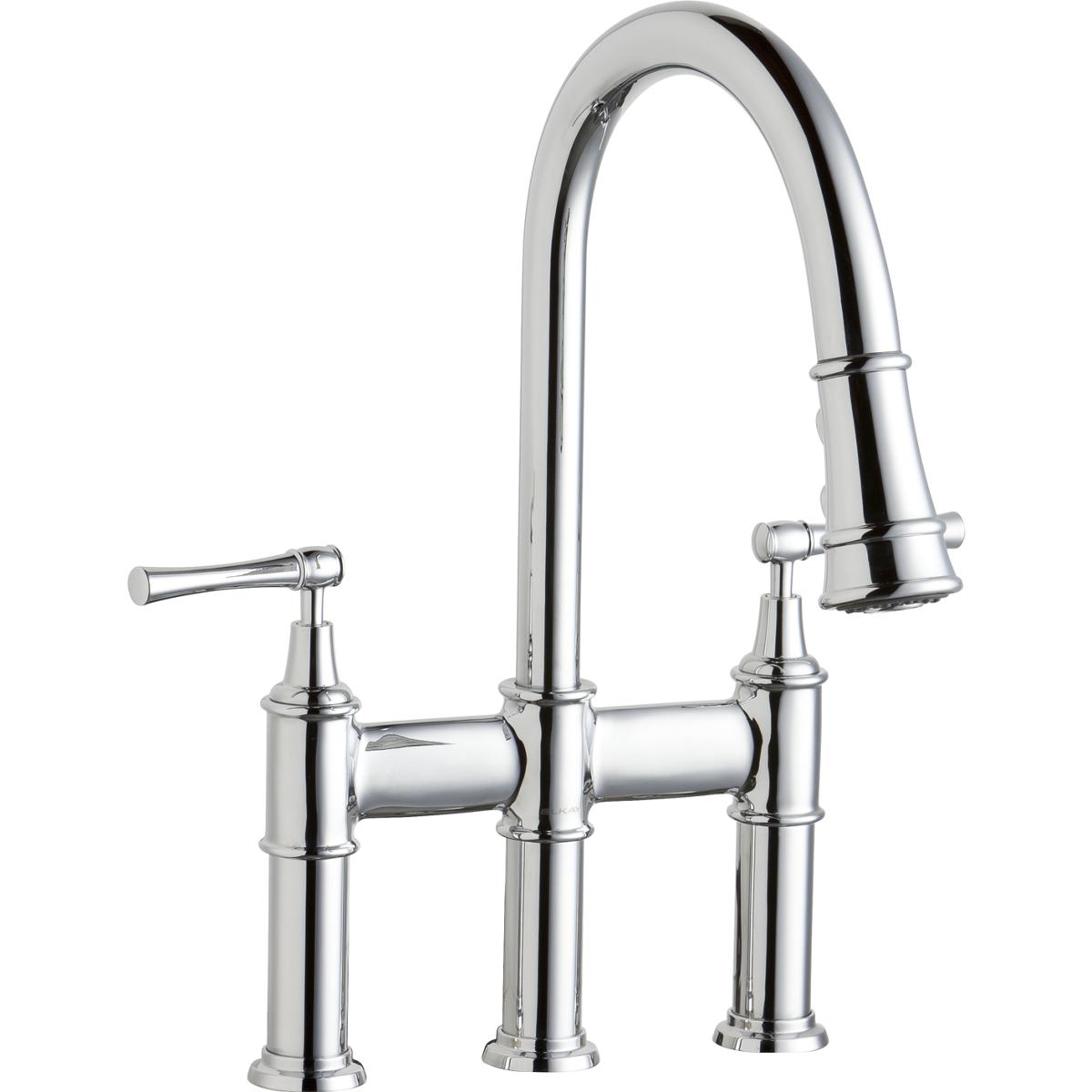
Bridge Faucet Features
Choosing between a bridge faucet and a pull-down faucet involves understanding their installation and compatibility. These factors affect your kitchen setup and daily use. Both types have unique fitting needs and work best with certain sinks and plumbing systems. Installation can be straightforward or complex depending on your skills and the faucet style. Knowing plumbing requirements helps ensure smooth water flow and durability.
Fitting Types And Sink Compatibility
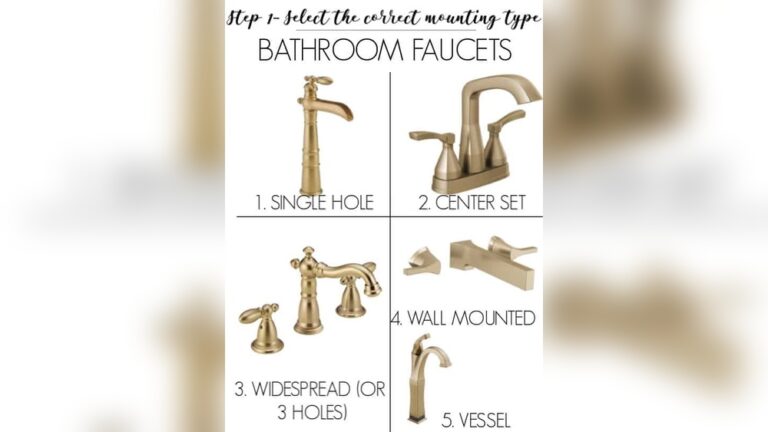
Bridge faucets usually require three holes in the sink or countertop. Two handles and one spout need separate mounting points. Pull-down faucets often need only one hole for installation. This makes pull-down models more flexible with different sink types.
Sinks with multiple holes fit bridge faucets best. Single-hole sinks pair well with pull-down faucets. Ensure the faucet size matches the sink space to avoid leaks and awkward setups. Check the spout reach and height for comfortable use.
Professional Vs Diy Installation
Bridge faucets can be tricky to install due to multiple parts. Professional help is often recommended for proper alignment and sealing. Pull-down faucets are simpler, suitable for many DIY enthusiasts. Basic tools and clear instructions usually suffice for pull-down models.
DIY installation saves money but requires patience and attention. Mistakes can cause leaks or poor water flow. Hiring a plumber guarantees correct installation and avoids future problems. Consider your comfort level with plumbing tasks before deciding.
Plumbing Requirements
Both faucet types need standard water supply lines. Bridge faucets may require additional connectors due to their design. Pull-down faucets typically use flexible hoses that connect easily to water lines.
Check water pressure compatibility with the faucet specifications. Some bridge faucets need higher pressure for optimal function. Pull-down faucets often include aerators to regulate flow and reduce splashing.
Ensure shut-off valves are accessible for maintenance. Proper plumbing prevents leaks and extends faucet life. Confirm all parts meet local plumbing codes for safety and reliability.

Credit: houseofrohl.com

Credit: www.amazon.com
Frequently Asked Questions
Are Bridge Faucets Worth It?
Bridge faucets offer precise temperature control and a classic look. They suit traditional kitchens but require more cleaning and two-hand operation. Choose them for style and accuracy over convenience.
Is A Pull Down Or Pull-out Faucet Better?
Pull-down faucets offer better reach and ease for tall pots. Pull-out faucets provide flexible maneuvering in tight spaces. Choose pull-down for high clearance and pull-out for versatile use. Both styles suit different needs; pick based on your kitchen tasks and space.
What Is The Purpose Of A Bridge Faucet?
A bridge faucet offers precise temperature control with its two-handle design. It features a high spout for easy filling of tall containers and adds vintage style to kitchens.
What Faucets Do Plumbers Prefer?
Plumbers prefer single-handle pull-down faucets for their ease, versatility, and easy cleaning. Bridge faucets offer style but require more maintenance.
Conclusion
Choosing between a bridge faucet and a pull-down faucet depends on your needs. Bridge faucets offer classic style and precise temperature control. Pull-down faucets provide convenience with flexible spray heads. Consider your kitchen tasks and design preferences carefully. Both types have unique benefits to fit different lifestyles.
Think about ease of use, cleaning needs, and how each matches your kitchen decor. This will help you pick the faucet that suits you best.